
.svg)

Learn what a 3PL environment includes, what third-party logistics companies do, their benefits, and how technology like AI is reshaping the industry.

.svg)
A 3PL (third-party logistics) environment is a comprehensive model that includes everything from activities, manpower, technology, transportation services, and software within a 3PL company. This environment plays a vital role in the supply chain, offering solutions for packaging, shipping rates, and handling goods.
Understanding the 3PL environment is essential for business owners, suppliers, retailers, and shippers to ensure flexibility, visibility, and efficient management of shipments and materials. The size of the operation and the brand's reputation can also influence the choice of a 3PL or third party logistics provider. The efforts put into selecting the right 3PL provider can have a significant impact on success. The growth of the 3PL industry has been remarkable, with an increasing amount of focus on various areas of logistics.
Third-party logistics companies provide various solutions, including storage, order fulfillment, transportation, and even handling customer returns. They offer a variety of services, from trucking to procurement, and can cater to different types of businesses, from small retailers to Fortune 500 companies.
Their capabilities range from receiving to shipping, and they often utilize advanced technologies, such as warehouse management systems (WMS), to ensure quality and speed. They also handle sales channels, own warehouse setup, tracking, and internet-based solutions. They may even have hundreds of partnerships with various carriers, freight forwarders, and suppliers. The manufacturing and shipping process is streamlined to ensure efficiency.
Business owners who lack the manpower, budget, or facility to handle warehousing operations should consider outsourcing logistics functions to a 3PL. This step can provide advantages in terms of cost-effective solutions, risk management, and alignment with sustainability trends.
3PLs offer eco-friendly logistics processes, ensuring alignment with increasing consumer demand for responsible practices. The choice may also depend on the ground transportation needs, the complexity of assembly, labor costs and the potential for partnership with carriers like USPS and UPS. The brick-and-mortar stores may also influence the decision, depending on their locations and needs. Labor considerations and the price point of services are also essential things to consider.
Working with an efficient 3PL system offers a multitude of advantages:
While 3PLs focus on order fulfillment, 4PLs manage the entire supply chain, including strategy, complexity, and partnership with other entities like government and enterprise. In addition to 3PL and 4PL, there are other modes like 2PL and 5PL, each offering different levels of services and responsibilities.
Understanding these differences helps in selecting the right logistics solutions for your business, considering factors like disadvantages, contracts, and the range of services. The reasons for choosing one over the other may vary based on industries served and specific needs.
The 3PL order fulfillment process involves several steps:
3PL companies offer a wide range of services, including:
The 3PL environment encompasses a wide range of aspects, from transportation to technology, offering solutions for various industries. It provides a performance measuring framework for successful, efficient, and cost-effective logistics and supply chain management professionals. Whether considering 1PL, 3PL, or 5PL, understanding the role, advantages, and disadvantages of each is crucial for success. Consideration of buyers' needs, potential loss issues, and the idea of scalability is also vital. The successful integration of all these aspects ensures an efficient and profitable operation.
In the dynamic landscape of Third-Party Logistics (3PL), technology integration is a game-changer. Advanced technologies like Artificial Intelligence (AI), Internet of Things (IoT), and data analytics are reshaping the third party logistics company and industry, enhancing efficiency, accuracy, and customer satisfaction.
AI algorithms are powering predictive analytics, optimizing routing and inventory management. Smart sensors in IoT devices provide real-time shipment visibility, ensuring timely interventions and reducing delays. Data analytics glean insights from vast datasets, allowing 3PLs to identify trends, optimize routes, and improve decision-making.
The final stretch of delivery, known as the last mile, poses unique challenges in urban environments. Rapid population growth, congestion, and environmental concerns require innovative solutions for timely and sustainable deliveries.
Micro-fulfillment centers, strategically placed in urban areas, streamline last-mile logistics operations. Urban warehouses serve as hubs for rapid order processing, enabling same-day and even hour-specific deliveries. Additionally, autonomous vehicles and drones are emerging as alternatives to traditional delivery methods, promising reduced congestion and quicker deliveries.
The 3PL industry is embracing sustainable practices to less environmental impact and align its business strategy with consumer demand for eco-friendly solutions. The spotlight is on packaging, a critical aspect of supply chain sustainability. Biodegradable materials, reduced packaging sizes, and reusable options are gaining prominence.
Eco-friendly transportation is also a focus, with electric and hybrid vehicles minimizing emissions. 3PLs are implementing energy-efficient warehousing solutions, harnessing solar power, and optimizing energy consumption to reduce their carbon footprint.
In the era of customer-centricity, 3PL logistics providers are adapting to meet individual preferences. From personalized packaging value added services to real-time tracking and customizable delivery time slots, 3PLs are enhancing customer experiences.
Return processes for 3pl providers are also evolving to align with customer convenience. Hassle-free returns and exchanges are vital for customer retention. By focusing on every touchpoint of the customer journey, 3PLs are contributing to brand loyalty and positive reviews.
Recent disruptions, like the COVID-19 pandemic, highlighted the importance of resilience in the logistics industry. 3PLs are adopting digital transformation strategies and agile supply chain operations models to ensure business growth and continuity even in times of crisis.
Cloud-based platforms enable remote warehouse management software too, while AI-powered demand forecasting aids in agile decision-making. Diversification of suppliers and transport routes minimizes vulnerability to sudden disruptions.
AI is redefining demand forecasting, allowing 3PLs to predict trends with remarkable accuracy. Since the last decade, the industry has been undergoing a digital transformation with cutting-edge 3PL software and AI integration is the natural next step. By analyzing historical data, market trends, and external factors, AI algorithms create predictive models that aid in inventory management and order fulfillment.
The result is reduced stockouts, optimized inventory to improve customer service levels, and efficient resource allocation. Accurate demand forecasting empowers 3PLs to offer competitive shipping rates and maintain high service levels.
Collaborative logistics ecosystems are emerging as a solution to optimize supply chains. Businesses, suppliers fulfillment logistics, 3PLs, and other stakeholders collaborate closely to streamline processes, reduce inefficiencies, and improve visibility.
By sharing data and insights, collaborative ecosystems enable better decision-making and coordination. Manufacturers gain insights into consumer demand, 3PLs optimize routes, and retailers align inventory with market trends.
In an increasingly digital world, cybersecurity is paramount. 3PLs are responsible for safeguarding sensitive data, from customer information to supply chain data.
Robust cybersecurity measures involve encryption, secure data storage, and continuous monitoring for threats. Compliance with data protection regulations ensures the integrity and confidentiality of information.
The difference lies in scope and complexity, with 3PL focusing on order fulfillment services and 4PL on entire supply chain integrated freight management services.
The biggest 3PL company, catering to various brands, is Kuehne + Nagel, third party company with significant revenue and global capacity.
Yes, 3PL is a form of outsourcing, allowing businesses to leverage external capabilities, from procurement to transportation solutions, and handle hundreds or even thousands of orders on a daily basis.
.webp)
Explore the top 3PL companies in Canada and learn how third-party logistics providers play a vital role in optimizing supply chains. Discover the benefits of partnering with a 3PL, key services offered, and steps to start working with a 3PL in Canada.
.svg)
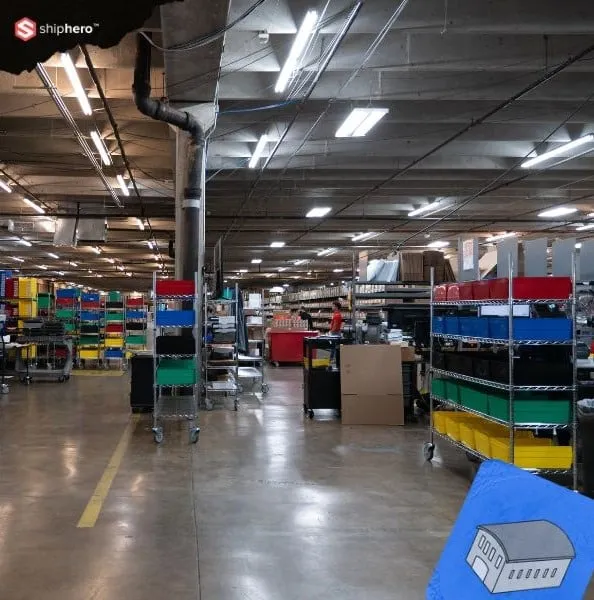
Discover the top 5 best third-party logistics (3PL) companies for your business needs, offering extensive networks, advanced technology, and superior customer service. Learn about the benefits of 3PL services, how to choose the right provider, and avoid common mistakes.
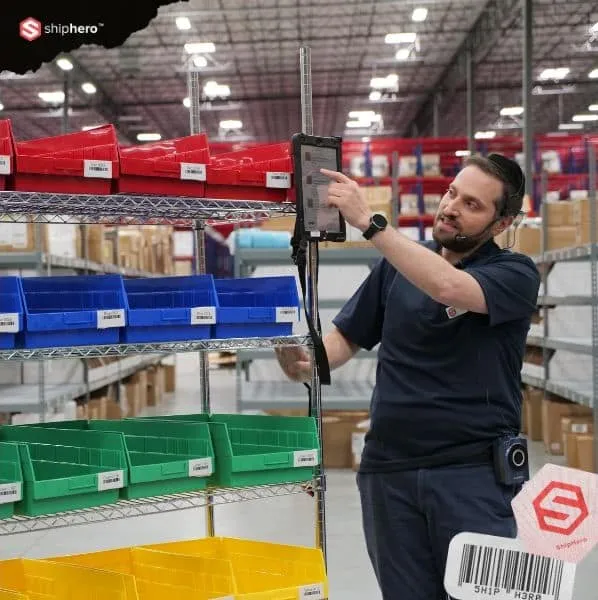
Discover the role, benefits, key features, requirements, and implementation of a 3PL Warehouse Management System (WMS) for optimizing warehouse operations. Learn about scalability, integration, real-time visibility, and customization options to choose the best solution for your business.

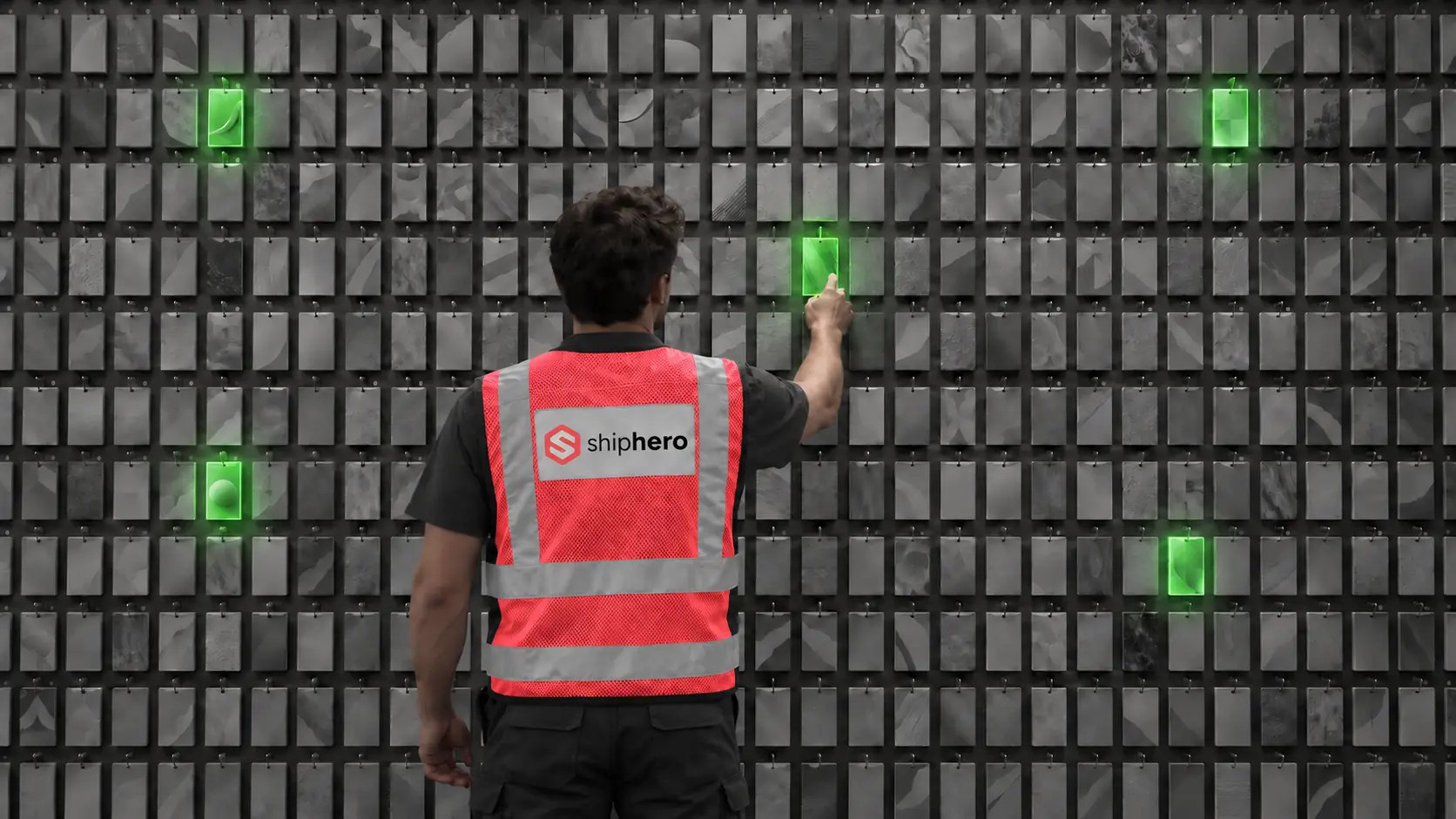
At the denser wall, average picking time per order fell from 40 seconds to 13, and orders that ran clean from start to finish rose from 18% to 97%. This is the companion to our Direct Pack + Pack-to-Light case study, from the same research.
On September 1, 2026, Descartes Systems Group announced its acquisition of Extensiv for approximately $120 million. What was announced, what usually follows deals like this, and the questions Extensiv customers should put to their vendor before renewal.



.svg)



.webp)