
.svg)

As eCommerce needs continue to evolve, choosing the right 3PL consultant has become increasingly important for business owners. A good 3PL consultancy will guide you through selecting the best features and services, understanding pricing structures, managing your inventory, and creating efficient supply chain processes
.svg)
As eCommerce needs continue to evolve, choosing the right 3PL consultant has become increasingly important for business owners. A good 3PL consultancy will guide you through selecting the best features and services, understanding pricing structures, managing your inventory, and creating efficient supply chain processes beyond contract negotiations with carriers and fulfillment centers.
When considering potential consultants, keeping these strategic elements in mind can help you land one that makes sense for your specific situation. This blog post will unpack How to Choose the Best 3PL Consultant options to fit your business needs!
Third-Party Logistics (3PL) is a business outsourcing service in which a company contracts out its logistics and distribution functions to another company. 3PL providers handle many logistics functions, such as transportation, warehousing, and inventory management, allowing the outsourcing company to focus on its core competencies. 3PL providers can also offer value-added services such as packaging, assembly, and reverse logistics.
3PL consultants are professionals who specialize in helping companies optimize their logistics operations by using third-party logistics providers. They work with companies to understand their logistics needs and help them find the right 3PL provider to meet them.
Experienced consultants typically have a deep understanding of the logistics industry and can provide a range of services and resources, such as:
3PL consultants typically work with companies in several key stages:
For those who would like comprehensive logistics operations management, full-service consulting is the way to go. Working with a 3PL consulting service can be tailored to address a client's specific needs and goals. This covers everything from the initial assessment and planning to implementation and ongoing monitoring of the company's operations.
For projects that require short-term assistance, project-based consulting works well for quick results. Advisory services give the advantage of having a specialist available when needed throughout an organization's lifetime, while retainer-based consulting locks in a set number of hours per month from the consultant for support and advice. Whatever need arises, there is likely an option to match it!
When evaluating and selecting a new 3PL vendor, a 3PL consultant typically uses a set of objective criteria to ensure that the vendor is a good fit for the company's specific needs.
These criteria will help the consultant ensure that the vendor is a good fit for the company's specific needs and can help the company achieve its logistics goals.
The scope of a 3PL consultant's work is comprehensive, ranging from helping companies assess the pros and cons of outsourcing versus insourcing to evaluating existing 3PL relationships and improving upon them to tendering and negotiating with new potential providers.
With their expertise and market knowledge of logistics, 3PL consultants are equipped to provide insights into various solutions that can help businesses streamline their operational efficiency and reduce warehouse and fulfillment services costs. By assessing and asking the right questions and selecting and using the right contract logistics solutions that match the needs of a specific business, these consultants ensure businesses can remain competitive in the ever-evolving market.
A 3PL consultant can be essential in helping a company find the right vendor for their logistics needs. To ensure that the selected vendor is the best fit, the consultant follows a disciplined methodology that begins with defining the company's requirements and researching and identifying potential vendors.
The consultant then evaluates and shortlists them, issuing a Request for Proposal (RFP) to solicit detailed responses from each. Once these are evaluated, the consultant selects the best vendor and helps with the implementation process.
Finally, they review and monitor the performance of the new vendor toward meeting business goals. In this way, companies that use 3PL consultants gain access to an accounting professional who can help them make informed decisions regarding their supply chain strategies, goals, and objectives.
The deliverables for a 3PL consultant when selecting a vendor can vary depending on the specific project and the company's needs. However, in general, a consultant's deliverables may include the following:
Choosing the best 3PL consultant for your company can be a challenging task, but there are several key factors to consider that can help you make an informed decision.
Selecting the right 3PL partner for a company's logistics operations is an important task that should not be taken lightly. A consultant must have both IT and Industry IQ to choose the most suitable vendor.
IoT IQ ensures that the selected vendor has all the technical capabilities needed, such as integration with existing systems, security, scalability, support, and maintenance.
Meanwhile, industry knowledge is necessary to recommend suitable vendors that align with the company's goals and evaluate their performance against competitors in the market.
A consultant possessing a strong technical understanding and industry insights can help make sure that the right 3PL partner is chosen and guarantee successful collaboration between both parties.
Here are some key takeaways from the information provided about 3PL consultants and the 3PL selection process:
Businesses need to look for a 3PL consulting firm that can provide them with an integrated eCommerce logistics solution. This will allow the company to manage its inventory better, understand pricing structures, and create efficient supply chain processes. Choosing the best 3PL consultant can be overwhelming, with so many options available. But by considering these strategic elements, you can find a consultancy that fits your business needs perfectly!
A 3PL (third-party logistics) provider offers outsourced logistics services, which involve the management of one or more facets of procurement and fulfillment activities.
3PL consulting evaluates the economics of outsourcing some or all of the business's warehouse operations to a third-party logistics provider.
ShipHero is the best third-party logistics (3PL) software for businesses looking to be maximally efficient, cut costs, and offer complete customer visibility. ShipHero’s WMS solution can dramatically amp up your warehouse output by 30% while substantially reducing mis-ships and smoothing task optimization, simplifying your shipping processes. With ShipHero, you’ll have the tools to navigate an increasingly competitive industry successfully while being equipped with reliable insight into every action to improve operations, build customer satisfaction, and ensure your business reaches its full potential.
To evaluate the ROI of 3PL consultants, assess the cost savings and operational efficiencies they bring to your business. This includes improvements in supply chain processes, reductions in shipping costs, better inventory management, and increased customer satisfaction.
A successful 3PL consultant should help streamline your logistics to result in long-term savings and growth.
A 3PL specialist is an expert in third-party logistics, focusing on optimizing the supply chain by selecting, managing, and overseeing relationships with 3PL providers. They help businesses improve their logistics operations to ensure efficient inventory management, transportation, and fulfillment, all while minimizing costs and enhancing service quality.
.webp)
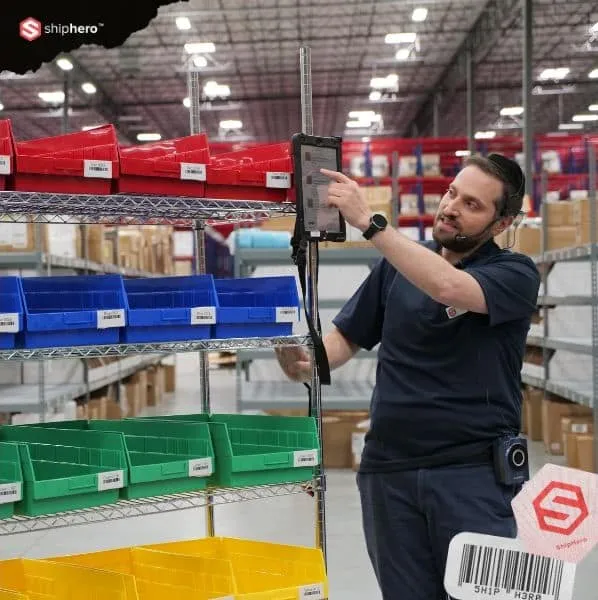
Discover the role, benefits, key features, requirements, and implementation of a 3PL Warehouse Management System (WMS) for optimizing warehouse operations. Learn about scalability, integration, real-time visibility, and customization options to choose the best solution for your business.
.svg)
Explore the top 3PL companies in Canada and learn how third-party logistics providers play a vital role in optimizing supply chains. Discover the benefits of partnering with a 3PL, key services offered, and steps to start working with a 3PL in Canada.
Discover the top 5 best third-party logistics (3PL) companies for your business needs, offering extensive networks, advanced technology, and superior customer service. Learn about the benefits of 3PL services, how to choose the right provider, and avoid common mistakes.
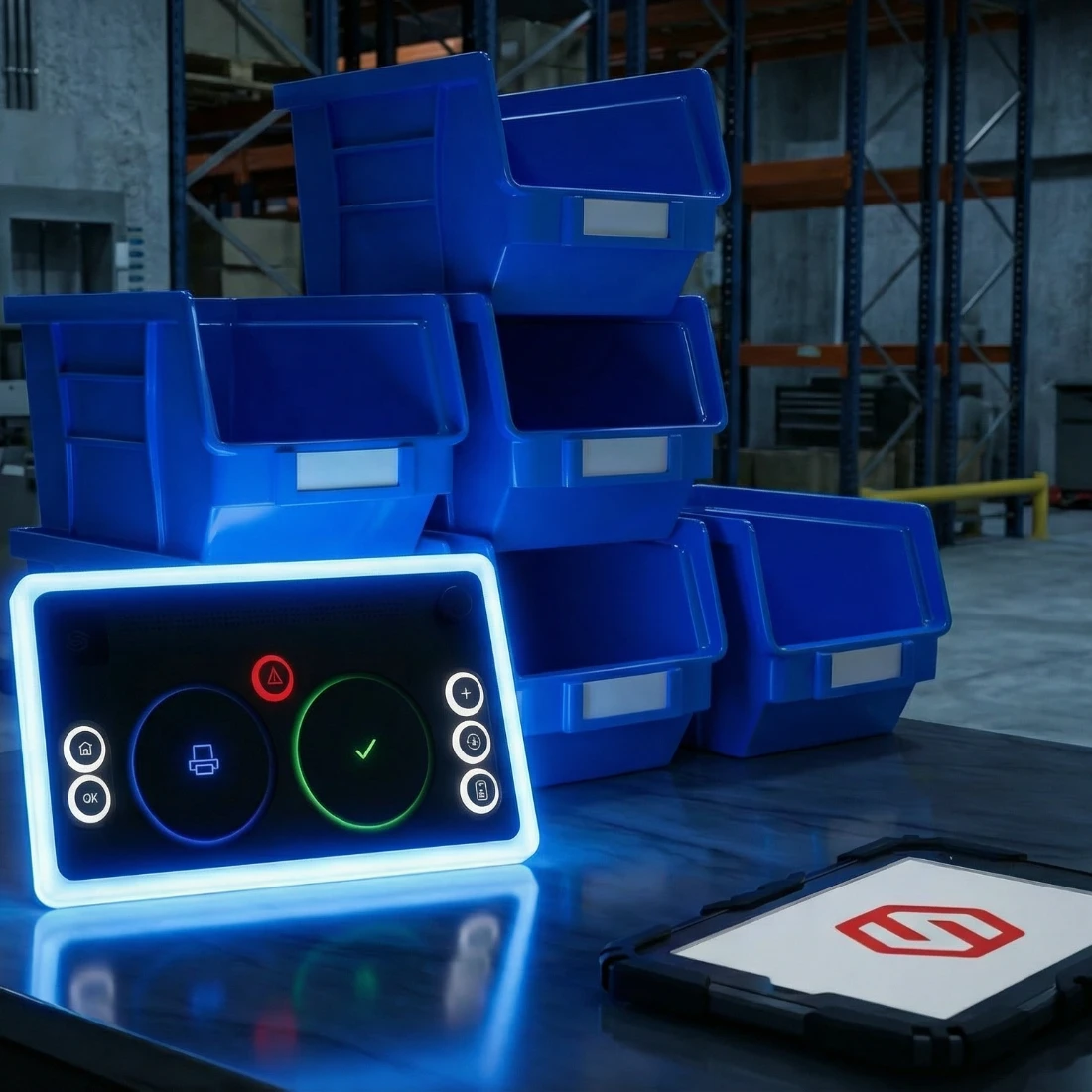
Why Keyboards Are Killing Your Pack Line (And What to Do About It). Stop losing throughput to keyboards and mice. ShipHero's Tap-to-Pack replaces screen navigation with an 8-button industrial controller built for 99.9% packing accuracy.




.svg)



.webp)