
Shiphero Blog

Top 10 Best Order Fulfillment Partners for Walmart

In this article
The end of seller shipping
The Solution: Integrated TikTok Shop logistics
Critical action for Shopify users
Join us before the deadline and save

As one of the largest retailers in the world, Walmart provides a great online marketplace platform for eCommerce business owners. Walmart Marketplace lets you sell products to an audience of millions – no setup or monthly fees necessary.

That said, you still need a good fulfillment partner to unlock the true potential of your business. Read on to learn more about the best order fulfillment partners for Walmart.
What is Walmart?

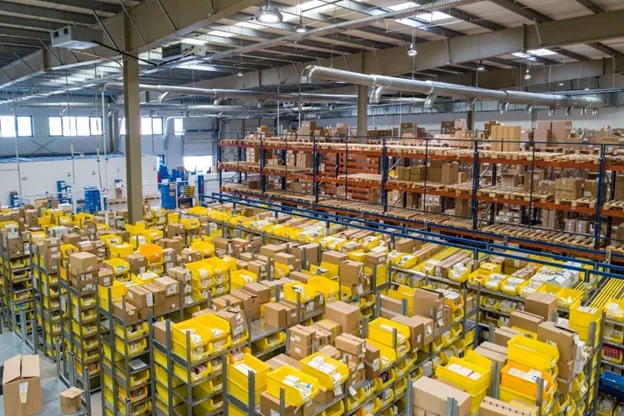
Walmart is a United States retail company that runs hypermarkets, department stores and grocery stores. It boasts over 10,000 stores in 24 countries and is the world’s largest company by revenue according to 2022’s Fortune Global 500 list.

Walmart sells just about anything you can imagine, such as groceries, food items, electronics, apparel, toys and so much more. It also provides an online platform for eCommerce businesses called Walmart Marketplace. Like eBay and Amazon, Walmart Marketplace allows third-party sellers to offer their items on the retail giant’s website to reach millions of people.

What is Order Fulfillment?

Order fulfillment is a process where an eCommerce seller receives a customer order, processes it according to the customer’s wishes and delivers the product to the customer. Order fulfillment is the most basic process in eCommerce because it’s how you get products to customers.

While it seems simple, you shouldn’t underestimate the importance of order fulfillment. If your order fulfillment process is slow and inaccurate, customer satisfaction and sales will drop.

Generally, order fulfillment is a five-step process:

  • Inventory receiving: You receive products from production facilities or distributors at the warehouse.
  • Inventory storing: Your warehouse crew stores the products in the appropriate spots.
  • Order processing: After receiving a customer order, your warehouse crew picks and packs the products to prepare them for shipping.
  • Order shipping: Once the products are picked and packed, your warehouse crew passes them to shipping carriers for delivery to the customer.
  • Return handling: If the item is damaged or doesn’t fulfill customer expectations, they may return it. Your warehouse is responsible for receiving the items, assessing the issue and returning the replacement item.

How Does the Walmart Fulfillment Process Work?

Walmart’s in-house fulfillment process through Walmart Fulfillment Service (WFS) works like most 3PL companies. Here’s how you can fulfill customer orders through WFS as a third-party seller:

  • Create an account in the WFS portal.
  • Mark your items for fulfillment by Walmart.
  • Send your products to the designated Walmart fulfillment center.
  • Let the Walmart Fulfillment Service crew pick, pack and send the items to delivery drivers according to shipment requests.
  • Leave Walmart’s team to manage returns and provide customer service.

Based on the process flow above, you don’t have to do much beyond sending your products to the fulfillment center. Once your items are there, the WFS crew takes over everything until the products arrive at the customer’s door and all complaints are resolved.

What Does a Walmart Order Fulfillment Provider Do?

A Walmart order fulfillment provider takes control of the entire process on your behalf. eCommerce businesses usually work with third-party order fulfillment providers when they can’t handle orders in-house or want to scale their companies beyond current capabilities.

What Are the Benefits of Using a Walmart Order Fulfillment Service?

The benefits of using a Walmart order fulfillment service include cost savings, extra storage space and expert insight. Here’s a detailed look at the benefits of working with 3PL companies:

Warehousing Support

eCommerce third-party logistics companies operate warehouses and fulfillment centers for their clients. Because you’re using the 3PL company’s warehouse, you don’t have to worry about running out of space.

Lower Carrier Shipping Charges

Order fulfillment services get lower carrier shipping charges because they ship large volumes of items daily. When 3PLs get lower carrier fees, they often pass the savings to clients, reducing your overall shipping costs.

Expert Support

Most 3PL companies have years, if not decades, of experience in order fulfillment. Working with them means they can help you identify and solve any fulfillment issues.

Time and Labor Savings

In-house order fulfillment takes a lot of time and effort. Outsourcing fulfillment lets you reassign warehouse staff to other tasks that directly contribute to eCommerce business growth.

Take a look at ShipHero’s order fulfillment services today and see if we can fulfill your  eCommerce shipping needs.

Factors to Consider While Selecting an Order Fulfillment Partner for Walmart

Choosing the right order fulfillment partner is essential to getting the most out of their expertise. Here are four things to consider when choosing your next 3PL partner:

Order Fulfillment Speed

Speed is one of the most essential factors in choosing the best order fulfillment partner. Customers and clients want faster fulfillment times and won’t settle for anything less. Ensure the 3PL company you choose supports two-day and same-day shipping to most, if not all, of your customer base.

Storage and Fulfillment Fees

Storage and fulfillment fees are important for any business, but they become even more essential when you sell in large volumes. Pick a fulfillment company offering lower storage and fulfillment fees if you’re planning to sell many products.

Pricing

Fulfillment companies charge monthly subscriptions and annual fees, but sometimes you must pay other costs as well. Ask about extra fees and ensure there are no hidden expenses before you start working with them.

The cheapest fulfillment companies aren’t necessarily the best option because they may cut corners or provide subpar service. Instead, choose a company with reasonable prices and services that fit your needs without sacrificing quality.

Returns Management

Easy and convenient product returns are essential to retaining customers. Choose a fulfillment company that knows how to handle returns and communicates with customers professionally.

What to Look For in a Walmart Fulfillment Partner

The best Walmart fulfillment partner should cater to all your order processing needs. Here are three things that a good Walmart fulfillment partner should have:

eCommerce Platform Integration

If you don’t sell exclusively on Walmart Marketplace, eCommerce platform integration is essential to capturing orders from multiple places.

Some major eCommerce platforms that fulfillment partners should cover include eBay, Amazon, Squarespace, BigCommerce, Wix and Square.

Multichannel Integration

Multichannel integration is when your fulfillment partner uses one warehouse to process orders from multiple storefronts or sales channels. A fulfillment company that receives orders from multiple storefronts saves both time and money while ensuring that you don’t miss any orders.

Ease of Use

Most order fulfillment companies grant you access to software to help you manage inventory and warehousing. Find a fulfillment company with simple and easy-to-learn software so your team can understand it quickly and minimize downtime.

How We Chose the Best Walmart Fulfillment Companies

There are many companies offering order fulfillment, so choosing one is challenging. Luckily, we’re here to help you do just that. Here are five criteria we used to create this list of best Walmart fulfillment companies:

  • Shipping speed
  • Fulfillment network
  • Software features
  • Returns management and customer service
  • Subscription, storage and carrier charges

Best Walmart Fulfillment Companies

With the criteria above in mind, here are the best Walmart fulfillment companies today:

1. ShipHero

ShipHero boasts high-accuracy order fulfillment and lightning-fast shipping at affordable costs. We offer flat-rate fees for all our clients without any hidden costs. You don’t have to worry about distributing your inventory either because ShipHero distributes your products to eight fulfillment centers across North America.

Pros

  • Eight fulfillment centers across the United States and Canada
  • Integration with major eCommerce and marketplace platforms
  • Real-time inventory and warehouse management systems

Cons

  • Limited shipping label customization
  • Additional costs for international shipping
  • Minimum 500 orders per month threshold

Pricing

ShipHero offers single-rate prices for clients across the lower 48 states with no hidden fees. Check our pricing page to get your custom order fulfillment pricing.

Get your custom order fulfillment quote from ShipHero today!

2. ShipBob

ShipBob boasts over 30 fulfillment centers across six countries to ensure your products get to customers on time, no matter where they are. It also provides a free analytic tool to monitor your supply chain efficiency.

Pros

  • Affordable two-day shipping rates
  • Web-based fulfillment dashboard
  • Multichannel support

Cons

  • Complicated online store integration
  • Occasionally slow customer support

Pricing

ShipBob has an online calculator to estimate order fulfillment prices. Request a quote for more detailed pricing information.

3. ShipHype

One of ShipHype’s greatest advantages is its same-day shipping services to select locations. For everywhere else, it offers two-day and next-day shipping from its five regional distribution centers.

Pros

  • 99% order accuracy
  • High SKU (stock-keeping unit) limits
  • Dedicated account manager per client

Cons

  • Occasional invoice discrepancies
  • Prices may fluctuate

Pricing

ShipHype offers no-contract fulfillment service pricing, and you can get a quote on its website.

4. Rakuten Super Logistics

Rakuten Super Logistics (now ShipNetwork) promises fast delivery with 100% accuracy. With fulfillment centers across the United States, it promises to deliver your products within two days via ground shipping.

Pros

  • Simple fulfillment application process
  • eCommerce platform integrations
  • Efficient returns management

Cons

  • Requires minimum orders
  • Lost inventory issues

Pricing

Rakuten/ShipNetwork offers customized pricing. Contact a representative to get a quote.

5. Simpl Fulfillment

Simpl Fulfillment is a 3PL company that offers weight-based flat-fee fulfillment, ensuring cost transparency. It can also integrate with over 50 marketplaces, shopping carts and other platforms.

Pros

  • 24/7 client support
  • Free 3PL consultations

Cons

  • Only one warehouse

Pricing

Simpl Fulfillment’s services start at $6/order. For detailed pricing, request a quote.

Outsource order fulfillment to ShipHero today!

6. ShipMonk

ShipMonk is an all-in 3PL company offering order management, warehouse management, purchase tracking and other services to make the fulfillment process easier.

Pros

  • Real-time inventory tracking
  • Fulfillment centers in North America and Europe
  • Multi-channel client support

Cons

  • Hidden fees in the fine print
  • No temperature control for frozen items

Pricing

ShipMonk offers an online calculator to determine your fulfillment pricing. For detailed quotes, contact a sales representative.

7. Easyship

Easyship works with numerous international carriers to help you sell worldwide. Easyship can offer up to 91% off on carrier charges thanks to its many working relationships.

Pros

  • No-code eCommerce integrations
  • Global fulfillment center network
  • Branded tracking pages and shipping labels

Cons

  • Spotty client support
  • Complicated refunding flow

Pricing

Easyship offers a free fulfillment plan for up to 50 shipments monthly. Paid plans start at $29/month.

8. Shipwire

Boasting over 30 warehouses worldwide, Shipwire helps your company sell and deliver products to millions of people.

Pros

  • Numerous eCommerce integrations
  • B2B and B2C eCommerce support
  • Shipping rate optimization

Cons

  • Inconsistent client service quality
  • High rates

Pricing

Shipwire doesn’t list its pricing information publicly. Contact a sales representative to ask for quotes.

9. Red Stag Fulfillment

Red Stag takes a cloud-based approach to fulfillment in helping B2C and B2B eCommerce businesses deliver their products.

Pros

  • 100% inventory and order accuracy guarantees
  • Guaranteed same-day fulfillments
  • No-commitment services

Cons

  • Limited fulfillment center presence
  • Relatively high pick-and-pack costs

Pricing

Red Stag offers a 30-day free trial. After the trial, you can contact a Red Stag representative to get a quote.

10. Fulfillify

Fulfillify handles order fulfillment for eCommerce businesses of all sizes to ensure they can deliver products on time. With its four warehouses, Fulfillify can deliver products to almost the entire United States within one or two days.

Pros

  • Multiple eCommerce integrations
  • Real-time inventory tracking
  • Mobile-focused fulfillment platform

Cons

  • No global fulfillment center presence
  • Pricing

Fulfillify doesn’t list its prices publicly. You can complete the contact form on its website to request a quote.

Final Thoughts

Choosing the right order fulfillment partner for Walmart Marketplace lets you deliver all customer orders without delay. With a great third-party logistics partner and Walmart Marketplace’s huge audience, you can potentially sell products to millions of people and grow your eCommerce business.

Don’t work with Walmart? Find the best carriers for many of the highest profile marketplaces on the web.

Top 10 Best Order Fulfillment for Amazon

Top 10 Order Fulfillment for eBay

Top 10 Best Order Fulfillment Options for Wix

Top 6 Best Order Fulfillment Options for Square

Top 10 Best Order Fulfillment Partners for ChannelAdvisor

Top 6 Best Order Fulfillment Partners for WooCommerce

Top 10 Best Order Fulfillment Options for BigCommerce

Top 10 Best Order Fulfillment Options for Squarespace

Top 10 Best Order Fulfillment Options for eCommerce Sellers

Order Fulfillment for Walmart FAQs

What is order fulfillment at Walmart?

Order fulfillment at Walmart is a service provided by WFS for eCommerce sellers on the Walmart Marketplace platform. WFS works like many other third-party logistics services, where Walmart’s team takes charge of your entire order fulfillment process.

How does Walmart Fulfillment Services work?

Walmart Fulfillment Services works by taking care of your entire order process, from receiving items at the warehouse to delivering them to customers. Here’s a step-by-step guide to the WFS process:

  • Create an account on the WFS website.
  • Mark your marketplace products as Fulfilled by Walmart.
  • Send your products to a Walmart warehouse.
  • The WFS crew picks, packs and delivers customer orders.
  • The WFS crew handles returns and provides customer service.

How much are Walmart’s fulfillment fees?

Walmart’s fulfillment fees start from $0.75/month for each cubic foot of storage. Carrier shipping charges start from $3.45 for a 1-lb. product.
the process

Explore more of our features

Shiphero logo on a grey background
April 2, 2024

Best 3PL Companies in Canada You Should Know About

If you're looking for the best 3PL companies in Canada, you've come to the right place. This article will introduce you to some of the top players in the industry and provide valuable insights into the world of third-party logistics in Canada.

What is Third-Party Logistics (3PL)?

Before going into the specifics, it’s important to understand what third-party logistics or 3PL is.

In simple terms, 3PL refers to the outsourcing of supply chain management functions to a specialized company. These companies handle various aspects of logistics like transportation, warehousing, and distribution on behalf of their clients.

By entrusting their logistics operations to a 3PL provider, businesses can focus on their core competencies while benefiting from the expertise and resources of the 3PL company. It's a win-win situation that has gained popularity across industries.

In the transportation arena, 3PL providers play a crucial role ensuring the smooth movement of goods from one location to another. They have extensive networks of carriers and can negotiate favorable rates that save their clients money. Additionally, 3PL companies have the expertise to optimize routes, track shipments in real-time, and handle any unexpected issues that may arise during transit.

Warehousing is another area where 3PL providers excel. Most have strategically located warehouses equipped with state-of-the-art technology and systems to efficiently store and manage inventory. This helps businesses reduce their warehousing costs and benefit from extra scalability and flexibility. With advanced inventory management systems, businesses have real-time visibility into their stock levels, ensuring timely replenishment and minimizing stockouts.

And beyond transportation and warehousing, 3PL provider services can include order fulfillment, packaging, labeling, and even customer support. By leveraging these additional services, businesses can enhance their overall supply chain operations and improve customer satisfaction.

A key advantage of partnering with a 3PL provider is access to their expertise and industry knowledge. 3PL companies are always up to date on the latest trends, regulations, and best practices in logistics. They can provide valuable insights and recommendations to optimize supply chain processes across many industries.

Another benefit of working with a 3PL provider is scalability. With a 3PL partner, businesses can easily scale up or down their logistics operations without significant investments in infrastructure or resources. They can adapt quickly to market demands and seize new opportunities.

In conclusion, third-party logistics, or 3PL is the outsourcing of supply chain management functions to specialized companies. These companies handle transportation, warehousing, and distribution on behalf of their clients, letting businesses focus on their core competencies. 3PL providers offer expertise, cost savings, scalability, and value-added services, making them an attractive option for businesses across industries.

To have a better understanding of how 3PL companies operate and the diversity of services they offer, consider reading our comprehensive overview of 3PL companies, which provides insights into selecting the right partner for your logistics needs.

Overview of 3PL Operations in Canada

In Canada, the 3PL market is vibrant and competitive. With its vast geographical area and robust trade relationships, the country presents numerous opportunities for logistics companies.

Canadian 3PL providers offer a wide range of services, catering to industries like retail, e-commerce, manufacturing, and healthcare. From managing inventory and order fulfillment to overseeing transportation networks, these companies play a vital role in the supply chains of businesses across the country.

Understanding the 3PL Market in Canada

The 3PL market in Canada is constantly evolving to meet the changing demands of businesses. As companies seek to optimize their supply chains and provide seamless customer experiences, the role of 3PL providers becomes increasingly important.

A Key factor driving this growth is the rapid expansion of e-commerce. As more and more Canadians turn to online shopping, businesses need efficient and reliable logistics solutions to fulfill customer orders quickly and accurately.

Range of Services Offered by 3PLs in Canada

Canadian 3PL companies offer a comprehensive range of services to meet the specific needs of their clients. Common services include:

  • Transportation management
  • Warehousing and distribution
  • Inventory management
  • Order fulfillment
  • Customs brokerage
  • Reverse logistics

These services can be tailored to suit small startups, large corporations, and everything in between. By leveraging the expertise of 3PL providers, companies can streamline their operations and gain a competitive edge in the market.

To explore the specific services provided by third-party logistics providers and how they can transform your supply chain, explore our detailed discussion on 3PL services, offering a closer look at how these services streamline operations for businesses of all sizes.

Benefits of Using a Third-Party Logistics Company in Canada

Partnering with a 3PL company in Canada offers several benefits for businesses:

  1. Cost savings: Outsourcing logistics functions eliminates the need to invest in infrastructure, technology, and personnel. 
  2. Improved efficiency: Streamlined processes and faster order fulfillment improve the customer experience. 
  3. Scalability: Seamless operations give businesses the confidence to grow. 
  4. Focus on core competencies: Businesses have more time for future planning. 
  5. Access to expertise: Businesses get valuable insights they can use to improve their customer experience or bottom line.  

Overall, partnering with a 3PL company in Canada is transformative for businesses, offering a pathway to reduce operational costs, enhance efficiency, achieve scalability, maintain a focus on core business areas, and leverage expert insights.

These combined benefits create a formidable foundation for businesses to thrive and expand in the highly competitive Canadian marketplace.

Small and medium-sized enterprises seeking to capitalize on these benefits should explore our detailed guide on 3PL for small businesses. This resource is tailored to help smaller companies understand how to effectively utilize 3PL partnerships to enhance their logistics operations and support growth.

Top 3PLs in Canada

Several 3PL companies in Canada stand out for their industry expertise, reliability, and customer satisfaction::

  • McKenna Logistics: A comprehensive logistics provider offering tailored warehousing, distribution, and supply chain solutions across Canada. They specialize in various industries, including food and beverage, health, and beauty, emphasizing regulatory compliance and inventory accuracy.
  • Sci Logistics: Known for innovative supply chain solutions across technology, healthcare, and retail sectors, SCI Logistics boasts an extensive national network. They offer e-commerce fulfillment, reverse logistics, and specialized temperature-sensitive product services, emphasizing technology-driven approaches.
  • ShipHype: ShipHype stands out as a flexible 3PL service catering to small and medium-sized businesses, offering fulfillment services across Canada and the U.S. Their services are designed to seamlessly integrate with major e-commerce platforms, providing cost-effective solutions for inventory management and shipping.
  • Go Direct Global: A dynamic 3PL provider offering a wide range of services including fulfillment, distribution, and logistic solutions tailored to meet the needs of businesses expanding in global markets. Their expertise in customs brokerage and international shipping makes them a valuable partner for companies looking to navigate the complexities of global trade.
  • McIntyre Group: With a focus on providing innovative logistics and staffing solutions, McIntyre Group offers a unique blend of services that include warehousing, transportation, and comprehensive supply chain management. They are recognized for their flexible and customized approach to meeting the diverse needs of their clients.

Each of these 3PL companies in Canada brings its unique strengths to the table, from extensive national networks and fast delivery capabilities to specialized services and global reach. Choosing the right 3PL partner depends on a business’s specific logistics needs, growth goals, and the strategic value the 3PL can provide in facilitating efficient and effective supply chain operations.

How to Start Working with a 3PL in Canada

If you're considering partnering with a 3PL company in Canada, here are a few steps to get started:

  1. Evaluate your needs: Assess your current logistics requirements and identify areas where a 3PL provider can add value. 
  2. Research potential partners: Look for 3PL companies that have experience in your industry and a proven track record of success. 
  3. Request proposals: Ask your shortlisted companies for pricing, service offerings, and key performance indicators. 
  4. Conduct interviews: Schedule meetings with the potential 3PL providers to get a better understanding of their capabilities, communication styles, and compatibility with your business. 
  5. Make a decision: Based on your evaluations and interviews, select the 3PL company that aligns best with your requirements and values. 
  6. Establish clear expectations: Once you've chosen a 3PL partner, communicate your expectations clearly and establish strong lines of communication to ensure a smooth working relationship.

In conclusion, the best 3PL companies in Canada offer a range of services to optimize supply chains and fulfill the unique logistics needs of businesses. By partnering with a reputable 3PL provider, businesses can unlock new efficiencies, lower costs, and gain a competitive advantage in the Canadian market.

Key Takeaways

  • 3PL's Essential Role: Outsourcing logistics to 3PL providers allows businesses to focus on their core operations, leveraging the 3PL's expertise in supply chain management.
  • E-commerce Growth Impact: The increase in online shopping in Canada has raised the need for 3PL services for effective logistics support.
  • Wide Range of 3PL Services: Canadian 3PLs offer diverse services, including transportation, warehousing, order fulfillment, and more, adaptable for all business sizes.
  • Advantages of 3PL Partnerships: Collaborating with a 3PL in Canada leads to cost savings, improved process efficiency, scalable operations, and access to logistics expertise, enhancing market competitiveness.
A banner for the footer of a blog that asks that for more information, you can contact us at ShipHero

FAQs

How much do 3PL services cost in Canada?

The cost of 3PL services in Canada varies based on factors such as the scope of services required, volume of shipments, and industry-specific needs. It's best to request quotes from multiple providers to get an accurate estimate.

Can small businesses benefit from partnering with a 3PL company?

Absolutely. 3PL providers offer scalable solutions, making them suitable for businesses of all sizes. Small businesses can leverage the expertise and resources of 3PL companies to optimize their logistics operations and compete more effectively in the market.

How do I know if a 3PL company is the right fit for my business?

Choosing the right 3PL partner requires careful consideration. Look for companies with experience in your industry, a strong track record, and the ability to meet your specific requirements. Conducting thorough evaluations and interviews will help you gauge compatibility and make an informed decision.

Can 3PL companies handle international logistics?

Yes, many 3PL providers in Canada can handle international logistics. They can handle customs clearance, freight forwarding, and global transportation, ensuring a smooth flow of goods across borders.

Are 3PL companies equipped to handle specialized industries such as healthcare?

Absolutely. Many 3PL companies in Canada specialize in niche industries, such as healthcare and pharmaceuticals. They have the necessary certifications, infrastructure, and experience to ensure compliance with industry regulations and safely handle critical goods.

Read more
Arrow icon
Shiphero logo on a grey background
April 2, 2024

Top 5 Best Third-party Logistics (3PL) Companies

Many businesses turn to third-party logistics (3PL) companies for their shipping, warehousing, and fulfillment needs, but it can be overwhelming to choose the right 3PL provider for your business with so many available options. Any of these five 3PL companies would be a great place to start:

The Five Best 3PL Companies

  1. ShipHero: ShipHero is a comprehensive Warehouse Management System (WMS) designed to optimize eCommerce operations by simplifying picking, packing, and shipping processes. It boasts features like inventory management, order tracking, automation rules, and seamless integrations with major eCommerce platforms.
  2. For businesses operating in or expanding to the Canadian market, understanding the nuances of logistics in Canada is essential. Explore our insights on 3PL services in Canada to navigate the complexities of Canadian warehousing, shipping, and fulfillment strategies effectively.
  3. ShipBob: It offers top-notch fulfillment services aimed at helping direct-to-consumer eCommerce brands stay competitive by allowing them to focus on business growth and delivering exceptional customer experiences
  4. C. H. Robinson: C.H. Robinson stands out as a global logistics platform, offering comprehensive solutions across various industries.
  5. XPO Logistics: The company has a strong focus on utilizing proprietary technology to efficiently move goods through its network, emphasizing the de-risking of supply chains for companies​.
  6. UPS: United Parcel Service, Inc. (UPS), founded in 1907, has grown from a small messenger company to a Fortune 500 global shipping and supply chain management powerhouse.

If you know what a 3PL is and why you might need it, then you have five places to start your search. If you don’t know much about 3PLs, keep reading.

What are Third-party Logistics?

Third-party logistics refers to the outsourcing of logistics activities to a specialized company. These companies handle tasks such as transportation, warehousing, inventory management, and order fulfillment on behalf of their clients. By partnering with a 3PL provider, businesses can streamline their supply chain processes and focus on their core competencies.3PL companies offer a wide range of transportation services. They generally have a network of carriers and can negotiate favorable rates for shipping goods. By road, air, rail, or sea, these companies have the expertise to ensure that products reach their destination efficiently and on time. They also handle all the necessary documentation and customs clearance, taking the burden off the businesses.Warehousing is another crucial aspect of logistics that 3PL companies excel in. They have strategically located warehouses equipped with the latest technology and infrastructure to store goods safely and efficiently. These warehouses are often equipped with advanced inventory management systems that allow businesses to track their inventory in real-time. This ensures that businesses always have visibility into their stock levels and can fulfill customer orders promptly.Inventory management is a complex task that requires careful planning and execution. 3PL companies have dedicated teams that specialize in managing inventory. They use sophisticated software systems to track stock levels, monitor expiration dates, and optimize storage space. By outsourcing this function to a 3PL provider, businesses can minimize the risk of stockouts and reduce carrying costs.Order fulfillment is the final step in the logistics process, and 3PL companies play a crucial role in ensuring orders get delivered accurately and on time. 3PL companies often have efficient order processing systems in place to handle everything from picking and packing to labeling and shipping. With their expertise, businesses can provide their customers with a seamless and reliable order fulfillment experience.Overall, partnering with a 3PL provider offers numerous benefits for businesses. It lets the business tap into the expertise and resources of a specialized logistics company, optimize their supply chain, and improve customer satisfaction. By outsourcing logistics activities, businesses can focus on their core competencies and gain a competitive edge in the market.If you're new to the concept of third-party logistics and curious about the breadth of services they offer, our comprehensive overview on 3PL services breaks down everything from warehousing to order fulfillment, equipping you with the knowledge to make informed decisions.

Overview of 3PL Companies

3PL companies come in all shapes and sizes, offering a wide range of services to cater to different business needs. While some 3PL providers specialize in specific industries or regions, others offer comprehensive solutions that can be tailored to any business. The top 5 best 3PL companies on our list have proven track records, extensive networks, and a reputation for delivering exceptional results.

What Kinds of Businesses Use 3rd Party Logistics Companies?

eCommerce businesses, retailers, manufacturers, and distributors are among the industries that commonly use 3PL providers. Startups and small businesses often choose 3PL companies to handle their logistics needs so they themselves can focus on growth and core competencies. Larger corporations also benefit from outsourcing logistics tasks; they can streamline their operations and gain access to specialized expertise. Startups and small businesses often face unique challenges in logistics and supply chain management. Dive deeper into how a 3PL can be a game-changer for small businesses by visiting our detailed guide on 3PL services for small businesses, offering insights to streamline your operations and focus on growth.

Core Competencies of 3PL Providers

The top 5 best 3PL companies mentioned above excel in certain core competencies that set them apart from their competitors. These core competencies include:

  1. Extensive network and transportation capabilities
  2. Advanced technology and tracking systems
  3. Efficient warehousing and inventory management
  4. Excellent customer service and communication
  5. Customizable solutions tailored to specific business needs

Fulfillment Centers & Warehousing Locations

When choosing a 3PL provider, it is crucial to consider their fulfillment center locations and warehousing capabilities. The top 5 best 3PLs above have strategically located warehouses across the country, allowing for faster and more cost-effective shipping. These companies have invested in state-of-the-art warehousing facilities that prioritize efficiency, security, and scalability.

Sales Channels & eCommerce Platforms Supported by 3PLs

eCommerce businesses rely heavily on effective supply chain management to ensure timely order fulfillment. The top 5 best 3PL companies integrate seamlessly with popular eCommerce platforms such as Shopify, WooCommerce, and Amazon. They also support multiple sales channels, including marketplaces like eBay and social media platforms. By leveraging the capabilities of these 3PL providers, eCommerce businesses can enhance their customer experience and boost sales.

Customer Satisfaction with 3PL Companies

When selecting a 3PL provider, consider their track record of customer satisfaction. The top 5 best 3PL companies have a proven history of delivering a high level of service and exceeding customer expectations. They have earned positive reviews and testimonials from their clients, showcasing their commitment to excellence.

How to Get Started with a 3PL Service

If you decide to partner with a 3PL provider, the onboarding process is generally straightforward. It typically involves:

  1. Evaluating your logistics needs and goals
  2. Researching and shortlisting potential 3PL companies
  3. Contacting the selected companies and discussing your requirements
  4. Requesting and reviewing proposals
  5. Selecting the best-fitting 3PL provider for your business
  6. Signing the necessary agreements and contracts
  7. Collaborating with the 3PL company to set up systems and processes

By following these steps, you can start leveraging the benefits of 3PL services and optimizing your supply chain management.

Mistakes to Avoid When Choosing a 3PL Provider

While selecting a 3PL provider, avoid these common mistakes that can lead to poor service or unsatisfactory results:

  • Not thoroughly researching the reputation and track record of the 3PL company
  • Choosing a provider solely based on cost, without considering the quality of service
  • Overlooking the compatibility of the provider's technology with your existing systems
  • Not clearly communicating your business requirements and expectations
  • Entering into long-term contracts without a trial or pilot period

By being aware of these common mistakes, you can make an informed decision and select a reliable and suitable 3PL provider.

Understanding the Pricing Structure of 3PLs

The cost of 3PL services can vary depending on the volume of shipments, storage requirements, and the complexity of logistics operations. 3PL providers typically use a pricing structure that includes fixed costs like warehousing fees, and variable costs based on the services used. Carefully review the pricing details provided by potential 3PL providers so you know it aligns with your budget.

A banner for the footer of a blog that asks that for more information, you can contact us at ShipHero

Key Takeaways

In conclusion, partnering with a reputable 3PL company can significantly optimize your supply chain and enhance your overall business operations. The top 5 best 3PL companies stand out due to their extensive networks, advanced technology, superior customer service, and customizable solutions. When choosing a 3PL provider, consider factors such as industry expertise, technology capabilities, and customer satisfaction. By avoiding common mistakes and understanding the pricing structure, you can make an informed decision and select the right 3PL provider for your business.

Frequently Asked Questions

What does 3PL stand for?

3PL stands for Third-Party Logistics. It refers to the outsourcing of logistics and distribution by companies to third-party firms that specialize in warehousing, transportation, and fulfillment services. These third-party providers manage all or a significant portion of a company's logistics functions, allowing businesses to focus on other areas without the need for extensive logistics infrastructure or expertise.

Is it necessary to use a 3PL company?

While it is not mandatory, utilizing a 3PL company can provide numerous benefits, particularly for businesses that require efficient supply chain management.

How do I choose the right 3PL provider for my business?

Consider factors such as reputation, industry expertise, technology capabilities, and customer satisfaction when selecting a 3PL provider. Additionally, ensure their services align with your specific business needs.

Read more
Arrow icon
Shiphero logo on a grey background
April 2, 2024

What is a 3PL Warehouse Management System?

A 3PL Warehouse Management System (WMS) is a software solution that helps companies manage and optimize their warehouse operations. It provides a centralized platform for handling tasks such as inventory management, order fulfillment, shipping, and receiving.

What is the 3PL Warehouse Management System?

It’s an essential tool for third-party logistics providers that lets them efficiently manage their clients' warehouse operations.

A key challenge third-party logistics providers face is managing the vast amount of inventory stored in their warehouses. The 3PL Warehouse Management System addresses this challenge by providing a comprehensive set of tools and functionalities to effectively manage and control warehouse operations.

At its core, the 3PL WMS is a software application that integrates with the existing warehouse infrastructure and automates various processes like inventory management, order fulfillment, and shipping. It provides real-time visibility into inventory levels. And it helps logistics providers optimize storage space and ensure accurate stock levels.

Moreover, the 3PL WMS enables efficient order processing by automating tasks like order picking, packing, and labeling. It provides warehouse staff with detailed instructions on how to fulfill each order, and this minimizes errors while improving overall productivity.

Another key feature of the 3PL WMS is its ability to track and trace goods throughout the warehouse. By using barcode scanning or RFID technology, the system can accurately track the movement of inventory from the moment it arrives at the warehouse to the moment it leaves for delivery.

Furthermore, the 3PL WMS offers advanced reporting and analytics capabilities. They can generate reports on key performance indicators like order accuracy, on-time delivery, and inventory turnover. This helps businesses identify areas for improvement.

In addition to these core functionalities, the 3PL WMS can be customized to meet the specific needs of different industries and clients. For example, it can support temperature-controlled storage for perishable goods or provide specialized picking algorithms for eCommerce fulfillment.

In conclusion, the 3PL Warehouse Management System is a powerful tool that enables third-party logistics providers to efficiently manage their clients' warehouse operations. By automating key processes and providing real-time visibility into inventory, the system helps improve productivity, accuracy, and customer satisfaction. It’s an indispensable asset for logistics providers in today's complex and competitive business environment.

To further understand the scope and benefits of third-party logistics, explore our detailed guide on 3PL services, which highlights how these services streamline operations and enhance efficiency.

Benefits of 3PL Warehouse Management Systems

Implementing a 3PL Warehouse Management System can bring numerous benefits to a company.

Firstly, it provides real-time visibility into stock levels and locations to reduce the risk of stockouts and minimize excess inventory.

Secondly, a 3PL WMS improves order fulfillment efficiency by automating processes like order picking and packing. This leads to faster order processing times and improved customer satisfaction.

Additionally, a 3PL Warehouse Management System lets companies optimize their warehouse space utilization. By providing insights into optimal storage locations and recommending efficient picking routes, it maximizes the storage capacity and minimizes unnecessary movement.

Lastly, a 3PL WMS enhances supply chain visibility by providing real-time tracking and reporting tools. This lets companies monitor the flow of goods, identify bottlenecks, and make data-driven decisions to improve overall efficiency.

Ecommerce businesses require specialized inventory management solutions to meet the dynamic demands of online retail. Learn more about ecommerce inventory management software that complements 3PL WMS for seamless integration and enhanced efficiency.

Key Features of 3PL Warehouse Management Systems

A good 3PL Warehouse Management System offers a range of features to support warehouse operations. These features include:

  • Inventory tracking and management
  • Order management and fulfillment
  • Picking and packing optimization
  • Automated labeling and barcode scanning
  • Real-time reporting and analytics
  • Integration with other supply chain systems

Choosing the right inventory management software is crucial for optimizing warehouse operations. Discover the best inventory management software options that can seamlessly integrate with 3PL WMS to provide comprehensive inventory control.

What are 3PL WMS Requirements?

When considering a 3PL Warehouse Management System, it's important to assess the specific requirements of your business. Some key considerations include:

  • Scalability: Is the system able to handle your current needs and accommodate future growth? 
  • Integration: Can the 3PL WMS seamlessly integrate with your existing software and systems? 
  • User-friendly interface: Is the system intuitive and easy for your staff to navigate? 
  • Flexibility: Does the system support customizable workflows and configurations? 
  • Support and training: Does the vendor offer adequate support and training resources?

Real-time Visibility & Reporting Tools

A key advantage of a 3PL Warehouse Management System is real-time visibility into warehouse operations.

Companies can access up-to-date information on inventory levels, order statuses, and overall performance at any time so businesses can quickly identify and address bottlenecks.

Implementing a 3PL Warehouse Management System

Following these steps will help you carefully plan and integrate a 3PL Warehouse Management System:

  1. Assess your current warehouse processes and identify areas for improvement. 
  2. Research and select a suitable 3PL WMS solution based on your business requirements. 
  3. Collaborate with the vendor to customize the system according to your specific needs. 
  4. Train your staff on how to effectively use the new 3PL WMS. 
  5. Gradually transition operations to the new system, ensuring minimal disruption to day-to-day activities. 
  6. Regularly assess the system's performance and make necessary adjustments as your business evolves.

Things to Look for When Choosing 3PL WMS Software

When choosing a 3PL Warehouse Management System, it's important to consider the following factors:

  • Usability: Ensure the system has an intuitive interface that can be easily navigated by your staff. 
  • Scalability: Choose a system that can accommodate your current needs while also allowing for future growth. 
  • Integration: Check if the 3PL WMS can seamlessly integrate with your existing software and systems. 
  • Customizability: Assess whether the system allows for customizable workflows and configurations to suit your business processes. 
  • Vendor Support: Research the vendor's reputation and availability of support resources.

How much does a 3PL WMS Cost?

The cost of a 3PL Warehouse Management System can vary depending on factors like the size of your business, the features you want, and the vendor you choose. Some vendors offer pricing models based on the number of users or the volume of goods processed. Request quotes from different vendors and consider the long-term ROI when evaluating the cost of a 3PL WMS.

Key Takeaways

  • Improves Efficiency and Accuracy: A 3PL WMS automates various warehouse processes such as inventory management, order fulfillment, picking, packing, and shipping, leading to improved efficiency, minimized errors, and enhanced productivity. This contributes to faster order processing times and heightened customer satisfaction.
  • Enhances Visibility and Optimization: The system offers real-time visibility into inventory levels and warehouse operations, enabling companies to reduce the risk of stockouts, minimize excess inventory, and optimize warehouse space utilization. This visibility also facilitates data-driven decisions to improve overall efficiency and effectiveness.
  • Customizable and Scalable: A 3PL WMS can be tailored to meet the specific needs of different industries and clients, including features like temperature-controlled storage for perishable goods or specialized picking algorithms for eCommerce fulfillment. It's designed to accommodate current needs and scale with the business as it grows.
A banner for the footer of a blog that asks that for more information, you can contact us at ShipHero

Frequently Asked Questions

What is the role of a 3PL Warehouse Management System?

A 3PL WMS helps companies manage and optimize warehouse operations, including inventory management, order fulfillment, and reporting.

How can a 3PL WMS benefit a company?

A 3PL Warehouse Management System can improve inventory accuracy, order fulfillment efficiency, warehouse space utilization, and supply chain visibility.

What features should I look for in a 3PL WMS?

Key features include inventory tracking and management, order management, picking and packing optimization, real-time reporting tools, and system integration capabilities.

How much does a 3PL WMS cost?

The cost varies depending on factors like the size of the business, desired features, and the vendor chosen. It's important to request quotes and consider long-term ROI.

Read more
Arrow icon
Shiphero logo on a grey background
January 22, 2026

Is Your 3PL Prepared For Tiktok’s New Shipping Requirements?

Executive Summary: Secure your revenue and protect your clients

TikTok Shop is discontinuing "seller shipping" on February 25, 2026, a move that will halt fulfillment for any 3PL using non-integrated legacy technology. ShipHero's WMS is fully integrated and approved to support TikTok Shop’s new logistics requirements, allowing you to generate compliant labels and avoid a total operational lockout. By migrating to ShipHero before the deadline, 3PLs can eliminate onboarding fees and ensure their clients’ businesses remain active and profitable.

What changed for your clients?

Starting February 25, 2026, TikTok Shop is officially discontinuing "seller shipping" (also known as "bring your own label") for all U.S. local sellers.

This means your clients can no longer use their own carrier accounts for TikTok orders. 

As their 3PL, you will be unable to generate labels unless your WMS is directly integrated with TikTok’s new ecosystem. To keep your clients' businesses running, you must transition them to TikTok Shop Logistics Services through a verified partner.

Your current WMS is a bottleneck

ShipHero can keep your 3PL orders flowing from February 25 onwards. 

If you are running your warehouse on legacy systems, you are at risk of a complete TikTok Shop lockout. Your fulfillment—and your revenue—will simply stop that day.

Don’t leave your operations at risk

TikTok's latest policy creates a massive bottleneck for 3PLs using legacy technology.

  • Client Churn: If your WMS is not integrated, your clients will be forced to move to a 3PL that can support their growth.

  • Account Health Stakes: Failure to adapt risks shipping delays that kill customer loyalty and lead to client account suspensions.

  • Critical Action: If you currently funnel your clients' TikTok orders into Shopify and then to your WMS, that workflow will break.

Join us before the deadline and save

To help 3PLs transition quickly and stay compliant, we are waiving all onboarding fees for new customers who join ShipHero before February 25.

Frequently Asked Questions

I am a 3PL owner. How do I know if my WMS is compliant?

There are only 6 approved ERP/WMS providers globally that meet TikTok’s new integration standards. ShipHero WMS is on that list. Most legacy WMS providers are not currently approved. To avoid a total operational blackout for your clients, you must move to a verified partner like ShipHero.

Can my clients still use their own carrier accounts?

No. Starting February 25, TikTok will discontinue seller shipping. All shipping must go through TikTok Shop Logistics Services.

Do I have to send my clients' inventory to TikTok warehouses?

No. You can still manage fulfillment from your own 3PL warehouse using ShipHero’s direct integration, which pulls the required TikTok labels and logic directly into your existing workflow.

What happens if we don't switch by February 25?

You will lose the ability to generate shipping labels for any TikTok Shop order. This will result in immediate fulfillment backlogs, client dissatisfaction, and potential loss of contracts.

Is ShipHero ready for this change right now?

Yes. ShipHero is the only U.S. based WMS currently supporting these requirements, allowing 3PLs to continue shipping without interruption.

Read more
Arrow icon
Shiphero logo on a grey background
January 22, 2026

How Brands Can Avoid a TikTok Shop Blackout: Stay Shipping After February 25

Executive Summary

TikTok Shop is introducing mandatory logistics changes that will stop fulfillment for unprepared sellers on February 25, 2026.

ShipHero's WMS is fully integrated and approved to support TikTok Shop’s new logistics requirements, ensuring your orders keep moving without interruption. By switching to ShipHero before the deadline, brands can maintain compliance and eliminate onboarding fees during this transition. Here’s everything brands need to know to continue fulfilling orders.

The end of seller shipping

Starting February 25, 2026, TikTok Shop will discontinue "seller shipping" for all U.S. local sellers. This means you can no longer use your own carrier accounts to generate labels for TikTok orders. To stay compliant and keep selling, brands must transition to TikTok Shop Logistics Services. 

Relying on legacy systems like Extensiv, Deposco, or Logiwa puts your business at risk of account suspension and shipping delays that kill customer loyalty.

If your current WMS or 3PL is not integrated with TikTok Shop Logistics Services, you will face a total fulfillment blackout on that date. Failure to adapt to these changes risks shipping delays that kill customer loyalty and can lead to account suspension on the platform.

For brands onboarding on or after February 9, 2026, these restrictions are already in effect. 

The Solution: Integrated TikTok Shop logistics

ShipHero has done the due diligence and has built a direct integration to ensure that merchants can fulfill TikTok Shop orders themselves while remaining fully compliant with TikTok’s new label requirements.

  • Integrated label generation: ShipHero is one of only two WMS platforms globally and the only one in the U.S. integrated to handle the new TikTok logistics flow.
  • Direct store connections: Our software provides a direct TikTok Shop connection to automate the transition and remove manual workarounds.
  • Automated Rate Shopping: We compare carrier rates for every package to find the optimal route, protecting your profit margins even under the new policy.

Join us before the deadline and save

To help brands and 3PLs transition quickly and stay compliant, we are waiving all onboarding fees for new customers who join ShipHero before February 25.

Frequently Asked Questions

I use a WMS, how do I know if I can continue to fulfill TikTok orders? 

Currently, there are only 6 approved ERP/WMS providers globally that meet TikTok’s new integration standards. ShipHero WMS is on that list. If you are using legacy providers like Extensiv, Deposco, or Logiwa, they are not currently approved to support these specific TikTok Shop requirements. To avoid a total operational blackout, you must move to a verified partner like ShipHero before the deadline.

Can I still use my own carrier accounts for TikTok Shop?

No. Starting February 25, TikTok will discontinue seller shipping. You must use TikTok Shop Logistics Services.

What are my main options for TikTok Shop fulfillment? 

You can use Fulfilled by TikTok (FBT) to store and ship items through their network, switch to one of the six approved ERP/WMS systems, or use ShipHero's direct integration.

Do I have to use Fulfilled by TikTok (FBT)?

You must use TikTok Shop Logistics Services, but with ShipHero, you can still manage the fulfillment from your own warehouse using TikTok’s required labels and logic.

What happens if I keep using my Shopify-to-TikTok connection?

This connection type will not support the new label requirements. You must switch to a direct TikTok Shop connection within ShipHero to avoid fulfillment interruptions.

Is ShipHero ready for this change right now?

Yes. ShipHero is currently the only U.S. based WMS that supports these requirements, allowing our customers to continue shipping without interruption.

Read more
Arrow icon
Shiphero logo on a grey background
September 9, 2025

How AI is Transforming Warehouse Management: Impact, Benefits, and Use Cases

Imagine running a warehouse where orders are picked quickly, inventory is accurate, and all operations run smoothly without any errors or delays. Thanks to Artificial Intelligence, this can now become a reality with ease.

AI is transforming warehouse management by enhancing efficiency, intelligence, and the ability to meet the rapid demands of today’s eCommerce-driven market.

ShipHero is pioneering this revolution with its AI-powered warehouse solutions, setting new industry benchmarks. This article explores ShipHero’s AI Picking feature, highlighting how it’s transforming warehouse management and enhancing operational efficiency.

Benefits of AI in Warehouse Management

The integration of AI technologies, including machine learning, robotics, and predictive analytics, is revolutionizing warehouse operations, driving significant improvements in efficiency, accuracy, and overall performance. These innovations are optimizing processes across various areas, from inventory management to order fulfillment. Below are the key benefits of AI in warehouse management.

  • Improves efficiency: By automating routine tasks, AI speeds up warehouse operations and streamlines workflows.
  • Reduces operational costs: With AI automating repetitive tasks, businesses can save on labor costs and minimize errors.
  • Enhances inventory management: AI ensures that inventory is always accurate, with real-time updates and better control over stock levels.
  • Predicts demand: AI accurately predicts demand, enabling businesses to manage inventory effectively and avoid stockouts or excess stock.

Key Components of AI-Driven Warehouse Systems

A combination of AI technologies is shaping smarter warehouse systems to help revolutionize warehouse management.

  • Inventory Management Systems – AI-powered inventory management systems ensure that stock levels are continuously updated and accurately tracked to improve operational efficiency and minimize errors in inventory counts.
  • Automated Guided Vehicles (AGVs) – Automated vehicles (AGVs) optimize routing by quickly transporting goods, speeding up processing times, and improving throughput.
  • Robotic Process Automation (RPA) – RPA automates repetitive tasks like picking, sorting, and shipping to allow 24/7 warehouse operations with minimal human intervention.
  • Predictive Analytics and Demand Forecasting – AI tools predict demand accurately, ensuring optimal inventory levels and reducing stockouts or overstocking.

ShipHero’s AI Picking: A Game Changer in Warehouse Efficiency

ShipHero has taken AI integration to the next level with its AI Picking feature, designed to significantly improve warehouse efficiency. This feature automates the picking process, reducing the reliance on manual labor and enhancing productivity in ways that were once thought impossible.

Let’s dive deeper into how ShipHero’s AI Picking works and the advantages it offers.

How AI Picking Works

AI Picking optimizes warehouse operations in two key ways:

  • AI Path Optimization: By calculating the most efficient routes, walking time is reduced by up to 30%, allowing pickers to spend more time fulfilling orders.
  • Smart Batching: Orders are intelligently grouped to maximize pick density, minimizing trips while speeding up processing times.

Benefits of AI Picking

The AI Picking feature delivers a wide range of benefits:

    Increased Productivity: With optimized paths and smart batching, pickers can fulfill more orders in less time, dramatically increasing throughput.Lower Labor Costs: AI Picking reduces the need for human labor, cutting operational costs.Improved Warehouse Efficiency: Path optimization and smart batching maximize space and resources, streamlining operations.

Broader Impacts of AI in Warehouse Management

The transformative power of AI extends far beyond just picking. AI is also revolutionizing other aspects of warehouse management, driving improvements in operational efficiency, inventory management, and safety.

Operational Efficiency

AI automates tasks, reducing errors and increasing speed. Automated sorting and real-time inventory tracking ensure accuracy, while real-time monitoring helps managers adapt and ensure timely deliveries.

Inventory Management

AI plays a vital role in maintaining accurate inventory levels. By leveraging predictive analytics, AI can forecast demand and optimize stock levels, helping warehouses avoid both stockouts and overstock situations. This leads to better inventory management and fewer disruptions in supply chains.

Safety and Compliance

AI-driven systems can monitor warehouse conditions to ensure safety and compliance with industry regulations. These systems can analyze warehouse data and predict potential hazards before they occur, proactively reducing risks and ensuring a safer working environment.

Applications of AI in Supply Chain and Logistics

AI technologies are playing a transformative role in the supply chain and logistics sectors by improving efficiency, reducing costs, and enhancing decision-making.

These intelligent systems effortlessly manage supply chain processes by using data to optimize operations, predict trends, and automate routine tasks. This ultimately reshapes everything, from how goods are moved to stored and delivered.

  • Inventory Optimization: AI analyzes sales data, trends, and external factors to optimize stock levels. This reduces stockouts, overstocking, and excess inventory, ensuring more accurate and cost-effective inventory management.
  • Demand Forecasting: AI helps predict future demand by analyzing historical data and market conditions. This allows businesses to plan inventory, production, and procurement more efficiently, reducing waste and ensuring product availability.
  • Route Planning and Optimization: AI also optimizes delivery routes by considering real-time factors, including traffic and weather conditions. This helps businesses reduce fuel costs, improve delivery times, and enhance overall logistics efficiency.
  • Warehouse Automation: AI-powered robots can automate picking, sorting, and packing in warehouses. This increases accuracy, reduces labor costs, and enhances order fulfillment speed, eventually improving overall warehouse efficiency.

The Future of AI in Warehouse Management

The future of warehouse management looks promising with greater automation and efficiency, but future warehouse digitization brings challenges, such as high upfront costs and the need for skilled personnel.

Emerging Trends and Innovations

AI-powered drones, autonomous robots, and IoT integration are smart warehouse technologies that are revolutionizing warehouse operations. Drones will deliver goods quickly, while robots automate sorting and transportation, thereby reducing the need for manual labor.

IoT and AI integration will enable real-time monitoring and optimization of operations. Smart technology in warehouses is leading to fully automated systems that are faster, scalable, and need minimal human input.

Challenges and Considerations

While AI offers immense benefits, businesses must also consider certain challenges. High initial investments in AI technology, data security concerns, and the need for skilled personnel are just a few of the hurdles that must be addressed.

However, with a strategic approach, companies can eliminate the challenges and embrace AI’s full potential to boost accuracy in picking and improve overall warehouse operations.

Key Takeaways

  • AI is transforming warehouse management by making operations faster, more accurate, and cost-effective.
  • ShipHero’s AI Picking system demonstrates how AI can help warehouses handle more orders, cut down on labor costs, and streamline their processes.
  • AI improves routing, aids decision-making, and ensures timely stock replenishment, helping businesses stay competitive in eCommerce.

Frequently Asked Questions

How can AI help in reducing warehouse errors?

AI minimizes error by automating tasks like inventory tracking, order picking, and sorting, ensuring greater accuracy and efficiency.

Can AI be used for predictive analytics in warehouse management?

Yes, AI-driven predictive analytics can predict demand, track inventory levels, and improve supply chain efficiency by forecasting needs with greater accuracy to help businesses stay ahead of trends and market fluctuations.

Is AI in warehouse management affordable for small businesses?

AI solutions are becoming more cost-effective thanks to cloud-based services and subscription pricing models. These options make AI technology more accessible to small businesses, allowing them to take advantage of its benefits without large upfront costs.

Read more
Arrow icon