
.svg)

US manufacturing reshoring is giving retailers the opportunity to future-proof their supply chains while ensuring product quality stays high.
.svg)
The COVID-19 pandemic, combined with numerous geopolitical factors, has resulted in major disruptions to the supply chain in recent years. In particular, US companies that rely on China for manufacturing have suffered issues related to frequent lockdowns. In light of these problems, the country is reconsidering its traditional approaches to manufacturing and logistics, and businesses need to stay abreast of the latest laws and policies if they hope to stay competitive. Read on to learn how retailers are future-proofing their supply chain in light of US manufacturing reshoring.
Manufacturing in the US vs overseas has been a topic of debate for years. However, recent legislation is causing many businesses to reassess their current retail expansion strategies. In February of this year, the U.S. House of Representatives passed the America COMPETES Act of 2022. Along with increasing the competitiveness of American companies, the bill aims to improve supply chains and reduce the shortages that have become common in recent years.
In light of US manufacturing reshoring, companies are asking themselves whether they’re properly positioned to compete for available loans and subsidies. Making changes to your supply chain now could better help you benefit from the new legislation while future-proofing your business against shortages and disruptions down the line. However, not all companies are poised to make the change.
Recent events have left retailers feeling helpless about supply chain issues. However, making the switch to domestic manufacturers can go a long way toward guaranteeing your business a bright future. Here are some ways in which manufacturing goods in the US can help you control your supply chain destiny moving forward.
Manufacturing products overseas increases costs along with the time it takes your goods to reach consumers. Not only does moving this task closer mean customers receive purchases faster, improving your service ratings, but the entire sales process is also accelerated. As a result, your company is more agile, and money stays in your pocket.
It’s no secret that shipping is a significant cost in the eCommerce world. When you manufacture goods closer to home, you spend less money shipping products to customers and shipping supplies overseas. This is particularly important in an emergency, when you may need to air ship items out on a faster timetable.
It’s hard to control what’s happening in your manufacturing plants if they’re located thousands of miles away from your team. One of the benefits of domestic manufacturing is that it gives business owners the opportunity to ensure goods meet their high standards and specifications. In the long run, using lower quality items can cause you to spend more on quality checks, repairs, and even processing returns.
Errors are all too common in the supply chain. However, increasing the length of a product’s journey from manufacturer to customer also raises the number of opportunities for mistakes to occur. By shortening that chain, you can reduce the odds of your product being damaged, lost, or even stolen in transit.
As your eCommerce business grows, it can be hard to keep up with your company’s logistics needs. Not only do you have to get goods out the door on time, but you also have to manage reverse logistics for products coming back into your warehouse. By investing in a third-party fulfillment service, you can take the first step toward optimizing your logistics and putting your business in the best position to benefit from US manufacturing reshoring.
To find out more about ShipHero's fully outsourced fulfillment solution, talk to one of our Fulfillment Experts today.

.webp)
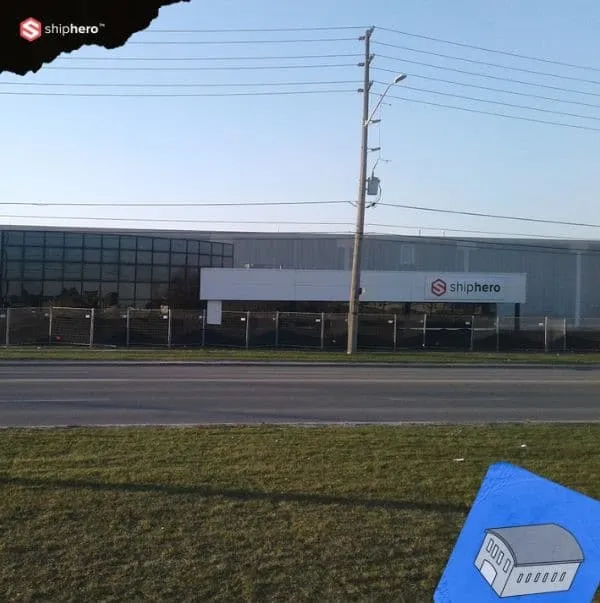
Explore the top 3PL companies in Canada and learn how third-party logistics providers play a vital role in optimizing supply chains. Discover the benefits of partnering with a 3PL, key services offered, and steps to start working with a 3PL in Canada.
.svg)
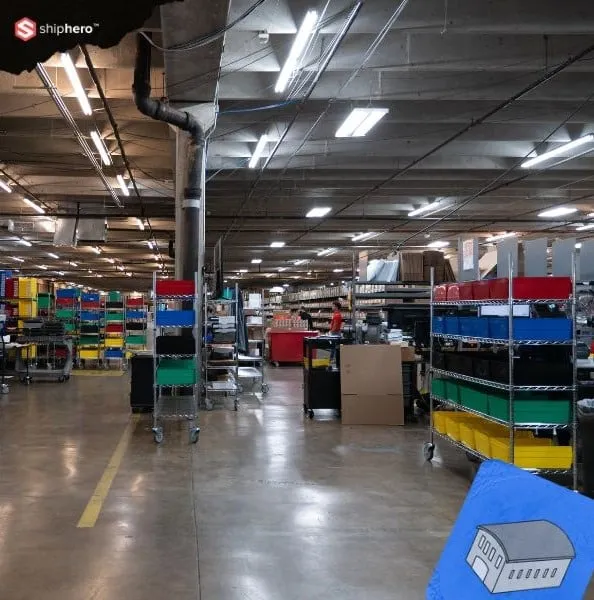
Discover the top 5 best third-party logistics (3PL) companies for your business needs, offering extensive networks, advanced technology, and superior customer service. Learn about the benefits of 3PL services, how to choose the right provider, and avoid common mistakes.
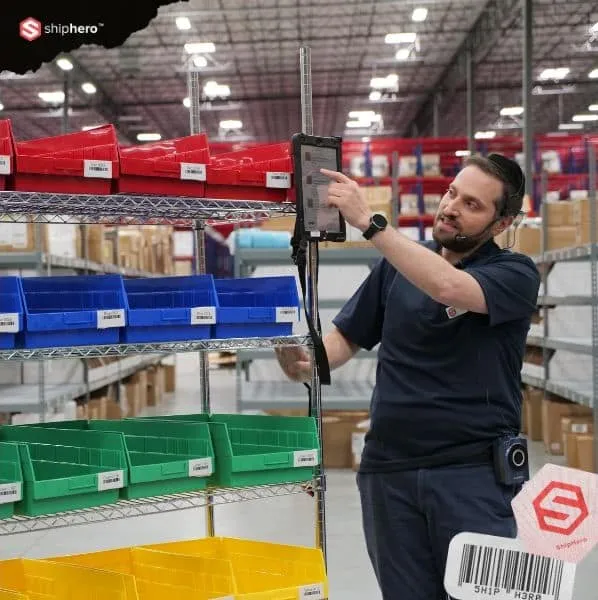
Discover the role, benefits, key features, requirements, and implementation of a 3PL Warehouse Management System (WMS) for optimizing warehouse operations. Learn about scalability, integration, real-time visibility, and customization options to choose the best solution for your business.

At the denser wall, average picking time per order fell from 40 seconds to 13, and orders that ran clean from start to finish rose from 18% to 97%. This is the companion to our Direct Pack + Pack-to-Light case study, from the same research.
On September 1, 2026, Descartes Systems Group announced its acquisition of Extensiv for approximately $120 million. What was announced, what usually follows deals like this, and the questions Extensiv customers should put to their vendor before renewal.



.svg)



.webp)