.svg)

Let’s stay in touch with the ShipHero Blog.


.webp)
Transitioning to a new Warehouse Management System (WMS) is a high-stakes decision that often triggers concerns regarding downtime, data integrity, and workforce adaptation. As warehouses prepare for 2026 growth, understanding these common hurdles—and the technical solutions that resolve them—is essential for a successful migration. This guide addresses the five primary barriers to adoption and how a high-velocity infrastructure ensures a seamless transition.
Warehouse operators frequently hesitate to upgrade due to perceived risks that can halt operations. These challenges typically include:
To clear these hurdles, a structured implementation strategy is used to prioritize data density and entity clarity.
In the competitive eCommerce landscape, staying stagnant with manual workarounds is often more costly than the transition itself. Moving to a high-velocity WMS converts your warehouse from a cost center into a growth engine by providing Labor Efficiency and ROI through automated routing and reduced authentication friction.
Because the platform is built for the floor worker, features like Workforce Hero allow seasonal temps and new staff to be authenticated and productive in under an hour.
No. High-velocity infrastructure increases visibility by providing Total Real-Time Control. Managers can monitor exactly what is in the Hospital queue and track replenishment in real-time from a single dashboard.
Before going live, a ground-up audit is performed using cycle counting tools. The system's architecture ensures that every movement on the floor is synchronized with sales channels instantly, maintaining 99.9% accuracy.
Picture a packer at Peak Season. A box is in front of them, a product in each hand, and somewhere on a cluttered desk there's a mouse they need to find to confirm the order. They look down. They hunt. They click. Then they do it again. Thousands of times a day.
That moment of friction is small. But it is never just one moment. Multiply it across your entire pack line, across an entire shift, and you are looking at a measurable and largely invisible drag on your total throughput.
Tap-to-Pack is a purpose-built hardware controller designed by ShipHero to eliminate digital friction at the packing station. It connects via USB-C, requires no drivers or additional software, and syncs automatically with the ShipHero WMS packing app. This new system is now available at the ShipHero Store.
Instead of navigating a screen with a keyboard and mouse, packers execute every high-frequency command — such as selecting box sizes, printing labels, finalizing orders, flagging exceptions — with a single physical tap on one of eight programmable buttons.
Key specifications:
Most warehouses are running 2026 operations on 1990s peripheral standards. The keyboard and mouse were designed for spreadsheets and emails, not high-volume fulfillment. When used at a packing station, they create three compounding problems:
The problem is not your people. It is the tools you are asking them to use.
Tap-to-Pack introduces a "Rodent-Free" packing standard: a workflow where the packer's hands stay on the product, their eyes stay on the work, and the software fades into the background.
The device guides the packer through two feedback systems:
ShipHero customers running Tap-to-Pack are already seeing a 90% reduction in on-screen interactions and a significant increase in the number of orders packed per hour, without adding headcount or changing their warehouse layout.
One of the hardest challenges in fulfillment is absorbing volume quickly, especially during Peak Season, when temporary staff need to reach target productivity fast.
Because Tap-to-Pack's interface is physical and intuitive, there is almost nothing to teach. Pick up the product, follow the light, tap the button. New packers can reach target productivity in minutes rather than hours.
The system is also modular:
Whether you are a growing DTC brand or a high-volume 3PL, Tap-to-Pack is designed so your hardware never becomes a ceiling on what your team can do.
Tap-to-Pack is a programmable, industrial-grade hardware controller that connects to the ShipHero WMS and allows warehouse packers to execute packing station commands, such as printing labels, selecting boxes, and completing orders. All with a single physical button press, eliminating the need for a keyboard and mouse.
The device connects via USB-C and syncs automatically with the ShipHero WMS packing app. It is a true plug-and-play solution: no drivers, no background software, and no manual configuration required.
Yes. Buttons are configurable for a range of packing actions, including Print Label, Complete Order, Select Box Size, and the Hospital function, which flags a problematic order and keeps the line moving without stopping to resolve it on screen.
The system is fully modular. Connect up to two additional 8-button hubs to the Main Hub for a total of 24 programmable buttons, supporting even the most complex multi-step packing workflows.
Tap-to-Pack devices require ShipHero Packing App v1.0 or higher. The current release is v1.1.0.
Imagine running a warehouse where orders are picked quickly, inventory is accurate, and all operations run smoothly without any errors or delays. Thanks to Artificial Intelligence, this can now become a reality with ease.
AI is transforming warehouse management by enhancing efficiency, intelligence, and the ability to meet the rapid demands of today’s eCommerce-driven market.
ShipHero is pioneering this revolution with its AI-powered warehouse solutions, setting new industry benchmarks. This article explores ShipHero’s AI Picking feature, highlighting how it’s transforming warehouse management and enhancing operational efficiency.
The integration of AI technologies, including machine learning, robotics, and predictive analytics, is revolutionizing warehouse operations, driving significant improvements in efficiency, accuracy, and overall performance. These innovations are optimizing processes across various areas, from inventory management to order fulfillment. Below are the key benefits of AI in warehouse management.
A combination of AI technologies is shaping smarter warehouse systems to help revolutionize warehouse management.
ShipHero has taken AI integration to the next level with its AI Picking feature, designed to significantly improve warehouse efficiency. This feature automates the picking process, reducing the reliance on manual labor and enhancing productivity in ways that were once thought impossible.
Let’s dive deeper into how ShipHero’s AI Picking works and the advantages it offers.
AI Picking optimizes warehouse operations in two key ways:
The AI Picking feature delivers a wide range of benefits:
The transformative power of AI extends far beyond just picking. AI is also revolutionizing other aspects of warehouse management, driving improvements in operational efficiency, inventory management, and safety.
AI automates tasks, reducing errors and increasing speed. Automated sorting and real-time inventory tracking ensure accuracy, while real-time monitoring helps managers adapt and ensure timely deliveries.
AI plays a vital role in maintaining accurate inventory levels. By leveraging predictive analytics, AI can forecast demand and optimize stock levels, helping warehouses avoid both stockouts and overstock situations. This leads to better inventory management and fewer disruptions in supply chains.
AI-driven systems can monitor warehouse conditions to ensure safety and compliance with industry regulations. These systems can analyze warehouse data and predict potential hazards before they occur, proactively reducing risks and ensuring a safer working environment.
AI technologies are playing a transformative role in the supply chain and logistics sectors by improving efficiency, reducing costs, and enhancing decision-making.
These intelligent systems effortlessly manage supply chain processes by using data to optimize operations, predict trends, and automate routine tasks. This ultimately reshapes everything, from how goods are moved to stored and delivered.
The future of warehouse management looks promising with greater automation and efficiency, but future warehouse digitization brings challenges, such as high upfront costs and the need for skilled personnel.
AI-powered drones, autonomous robots, and IoT integration are smart warehouse technologies that are revolutionizing warehouse operations. Drones will deliver goods quickly, while robots automate sorting and transportation, thereby reducing the need for manual labor.
IoT and AI integration will enable real-time monitoring and optimization of operations. Smart technology in warehouses is leading to fully automated systems that are faster, scalable, and need minimal human input.
While AI offers immense benefits, businesses must also consider certain challenges. High initial investments in AI technology, data security concerns, and the need for skilled personnel are just a few of the hurdles that must be addressed.
However, with a strategic approach, companies can eliminate the challenges and embrace AI’s full potential to boost accuracy in picking and improve overall warehouse operations.
AI minimizes error by automating tasks like inventory tracking, order picking, and sorting, ensuring greater accuracy and efficiency.
Yes, AI-driven predictive analytics can predict demand, track inventory levels, and improve supply chain efficiency by forecasting needs with greater accuracy to help businesses stay ahead of trends and market fluctuations.
AI solutions are becoming more cost-effective thanks to cloud-based services and subscription pricing models. These options make AI technology more accessible to small businesses, allowing them to take advantage of its benefits without large upfront costs.
When pallets roll in and loading docks buzz, your warehouse’s receiving process becomes the gatekeeper of inventory accuracy. And if that gate isn’t well-guarded with structure, speed, and oversight, errors slip in.
A mislabeled item here, a damaged shipment there, and suddenly your warehouse faces stock discrepancies, late order fulfillment, or even lost customers.
A warehouse receiving process checklist streamlines receiving operations and ensures compliance across teams, regardless of who’s on shift.
A warehouse receiving process checklist ensures every shipment that enters your facility is properly documented, inspected, and integrated into your inventory system.
Unlike ad hoc or verbal processes, this structured document verifies product condition upon arrival, checks against purchase orders to confirm accuracy, and documents all inspections for future reference.
However, ShipHero’s digital platform already seamlessly integrates this checklist into your system, automating the tracking of goods from the moment they arrive.
Because it captures critical shipment details, a receiving checklist can double as a warehouse audit checklist sample, especially when preparing for performance reviews or inventory audits.
If you’re looking for ways to improve accuracy and accountability, learning how to audit your warehouse with a structured receiving checklist is a great place to start.
A well-structured warehouse receiving process checklist is crucial for ensuring accurate and efficient inventory management. Including the mentioned key components helps streamline the process, reduces errors, and enhances overall warehouse performance.
Here’s what you must include in your checklist to maintain control and accountability:
This anchors the entire inspection. By referencing the purchase order (PO) number, warehouse teams can verify the received goods against the original order, ensuring the correct items and quantities are delivered.
Having the supplier’s full details improves accountability. If there’s a delivery issue, this info helps your team evaluate supplier performance and speed up resolution.
Timestamping each delivery helps you review delivery schedules, track shipment delays, and identify potential gaps in receiving coverage.
Here, staff will assess damage or discrepancies, confirm specifications (e.g., size, color), take photos if needed, and record all inspections in case of claims or audits. An effective inventory audit checklist incorporates these inspection protocols to ensure accuracy from the moment goods arrive.
Listing the material name (e.g., product name, SKU, or description) prevents mix-ups during inventory allocation and ensures all items are accounted for. This also helps your Warehouse Management System (WMS) update stock records correctly.
Identifying who delivered and who received the shipment establishes accountability, helps resolve disputes over damaged or missing items, and ensures proper handoff records.
Maintaining proper documentation, such as packing slips, invoices, and bills of lading, facilitates order reconciliation and supports formal audits and record keeping.
A single receiving error often ripples through the entire warehouse. A structured receiving checklist breaks this cycle by establishing clear protocols that coordinate with supply chain operations and create accountability at every step. It drives big improvements in:
This plays out in real operations. A mid-sized clothing retailer had ongoing issues with stock discrepancies during receipt. However, implementing a standardized receiving checklist significantly reduced the number of missing items and stock inaccuracies.
Employees also appreciated having clear instructions to follow, which reduced confusion and helped maintain a smoother workflow during peak delivery periods.
Before drafting your checklist, take a closer look at your existing receiving workflow. Next, identify any inefficiencies and pinpoint areas that could benefit from more structure and consistency.
Choose the data points you’ll need based on your warehouse flow, system integration, and team size. Include only what’s necessary to document key handoff moments.
You can go with paper, but digital formats (via tablets or mobile apps) are easier to scale. Software-based checklists can instantly update records and integrate with your WMS.
Use inventory management platforms or cloud-based tools to build your checklist. For example, ShipHero’s template system allows you to configure fields, set mandatory requirements, and establish workflow rules that guide staff through the receiving process. This makes sure every receiving action is consistent and auditable.
Train staff to make sure every team member follows standardized procedures. This minimizes human error, especially for new or seasonal workers.
Roll out the checklist during a test period. Assign clear roles (e.g., receiver, inspector), gather feedback, and then launch warehouse-wide. Revisit and refine it quarterly to keep up with operational changes.
Your warehouse receiving checklist works even better when paired with these best practices:
Spacing out deliveries helps reduce bottlenecks and allows teams sufficient time to track inventory levels accurately. It also allows for more accurate inspections.
Keep receiving areas clutter-free and near the entrance. This shortens the time it takes to organize storage locations after goods are received.
Invest in equipment such as barcode scanners, conveyors, or forklifts to speed up receiving operations, especially during peak seasons.
Don’t let broken items enter inventory. Flag them, document the issue, and notify procurement so the issue can be escalated quickly.
By leveraging real-time inventory tracking and barcode scanning, you can eliminate the need for manual checklists, ensuring that every received item is accurately logged. ShipHero automates the entire receiving workflow, reducing human errors and speeding up the process.
Customizable receiving workflows allow you to tailor the system to your warehouse’s specific needs, eliminating the need for paper-based checklists. Improve efficiency, accuracy, and consistency, all with ShipHero’s advanced automation tools.
At least annually, or anytime your business introduces a new product line, supplier, or technology upgrades.
Absolutely. Cross-training builds flexibility, enabling teams to cover for absences and maintain efficiency even during peak periods or periods of high turnover.




Welcome to Episode 9 of We're Just Human! Starting out at the ripe old age of 17, our guest Tance Hughes started his own print on demand business making t-shirts for teams. Since then, he's gone on to found several business starting with Southern Designs. Selling a range of products for the home and business that are manufactured, printed and fabricated in Vidalia, Lousiana.
Tance shares how he started coming from modest beginnings, the journey of building a business that has covered retail, wholesale and DTC, as well as the challenges and opportunities of hiring and growing his businesses in the madness of 2020. My only concern is Tance likes to wake up at 4:30am... :)
The products are really cool too! Check out the maps that are laser cut from metal https://www.cutmaps.com/ as well as some rather lovely home products that have me rethinking my wallpaper strategy https://www.carterandmain.com/
View this post on Instagram
A post shared by ShipHero (@weareshiphero)
If you enjoyed this episode subscribe to our IGTV or YouTube channel to catch the next one.
If you’re interested in being a guest on our new podcast, Objects!, please contact John Wakim at pitch@shiphero.com.
.svg)

Welcome to our Shipping Methods Explained blog series. In this series, we will deep dive into fulfillment methods - that is, how businesses fulfill their online orders and get products to their customers. Sounds simple right? Well, in theory it is. You could hop on your itty-witty bicycle and hand-deliver your product, mission accomplished. But consider the complexity when your company fulfills hundreds to thousands of orders daily, not to mention the skyrocketing shipping costs that could price you out of the market. Managing inventory, navigating each carriers’ specific requirements, calculating the lowest cost from thousands of shipping options… it’s a daunting task. That’s why more and more businesses are outsourcing their fulfillment methods. Are you ready to outsource your fulfillment? Let’s analyze your options to help you decide the best method for your business. In this article, we’ll discuss Dropshipping. What is dropshipping? What are the pros/cons? When is it right for my business? Let’s dive in.(And be sure to check back for future articles where we’ll cover even more fulfillment methods)
Dropshipping is the term used when a product is shipped directly from a manufacturer, supplier, or wholesaler, bypassing the retailer that made the sale entirely.
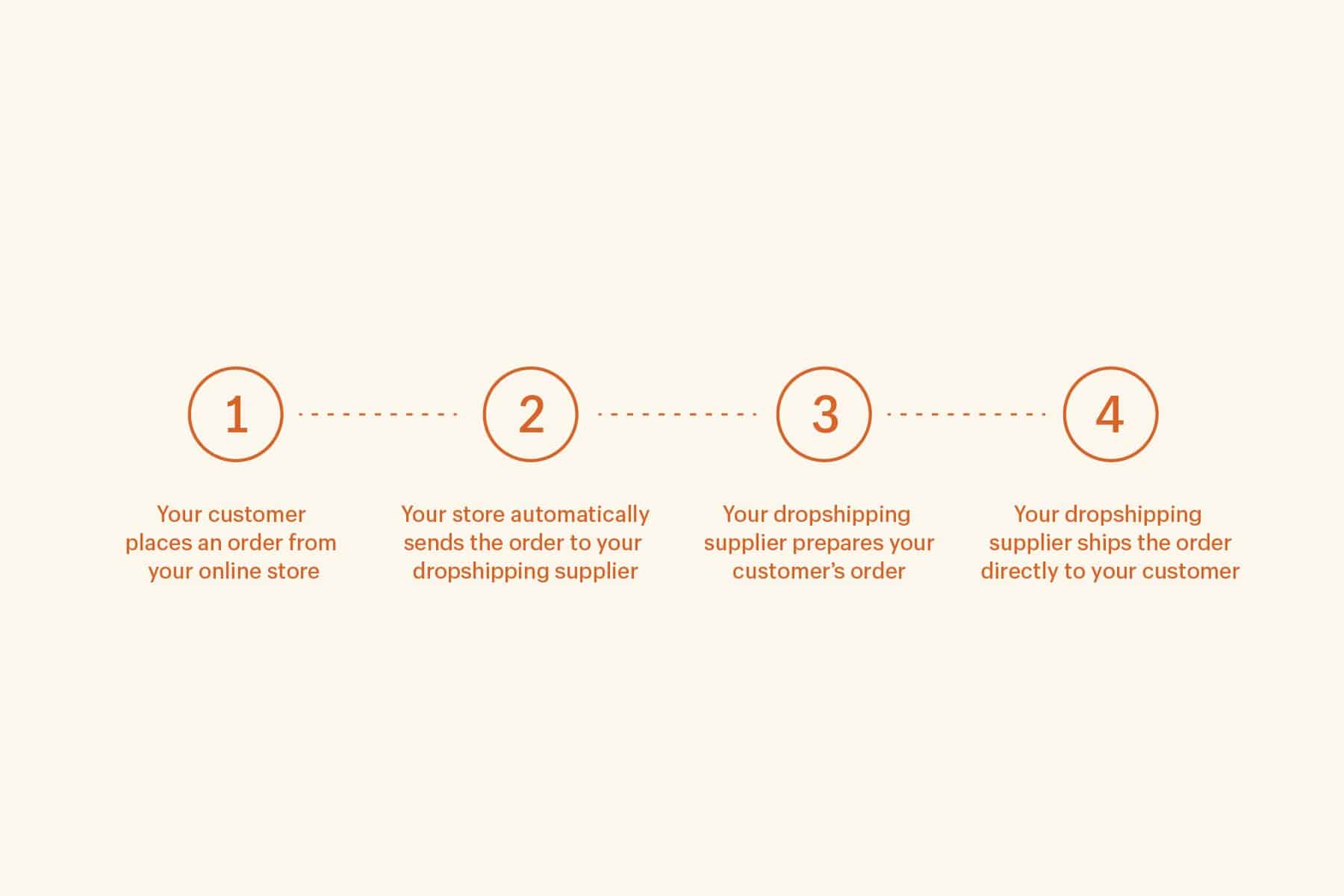
SOURCE: https://www.shopify.com/blog/what-is-dropshipping
Dropshipping businesses are extremely common nowadays, due to the allure of making a passive income matched with the simplicity of setting up a dropshipping business. All it takes is 3 easy steps to get you on your way.Step 1: Choose a Product/NicheThe first step you take in starting a dropshipping business is to choose what you are going to sell. Your product could be a brand new gadget, or a low-cost version of a luxury item, or a luxury version of a low-cost item. As long as there is a market for it, there are no wrong choices here. So do your due diligence and find a product that you think you could sell. ABC… Always be closing.Step 2: Find a Dropshipping SupplierOnce you choose your product, find a dropshipping supplier. You can search a supplier database like Dropship Direct, Alibaba, or AliExpress. (Although be sure to stay up-to-date on news concerning Chinese dropshipping providers)Alternatively, you can use an integrated supplier directory. This means that when you build your online store, say in Shopify (see Step 3), the dropshipper will be linked directly to your online store. Shopify recommends the easiest integration is with the Oberlo marketplace. From here, choose from millions of products and upload them directly to your store. Step 3: Build Your Online StoreAfter you have your product and supplier, have some fun building your online store! This will serve as the grand entrance to your brand. Websites like Shopify, Wix and 3DCart allow you to build your online store from scratch, or select from pre-made templates. When choosing between your options, make sure your choice gives you the ability to easily integrate with your dropshipping supplier.When designing your store, keep in mind who your target audience is, and build your website to reflect their wants and needs. Not just in appearance, but in website functionality. You can turn customers into repeat shoppers through a convenient and fluid shopping experience.
Is dropshipping right for your business? Or would you benefit from a third-party logistics provider or another fulfillment method? Let’s look at the pros and cons of dropshipping so you can decide for yourself.
Dropshipping is the perfect business model for those that want to earn a passive income. It’s simple to start, with little to no cash investment. You can quickly test your ideas with limited risk to you. The three main advantages to dropshipping are:Less Capital is RequiredDropshipping eliminates the need to invest heavily in inventory, warehouse fees, transportation fees, etc. so anybody with a laptop and a dream can start an online business.Able to Offer Wider Range of ProductsWith dropshipping, you don’t have to purchase inventory until the sale is made, which significantly reduces the risk to you. So this gives you freedom to offer a large array of products on your site.Simple to StartWith companies like Shopify that basically make the entire process a drag-and-drop activity, starting an online business has never been easier.
The pros listed above explain why so many people have started an online dropshipping store, and why they use dropshipping to expand their product lines. But for the very same simplicity and low costs that attract these entrepreneurs, dropshipping also presents a set of challenges.Low Profit MarginBecause the barriers to enter the dropshipping market are very low, the competition is fierce. Having many sellers in the market pushes down the cost as they compete with each other. Sure, you can differentiate based on branding, customer service, etc. but at the end of the day, $$$ talks.Little to No CustomizationBecause you are at the will of your supplier, they rarely offer any customization to your products, your packaging, or your unboxing experience. Say you want to make the slightest tweak to the look of your item, or you want to pack it a certain way or in a bundle, this will most likely not be possible. Some Alibaba dropshipping suppliers will accommodate and customize, but even then, they fully control the product and could even turn around and sell your customized goods to the next retailer.Little to No ControlYou entrust the entire fulfillment process to the supplier, and accept the quality of service that they provide. If there are errors or mistakes, you cannot blame your supplier and it will be your brand that pays the price. Maybe not in dollars, but certainly in reputation.So, is dropshipping right for your business? If you’re not sure, stay tuned for our next article as we dive into third-party logistics (3PL) and fulfillment providers like ShipHero.Learn more about ShipHero's industry-leading warehouse management software.
Welcome to Episode 8 of We're Just Human. Think of Marc Kravets as the Liam Neeson of marketing and DTC brand building. An agency CMO industry veteran at companies in New York City & Los Angeles. We discuss the focus on the consumer, building marketing strategies, and how DTC brands are building for the new consumer. Oh and running, lot's of running.
Marc currently mentors teams through @amplify.la
View this post on Instagram
A post shared by ShipHero (@weareshiphero)
If you enjoyed this episode subscribe to our IGTV or YouTube channel to catch the next one.
If you’re interested in being a guest on our new podcast, Objects!, please contact John Wakim at pitch@shiphero.com.
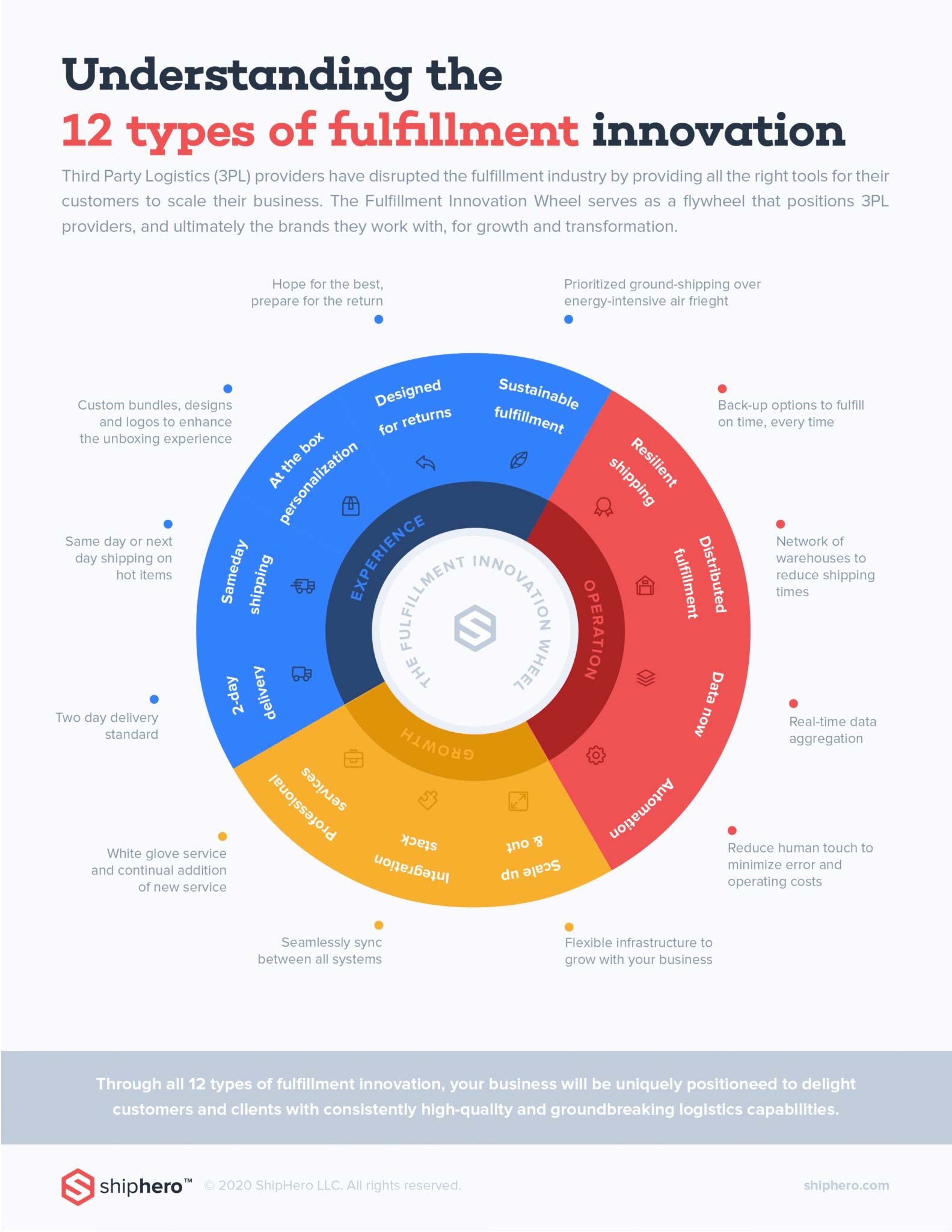
ShipHero recently launched The Fulfillment Innovation Wheel to help 3PLs understand what capabilities and service offerings they need to implement in order to be successful and to help online retailers and brands choose which 3PL is right for them by allowing them to ‘check the boxes’.
The Fulfillment Innovation Wheel listed a set of twelve (12) capabilities that fulfillment providers and logistics companies should implement to continually delight their customers and push themselves towards greater success and innovation.
The twelve capabilities are:
In this article, we will be diving into the Capability #4: Designed for Returns.
And be sure to stay tuned for future articles as we deep-dive into each capability.
Brands and retailers today focus a majority of their efforts on capturing the attention of their customers and closing the sale, collectively spending millions on advertising, social media campaigns, and a sleek, sexy website custom-fitted with a smooth online checkout process. But, what about after the sale?
If that hard-earned customer decides to return your product, which happens about 30% of the time on average, then faces a subpar return experience… well, that customer loyalty goes down the drain right alongside all those advertising dollars burned to get their business.
Plain and simple, customers have come to expect a quick and easy return process. Can’t you just hear them shout “It’s 2021! why can’t this be easier?!” into the ear of your poor customer service rep? That’s why a growing number of businesses, led by Amazon and Walmart eCommerce, have taken the customer-centric approach by offering generous return policies and a frictionless return process.
While this may leave your customers happy, product returns can have an immense impact on conversion rates, on increasing costs, and on complications to your inventory management… without the right returns strategy in place, that is. So how can you offer the return experience your customers have come to expect, without causing serious damage to your margins?
Retailers and brands that outsource their fulfillment need to choose a third-party logistics (3PL) provider that is fully-equipped and ready to offer frictionless returns. So, what does that look like?
The key to frictionless exchanges and returns is automation, paired with generous return policies and clear-cut rules for restocking and inventory management. At ShipHero specifically, we paired with Returnly so that our brands and retailers can offer a seamless, self-service online return experience, complete with a Returns Center and Returnly Credit. Here’s how we make it happen.
Automation
Returnly helps Shiphero users create a fully branded, self-serve return center, complete with all the necessary automation and policy controls to reduce operating costs and give customers all the options they want upfront.
Returnly Credit
Slow refunds make online returns stressful, but online retailers certainly aren’t willing to take the risk of the returned item being unsellable before issuing refunds. So while customers wait, a lengthy refund process with a lack of visibility over refund status could make your customers lose trust in your business. That’s why we offer Returnly Credit.
If a shopper opts for a refund, Returnly offers an instant credit to shop your site while the return is processed. And when you save the sale, Returnly pays for the order so your customer gets the right item before returning the wrong one, completely risk free. This decreases your shipping time and increases the return experience for the customer.
Convert Returns to Repurchases
ShipHero and Returnly seamlessly transfer data to manage and track the return process within ShipHero’s platform. This improved data integration with Returnly makes returns seamless for you and the customer, better positions you to convert returns into repurchases, and saves time and revenue for your business.
Designed for Returns is the capability that can truly make the difference when it comes to customer loyalty and repeat business. So if you are a brand or retailer outsourcing to a 3PL, ensure that they offer a frictionless return process to delight your customers. And if you are a 3PL, having a well-executed return strategy is the best way to handle the ever-growing number of product returns.
Learn more about ShipHero's industry-leading warehouse management software.

Games like Tycoon City, MineCraft and SimCity just don't cut it for this guy… Marc Lore, the head of Walmart eCommerce US, has announced that he is leaving Walmart at the end of January to start a “city of the future” built on a "reformed version of capitalism."
The vision statement for the project reads: “Imagine a city with the vibrancy, diversity and culture of New York City combined with the efficiency, safety and innovation of Tokyo and the sustainability, governance, and social services of Sweden. This will be our New City.” Nobody tell this guy about Disney world...
For starters, each road leading into the city will be stationed with a senior citizen in a blue vest greeting you as you drive in… kidding. Details about the city have not yet been released, but Marc has promised that more information will be released over the coming months.“
This is going to be a lifelong project,” Marc says. “It’s the thing I’m most passionate about.” He plans to write a book and create a TV show to cover his city-building escapades. You can watch him describe his vision in the full interview here.
Marc Lore is a serial entrepreneur that most famously founded Jet.com, a major competitor to Amazon, who then sold it to Walmart for $3 billion USD cash in 2016. He and his executive team arrived at Walmart with inside knowledge of Amazon, having previously sold his company Quidsi, a collection of online shopping sites best known for Diapers.com, to Amazon for around $550 million in 2011.
Since joining, Walmart eCommerce has seen tremendous growth, and Walmart.com became the second biggest ecomm site after Amazon in the US, quickly shedding its past reputation as an ancient relic in the new digital age of commerce.
No. Walmart president and CEO Doug McMillon announced to the company that Marc will remain a partner and advisor for the company.
Aaaaaand they’re off! Our 46th President Joe Biden and our 49th VP Kamala Harris didn’t waste any time on their first day in office. President Biden signed at least 17 executive directives on things like COVID-19, the economy, climate change, and racial inequality.
Notably, Biden rejoined the Paris climate deal, while disallowing the permit for the Keystone XL pipeline. He also placed a mask mandate on all federal property, and issued to Americans a challenge… not to dump ice water on your heads or inhale a spoonful of cinnamon, but instead to mask up for 100 days. Sounds do-able.
As for the inauguration ceremony, Lada Gaga with such beauty and grace kicked off the 2021 Hunger Games.

At the same time, Bernie kicked off a global fashion craze. Our professional advice for the fashion and accessory industry is that people will be going gaga over giant brooches and earth-tone plaid print gloves.

A growing number of grocers are offering their employees paid incentives to get vaccinated against COVID-19.
This week, Aldi announced to employees that they would receive compensation for getting vaccinated, two hours of pay for each of the two vaccine doses and that they would be paid their hourly wage on top of that. Not a bad deal.
Aldi joins the ranks of Trader Joe’s, Dollar General, Instacart, and others that are incentivizing their employees to get the vaccine.
"Providing accommodations so employees can receive this critical vaccine is one more way we can support them and eliminate the need to choose between earning their wages and protecting their well-being," said Jason Hart, CEO of Aldi U.S.
It’s no secret that today’s world of ecommerce is changing rapidly. Third party logistics (3PL) and fulfillment providers that don’t find a way to keep up with, if not surpass, the pace of growth during this ecommerce boom is at serious risk of getting left behind.
That’s why we invented The Fulfillment Innovation Wheel: a list of twelve capabilities and service offerings that 3PLs need to implement in order to be successful, as well as the capabilities and service offerings that retailers and brands should look for when partnering with a 3PL.
Stay tuned as we break down each of the twelve capabilities, starting with Designed for Returns.
We are reaching out to our Packet community. Would you like to share with us stories about your ecommerce experiences, whether it’s how you started your business, what opinions you have on the stories we share, or if you just feel like venting… we’re here for you.
Email us at thepacket@shiphero.com and you could be featured on an upcoming edition of The Packet, or if you’re lucky, you could be invited to join one of our many Podcast episodes or featured on our Blog!
Check out the packets you missed here and Subscribe below so you don't miss the next one!
Welcome to another episode of We're Just Human! Podcast (late night!), we discuss quality assurance science (yes, Robert is our first scientist, no biggie), skydiving with grandma (as you do) and working with local and national foundations coaching baseball to kids and helping those in your community.
View this post on Instagram
A post shared by ShipHero (@weareshiphero)
If you enjoyed this episode subscribe to our IGTV or YouTube channel to catch the next one.
If you’re interested in being a guest on our new podcast, Objects!, please contact John Wakim at pitch@shiphero.com.
Welcome to episode 6 (my lucky number), where I, Nicholas, convince interesting people to answer a bunch of somewhat random questions in ecommerce, business and life.
Episode 6 features Jessica Thiele Johnson, Marketing Director for VL Omni (we were scheduled to talk with Torrey Lapenskie, however, he had beard problems). We talk about a few nerdy data topics including the common platform integration issues that VL Omni has set out to solve with a dedicated team of specialists and technology platform built for multichannel merchants in retail and digital.
View this post on Instagram
A post shared by ShipHero (@weareshiphero)
If you enjoyed this episode subscribe to our IGTV or YouTube channel to catch the next one.
If you’re interested in being a guest on our new podcast, Objects!, please contact John Wakim at pitch@shiphero.com.
It’s no secret that today’s world of ecommerce is changing rapidly. Third party logistics (3PL) and fulfillment providers that don’t find a way to keep up with, if not surpass, the pace of growth during this ecommerce boom is at serious risk of getting left behind.
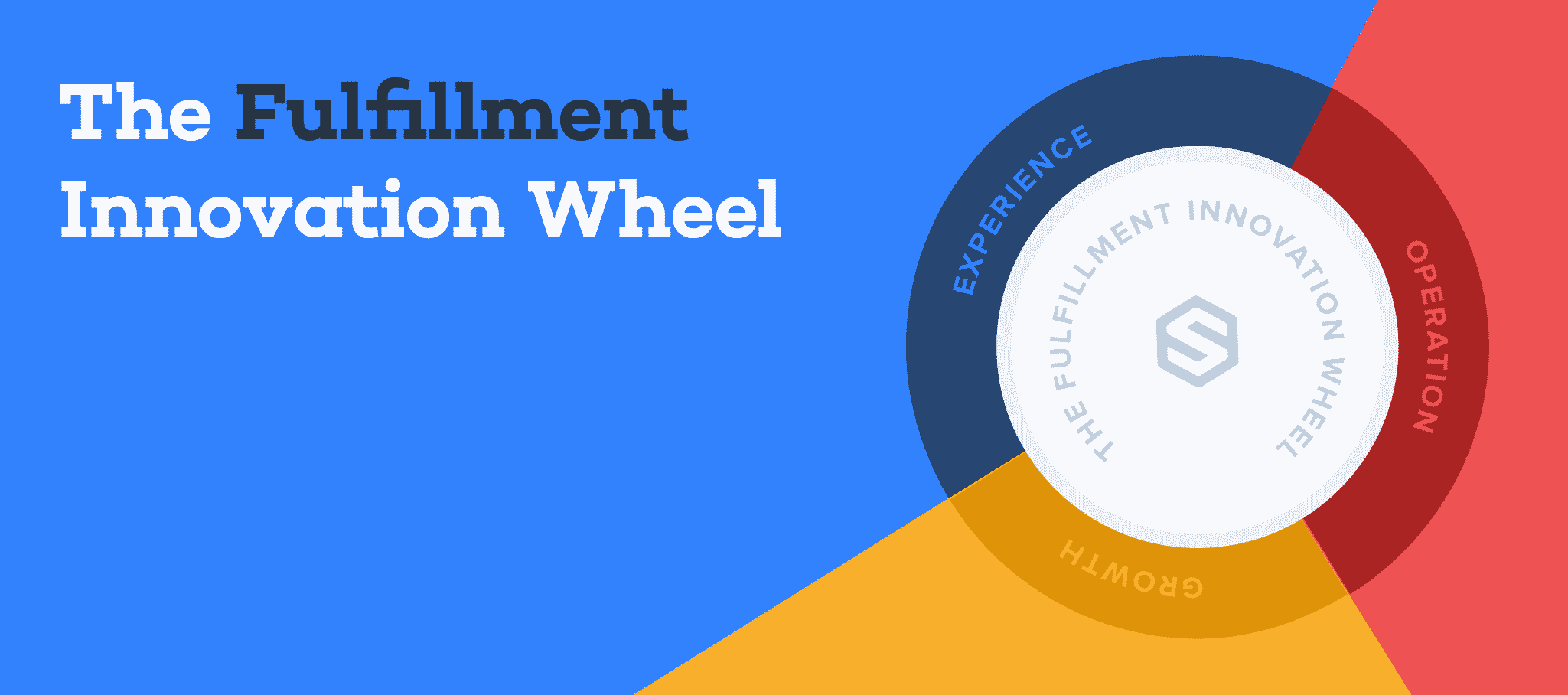
That’s why we invented The Fulfillment Innovation Wheel: to help 3PLs understand what capabilities and service offerings they need to implement in order to be successful, and to help online retailers and brands choose which 3PL is right for them by allowing them to ‘check the boxes’.
We studied the most successful 3PLs and fulfillment providers in the industry to understand what sets them apart. The answer was that they understood their mission, and they used this set of 12 capabilities as a flywheel to continually delight their customers and push themselves towards greater success and innovation.
Each and every 3PL we observed invested heavily in certain capabilities like personalization, delivery speed or frictionless returns, but always satisfied their client’s basic requirements for every capability on the flywheel. And always, the main focus was on Customer Experience, Growth and Scalability, and Operational Excellence.
Without further ado, we present The Fulfillment Innovation Wheel!
To view all blogs in this series, click the links below:
Learn more about ShipHero's industry-leading warehouse management software.
Welcome to our fourth episode of We're Just Human, a short format sort of show that features mostly sane people talking about mostly interesting things and the things we're all dealing with in this thing called life.
Episode 4 features Amber Nore of snapchat fame, who covers many projects, works in retail, hosts several shows including Tea & Tomes as well as sings with a band. The more of these episodes we do, the more I realize just how boring I am!
In this episode we cover more random topics centered around social media, working in retail, raising your fam while working in retail, and living to learn, grow and enjoy your passions while helping others in this big wide world.
You can connect with and learn more about Amber on twitter, Instagram, and of course, snapchat @ambercamille76
View this post on Instagram
A post shared by ShipHero (@weareshiphero)
If you enjoyed this episode subscribe to our IGTV or YouTube channel to catch the next one.
If you’re interested in being a guest on our new podcast, Objects!, please contact John Wakim at pitch@shiphero.com.
Welcome to our third episode of We're Just Human, a short format sort of show that features mostly sane people talking about mostly interesting things and the things we're all dealing with in this thing called life.
Episode 3 features Jilea Hemmings, who, amongst many other accomplishments is a podcaster, magazine contributor and founder of several startups focusing on health, commerce and career development including Leaf Tyme a cannabis health tech startup, Greenie Tots - meatless meals for kids, Stretchy Hair Care, Green Nyle and is also co-founder of Nourish + Bloom Market which is re-envisioning the traditional corner store and retail experience for small business.
In this episode we cover more random topics centered around entrepreneurship, managing multiple priorities, learning as you build, and all about building out a new kind of retail experience in the wake of the changes in how people shop and buy.
View this post on Instagram
A post shared by ShipHero (@weareshiphero)
If you enjoyed this episode subscribe to our IGTV or YouTube channel to catch the next one.
If you’re interested in being a guest on our new podcast, Objects!, please contact John Wakim at pitch@shiphero.com.



.svg)