
.svg)

Let’s stay in touch with the ShipHero Blog.


.webp)
The ShipHero Model Context Protocol (MCP) connects supported AI clients directly to your live ShipHero data, so warehouse teams can ask questions and get specific answers from their own account. It is built for day-to-day operational checks, including inventory levels, open orders, shipment status, holds, returns, purchase orders, and exceptions. For ShipHero customers, it is available at no additional charge and runs on existing API credits.
Every order, shipment, inventory movement, hold, return, and purchase order creates data inside ShipHero. Your warehouse information is right there, but getting to it can be a slow, complex process.
Before the ShipHero MCP, answering a specific operational question often meant logging in, finding the right report, applying the right filters, exporting data, or asking the one person on the team who knew where to look.
Even when the answer was simple, like a quick inventory check, it could turn into a 20 to 45 minute task. A customer question could sit half a day while someone pulled the right numbers. That delay adds friction to the floor. It slows decisions. It keeps teams waiting on data they already own.
The ShipHero MCP gives supported AI clients secure, read-only access to live ShipHero data.
That means operators can ask questions in plain English and get answers from their actual account, not from a generic help article or static knowledge base. A chatbot can tell you where to find a number. The ShipHero MCP can return the number itself.
It works with MCP-enabled AI clients, including Claude, ChatGPT, Cursor, and Codex. Connect it once, authenticate access, and your team can start asking operational questions from the AI tool they already use.
The workflow is simple:
The MCP does not replace ShipHero. It makes the data inside ShipHero easier to reach when your team needs a fast answer.
The ShipHero MCP is designed for everyday operational questions, such as:
If the data lives in your ShipHero account, the MCP gives your team a faster way to ask for it.
Speed matters, but safety matters too.
The ShipHero MCP is read-only by design. It can retrieve information from your account, but it cannot create orders, modify records, delete data, or change warehouse settings.
That gives teams a practical way to use AI for operational visibility without risking accidental account changes. Operators can ask. Managers can check. 3PL teams can answer client questions faster.
The data becomes easier to use, while the records stay protected.
For founders, the MCP can turn a quick inventory check into a simple question.
For operations leads, it can surface shipment status, holds, exceptions, and low-stock SKUs without digging through reports.
For 3PL operators, it can help answer client questions faster, using live account data instead of manual follow-up.
The result is a faster way to reach the information already inside ShipHero.
The ShipHero MCP is available to all ShipHero customers at no additional charge. It runs on existing API credits, so specific questions help keep usage efficient.
To get started, visit developer.shiphero.com or contact your ShipHero account representative.
ShipHero MCP is a read-only connection between supported AI clients and your live ShipHero data. It lets users ask operational questions in plain English and receive answers from their actual ShipHero account.
A chatbot usually answers from fixed, generic information. ShipHero MCP connects to live account data, so it can return specific answers about your orders, shipments, inventory, holds, returns, and other ShipHero records.
ShipHero MCP works with AI clients that support the Model Context Protocol, including Claude, ChatGPT, Cursor, and Codex.
No. ShipHero MCP is read-only. It can query data, but it cannot create, update, or delete records in your ShipHero account.
No. The MCP is built for operators and can be connected from a supported AI client in minutes. Developers may use more advanced tools for deeper analysis, but most day-to-day users can work directly with the MCP.
Yes. ShipHero MCP is available to ShipHero customers at no additional charge and runs on existing API credits.
Transitioning to a new Warehouse Management System (WMS) is a high-stakes decision that often triggers concerns regarding downtime, data integrity, and workforce adaptation. As warehouses prepare for 2026 growth, understanding these common hurdles—and the technical solutions that resolve them—is essential for a successful migration. This guide addresses the five primary barriers to adoption and how a high-velocity infrastructure ensures a seamless transition.
Warehouse operators frequently hesitate to upgrade due to perceived risks that can halt operations. These challenges typically include:
To clear these hurdles, a structured implementation strategy is used to prioritize data density and entity clarity.
In the competitive eCommerce landscape, staying stagnant with manual workarounds is often more costly than the transition itself. Moving to a high-velocity WMS converts your warehouse from a cost center into a growth engine by providing Labor Efficiency and ROI through automated routing and reduced authentication friction.
Because the platform is built for the floor worker, features like Workforce Hero allow seasonal temps and new staff to be authenticated and productive in under an hour.
No. High-velocity infrastructure increases visibility by providing Total Real-Time Control. Managers can monitor exactly what is in the Hospital queue and track replenishment in real-time from a single dashboard.
Before going live, a ground-up audit is performed using cycle counting tools. The system's architecture ensures that every movement on the floor is synchronized with sales channels instantly, maintaining 99.9% accuracy.
Picture a packer at Peak Season. A box is in front of them, a product in each hand, and somewhere on a cluttered desk there's a mouse they need to find to confirm the order. They look down. They hunt. They click. Then they do it again. Thousands of times a day.
That moment of friction is small. But it is never just one moment. Multiply it across your entire pack line, across an entire shift, and you are looking at a measurable and largely invisible drag on your total throughput.
Tap-to-Pack is a purpose-built hardware controller designed by ShipHero to eliminate digital friction at the packing station. It connects via USB-C, requires no drivers or additional software, and syncs automatically with the ShipHero WMS packing app. This new system is now available at the ShipHero Store.
Instead of navigating a screen with a keyboard and mouse, packers execute every high-frequency command — such as selecting box sizes, printing labels, finalizing orders, flagging exceptions — with a single physical tap on one of eight programmable buttons.
Key specifications:
Most warehouses are running 2026 operations on 1990s peripheral standards. The keyboard and mouse were designed for spreadsheets and emails, not high-volume fulfillment. When used at a packing station, they create three compounding problems:
The problem is not your people. It is the tools you are asking them to use.
Tap-to-Pack introduces a "Rodent-Free" packing standard: a workflow where the packer's hands stay on the product, their eyes stay on the work, and the software fades into the background.
The device guides the packer through two feedback systems:
ShipHero customers running Tap-to-Pack are already seeing a 90% reduction in on-screen interactions and a significant increase in the number of orders packed per hour, without adding headcount or changing their warehouse layout.
One of the hardest challenges in fulfillment is absorbing volume quickly, especially during Peak Season, when temporary staff need to reach target productivity fast.
Because Tap-to-Pack's interface is physical and intuitive, there is almost nothing to teach. Pick up the product, follow the light, tap the button. New packers can reach target productivity in minutes rather than hours.
The system is also modular:
Whether you are a growing DTC brand or a high-volume 3PL, Tap-to-Pack is designed so your hardware never becomes a ceiling on what your team can do.
Tap-to-Pack is a programmable, industrial-grade hardware controller that connects to the ShipHero WMS and allows warehouse packers to execute packing station commands, such as printing labels, selecting boxes, and completing orders. All with a single physical button press, eliminating the need for a keyboard and mouse.
The device connects via USB-C and syncs automatically with the ShipHero WMS packing app. It is a true plug-and-play solution: no drivers, no background software, and no manual configuration required.
Yes. Buttons are configurable for a range of packing actions, including Print Label, Complete Order, Select Box Size, and the Hospital function, which flags a problematic order and keeps the line moving without stopping to resolve it on screen.
The system is fully modular. Connect up to two additional 8-button hubs to the Main Hub for a total of 24 programmable buttons, supporting even the most complex multi-step packing workflows.
Tap-to-Pack devices require ShipHero Packing App v1.0 or higher. The current release is v1.1.0.
Imagine running a warehouse where orders are picked quickly, inventory is accurate, and all operations run smoothly without any errors or delays. Thanks to Artificial Intelligence, this can now become a reality with ease.
AI is transforming warehouse management by enhancing efficiency, intelligence, and the ability to meet the rapid demands of today’s eCommerce-driven market.
ShipHero is pioneering this revolution with its AI-powered warehouse solutions, setting new industry benchmarks. This article explores ShipHero’s AI Picking feature, highlighting how it’s transforming warehouse management and enhancing operational efficiency.
The integration of AI technologies, including machine learning, robotics, and predictive analytics, is revolutionizing warehouse operations, driving significant improvements in efficiency, accuracy, and overall performance. These innovations are optimizing processes across various areas, from inventory management to order fulfillment. Below are the key benefits of AI in warehouse management.
A combination of AI technologies is shaping smarter warehouse systems to help revolutionize warehouse management.
ShipHero has taken AI integration to the next level with its AI Picking feature, designed to significantly improve warehouse efficiency. This feature automates the picking process, reducing the reliance on manual labor and enhancing productivity in ways that were once thought impossible.
Let’s dive deeper into how ShipHero’s AI Picking works and the advantages it offers.
AI Picking optimizes warehouse operations in two key ways:
The AI Picking feature delivers a wide range of benefits:
The transformative power of AI extends far beyond just picking. AI is also revolutionizing other aspects of warehouse management, driving improvements in operational efficiency, inventory management, and safety.
AI automates tasks, reducing errors and increasing speed. Automated sorting and real-time inventory tracking ensure accuracy, while real-time monitoring helps managers adapt and ensure timely deliveries.
AI plays a vital role in maintaining accurate inventory levels. By leveraging predictive analytics, AI can forecast demand and optimize stock levels, helping warehouses avoid both stockouts and overstock situations. This leads to better inventory management and fewer disruptions in supply chains.
AI-driven systems can monitor warehouse conditions to ensure safety and compliance with industry regulations. These systems can analyze warehouse data and predict potential hazards before they occur, proactively reducing risks and ensuring a safer working environment.
AI technologies are playing a transformative role in the supply chain and logistics sectors by improving efficiency, reducing costs, and enhancing decision-making.
These intelligent systems effortlessly manage supply chain processes by using data to optimize operations, predict trends, and automate routine tasks. This ultimately reshapes everything, from how goods are moved to stored and delivered.
The future of warehouse management looks promising with greater automation and efficiency, but future warehouse digitization brings challenges, such as high upfront costs and the need for skilled personnel.
AI-powered drones, autonomous robots, and IoT integration are smart warehouse technologies that are revolutionizing warehouse operations. Drones will deliver goods quickly, while robots automate sorting and transportation, thereby reducing the need for manual labor.
IoT and AI integration will enable real-time monitoring and optimization of operations. Smart technology in warehouses is leading to fully automated systems that are faster, scalable, and need minimal human input.
While AI offers immense benefits, businesses must also consider certain challenges. High initial investments in AI technology, data security concerns, and the need for skilled personnel are just a few of the hurdles that must be addressed.
However, with a strategic approach, companies can eliminate the challenges and embrace AI’s full potential to boost accuracy in picking and improve overall warehouse operations.
AI minimizes error by automating tasks like inventory tracking, order picking, and sorting, ensuring greater accuracy and efficiency.
Yes, AI-driven predictive analytics can predict demand, track inventory levels, and improve supply chain efficiency by forecasting needs with greater accuracy to help businesses stay ahead of trends and market fluctuations.
AI solutions are becoming more cost-effective thanks to cloud-based services and subscription pricing models. These options make AI technology more accessible to small businesses, allowing them to take advantage of its benefits without large upfront costs.




What is a third-party logistics provider (3PL) and how could it improve your business? In a world of continual shipping restraints and high customer expectations, a 3PL could be your solution. Below we will detail exactly what you can expect from using a 3PL and the benefits you’ll gain when using one for your business. Let’s dive in!
A 3PL is a company that offers outsourced logistics and supply chain management services to businesses. These services can include transportation, warehousing, inventory management, and other related functions. When contracting with 3PLs you are provided a cost-effective solution for companies that do not want to invest in their own logistics infrastructure, allowing them to focus on their core competencies. Have you ever felt unsure of what to do next when you encounter a logistical problem? That’s another area 3PLs can help. They often have specialized expertise and technology so you can optimize your supply chain operations and improve efficiency.
The infrastructure within a 3PL is rather impressive. They have poured their revenue into streamlining logistical operations with technology many others couldn’t afford to utilize if they tried to create their own logistics infrastructure.
With this infrastructure, they utilize a wide range of processes and resources to manage logistics and supply chain operations for their clients. These processes can include:
To support these processes, 3PLs often invest in sophisticated technology. These technologies allow them to automate and streamline logistics operations, so they can provide real-time visibility into inventory levels, delivery schedules, and other key metrics to their clients. Often, they will also utilize a wide range of resources, such as a fleet of vehicles, warehouses, and equipment, to support their logistical processes. These technologies and resources work in tandem with a skilled workforce that includes logistics experts, transportation planners, warehouse managers, and inventory analysts who work to optimize their client's supply chain operations.
Lastly, a main part of most 3PL processes includes working closely with their clients to understand their specific logistical needs and to develop customized solutions that align with their business goals. They also continuously monitor and analyze logistics trends and market conditions to identify opportunities for cost savings and process improvements. Basically, they are like a logistics superhero your business can call upon to make their logistical operations as efficient as possible!
When you're setting up your business with a 3PL provider, they'll need some basic information from you in order to get things moving. They'll need to know all about the products you're shipping, like their dimensions, weights, and any special handling requirements. They'll also want to know your current and projected shipping volume, so they can plan accordingly. Additionally, they'll need to know your preferred shipping methods and carrier preferences, and any specific delivery requirements, restrictions, or compliance requirements you might have.
Third-party logistics is a service in which a company outsources its logistics and distribution functions to a third-party provider. This provider takes on the responsibility for all or some of the company's logistics operations, such as transportation, warehousing, and distribution.
Order fulfillment, on the other hand, refers to the process of receiving, processing, and delivering customer orders. This process includes tasks such as receiving the order, picking and packing the items, and shipping the order to the customer. Order fulfillment can be handled by a company's own logistics and distribution team or by a third-party provider.
In summary, 3PL is a broader term that encompasses all logistics and distribution functions, while order fulfillment is a specific aspect of logistics that refers to the process of fulfilling customer orders. A company may use a 3PL provider for both logistics and order fulfillment, or it may handle logistics in-house and use a separate 3PL provider for order fulfillment.
Third-party logistics companies offer a wide range of benefits over traditional drop shipping methods. One of the biggest benefits of 3PL services is the level of control and visibility they provide. With a 3PL provider, businesses have real-time access to inventory levels, shipping costs and information, and other logistics data, allowing them to make informed decisions about their entire supply chain. This level of control and visibility is often not possible with drop shipping, where businesses may have limited visibility into the logistics process. 3PL providers also bring specialized knowledge and expertise in logistics and supply chain management. They have the resources, technology and experience to optimize the entire logistics process, which can result in cost savings, improved efficiency, and increased competitiveness in the market.
Are you tired of spending countless hours and resources managing logistics and supply chain operations for your business? Are you looking for a way to streamline your logistics processes and improve efficiency? Then look no further than third-party logistics.
By outsourcing logistics and supply chain management to a 3PL, you can free up valuable time and resources to focus on your business's core competencies. A 3PL can handle the transportation, warehousing, and inventory management on your behalf, allowing you to focus on growing your business.
They can also help you save money by finding more cost-effective solutions for logistics and supply chain management. They have the expertise and technology to optimize logistics operations and improve efficiency, which can result in significant cost savings for your business.
Moreover, a 3PL can help you improve delivery times and increase customer satisfaction by optimizing logistics operations to meet customer demands. They can also help you improve inventory management by implementing inventory management systems that provide real-time visibility into inventory levels and stock management.
By outsourcing logistics and supply chain management, you can also take advantage of their networks of resources, such as transportation and warehousing facilities, and their skilled workforce, which includes logistics experts, transportation planners, and inventory analysts. Partnering with a 3PL will help your business grow. Instead of spending precious time and revenue packing orders, you can get those same orders to your clients faster and cheaper!
Here are several signs that indicate a business could benefit from using a third-party logistics provider:
If any of these sound familiar, your business will absolutely benefit from a third-party logistics solution!
Are you curious about the inner workings of a 3PL fulfillment center? It can be difficult to understand the process if you're new to outsourcing shipping. But the truth is, the 3PL fulfillment process is not as mysterious as it may seem. Let’s dive into the ins and outs of what happens in a 3PL eCommerce warehouse from the moment a customer clicks “submit order” on your online store to the final delivery.
An eCommerce platform is the software that powers your online store. Many 3PL companies have an eCommerce platform integration that will connect seamlessly with your store. This means when a customer is ready to check out and provides their billing and shipping information, this information is then processed by your 3PL partner. It goes to the fulfillment center where it is received and the order begins its journey.
As the 3PL provider begins to check the inventory for the order they will often consult inventory management software which is usually connected to both your eCommerce platform and your overall inventory. That way the 3PL provider can know right away if the product is available, and can update stocking levels for you both to view.
Once the inventory is confirmed, the 3PL provider's team will pick the items from the warehouse shelves. They use barcode scanning or other identification methods to ensure that they are picking the correct items and quantities. After the items are picked, they are packed and prepared for shipment. This may include packaging the items in protective material, creating shipping labels and invoices, and any other necessary preparation for shipping. After the order is packed, the 3PL provider will ship the order to the customer using the shipping method specified on the order. The 3PL provider may also provide tracking information to the customer so they can track their order during transit.
To achieve same-day shipping, a 3PL company requires a combination of strategic warehouse locations, fast and efficient order processing, real-time inventory management, expedited shipping options, and effective communication with the customer. Having strategically located warehouses that are close to major population centers allows the 3PL provider to quickly and efficiently ship items to customers within a certain radius. To achieve same-day shipping, the 3PL provider typically offers expedited shipping options such as overnight delivery or express shipping.
When a customer initiates a return, the 3PL provider will typically receive the returned product and inspect it to make sure it's in good condition. If there's an issue with the product, the 3PL provider will contact the customer to resolve it. Once the return is approved, the 3PL provider will then process the return by updating the inventory, and if necessary, restocking the product.
Convinced yet? We know now that 3PLs stand out from other logistical solutions because they offer tailored solutions, specialized expertise, scalability, sophisticated technology, access to resources and handle reverse logistics processes. Plus they work closely with their clients to understand their specific logistics needs and develop customized solutions that align with their business goals. Which means you have more time to become the next big thing!
The main role of a 3PL is to handle the logistics functions that a company does not want to handle or cannot handle in-house. This can include transportation, warehousing, and distribution, as well as other logistics-related services such as inventory management, order fulfillment, and reverse logistics. By outsourcing logistics and distribution to a 3PL provider, a company can focus on its core competencies and business operations. This can help the company to save costs, improve efficiency, and increase its competitiveness in the market.
There are four types of 3PLs. First-party logistics (1PL) refers to in-house transportation services where a company handles its own logistics and distribution functions without the involvement of any additional parties, such as a florist using their own delivery van to drop off purchases to local buyers. Second-party logistics (2PL) involves the use of outside logistics providers, such as courier services like USPS, FedEx, or UPS, which are not integrated with the company when contracted. Third-party logistics companies create an integrated system that allows for real-time data sharing between the company and the 3PL, resulting in a streamlined, efficient, and reliable long-term solution in complete synchronicity with the business. Fourth-party logistics (4PL) is much like a 3PL, but logistically the company's relationship with the consumer is often brokered by a middleman.
.svg)
The third-party logistics (3PL) environment refers to everything in a 3PL company, from its activities and manpower to its software. Business owners who work with third-party logistics providers should know what goes on in the 3PL environment because it helps them decide whether a 3PL company is right for them.
Read on to learn more about the 3PL environment and what third-party logistics operations providers do.
A 3PL environment is everything that makes up a 3PL company’s business and activities. The 3PL environment encompasses logistics activities, warehouse and other logistics personnel as well as software. Third-party logistics operations providers can improve their 3PL environment by upgrading their tools, manpower and business processes.
Third-party logistics companies offer various storage and order fulfillment services to their clients. Most of the time, they take over the client’s entire logistics operations from receiving to shipping. Some even handle customer returns on behalf of the client.
Business owners who don’t have the manpower or budget to handle their own warehousing operations should consider outsourcing logistics functions to a 3PL.
By outsourcing order fulfillment to a 3PL, you won't have to spend lots of time and money to fund warehouse operations or hire a logistics team to run an in-house fulfillment division. Instead, you can have a vendor send finished products to the 3PL company’s fulfillment centers, and the team there will handle everything.
Another reason to outsource your fulfillment logistics to a 3PL service provider is sustainability. Current sustainability trends in third-party logistics and the market at large mean you may need to minimize the environmental impact of your business to attract customers. Many 3PL companies now offer eco-friendly logistics processes to ensure businesses can stay true to their sustainability promises and reduce their carbon footprint.
The main benefit of working with a 3PL is workload reduction since the company takes over your logistics processes. Logistics in the supply chain are complicated, so you want to find a comprehensive solution that meets your needs. Here are some other benefits of working with 3PL companies:
Order fulfillment is a complex task, and learning to do it in-house is challenging. Working with third-party logistics service providers gives you access to their expertise and experience. In some cases, 3PL partners can be logistics consultants that help you improve your supply chain and logistics processes.
Leasing a warehouse, hiring and training logistics personnel, buying storage equipment and other order fulfillment functions result in high overhead costs. Instead of handling all of those tasks yourself, a 3PL can take over all of them on your behalf – all you need to do is pay their subscription fees. You can then use the time and extra cost savings to develop other business core competencies.
Third-party logistics providers are popular with businesses looking to scale because they can greatly expand your reach. They often operate multiple fulfillment centers across the country or even globally, helping your business sell to more people in other regions and countries.
The main difference between 3PL and Fourth-Party Logistics Providers (4PL) is their scope of work. 3PLs only take over your order fulfillment, while 4PLs take control of your entire supply chain management process. 4PLs also have more power over your business processes since they’re more like partners than vendors.
In addition to 3PL and 4PL, there’s also 2PL, which essentially involves shipping carriers or freight forwarding services. You’re still responsible for handling all inventory, warehousing and logistics processes except for shipping.
There are many differences between 2PL, 3PL and 4PL. Each logistics outsourcing option offers differing levels of services, so do some research before picking the type of logistics provider to work with.
Most 3PLs in the logistics service industry follow a similar order fulfillment process to get products to your customer base. Here’s an overview of how 3PL order fulfillment works:
3PL warehousing is one of the main services a third-party logistics provider offers. The company provides warehouse space in its fulfillment centers, and you can ask vendors or manufacturers to send items there.
The 3PL order fulfillment process starts with receiving or accepting inventory items and storing them in the warehouse. Different third-party logistics providers have different receiving procedures, but it generally entails letting the 3PL provider know that your products are coming so they can prepare the storage space for them.
Picking happens when a customer places an order on your eCommerce storefront. 3PL companies usually offer integrations with online storefronts, so they’ll receive the order as soon as the customer pays for their shopping cart. The warehouse crew will create a picking list of what items the customer needs, collect them and prepare for shipping.
When everything on the picking list is picked, the warehouse crew will pack them securely. Some 3PL providers offer packing methods like cardboard boxes, bubble mailers, poly bags and more.
Once everything is packed, the third-party logistics service provider will print shipping labels and send the items off to shipping carriers to send. Third-party logistics providers usually have a carrier partner they frequently work with. However, some have a selection of carriers or freight forwarders that you can choose from based on which one offers the best rates and makes timely deliveries.
Third-party logistics providers can also help you handle product returns. This usually happens when customers receive the wrong items or defective products. Having your 3PL partner handle returns means you don’t have to spend as much on customer service expenses, helping you raise customer satisfaction at a lower cost.
Some 3PL companies may offer other services beyond order fulfillment. Here are some useful 3PL services to look for if you want to level up your logistics operations:
Inventory management is a system companies use to ensure balanced stock levels at all times – not too much, not too little. 3PL companies can help regulate your stock by advising you on when to send in new products, keeping the inventory levels at their warehouse optimal.
3PL companies with multiple distribution centers or warehouses often offer distributed inventory. This means your items will be spread out across the company’s distribution centers, and your 3PL partner will contact the closest fulfillment center to the customer to handle the delivery.
3PL companies can handle customer returns on your behalf whenever they get the wrong item or receive a defective product. The warehouse team can send a replacement product to the customer, then send the defective item back for refurbishment or disposal, depending on its state.
Kitting and customization happen when a customer buys customized product bundles. For instance, let’s say someone buys a bundle containing a bottle of shampoo, a toothbrush and a tube of toothpaste – three items you also sell separately. The 3PL company is responsible for picking each item in the bundle and placing them in one package to ship to the customer.
Many 3PL companies use inventory and warehouse management software to handle your logistics operations. In addition to automating various manual processes, their software can also provide you with reports on inventory levels and other relevant data. These reports give you the information necessary to make informed decisions about your order fulfillment and production strategies.
Many eCommerce businesses can expand their reach globally with the help of 3PL logistics services. Some third-party logistics companies operate fulfillment centers in different countries, which means you can promise timely deliveries and low shipping costs to international customers.
The 3PL environment covers everything a third-party logistics company has and does, including manpower, software and logistics activities. As a business owner, you can work with 3PL companies to improve your order fulfillment process, expand your reach and leverage their expertise.
If you want even more assistance managing your supply chain, you can work with 4PL companies that will take over your entire supply chain operations and develop improvements where needed.
The difference between 3PL and 4PL is their scope. 3PL usually helps you handle order fulfillment and inventory management, while 4PL takes over your entire supply chain management process.
The biggest 3PL company in the world is Kuehne + Nagel, which posted almost $40.8 billion in gross revenue in 2021.
3PL is the same as outsourcing because you’re hiring a third-party company to handle your order fulfillment.

One person can only fulfill so many orders in one day. You can hire additional employees to help with packaging shipments for delivery, but the more people are involved in the fulfillment process, the more order management and planning you must do. Adding more people to the operation means that you must spend more time on inventory management. At some point, eCommerce shipping work starts to take up all of your time, and you are always busy with shipping labels and shipping slips.
Automated shipping is when you use software solutions to provide fulfillment services. It often involves tracking the items that customers have ordered during shipping. Shipping automation is a necessary step when companies want to scale their operations. You can choose different shipping automation systems, depending on the size of your company. If your business is big enough that you use an external warehouse, then you need to automate your shipping operations.
You should automate your shipping processes because it will help you reduce the cost of picking, packing, and shipping your product and it will save you time. Some eCommerce platforms include features that enable businesses to automate their shipping across multiple warehouses. When you use automated shipping technology, every member of your team can work more efficiently. You can increase the number of orders that your company can fulfill in one day, while also improving the accuracy rates of your orders.
Time is money, and eCommerce business owners only have 24 hours in a day, just like everyone else. You are losing money when you personally spend time packing and tracking orders, since entry-level employees can do these tasks, and artificial intelligence can also do some of them. Your time is better spent writing a blog for your company, and gathering information for market research. If a task is something that does not require long-term planning, you can automate it. Automating your shipping processes will help you increase your sales and save time, money, and stress.
Automated shipping relies on software that can instantly analyze data. Your shipping automation software knows which items are where and when you need to reorder them to avoid stockouts and also create a situation where you store only as much merchandise as you need. It enables you to track the status of inbound and outbound orders. By accessing the online portal of your shipping automation software, you can see whether everything is in its place and view options for correcting errors in real-time.
One of the benefits of shipping automation is that it enables you to manage both the incoming and outgoing categories of your supply chain. Software is much better at analyzing large volumes of data to see how long it takes your orders to reach their destination through USPS, for example, and at ensuring that each box leaving your warehouse falls within appropriate weight limits.
Not only does automated shipping software analyze data from other sources, but it also gathers and analyzes new data. You can use this information to make decisions about reorder points or about transportation and freight carriers. You can print reports from the software’s analytics or share them online with other decision-makers in your organization. Instead of paying extra for analytics, you should just invest in an automated shipping software package that already includes analytics features.
Shipping automation software offers various packages with varying numbers of features. You should only pay for the smallest number of features you need. If you have chosen the appropriate package, it will enable you to save on costs while still letting you grow your business. Automated software can do in seconds what it takes a team of employees an entire workday to do.
Machines can make mistakes, as everyone who has ever operated a computer or smartphone knows. In addition to making far fewer mistakes than humans, though, the software can correct its mistakes much more quickly. If something goes wrong with an order, you can search the data and history in your automated shipping app to diagnose the problem. You can then correct the problem in only a few clicks.
The purpose of automation in eCommerce is not to replace human employees with machines; creating jobs is probably one of the goals of your eCommerce business. Rather, you can give your employees tasks that only humans can do; these tasks are usually more interesting and enjoyable than the tasks you entrust to your shipping automation software. Instead of downsizing your workforce, you can accomplish much more work with the same number of employees.
The first step to automating your eCommerce business is to automate your shipping processes. You should choose a software suite that includes an automated shipping feature. As you continue to scale your business to an even bigger size, you should upgrade your eCommerce software to include even more features of inventory management. Remember, the more your software does, the more your employees can do.
You can automate your eCommerce shipping by entrusting the shipping aspect of your operations to a warehouse management company. You can get a comprehensive package of services where a management company will handle automated shipping, setting reorder points and other elements of supply chain logistics. If your company has its own warehouse, then you should choose a software package that works with your existing warehousing system.
Automation rules are tasks that you entrust to an automated program. Examples of automation rules include adding prospects to a list or assigning prospects to a specific user. Every automation task includes three components, namely triggers, conditions, and actions. In other words, you program the software to know what to do and in what circumstances to do it.
Without automation, eCommerce shipping is labor-intensive. Even when your products are in high demand, you can only fulfill as many orders per day as you and other employees of your company can fulfill. This leads to long wait times, dampening the growth of demand for your products. You can solve this problem by automating your shipping process, which makes your company more efficient.
To ensure that shipping automation technology saves on costs and increases worker productivity and customer satisfaction, you should be clear about your long-term goals. Your decisions about the future of your business should determine the commands and features you select in your shipping automation software app.
Automated shipping is a necessity for all except the smallest eCommerce businesses. It reduces errors and supply chain disruptions. It also makes interactions with your company stress-free for customers and employees, while helping you keep overhead costs low and production more efficient.
You should ask a lot of questions about shipping automation software before you choose the right software suite for you. These are some common questions that eCommerce business owners ask before implementing shipping automation software:
Automated order fulfillment is when you rely on data and technology to manage most elements of the order fulfillment process. Artificial intelligence can handle warehouse picking, packing, and labeling. It can also know when to reorder stock and when to restock each item. Automation can also help you track packages.
The best way to get started with automated shipping is to contact ShipHero and discuss your shipping automation options with a ShipHero representative. By choosing the proper shipping automation package, you will get the best possible return on your investment.
The automated warehouse equivalent of a driverless car is still in the future, but it is possible to automate many aspects of the shipping process.
You’re probably familiar with the term third-party logistics (3PL). But did you know there are other logistics services like second-party logistics (2PL) and fourth-party logistics (4PL)?
So, what are the differences, and which one is the best? Read on to find out.
An eCommerce business lives or dies at the hands of its logistics. Smaller local businesses can operate fine with first-party logistics, handling deliveries in-house. However, many eCommerce businesses get customers from all over the world, making in-house deliveries nearly impossible.
If you can’t get products to customers safely and punctually, customer satisfaction will drop and you’ll likely lose sales. To ensure that doesn’t happen, you must partner with great logistics solutions providers.
The main differences between 2PL, 3PL and 4PL are the complexity and parties involved. Here’s a quick breakdown of each logistics operator type and how many parties are involved:
Second-party logistics are mostly responsible for transporting your items from the warehouse to customers. As far as logistics go, second-party logistics operators have the simplest task since they only do one thing – get your products to customers.
The advantages of working with 2PL companies are:
Meanwhile, the disadvantages of working with 2PL companies are:
Third-party logistics are much more involved with your operations since they’re responsible for receiving, storing, picking, packing and sending your products. Some of them even handle customer returns and complaints.
Lots of companies work with third-party logistics companies since they don’t have the space or budget to run their own warehousing operations. Instead, they send their products to 3PL fulfillment centers where the logistics operator will take care of everything.
Some of the best print-on-demand companies also offer 3PL-like services where they take customer orders, print the items and send them out without the client’s intervention.
Here’s what you get by working with 3PL companies:
On the other hand, 3PL also has some drawbacks, like:
A fourth-party logistics provider is even more hands-on in managing your supply chain operations. They offer integrated logistics solutions – they don’t just work with what’s there but also come up with new ideas and offer additional services to address possible issues to achieve efficient supply chains.
Essentially, fourth-party logistics companies are supply chain operators and consultants. They’ll advise you on whether you need discreet shipping and packaging for products, what kind of shipping you should offer and many other aspects of logistical operations.
Working with a 4PL service provider gives you most benefits offered by a 3PL, in addition to these perks:
Meanwhile, the disadvantages of working with 4PLs are:
How these logistics providers work might seem a bit abstract, especially if you’ve just now heard about them. Here, we cover simple examples of how 2PL, 3PL and 4PL companies work.
If Company X works with a second-party logistics provider, how it gets goods to customers would go something like this:
If Company X works with a third-party logistics company instead, you’d see a process like this:
If Company X works with a fourth-party logistics company, the workflow will look a lot like the 3PL version. However, the 4PL partner will find the most affordable shipping companies and may communicate with Company X’s vendor to increase or decrease production, depending on how many products are in the warehouse.
Costs matter in choosing a logistics strategy, especially when it comes to prices. 2PLs are usually the cheapest because they only ship your items. Depending on the company, you might pay for every shipment individually or get subscriptions for discounted shipping costs.
3PLs usually work on a monthly or yearly subscription model, but some may charge per item delivered. Costs vary depending on the size of your business and can be as low as a few cents per item to thousands of dollars per month.4PLs are the most expensive of the three options since they offer consultancy services and logistics assistance.
4PL companies usually offer custom pricing, so each partner will charge you differently.
Your business needs different types of logistics providers and software, depending on your business goals and needs. A 3PL is the most common option, but you can opt for a 2PL if you’re already doing in-house logistics management or a 4PL if you want to outsource your entire supply chain and logistics process.
If you don’t know which one to pick, meet with 3PL consultants and ask them about which option is best for your company.
The main difference between 2PL, 3PL and 4PL companies is their scope of work. 2PL providers are essentially shipping carriers, 3PL companies take over your inventory and warehousing operations while 4PL companies control almost your entire supply chain network.
All three logistics company types offer different things, so talk to consultants and do some research before choosing which type of logistics provider is the best for you.
The three main types of logistics are:
The main difference between 3PL and 4PL is its scope. 3PL companies take over your supply chain and logistics operations but don’t have the power to make decisions on their client’s behalf. Meanwhile, 4PL companies are more like partners in that they can negotiate with shipping carriers and influence production for the client’s benefit.
Freight forwarders are a 2PL because their main business activity is sending products from a company to the customer.


As shopping behaviors continue to develop, businesses must find ways to stay ahead. Discreet shipping has gained traction in the last decade, offering customers greater privacy and peace of mind when their goods are delivered. What is discreet shipping? We'll explore what it entails, its practical applications for eCommerce, and how you can leverage these benefits for your business.
Discreet shipping refers to packaging and shipping items that don't reveal their contents or identity. The packaging may be plain or unmarked, and the sender's name or return address may be omitted. The goal is to protect the privacy of the person receiving the package, even during shipping.
There are several reasons why eCommerce businesses might choose to use discreet shipping:
Discreet shipping can help eCommerce businesses cater to a broad range of customers, protect their brand, and ensure the security of the package.
Discreet shipping works by ensuring that a package is sent in packaging that hides its contents and sender information. Instead of using branded boxes or envelopes, discreet shipping uses plain, unmarked packaging such as brown boxes, white envelopes, or generic mailers.
The goal is to maintain customer privacy by eliminating any identifying labels or logos. This can include omitting the sender’s name, using a generic return address (such as a P.O. box), and avoiding any external markings that could reveal the contents.
Once an order is placed, the eCommerce business prepares the shipment by selecting the appropriate discreet packaging and processing it for shipment. The contents are protected in a manner that minimizes the risk of theft or unwanted attention while ensuring the package arrives safely.
Many companies also allow customers to select this option during checkout, providing flexibility to those who prioritize privacy.
Discreet shipping has become increasingly popular with customers in recent years, providing a higher level of privacy when purchasing certain items. Rather than having the store or sender's name printed on the outside of the box or mailer, discreet packaging is designed to be more generic and concealed, often using plain brown boxes and tape with no identifiable features.
This reassures customers that their personal choices are kept private while ensuring they can trust their items will be adequately protected during transit. On top of preserving customer privacy, discreet shipping also helps maintain consumer loyalty and trust in a brand. Customers are more likely to return to a store if they know that their items will arrive securely without jeopardizing their safety or exposing them to unwanted attention.
Preparing for discreet shipping can be accomplished in a few steps:
With a range of options from packaging suppliers, online marketplaces, specialized shipping supply stores, and custom packaging companies available - there's no excuse not to go discreet when mailing out your items.
Many eCommerce platforms, such as Shopify, BigCommerce, and WooCommerce, offer discreet shipping add-ons, which you can integrate into your store's checkout process. The add-ons also allow you to choose plain packaging from the options available.
Discreet shipping provides an invaluable service, benefiting both customers and businesses alike. It ensures privacy when ordering sensitive items and avoids potential embarrassment for consumers; all while protecting companies' branding assets. Furthermore, proactive security measures are implemented to ensure packages arrive safely at their destinations - making discreet shipping a win-win solution in many situations.
However, for some products and services, opting for discreet shipping may not be the right choice. Extra charges such as packaging costs, labor fees, and additional shipping expenses are to be taken into account before settling on this mode of delivery.
Businesses must abide by all legal policies associated with their package contents in order to avoid any serious repercussions that could arise from improper compliance. With these various considerations at play when considering discreet shipment methods it behooves organizations to assess them thoroughly prior to making a decision about how they ship out goods
Discreet packaging is outer packaging that typically looks plain and simple, often with no branding or identifying information on the outside. It may be a plain brown or white box or a plain envelope. The packaging may also be unmarked or have minimal labeling that does not reveal the contents of the package. It's also important to note that the package may not have any indication of the store or the sender. Instead, the return address may be a PO Box or a fake address. It might also have a generic label such as "shipping department" or "fulfillment center" instead of the company name.
Some examples of discreet packaging include:
It's important to note that while discreet packaging may be plain and simple, it should still be sturdy and protect the package's contents during transit.
Unboxing experiences can be influenced in several ways by discreet packaging. Certain brands can use minimalist packaging to create a clean aesthetic and create a sense of luxury as well as privacy and surprise once the package is opened.
At the same time, branding your outer packaging with logos or slogans can also enhance the unboxing experience for customers who recognize and associate with that brand. However, some customers may find that discreet packaging does not create an exciting unboxing experience if they are unaware of its purpose.
In general, discreet forms of packaging can have a positive or negative impact on the unboxing experience, depending on the customer's expectations and preferences. The seller needs to communicate their policy clearly and professionally so that customers know what to expect from their purchase.
Protect yourself from prying eyes with discreet shipping solutions! This secure system ensures sensitive goods such as medical supplies and lingerie are delivered to your doorstep without risk of judgment or embarrassing exposure. Some examples of items that are often sent discreetly are below.
Traditional discreet shipping means packaging and materials that don't explicitly show the inside contents, such as cardboard boxes, single-color paper, and generic labels. Businesses can take advantage of their local postal service's flat-rate unmarked boxes that provide quick shipment while keeping the package hidden.
To further conceal what is inside the box or for international shipments, companies might utilize a third-party logistics system (3PL) and list them as the sender and their return address if a customer isn’t satisfied. Adopting these traditional discreet shipping methods will help ensure confidential products stay private.
It may seem counterintuitive, but an essential aspect of discreet shipping is actually ensuring that your package doesn't stand out from the others. This has become easier with the rise of eCommerce and its plentiful packages sent out daily; if you're able to blend in with other parcels using similar materials, no one will be any wiser.
For instance, Amazon's particular box shapes and sizes can be replicated without their company logo, while mirroring the same type of broad tape they use will also help keep it under wraps. With a little effort and intelligent shopping, everyone can ship their goods anonymously without drawing attention to them.
USPS Discreet Mail Service provides a secure shipping and delivery policy to ensure customer satisfaction. They track the order from start to finish, and customers can have their package delivered to a USPS PO Box for an added level of security.
Customers can place an order with their local USPS Discreet Mail Service office to request discreet service and choose from three available shipping services - USPS Priority Mail, Retail Ground, or Priority Mail Express. This reliable mail service is dedicated to providing customers with fast, secure, and discreet delivery of their packages.
FedEx offers discreet shipping services at no additional cost to ship to their customers, delivering packages in plain boxes with only the company logo. The delivery person follows a strict courier policy, assessing overall environmental conditions and re-attempting delivery if they deem it unsafe.
Whether you need your package overnight or two days later, FedEx provides three services: Ground, First Overnight, and 2 Day. These options guarantee secure and timely delivery while keeping privacy at its core.
Amazon understands the value of protecting customers' privacy and has created a discreet shipping policy that ensures all items are shipped with only their brand name on the box. The policy guarantees that all packages will be contained in unmarked boxes, with no indication of what is inside. Perfect for occasions when someone is sending or receiving gifts such as toys and musical instruments, sensitive electronics, and accessories, or expensive gadgets and laptops.
When shipping goods internationally, it's important to ensure that the correct paperwork is in place and all relevant information has been provided. Failure to do so can result in expensive customs fees or even the seizure of shipped items. Using generic packaging materials for international orders should be sufficient; however, attempting to hide contents from authorities can lead to serious consequences. Additionally, if customers request you mark a package as a "gift" or something else in an attempt to avoid taxation concerns - this too needs special consideration on the part of sellers before agreeing which could potentially put their business at risk!
The company ensures that no one can see what's inside the package or even know to whom it's addressed before it gets delivered. No labels on the outside of the box give away its contents. However, some items sold and shipped through third-party sellers may not be as well-packaged, so if you're concerned about your privacy, check this before making a purchase.
Most retailers and online stores offer discreet shipping during the checkout process. It is common for courier companies to provide this type of confidential shipping service at no extra charge to their customers. As a result, porch theft can be prevented, and customers' privacy can be protected.
Customers who want their orders delivered to a PO Box rather than a residence can request that service. A return address must be provided by the customer for this method. However, customers can request in-house delivery while still maintaining anonymity.
Companies looking to provide a secure and confidential shipment of their products can take advantage of traditional discreet shipping methods. This includes using packaging materials such as cardboard boxes, single-color paper, generic packaging, and labels or utilizing the local postal service's flat-rate unmarked boxes for quick delivery that keep the contents hidden. Companies may also wish to employ third-party logistics systems with return addresses if customers are not satisfied - all helping ensure confidentiality is maintained throughout transit and arrival.
Discreet shipping is generally legal, as it simply refers to packaging items in a way that hides their contents from view. However, it's important that the contents comply with all applicable laws. Shipping prohibited or illegal items under the guise of discretion would still be against the law, regardless of the packaging.
Today’s shoppers want the convenience of buying online with the gratification of getting their orders ASAP. And you can’t blame them. Giants like Amazon and Walmart have set the norm for the eCommerce industry by offering their customers two-day and even same-day shipping options.
As a small retailer, you risk losing your customers if you can’t guarantee their ‘inalienable right’ to expedited delivery. Studies have shown that 26% of online shoppers abandon their carts due to slow shipping, and 53% consider delivery time an essential factor when evaluating their orders.
The most intriguing part of the puzzle is that customers expect expedited shipping but still crave free deliveries, with 75% of U.S. shoppers expecting free shipping. Considering their lower order volume and lack of fulfillment infrastructure, the big question is, can small businesses compete with the giants?
Well, the answer isn’t straightforward. But we can tell you it’s not impossible. In this article, we let you in on the most important things you need to know about two-day shipping and how you can offer it to your customers.
When you offer two-day shipping, you deliver consumer purchases within two days of the order. Today’s online consumers tend to be impatient, so two-day shipping is essential to your eCommerce strategy.
How can you benefit from two-day deliveries? Here are some ways two-day delivery can provide a business advantage:
Many customers expect two-day shipping ability from all online businesses thanks to Amazon. Whether you like it or not, two-day shipping is a must. If customers don’t receive their items within two days, they may not return to your business again.
On the flip side, consistently delivering within two days shows that you’re a reliable online business. If you keep fulfilling your two-day delivery promises, customers are more likely to continue shopping at your business.
There's something undeniably thrilling about waiting for a package to arrive in the mail, especially when it comes to last-minute holiday gifts or items that just can't wait. We've all experienced that sense of urgency, and it's no wonder that slow delivery speeds can be a deal breaker for many eCommerce platform users.
In fact, a snail-paced shipping process can lead to customers abandoning their carts, causing businesses to lose out on potential sales. However, the simple solution of offering two-day delivery can work wonders. This speedy promise not only eases the minds of those eager customers but also makes them much more likely to hit that "purchase" button, knowing that their precious items will be in their hands in just a few days.
Fast shipping speed is marketable. If you promise two-day delivery and consistently fulfill it, you can make it a selling point. Writing something like “free two-day delivery” on your marketing materials can attract attention and increase clicks. More clicks mean more people visit your online store, potentially increasing your sales.
Depending on the seller, two-day delivery can be two business days or two full days. And the time can start counting from either the order cutoff time or the checkout time.
For example, Walmart uses two business days and an order cutoff time model. So, if a buyer places an order after the cutoff time on Friday, they can expect to receive it on or before Tuesday since Saturday and Sunday are not business days. On the other hand, some other companies start counting the days once the order is packed, not minding whether it’s a business day.
Whichever the model, deliveries eligible for two-day shipping usually vary between two shipping methods: air and ground. Each shipping method has different advantages and disadvantages, so let’s dive in:
Air shipping entails using an airplane or jet to transport packages from the warehouse or fulfillment center to the customer. It’s mainly used for international shipping or shipping to customers far from fulfillment centers. Of course, airborne shipping costs can be pretty steep, making it almost impossible to offer free two-day shipping to customers.
Ground shipping uses vans, trucks, or cars to move orders from the fulfillment center to the customer’s doorstep. You may use your delivery vehicles or rely on an external shipping carrier, depending on your logistics approach. Ground shipping is easily the cheapest delivery model, and you can offer free two-day delivery without hurting your bottom line.
It's a harsh reality for many businesses that ground shipping isn't suitable for delivering orders to remote areas far from fulfillment hubs. If you don’t have fulfillment centers spread across many regions, offering 2-day delivery via ground shipping can be next to impossible.
A report from EtailInsights revealed that there are 2.1 million online retailers in the United States alone, and this number is expected to grow in the coming years. If anything, this stat tells you that eCommerce businesses have become just as competitive as brick-and-mortar retail, if not more. You’ll need to stay on top of your game to thrive in the space as a business owner. Here are a few ways two-day shipping can boost your eCommerce business:
On average, online customers feel three days is an acceptable waiting time for an order. Once your delivery time exceeds three days, your customers will likely leave you for businesses that offer faster delivery. However, you’ll have a better chance of retaining your customers and expanding your customer base if you offer two-day shipping.
Your ads become more attention-grabbing if you include a promise of expedited shipping. Add tags and banners to all your ad copy, including emails, paid ads, and social media posts. When you do this, get ready for a considerably improved conversion rate and more sales.
Customers who get their orders on time will likely make a repeat purchase. Moreover, you can offer 2-day shipping as part of a paid membership program like Amazon Prime to offset the costs of faster deliveries.
Many online shoppers now regard Amazon’s free two-day shipping as standard. According to Metapack’s report, 27% of shoppers will choose the retailer with the best delivery option. Unless you sell an exclusive product, you’ll likely lose customers to the eCommerce giants.
Yes, offering two-day shipping to as many customers as possible would be best. It’s the easiest way to reduce cart abandonment and order cancellation rates. However, two-day shipping for all orders can be detrimental to business, especially if you plan to keep the shipping costs low.
If expedited delivery costs are too high, you can offer two-day shipping alongside other options and leave the decision to the customer. Another helpful strategy is restricting the service to a select group of customers like Amazon Prime.
The cost of shipping within two days depends on several factors. Here are some things that affect the price of a 2-day shipping program.
Also, note that the cost that a seller charges customers for two-day shipping can vary because of factors like fulfillment fees and channel costs.
Fulfillment fees are the cost that a company or individual seller may incur for packing, processing orders, stocking inventory, and shipping. These fulfillment fees, in turn, can also vary based on pricing models, orders placed, and additional services like individual packaging.
This explains why when you order an item for two-day shipping from an online marketplace, the cost may be more or less than ordering the same item directly from the item manufacturer’s site.
Two-day shipping doesn’t come without extra costs. If you’re not careful, you could lose all the gains you’ll make from offering two-day shipping if the costs eat too deep into your bottom line. And transferring the total cost to customers isn’t a viable option. As mentioned earlier, your customers want their delivery fast and free! The best you can do is to keep the shipping cost as low as possible. Here are some tips that can help:
Ground shipping is the easiest way to keep shipping costs low while delivering fast. However, it can only work if the fulfillment center is close to the customer. It's essential to know your customers well. That way, choosing locations near them will be a breeze and save you money in the long run. You could even offer one-day or overnight shipping to customers living closer to your fulfillment center.
Even with Amazon’s logistics prowess, only Amazon Prime members enjoy guaranteed two-day shipping. You can also work on a similar model for your eCommerce business. When you offer this perk to customers on a membership plan, more customers are likely to join, and the subscription cost may offset some shipping costs.
Operating from just one warehouse or fulfillment center will severely restrict your two-day delivery capabilities. If you cannot manage multiple fulfillment centers, you should consider partnering with a 3PL company. You’ll be reducing the transit time of customers’ orders and ensuring faster delivery.
Below are a few shipping methods you can use if you’re planning to start two-day shipping:
If you handle fulfillment in-house, you’ll have to take the goods to your preferred carrier. The top carriers, such as FedEx and USPS, have two-day shipping plans you can subscribe to. If your business is big enough, you could even get them to pick the packages up from your warehouse with shipping discounts.
Online sellers that choose this option store their inventory at the third-party logistics company’s fulfillment center, and the company ensures it’s shipped on time. This arrangement allows sellers to leverage distributed warehouses and reduce shipping costs. You get to retain customer information since all orders will pass through.
If you’re a small business looking for affordable, fast shipping providers, these are some of the best options you can choose from.
If you’re considering going for flat-rate shipping, USPS has pre-made boxes in sizes ranging from small to large, each with a different price. If your items fit the pre-made boxes, you may consider offering them as a parcel service option.
Because of its pre-made box fees, flat-rate shipping through USPS will also help you accurately estimate your shipping prices ahead of time. This means you won’t be surprised by extra fees and end up losing money.
USPS is also a top choice for those doing in-house fulfillment for their orders. If you have small order volumes, USPS offers the best value for money as a shipping option. Some services like Priority Mail Express have a money-back guarantee if your products don’t arrive on time.
USPS offers free pickup services from your home or office, with tracking services and up to $50 insurance for most parcels. There are also no surcharges for Saturday deliveries, rural or resident deliveries, or fuel.
For small businesses sending large packages that weigh 70 pounds or more, UPS is the most cost-effective option. Unlike USPS, this is because it doesn’t have a size limit for its services.
UPS can pick up your package from your office or warehouse for an additional fee. It also has two-day and three-day delivery shipments, guaranteed day ground delivery, and international shipping services to over 220 countries and territories.
While DHL is smaller than UPS, FedEx, and USPS, it’s one of the best options for international shipping. DHL can ship your customers’ orders to 220 countries and territories. It also has an easy-to-use quote calculator that can help you choose the best shipping rate and delivery times for orders, depending on your chosen service.
DHL typically estimates costs based on the destination country and your items’ dimensional weight. Fragile or costly items can get either cargo or freight shipping insurance, depending on which applies to the order. For those needing help with customs clearance, DHL also has brokerage offices worldwide.
Do your customers need 1-3 delivery speeds? FedEx is one of the most reliable choices for businesses where prime delivery speeds are the highest priority. FedEx has overnight shipping, same-day shipping for cross-country deliveries, and two to three-day shipping.
FedEx Express may have fewer locations than UPS, but it’s still reasonably easy to find a location for dropping off shipments. FedEx Express also offers priority international deliveries, tracking, and insurance for shipments up to $100. This gives international customers the peace of mind to place orders from your small business.
Below are answers to some frequently asked questions about two-day shipping:
Second-day shipping is when a company or seller ships the order within two days of it being placed. It is different from second-day delivery, which means that the order must reach the customer within two days of being placed.
Note that this should also be distinct from 2-day shipping, which typically means the order should reach the customer within two business days of shipment out of the fulfillment center.
2-day shipping doesn’t mean the customer will receive the package within 48 hours of placing the order – instead, it means they’ll receive it within two business days once the item is shipped to them.
For instance, fulfillment center workers must pick, pack and label an order before it’s ready for shipping. So, if the customer places the order late, it may not be possible to ship the order on that day. In such cases, the two days will start counting the next day. For companies that work only on weekdays, the two days will not begin counting until Monday if the order is placed on Friday evening.
If the seller drops off the package at the post office, two-day shipping will mean two days after the seller drops off the package. In some contexts, two-day shipping may suggest that the seller will get the order in the mail within two days. If you’re ever in doubt, you should ask your seller or service provider to explain their interpretation of two-day shipping.
The Amazon Prime Effect refers to the two-day shipping service that most online customers now expect. Amazon set the expedited delivery standard via its Amazon Prime service. Prime customers typically get their goods within two days of placing the order.
Two-day shipping isn’t always guaranteed because it hinges on many factors, including the shipping carrier, days of operation, cutoff time, weather, and additional factors. Many online sellers only use two days as a delivery estimate. However, some sellers are bold enough to provide a money-back guarantee if your order does not arrive within two days.
Even in cases where the seller provides a money-back guarantee, they still leave room for mishaps such as missing or stolen packages or lousy weather. You shouldn’t hastily provide guarantees around two-day shipping as an online seller. However, you should try to uphold your promises as much as possible.
The main benefit of offering free two-day shipping is attracting many customers. However, you should know someone will have to pay for the free shipping and supplies, and that person is you.
If it doesn’t make sense for your margins, you could be better off dropping the idea. Or, better still, offer it to a small subset of customers that may exceed a minimum purchase threshold or have subscribed to a particular service.
Most small businesses need help handling the complexities of order fulfillment and expedited shipping. Thus, outsourcing your fulfillment services to a specialist company or another company with great logistics prowess makes excellent sense. Below are a few outsourcing options you can consider.
Fulfillment By Amazon is available to a select group of Amazon sellers. To become FBA-eligible, you have to meet some preset criteria. Once you meet the requirements, your customers can expect guaranteed two-day shipping and could even upgrade to one-day shipping for a small fee.
The downside to Amazon FBA is that the service is only available for orders placed on the Amazon marketplace. Unfortunately, you won’t have the contact information to remarket to your customers. Amazon could even use your order information to build competing products; there’s nothing you can do about it.
Furthermore, you’ll incur considerable seller fees, despite Amazon using its branded packages for shipping. In essence, you have little control over the customer experience, and shoppers are likely to remember that they bought the item from Amazon than from you. In summary, it’s not a great option to boost brand visibility.
ShipHero is a third-party logistics (3PL) company with fulfillment centers nationwide, lowering last-mile delivery costs. We help sellers fulfill orders from business websites, third-party marketplaces, and other sales channels.
When you partner with ShipHero, you’ll get guaranteed two-day shipping that doesn’t come with all the negatives of FBA. You’re also likely to pay less on deliveries, and you can distribute your inventory across the numerous fulfillment centers in the country to save on shipping costs. If you want to scale your fulfillment operations and gain access to powerful 3PL software without breaking the bank, there’s hardly any better option than partnering with ShipHero.
Offering fast and cheap delivery options is now central to attracting and retaining online customers. Unfortunately, many small businesses don’t have the logistics capabilities necessary to match the expedited delivery services provided by eCommerce giants like Amazon, Walmart, and eBay.
Outsourcing your fulfillment needs to a 3PL company is the best way to remain competitive. If you can partner with the right logistics company, you can offer guaranteed two-day shipping and enjoy all the benefits of it.
Maximizing the efficiency of your warehouse processes is good for business on so many levels. It helps warehouse workers fulfill more customer orders successfully during a single shift. It also enables inventory control which leads to fewer product losses through damages or expiration. Proper inventory management enables you to be on time with replenishment, reducing customer wait times and improving customer satisfaction.
Warehouse inventory management is an important part of warehouse operations. It is the process by which you keep track of the inflow, outflow, storage, condition, and location of goods in warehouses. Sophisticated warehouse management software enables you to manage inventory tracking in large warehouses, or even to manage two or more warehouses in which your company stores its stock.
Warehouse management systems respond when you scan the SKUs on individual products during warehouse picking. They also keep track of the items you are adding to your stock with each new delivery that the warehouse receives. The employees must simply scan an item, and the system will tell them where to put it. When they pick an item for delivery, the software will also alert them of diminishing stock levels and let them know when it is time to contact the supplier to restock that item.
Warehouse management increases the velocity of the supply chain, helping all the businesses involved in the sales and delivery of the goods to profit. It is an essential component of supply chain logistics. By relying on automation technology, warehouse management software reduces the risk of human error, as well as health hazards in the workplace. Warehouse management efficiency enables goods of any size, shape, or seasonality to get from the vendor to the customer without expiring or getting damaged.
Any warehouse has only a limited amount of space, and each employee only has so much time in one workday. Organization and efficiency make all the difference in how much productivity you can get from your warehouse and your workers. The dashboard on an employee’s handheld device will give the employee clear instructions about what to do next with each article he or she picks and give an idea of the big picture about the article’s journey to the customer. The various tools and functions of the software will help employees troubleshoot issues quickly so that they can fulfill their orders quickly.
It takes a long time for an employee to look at every item on a shelf until he or she finds the right one, or for an employee to scan the barcode of every identical box on the shelf until the correct item is located. Warehouse management software includes instant reporting methods that show the employee where to go and which items to pick. The employees do not have to verify each serial number by hand. With automated guidance, it is easy for employees to find the correct items, even if the items do not have high visibility.
Not only does efficient warehouse management make the jobs of warehouse employees easier, but it also improves customer satisfaction. Warehouse management software provides insights about where to store the most sought-after items for easy access and when stock levels are getting low enough for a restock. It also allows you to keep tabs on new deliveries as they approach your warehouse, so you can give customers a realistic estimate of when their orders will arrive. Therefore, customers do not have to worry about their items arriving late because the requested item was out of stock.
Without warehouse inventory management software, it is very difficult to manage a large number of items and process them quickly. Warehouses that deal in a high volume of goods need automation to enable them to receive goods and ship orders without delays, to keep the supply chain moving efficiently.
Warehouse management software can do in minutes what it would take an entire team of warehouse managers and employees several days to do. Inventory management technology enables you to free up time for your employees to do the things that only humans can do. It also enables them to have accurate and up-to-date information at their fingertips. By reducing delays and mixups, warehouse inventory management helps businesses of all sizes save time and money.
Even with the world’s greatest warehouse inventory management software, you still need a trustworthy warehouse manager to make executive decisions about the warehouse and its inventory. Likewise, a warehouse is only as efficient as its layout, so you should carefully plan the layout of your warehouse before making decisions about inventory management. After that, you should decide how the workflow should go and then engage your warehouse management software to implement it.
Warehouse inventory management is a multi-step process. Once the workflow gets going, your automated warehouse management technology can make it go smoothly and efficiently, but first, you need to do some preliminary planning and setup.
No two warehouses are alike, so you should choose the warehouse layout that works best for your company. Think about which items need the most visibility and about how much your stock changes based on seasonality. Also, think about how easy it should be for people or vehicles to access the various areas of the warehouse.
Just as every warehouse has its own ideal layout, every warehouse has its own ideal workflow. You can rely on data to inform your decisions about workflow, but human warehouse managers should have the final decision about how the workflow in the warehouse should go.
Even if your warehouse management software can keep track of the workflow at multiple warehouses at the same time, you should still appoint a warehouse manager for each warehouse. A human manager can detect issues that software cannot, and only a human being can manage interpersonal conflict among warehouse employees and other stakeholders.
Once you choose a warehouse management software to implement your inventory management system, everyone’s work at the warehouse will get easier. Getting used to any new software is a learning process, though. Build time into your schedule to train the warehouse employees on how to use the new warehouse inventory management software.
Your e-commerce business can thrive with the help of automated warehouse management. The right layout and the right warehouse management software can help your company be more productive and operate more efficiently.
These are some frequently asked questions about warehouse inventory management:
Across industries, inventory tends to fall into four categories, namely raw materials, work in progress (WIP), finished products, and maintenance, repair, and overhaul (MRO). Each type of inventory requires a different warehouse layout. Warehouse management software can help you manage all four types of inventory in different warehouses.
The first step in inventory management is to appoint a warehouse manager. Next, you must determine the appropriate layout for your warehouse, as well as its appropriate workflow. Then you are ready to choose a warehouse management software to automate the process. Once your workflow has started, you can replenish the inventory according to a schedule or on an as-needed basis.
The inventory formula is (cost of goods sold plus ending inventory) minus purchases. It may seem like a simple mathematical formula since it only requires addition and subtraction, but it is much easier to do with the help of inventory management software.

Periodically conducting an inventory audit is an important part of effectively managing an eCommerce business. During an inventory audit, financial records are double-checked against inventory records which is a good way to make sure records are accurate. This may uncover possible issues such as damaged or missing items.
An eCommerce business may perform an inventory audit at any time to check inventory on hand in order to get a better idea of where things stand. Businesses may choose to audit all or part of their inventory periodically. Regular inventory audits can help prevent inventory shrinkage and can identify issues such as SKUs that are consistently off.
An inventory audit should be done at least annually. An inventory auditor may engage in a variety of inventory audit procedures to confirm that the amount stated as inventory is accurate. An annual audit may be done each year for tax purposes or it may be done to get a clear idea of what products are on hand and when they need to be restocked. An inventory auditor may be someone on staff or a third party from an outside auditing company.
To describe methods used to verify inventory, it’s a good idea to start with your inventory audit objectives. Every inventory audit includes counts of inventory and data analysis and is a way to check inventory to ensure it matches the information within your automation system. Examples of methods that may be used to verify inventory include:
This method involves counting all items in stock, which may be time-consuming. To obtain accurate results from this method, you’ll need to pause the actions of your business while the count takes place. Cutoff testing ensures that nothing goes in or out of the storage areas while the inventory audit is done. This means operations such as shipping and receiving are paused.
Using this method, you cycle through part of your inventory based on SKU. Selected products are audited each cycle rather than auditing the entire inventory at once. One way to divide inventory for partial auditing is by using ABC analysis. This means grouping items by value such as “A” products are high-value items, “B” products are mid-tier and category “C” consists of the lowest value products.
ShipHero has a cycle count feature that makes it super easy to execute this inventory method. Check out this video to find out more.
Another approach is to periodically do a physical inventory of just a few items. Regular spot checks may make it unnecessary to do an audit of your entire inventory very often which may be the best option for large companies with a large number of items in stock.
A partial inventory count may be done periodically to make sure items counted match inventory records, and if they don’t match, a full audit may be done. An eCommerce business must consider not only stock that’s on shelves but also stock that’s in transit to and from the fulfillment center.
Accurately tracking the value of your inventory helps you to budget for future inventory decisions. Auditing inventory can be time-consuming but devices like barcode scanners can help track inventory electronically. Point-of-sale tracking using SKUs allows for real-time tracking of inventory balances keeping inventory counts up to date and providing important information on what stock needs to be replenished.
Warehouse audit best practices include auditing items in the warehouse and reviewing the effectiveness of warehouse processes. This includes determining whether warehouse operations are complying with safety standards and policies. Having two people count each item and checking that their numbers match is a good way to improve accuracy.
Once an inventory audit is completed, an inventory findings report is done to provide detailed information on the value of your inventory which offers clarity on inventory accounting. This report can identify operational errors, help identify any inefficiencies in current inventory procedures and provides information needed to make budgeting decisions such as deciding whether to discontinue certain items that may have a surplus or it can provide insights into where funds could be redirected. Routine inventory audits provide one of the best ways to optimize inventory control.
If your eCommerce business is small, you may think inventory audits aren’t yet needed, but audits can be beneficial whether your business is large or small. Performing regular inventory checks helps you implement good inventory management practices that will continue to benefit your company as it grows.
When you’re running an eCommerce business, effective inventory management helps you to have a handle on the size and condition of your inventory. Regular audits enable you to make sure that you have what you think you have in stock, and that you have enough inventory without having too much. When you know exactly what’s in stock and where it is, your business will run more smoothly and efficiently for your staff so that they can better serve your clients.
If you’re lucky enough to build out a successful and enduring SaaS product, chances are you’ll have to deal with technical scaling issues.
An advantage of being in the eCommerce fulfillment space is that large spikes in usage are usually predictable and can be planned for (with a notable exception: pandemics!), so while there are a few spikes throughout the year, there’s one everyone in the space is well aware of: Black Friday & Cyber Monday (Peak Season). From late November up until a day or two before Christmas, usage of our systems spikes by 2-5x.
For ShipHero’s use case, the real-time pressure on our systems is applied from people working at the warehouses and not end-users shopping from their homes (we get hit with that as well, but it comes in at different times so that we can control the flow). We have an advantage over most systems: physical space limits how much can be done simultaneously. You can only fit so many more people in the same warehouse during peak season.
So, how do we avoid having your systems break when they get several times more than their regular traffic? Well, there are a few things we do:
We look at spikes in usage throughout the year, use our peakiest days as a reference, and target to comfortably do 2-3x that amount of traffic comfortably. We do that by artificially sending traffic to a non-production set of services, applying pressure to them, and tracking key performance metrics for the service (primarily, ensuring the servers remain healthy and response times don’t suffer).
If something breaks, we know where we have some work to do, and if it works, we go back and apply more pressure until it fails. We want to know when it’s likely to break and how. This is a relatively common practice known as “load testing.”
We also do something often overlooked but have caught issues more than load testing: we scale up our existing production infrastructure beyond what we think we’ll need. So, for example, if we’re usually running 100 AWS EC2 instances for a service at peak hours of the day, we slowly spin up more until we get 500 EC2 instances, all of which process real production customer requests.
If it goes well, customers get a slight performance improvement that day, and we burn through some money. However, when you add capacity, you start to hit service limits that aren’t related to load, the most common ones being the number of concurrent connections to databases and AWS default limits. So what we’d sometimes find is we need to request more IP addresses or a higher quota of elastic load balancer, both specific things to do ahead of time but very stressful and disruptive when in the middle of heavy usage.
We’ve also found that we can continue adding servers, but there are too many concurrent connections to a database at some point, and adding more just flat-out breaks everything.
What use is stress-testing a system if you make significant changes afterward? Because most of the stress during the busy system is with the humans at the warehouses, we ensure we don’t make any substantial changes to our system after we try to break it. This means no database version upgrades, performance improvements, or new features. With complex systems, it gets tough to predict how even small changes might affect other parts, so we carefully consider any changes in the 6-8 weeks ahead of Black Friday.
We make very few meaningful changes ahead of the busy season. We make fewer changes during the most active month. We froze our codebase for a few years and didn’t allow deployments to production. It was a great way to ensure no unexpected changes, but it had the side-effect of accumulating bug fixes and minor improvements for a month or two, which isn’t ideal.
So in 2022 and again this year, we’ve switched to setting an exceptionally high bar to land and roll out any code, but not a complete freeze. That means we expect every single code being produced to have an exhaustive amount of automated tests, manual QA, and a code review by at least two people where one of them is the domain expert, and make all the people involved in the process co-responsible for how it affects production. In practice, it can take a week to roll out something that usually takes hours, but we’re ok with that for a month out of the year. Productivity goes down by a ridiculous amount, but in return, we get productive customers at a time of the year when everyone’s heads down trying to get packages out the door.
We do other things at the organizational level, like having engineers on-call 24/7 to respond to incidents within minutes and hopefully get ahead of any issues before anyone notices.
It’s something we’re constantly improving, we’ve had years of exceptional reliability during peak season, and the only way to keep it that way is to keep making internal processes better all the time.

Martin Albisetti, ShipHero Vice President of Engineering
Are your outbound shipping costs eating your 3PL’s profits? Today, we will cover five critical factors affecting your shipping costs and provide actionable tips to help you reduce them. We'll give insights on everything from delivery speed to special handling fees to ensure you make operational decisions that save time and money.
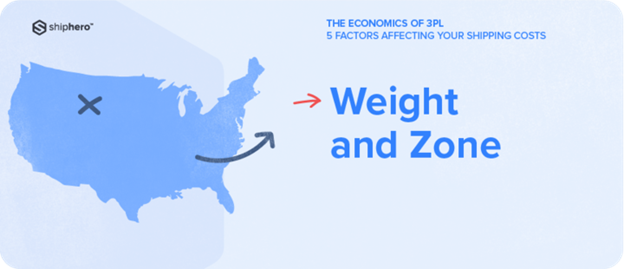
For products shipped domestically within the US, two key factors come into play: the destination zone and the package's weight.
Carriers have established nine zones across the US, with the origin address as Zone 1. Your shipping fees increase as your package moves further from its origin. Here are the current zones with their mileage differences from the source.
When it comes to shipping packages, weight matters, it's a simple concept: the heavier the package, the more you'll have to pay to get it where it needs to go. But it's not just about weight; the package's dimensions also play a significant role.
It’s a tricky balance - you want your package to be the right size to hold your products but not so large that it triggers DIM weight surcharges. Investing in a packaging design strategy is worth the time to determine the optimal package size and weight to avoid unnecessary expenses. It's a small step that can significantly impact your bottom line.

If you're not taking advantage of duty relief programs for international shipping, you're leaving money on the table. The numbers don't lie - Section 321 alone can save you up to 20% on duty fees, and that's a significant amount. So, what exactly is Section 321 all about?
Section 321 of the Trade Facilitation and Trade Enforcement Act has revolutionized the eCommerce shipping costs for shippers from Canada or Mexico sending goods into the U.S. to individual customers. With tax and duty exemptions, faster clearance, and reduced paperwork, shippers have remarkable advantages at their fingertips.
Section 321's duty-free entry for goods valued at $800 USD per person per day is a smart way for businesses to grow, as it offers savings for brands looking to get their items to American consumers. While certain products are restricted, these regulations should not deter businesses from enjoying the benefits Section 321 can bring.
The persistent and aggressive growth in eCommerce demands a seamless process to satisfy customers’ needs, and delivery speed is an essential aspect of any business that hopes to keep up with customer demands in today's marketplace.
Margin integrity is crucial if you want to stay profitable. At ShipHero, we understand that maintaining a delicate balance between cost and delivery speed is essential for our margins to remain healthy. It hasn't been an easy process, and we've made our fair share of mistakes.
Nevertheless, we've learned that customers expect two-day delivery from Amazon but are generally willing to wait three to four days for other businesses. However, specific expectations, such as real-time tracking, still need to be met.
90% of customers want immediate updates and real-time order visibility. Adopting technological solutions can improve delivery experiences and lower consumer inquiries.
32% of global shoppers will abandon their carts if an estimated shipping time is too long. Rising standards are forcing 3PLs and carriers to reevaluate traditional distribution models.
Get ahead of the trend by utilizing micro-fulfillment centers (MCFs) to cut delivery times. MCFs are strategically placed in urban areas and stocked with popular products, making it easy for customers to pick up their online orders. This gives shippers the flexibility to meet rising consumer expectations promptly.
Although setting up these local centers can be challenging and pricey, it pays off in the long run by reducing shipping costs and providing an efficient and cost-effective service. Leading 3PL companies are already reaping the benefits of this strategy and improving their overall performance.
Last-mile delivery accounts for 53% of the total shipping cost, and 3PLs simply can't afford to miss the mark here. The final stage of the delivery process is where customer satisfaction and profitability are either made or broken. Unfortunately, too many managers responsible for supply chain and digital functions face significant challenges in this crucial area.
But fear not; there are solutions. By partnering with the right players, businesses can meet and exceed their customers' expectations while boosting their bottom line. That's why we offer Veho's efficient and cost-effective last-mile delivery solutions.
By prioritizing necessary orders and reducing failed deliveries, Veho can make money while delivering the high level of service customers deserve while saving your 3PL money on last-mile delivery.
When it comes to the efficiency of a warehouse, it's essential to have a well-oiled team handling the packing process. After all, warehouse teams can make or break the whole operation. Here are some questions to ask yourself regarding your teams.
Training is crucial for a proficient team, minimizing staff turnover, and boosting profits. It should cover SOPs, equipment handling, inventory management, customer order systems, and obtaining certification for specific tasks.
Regularly assess your packing station's efficiency to identify areas for improvement and reduce labor costs. Implement one-touch stations and focus on ergonomic design and workflow to optimize productivity and reduce errors.
Optimizing your picking paths might be the key to unlocking higher profit margins for your business. It's simple – a slower picking process leads to increased picking costs, inevitably leading to higher product prices for your customers.
While a 95% to 98% order accuracy rate may seem reasonable, it still allows for a 2% margin of error or potentially even worse outcomes. These errors can result in significant financial losses for your warehouse.
Fortunately, implementing warehouse automation can reduce human error and improve inventory control. This will significantly enhance picking accuracy, bringing it closer to 100% and ultimately saving you money by reducing mistakes and mispicks.
Measuring data is crucial to improve business operations. Knowing your warehouse's key performance indicators (KPIs) is essential. Collecting and analyzing the correct data identifies inefficiencies and avoidable expenses. You'll need to track everything from receiving through shipping to get a complete picture of your operations.
Here are a few KPIs to consider:

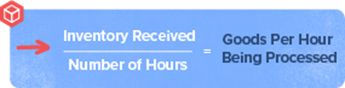

As a shipper, you're no stranger to handling fees for hazardous materials and fragile items. But did you know that these fees can have both advantages and disadvantages? Let's take a closer look at how they can impact your bottom line.
Shipping hazmat and fragile items can be profitable, but shippers must address customer concerns and competition while complying with regulations.
When it comes to shipping fragile items, there's no room for error. After all, damaged items don't just impact your bottom line - they can also significantly affect your reputation. That's why taking proactive steps is essential to ensure your items arrive at their destination in one piece. One way to do this is by enlisting the help of your special projects team to assemble kits or pre-assemble your items.
Surcharges are a necessary evil in shipping and logistics, so they can be the bane of your bottom line if you're not careful. That's why it's essential to be informed and proactive about the different types of surcharges your product lines may encounter.
Navigating outbound shipping can be a complex and costly process for 3PL operators. Negotiating base rates with carriers is just the beginning; understanding accessorial charges and selecting the best base rate based on package specifications is key to mitigating costs. The challenge lies in the surcharges associated with specialized services, which can drive up costs and make it challenging to predict expenditures.
Additionally, general rate increases can significantly impact carrier base rates for 3PLs. However, the right approach and tools can reduce shipping expenses. By utilizing shipping cost strategies, analyzing costs, and planning, surcharges can be minimized.
It is important to be mindful of shipping charges, as they can quickly add up and cut into your profits. One way to reduce these costs is by considering the size and weight of your parcels. Oversized boxes or improper packaging can result in higher fees. Look for carriers that offer the correct type of flat-rate shipping or the fees that make the most sense for you and your products.
Additionally, be aware of dim weight pricing (as we discussed at the top of this article), which considers the box's length, height, and weight. This can sometimes result in extra fees for light packages that take up a significant amount of truck space.
Reducing shipping charges is crucial for businesses of all sizes, and optimizing warehouse operations can help achieve this goal. Proper software training is essential to maintain consistency with the packing team and reduce unnecessary costs.
A warehouse management system (WMS) like ShipHero can provide automation that streamlines business operations, but it needs to be used accurately. Your WMS training program should cover all aspects of the hardware and software and the different methods used to manage goods efficiently within the warehouse. By emphasizing the importance of WMS training and implementing consistent warehouse practices, your business can reduce shipping costs and improve overall efficiency.
Troubleshooting internal errors such as incorrect scales and improperly stocked packing stations can also enable you to minimize touchpoints and increase automation. With automation rules, packers can always use the appropriate box when shipping specific products. These steps allow you to confidently assert control over your shipping process and save valuable business resources.
We offer a variety of automation rules to help businesses save money on shipping charges. Our VIP customer treatment rule ensures that your most valuable customers receive a gift SKU or marketing insert with their orders, express shipping, and prioritized order processing. Our pre-sale item rule helps businesses save by setting a partial shipping flag for orders that exceed a specific dollar amount.
Additionally, SKU-specific notes can be assigned to certain items, which is handy for fragile items that require special handling. Finally, we automate box type selections, streamlining the packing process and saving businesses time and money on shipping. With the proper automation rules, businesses can significantly reduce shipping charges and improve their bottom line.
To summarize, consider all five critical factors mentioned in this post to reduce your outbound shipping costs: destination and origin, delivery speed, warehouse team processes, special handling fees, and surcharges.
With the right tools and expertise, you can ensure that your 3PL profitability remains reliably on track. And with hard work and dedication to intelligent decisions about outbound shipping strategies—increasing or decreasing delivery speeds or minimizing surcharge risks— you should be more than capable of achieving your goals.
It takes a lot of work, but investing time now to craft an efficient system for managing outbound shipments will pay off down the line. To start managing your outbound shipments efficiently today, try a ShipHero demo and get a jump start on reducing those shipping costs!
About ShipHero: We make it simple for you to deliver your eCommerce. Our software helps you run your warehouse, and our outsourced shipping solutions eliminate the hassle of getting your products to your customers. With thousands of brands and 3PLs relying on us daily, we’re here to help with all your logistics needs.
Let us know how we can help you today by scheduling a call HERE.



.svg)