
.svg)

Let’s stay in touch with the ShipHero Blog.


.webp)
The ShipHero Model Context Protocol (MCP) connects supported AI clients directly to your live ShipHero data, so warehouse teams can ask questions and get specific answers from their own account. It is built for day-to-day operational checks, including inventory levels, open orders, shipment status, holds, returns, purchase orders, and exceptions. For ShipHero customers, it is available at no additional charge and runs on existing API credits.
Every order, shipment, inventory movement, hold, return, and purchase order creates data inside ShipHero. Your warehouse information is right there, but getting to it can be a slow, complex process.
Before the ShipHero MCP, answering a specific operational question often meant logging in, finding the right report, applying the right filters, exporting data, or asking the one person on the team who knew where to look.
Even when the answer was simple, like a quick inventory check, it could turn into a 20 to 45 minute task. A customer question could sit half a day while someone pulled the right numbers. That delay adds friction to the floor. It slows decisions. It keeps teams waiting on data they already own.
The ShipHero MCP gives supported AI clients secure, read-only access to live ShipHero data.
That means operators can ask questions in plain English and get answers from their actual account, not from a generic help article or static knowledge base. A chatbot can tell you where to find a number. The ShipHero MCP can return the number itself.
It works with MCP-enabled AI clients, including Claude, ChatGPT, Cursor, and Codex. Connect it once, authenticate access, and your team can start asking operational questions from the AI tool they already use.
The workflow is simple:
The MCP does not replace ShipHero. It makes the data inside ShipHero easier to reach when your team needs a fast answer.
The ShipHero MCP is designed for everyday operational questions, such as:
If the data lives in your ShipHero account, the MCP gives your team a faster way to ask for it.
Speed matters, but safety matters too.
The ShipHero MCP is read-only by design. It can retrieve information from your account, but it cannot create orders, modify records, delete data, or change warehouse settings.
That gives teams a practical way to use AI for operational visibility without risking accidental account changes. Operators can ask. Managers can check. 3PL teams can answer client questions faster.
The data becomes easier to use, while the records stay protected.
For founders, the MCP can turn a quick inventory check into a simple question.
For operations leads, it can surface shipment status, holds, exceptions, and low-stock SKUs without digging through reports.
For 3PL operators, it can help answer client questions faster, using live account data instead of manual follow-up.
The result is a faster way to reach the information already inside ShipHero.
The ShipHero MCP is available to all ShipHero customers at no additional charge. It runs on existing API credits, so specific questions help keep usage efficient.
To get started, visit developer.shiphero.com or contact your ShipHero account representative.
ShipHero MCP is a read-only connection between supported AI clients and your live ShipHero data. It lets users ask operational questions in plain English and receive answers from their actual ShipHero account.
A chatbot usually answers from fixed, generic information. ShipHero MCP connects to live account data, so it can return specific answers about your orders, shipments, inventory, holds, returns, and other ShipHero records.
ShipHero MCP works with AI clients that support the Model Context Protocol, including Claude, ChatGPT, Cursor, and Codex.
No. ShipHero MCP is read-only. It can query data, but it cannot create, update, or delete records in your ShipHero account.
No. The MCP is built for operators and can be connected from a supported AI client in minutes. Developers may use more advanced tools for deeper analysis, but most day-to-day users can work directly with the MCP.
Yes. ShipHero MCP is available to ShipHero customers at no additional charge and runs on existing API credits.
Transitioning to a new Warehouse Management System (WMS) is a high-stakes decision that often triggers concerns regarding downtime, data integrity, and workforce adaptation. As warehouses prepare for 2026 growth, understanding these common hurdles—and the technical solutions that resolve them—is essential for a successful migration. This guide addresses the five primary barriers to adoption and how a high-velocity infrastructure ensures a seamless transition.
Warehouse operators frequently hesitate to upgrade due to perceived risks that can halt operations. These challenges typically include:
To clear these hurdles, a structured implementation strategy is used to prioritize data density and entity clarity.
In the competitive eCommerce landscape, staying stagnant with manual workarounds is often more costly than the transition itself. Moving to a high-velocity WMS converts your warehouse from a cost center into a growth engine by providing Labor Efficiency and ROI through automated routing and reduced authentication friction.
Because the platform is built for the floor worker, features like Workforce Hero allow seasonal temps and new staff to be authenticated and productive in under an hour.
No. High-velocity infrastructure increases visibility by providing Total Real-Time Control. Managers can monitor exactly what is in the Hospital queue and track replenishment in real-time from a single dashboard.
Before going live, a ground-up audit is performed using cycle counting tools. The system's architecture ensures that every movement on the floor is synchronized with sales channels instantly, maintaining 99.9% accuracy.
Picture a packer at Peak Season. A box is in front of them, a product in each hand, and somewhere on a cluttered desk there's a mouse they need to find to confirm the order. They look down. They hunt. They click. Then they do it again. Thousands of times a day.
That moment of friction is small. But it is never just one moment. Multiply it across your entire pack line, across an entire shift, and you are looking at a measurable and largely invisible drag on your total throughput.
Tap-to-Pack is a purpose-built hardware controller designed by ShipHero to eliminate digital friction at the packing station. It connects via USB-C, requires no drivers or additional software, and syncs automatically with the ShipHero WMS packing app. This new system is now available at the ShipHero Store.
Instead of navigating a screen with a keyboard and mouse, packers execute every high-frequency command — such as selecting box sizes, printing labels, finalizing orders, flagging exceptions — with a single physical tap on one of eight programmable buttons.
Key specifications:
Most warehouses are running 2026 operations on 1990s peripheral standards. The keyboard and mouse were designed for spreadsheets and emails, not high-volume fulfillment. When used at a packing station, they create three compounding problems:
The problem is not your people. It is the tools you are asking them to use.
Tap-to-Pack introduces a "Rodent-Free" packing standard: a workflow where the packer's hands stay on the product, their eyes stay on the work, and the software fades into the background.
The device guides the packer through two feedback systems:
ShipHero customers running Tap-to-Pack are already seeing a 90% reduction in on-screen interactions and a significant increase in the number of orders packed per hour, without adding headcount or changing their warehouse layout.
One of the hardest challenges in fulfillment is absorbing volume quickly, especially during Peak Season, when temporary staff need to reach target productivity fast.
Because Tap-to-Pack's interface is physical and intuitive, there is almost nothing to teach. Pick up the product, follow the light, tap the button. New packers can reach target productivity in minutes rather than hours.
The system is also modular:
Whether you are a growing DTC brand or a high-volume 3PL, Tap-to-Pack is designed so your hardware never becomes a ceiling on what your team can do.
Tap-to-Pack is a programmable, industrial-grade hardware controller that connects to the ShipHero WMS and allows warehouse packers to execute packing station commands, such as printing labels, selecting boxes, and completing orders. All with a single physical button press, eliminating the need for a keyboard and mouse.
The device connects via USB-C and syncs automatically with the ShipHero WMS packing app. It is a true plug-and-play solution: no drivers, no background software, and no manual configuration required.
Yes. Buttons are configurable for a range of packing actions, including Print Label, Complete Order, Select Box Size, and the Hospital function, which flags a problematic order and keeps the line moving without stopping to resolve it on screen.
The system is fully modular. Connect up to two additional 8-button hubs to the Main Hub for a total of 24 programmable buttons, supporting even the most complex multi-step packing workflows.
Tap-to-Pack devices require ShipHero Packing App v1.0 or higher. The current release is v1.1.0.
Imagine running a warehouse where orders are picked quickly, inventory is accurate, and all operations run smoothly without any errors or delays. Thanks to Artificial Intelligence, this can now become a reality with ease.
AI is transforming warehouse management by enhancing efficiency, intelligence, and the ability to meet the rapid demands of today’s eCommerce-driven market.
ShipHero is pioneering this revolution with its AI-powered warehouse solutions, setting new industry benchmarks. This article explores ShipHero’s AI Picking feature, highlighting how it’s transforming warehouse management and enhancing operational efficiency.
The integration of AI technologies, including machine learning, robotics, and predictive analytics, is revolutionizing warehouse operations, driving significant improvements in efficiency, accuracy, and overall performance. These innovations are optimizing processes across various areas, from inventory management to order fulfillment. Below are the key benefits of AI in warehouse management.
A combination of AI technologies is shaping smarter warehouse systems to help revolutionize warehouse management.
ShipHero has taken AI integration to the next level with its AI Picking feature, designed to significantly improve warehouse efficiency. This feature automates the picking process, reducing the reliance on manual labor and enhancing productivity in ways that were once thought impossible.
Let’s dive deeper into how ShipHero’s AI Picking works and the advantages it offers.
AI Picking optimizes warehouse operations in two key ways:
The AI Picking feature delivers a wide range of benefits:
The transformative power of AI extends far beyond just picking. AI is also revolutionizing other aspects of warehouse management, driving improvements in operational efficiency, inventory management, and safety.
AI automates tasks, reducing errors and increasing speed. Automated sorting and real-time inventory tracking ensure accuracy, while real-time monitoring helps managers adapt and ensure timely deliveries.
AI plays a vital role in maintaining accurate inventory levels. By leveraging predictive analytics, AI can forecast demand and optimize stock levels, helping warehouses avoid both stockouts and overstock situations. This leads to better inventory management and fewer disruptions in supply chains.
AI-driven systems can monitor warehouse conditions to ensure safety and compliance with industry regulations. These systems can analyze warehouse data and predict potential hazards before they occur, proactively reducing risks and ensuring a safer working environment.
AI technologies are playing a transformative role in the supply chain and logistics sectors by improving efficiency, reducing costs, and enhancing decision-making.
These intelligent systems effortlessly manage supply chain processes by using data to optimize operations, predict trends, and automate routine tasks. This ultimately reshapes everything, from how goods are moved to stored and delivered.
The future of warehouse management looks promising with greater automation and efficiency, but future warehouse digitization brings challenges, such as high upfront costs and the need for skilled personnel.
AI-powered drones, autonomous robots, and IoT integration are smart warehouse technologies that are revolutionizing warehouse operations. Drones will deliver goods quickly, while robots automate sorting and transportation, thereby reducing the need for manual labor.
IoT and AI integration will enable real-time monitoring and optimization of operations. Smart technology in warehouses is leading to fully automated systems that are faster, scalable, and need minimal human input.
While AI offers immense benefits, businesses must also consider certain challenges. High initial investments in AI technology, data security concerns, and the need for skilled personnel are just a few of the hurdles that must be addressed.
However, with a strategic approach, companies can eliminate the challenges and embrace AI’s full potential to boost accuracy in picking and improve overall warehouse operations.
AI minimizes error by automating tasks like inventory tracking, order picking, and sorting, ensuring greater accuracy and efficiency.
Yes, AI-driven predictive analytics can predict demand, track inventory levels, and improve supply chain efficiency by forecasting needs with greater accuracy to help businesses stay ahead of trends and market fluctuations.
AI solutions are becoming more cost-effective thanks to cloud-based services and subscription pricing models. These options make AI technology more accessible to small businesses, allowing them to take advantage of its benefits without large upfront costs.





Are you a DTC founder or eCommerce pro looking for insights on leveling your game? Then look no further than the inaugural episode of PalletSide Chat! In this episode, Co-Founder of Black Wolf Nation and One23 Fulfillment, Alex Lewkowict, takes us on his rollercoaster journey as a high-touch 3PL and DTC founder. He discusses everything from launching (and failing) his first product line to leveraging customer feedback for growth. Whether you're just starting or have years of experience under your belt, this episode is chock-full of actionable advice that will take your brand to the next level.
Who knew that reselling baseball caps in high school could be the start of a successful entrepreneurship journey? But that's precisely how it went for Alex and his brother Sam. Their credit card allowed them to provide a valuable service to their classmates and they quickly learned the satisfaction of solving other people's problems. That business acumen only grew when they were presented with the opportunity to sell razor bump creams. Instead of looking at it as just another product, they saw the potential to solve a problem for their customers.
The old saying "If at first, you don't succeed, try, try again" really rings true for Alex and his brother. They realized their inferior razor bump cream just wasn't selling. Despite trying to rebrand and enlist a designer's help, the associate they were selling for didn't share in their vision. So, they ditched it all and decided to start their own skincare line.
After launching their initial product to crickets, these brothers didn't let a lack of initial success stop them from following their dreams and creating a successful grooming brand. Undeterred, they made it their mission to become more than just a "one-hit wonder" and diversified their offerings by developing new products and streamlining their systems.
After finally teaching himself how to navigate Facebook ads, Alex launched ten separate ads for Black Wolf Nation. While nine may not have performed as well as hoped, all it took was one successful ad to bring in those sales. This experience taught them the importance of analytics, testing, and setting small goals to reach big successes.
Alex and Sam hit another roadblock - shipping and fulfillment. While BlackWolf Nation's needs were tricky, they required a provider capable of handling their growing volume. Rather than settling for an inadequate third-party logistics company, they launched One23 Fulfillment.
It's always a gamble when starting a new business, but for Alex, the risk paid off big time. When he convinced his hesitant brother to rent a small warehouse for their 3PL company, One23 Fulfillment, he had no way of knowing how quickly they would outgrow it. But thanks to his passion for logistics, Alex could find creative solutions and make them work – even during the challenges of COVID.
When the perfect opportunity came in the form of a 35,000 sq ft warehouse, he didn't hesitate to snatch it up. The result was a significant boost in their shipping capabilities, going from 20,000 orders to almost 300,000 in eight months. It may be scary, but it's clear that following his passion has led to success for Alex and One23 Fulfillment.
Forget the adage about the customer always being right - their customers are essential when it comes to BlackWolf Nation. The personal care company credits its growth and product innovation to customer feedback. Imagine emailing that a particular face wash is drying, only for the company to promptly create a dry skin formula - now that's impressive customer service!
And by continuously monitoring what products are flying off the shelves, BlackWolf Nation can consistently improve and expand its offerings. This close relationship with customers allows them room to grow and make mistakes, making every purchaser feel like they're on this journey alongside the company.
It's been a wild ride for Alex Lewkowict, Co-Founder of Black Wolf Nation and One23 Fulfillment. In the inaugural episode of PalletSide Chat, we've unpacked his journey as a high-touch 3PL and DTC founder. If you're curious about what it takes to make it in the world of eCommerce or just want a good laugh, check out the full episode here.
Stay tuned for future episodes where we'll bring other founders and people from within ShipHero to share their stories. And if there's anything you want us to cover or if you have questions for Alex, feel free to reach out to us at podcast@shiphero.com. We'd love to hear your feedback!
—
Listen to PalletSide Chat HERE
About the Hosts:
As VP of marketing, Dan Van Meer is always on the go. From overseeing project management and data analytics, he has his hands in a little bit of everything. Most importantly, he ensures that all creative work - from graphic design to digital marketing - is high quality and on-brand. Co-host Alex Lewkowict is quite the renaissance man. He's been an adolescent entrepreneur, successful CEO, and Founder of a men's skincare line, and he created One23 Fulfillment. Did we mention he made the Forbes 30 under 30 list?
.svg)

With today’s customers demanding fast fulfillment times and one or two-day shipping, manual warehouse operations just won’t cut it anymore. These days, you need to automate warehouse operations if you want to satisfy customers and grow your eCommerce business.
What is warehouse automation and what do you need to implement it in your business? Read on to learn more.
Warehouse automation is the process of automating your daily warehouse processes with minimal human involvement. Businesses generally implement warehouse automation to eliminate labor-intensive work that requires a lot of time and effort. It also minimizes the number of manual tasks required, reducing the chance of human error.
When you hear “automation,” you may think of workers loading products into robots and drones. However, warehouse automation doesn’t necessarily need robots or other physical hardware. Sometimes, warehouse automation starts with implementing a warehouse management system or similar software.
Warehouse automation software is a tool used to automate modern warehouse operations. These tools reduce the manual tasks necessary in daily warehouse operations, increasing efficiency and reducing human error.
Warehouse automation software and tools include, but aren’t limited to:
Warehouse automation works differently depending on which software or tool you implement. Here’s a quick look at some example warehouse automation tools and how they work:
A warehouse management system (WMS) provides tools to help you manage all aspects of day-to-day warehouse operations. It especially assists in the main warehousing flow of:
Warehouse management software also provides regular reports on your warehouse’s key metrics. This helps you identify improvement areas and make informed decisions on what to do next.
Manual data entry is one of the most common work processes to automate because they’re often highly repetitive tasks.
Employees will enter information into the spreadsheet, highlight another cell, enter more information and repeat the process until everything is filled. It’s boring work and distracted workers often lose focus and enter the wrong thing in the wrong spots.
Automated data entry software helps you reduce the workload by automatically extracting data from documents and digitizing paperwork. In addition to preventing human error and saving time, you can assign your warehouse team to work on other important tasks that need a human touch.
Inventory management software gives you real-time visibility into your entire stock, meaning you don’t have to do physical inventory checks as often. It also monitors your stock levels to notify you when you’re running out of a certain product, keeping your products from running out of stock.
In more advanced cases, inventory management software can forecast consumer demand based on historical sales and notify you to order more products in preparation for high-demand seasons.
When implemented right, warehouse automation software can improve your warehousing operations in many ways. Here are several examples of warehouse automation software’s benefits:
There’s always the potential for human error in manual processes. Depending on the significance of the mistake, human error can lead to costly item replacement or significant shipping delays that reduce customer satisfaction.
Automated warehouse solutions reduce the chances of human error by automating certain warehousing tasks. For instance, pallet dimensioning systems help your warehouse crew accurately measure a pallet's dimensions without using manual methods like tape measures.
Warehouse automation systems aren’t cheap but usually have a fast return on investment. Warehouse automation reduces your operational costs by minimizing:
In addition to reducing human error, automated warehouse solutions reduce the time necessary to do key warehousing tasks. Using the pallet dimensioning system example above, warehouse workers can measure the dimension of a pallet and plug it into the system in minutes or even seconds instead of spending time measuring the pallet manually.
Automating warehousing tasks also reduces your employees’ workload, allowing them to skip over parts of the job they may find boring or frustrating. This improves staff satisfaction and can even increase retention rates.
Warehousing operations are often high-risk because there are lots of people moving lots of goods from here to there at any given time. If an accident happens, people may get injured and hundreds of dollars worth of merchandise may be damaged.
Warehouse automation through automatic guided vehicles (AGVs) or autonomous mobile robots (AMRs) helps your staff move products safely. These autonomous vehicles and robots reduce human traffic throughout your warehouses, reducing the chance of accidents and ensuring your workers are safe.
Warehouse space isn’t cheap and you need to use every cubic foot of it to get your money’s worth. However, you can only stack products so tight and high before it becomes dangerous for people to grab them.
This is where warehouse automation comes in. Automated storage and retrieval systems (AS/RS) and drones take care of the picking process for your team, so they don’t even have to leave the ground – no matter how high and tightly packed your products are.
Using every cubic foot of your warehouse available also means you won't have to purchase or lease extra storage space as often.
Customer satisfaction is the goal of every business, and yours is no exception. Warehousing might not have a direct link to customers, but they can feel it when your warehouse operations are subpar. If your staff are slow to process products, customers won’t receive their goods on time, leading to lost sales and complaints.
The main goal of warehouse automation is to ensure products are fulfilled and shipped on time, increasing your daily operation’s efficiency. When you deliver everything punctually, your business reputation and customer retention will improve, giving you an edge over the competition.
You should automate your warehouse to ensure your business can keep up with customer expectations while keeping costs down. Here are some reasons why you should automate warehousing operations:
There’s no one-size-fits-all warehouse automation solution. Every solution is customized to your warehousing operations, meaning everything you implement is created to address your issues and requirements.
Implementing warehouse automation is usually a large financial commitment, but you’ll immediately feel the effects. With warehouse automation solutions, you can save a lot of money on labor, equipment and maintenance costs.
You don’t want to run out of your most popular product in high-demand seasons because that means giving up lots of sales.
Inventory management software helps you predict customer demand based on past sales so you can order more of a product. This ensures you won’t run out before the high-demand season rolls around.
Human error can result in damaged products or inventory loss, hurting your bottom line. Automating key warehouse processes means:
Warehouse automation tools show you the best way to fulfill customer orders. This means you can promise accurate fulfillment and fast delivery times to customers and deliver on it. You’ll build brand loyalty and gain an edge over your competitors by combining great products and punctual delivery.
You should automate your warehouse after a thorough study of your warehouse operations. Implementing these tools is costly, so blindly following warehouse automation trends and current technologies without knowing what you really need will just waste your money.
If you can’t determine what aspects of your warehouse operations you should automate, hire a consultant to examine your business and identify what areas can be improved.
There’s a wide variety of warehouse automation tools available for businesses to implement. Here’s an overview of the four most popular options in the warehouse automation market:
Inventory management software is a tool that grants real-time visibility of your entire warehouse stock. This means you can stock enough goods to keep selling without holding too much of a certain product type.
This warehouse automation tool gives you greater inventory control and notifies you whenever something is about to run out, ensuring you’re always well-stocked.
Warehouse robotic solutions like AMRs and AGVs do various tasks around the warehouse. For instance, AGVs replace manual forklifts, collaborative robots (cobots) follow workers around as mobile storage bins and AS/RS systems pick items from high shelves.
In addition to increasing efficiency and reducing human error, warehouse robots reduce workplace accidents by removing the human element from often dangerous tasks.
A warehouse management system is a holistic solution that offers inventory visibility and control over the entire supply chain fulfillment operations. A WMS helps you through the entire warehousing process, from when products enter the warehouse until they arrive at the customer’s doorstep.
Your WMS also lets you handle returns, generate performance reports and make informed warehousing decisions.
Warehouse management mobile apps are like tiny warehouse management systems you can carry around. These apps help you through most of the warehousing workflow, from scanning products to labeling goods for shipment. Some of these tools are standalone, but others may require a WMS subscription.
Implementing warehouse automation isn’t cheap, so you must ensure you implement the perfect solution for your company’s warehousing issues. Here’s a guide to choosing the best warehouse automation technology:
Warehouse automation software can be costly, but it’s a great way to improve your warehousing operations and meet increasing customer demands. Different warehouse automation solutions (e.g., WMS, inventory management systems and robotics solutions) fulfill different needs.
Before implementing warehouse automation software, you should identify your warehousing needs and find the automation tool or software that fulfills your needs at a reasonable cost.
Automation is used in warehouses to reduce human error and prevent costly mistakes. Some examples of automation in a warehouse are using mobile robots to pick and pack goods, measuring pallet sizes automatically and forecasting customer demand.
A fully automated warehouse is a logistic facility that primarily uses automatic cranes and other handling equipment in its day-to-day operations. A fully automated warehouse typically doesn’t use standard forklifts and has a minimal human presence.
Smart warehousing is the pinnacle of warehouse automation, where most of its operations are done automatically through robots and automated cranes. The main benefit of smart warehousing is that it prevents human error that may cause costly accidents.
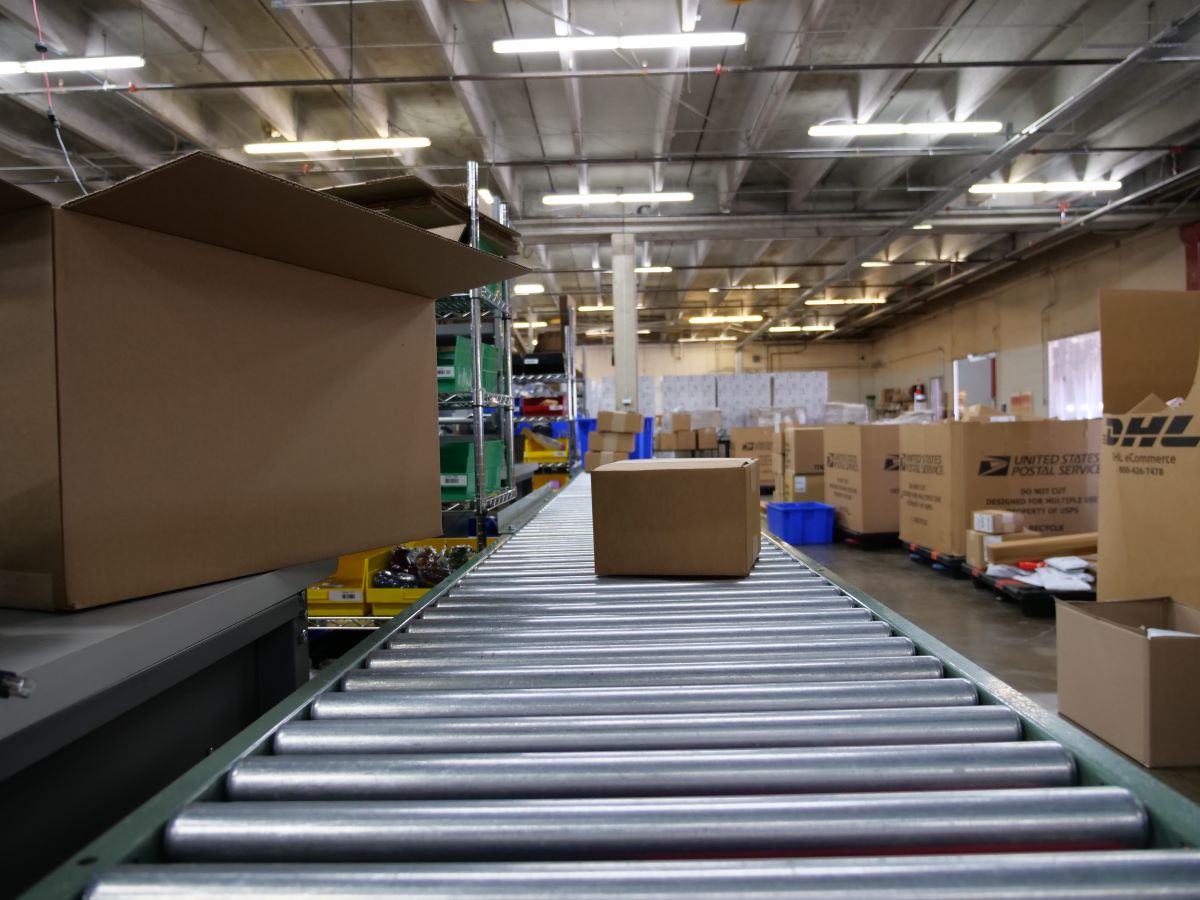
Many businesses these days already implement warehouse automation in various forms to keep up with customer demands and expectations. Warehouse automation tools help them deliver products faster, maximize warehouse space and reduce costs, among other benefits.
But what comes next after the current wave of warehouse automation? If you’re curious about what’s on the horizon for warehouse managers, read on to learn more.
Warehouse automation technology encompasses all the tools and software used to automate warehouse operations. Companies often use warehouse automation technology to reduce labor-intensive work, reducing the occurrence of human error and avoiding costly mistakes. Automation also reduces total labor expenses, resulting in cost savings.
Warehouse automation doesn’t necessarily mean using robots or drones in your warehouse. It can be as simple as implementing a warehouse management system or automatic data capturing to assist in daily operations.
Some common examples of warehouse automation technology include:
Some of the most important benefits of warehouse automation include cost savings, human error prevention and improved safety. Here’s a look at the benefits of warehouse automation:
Warehouse automation software and tools take over manual tasks from human workers, meaning they can accomplish more work in less time. An example of how warehouse automation can improve productivity is when you implement goods-to-person (GTP) solutions.
GTP solutions typically use robots or machines to bring goods to warehouse workers for packing. These robots pick goods from shelves for your warehouse workers, so they don’t have to walk or ride forklifts from one end of the warehouse to another, saving them a lot of time.
Implementing warehouse automation is often a major financial commitment, but the long-term cost savings can be considerable. Automating warehouse processes means you can reduce labor costs because you won’t need as many warehouse workers. Additionally, you’re less likely to suffer product damage or inventory loss due to human error when automating picking and packing processes.
Manual processes are often prone to human error. While small mistakes won’t hurt your company much, big mistakes can cause significant shipping delays or major product damage, hurting your credibility and customer satisfaction.
Automating warehouse processes reduces human error by minimizing the role of warehouse workers in manual and repetitive tasks. For instance, automatic picking processes ensure your workers receive the right items to prepare for shipping.
Warehouse operations are risky because workers often carry large items in high-traffic environments. An accident might mean people getting injured and hundreds of dollars in damaged goods.
Warehouse automation tools like GTP solutions reduce the risk of accidents by bringing the goods to the workers instead of the other way around. This way, there’s less foot traffic, reducing the likelihood of accidents.
Your warehouse space is typically limited, so you need to use every bit of space to save on leasing or operational costs. Unfortunately, you can only stack your goods so high because your workers can’t pick products up safely when your shelves reach the ceiling.
Warehouse automation solutions like automated storage and retrieval systems (AS/RS) help you by providing a safe way to pick products from high shelves without having your workers leave the warehouse floor. This means you can stack your goods as high as you like and use every single bit of space without endangering your human staff.
Warehousing isn’t directly linked to customers, but good warehouse operations ensure their satisfaction. Your staff needs to process goods quickly so you can ship them punctually. If your warehouse crew is slow in fulfilling orders, customers will receive their products behind schedule, leading to complaints.
Warehouse automation tools improve your warehousing efficiency and ensure everything is shipped on time. By building a reputation for punctual deliveries, you’ll get happier customers and secure their loyalty.
Different warehouse automation tools do different things to improve your daily warehousing operations. Here are three common warehouse automation systems you can look into:
Warehouse management systems (WMS) are complete software bundles that help you monitor and manage the entire warehousing process. They cover all aspects of your warehousing operations, which include inventory receiving, storing, picking, packing, shipping and return handling. Warehouse management systems also give you automatically generated reports to help in decision-making.
You can consider implementing a WMS if you’re looking to improve your overall warehousing operations.
Inventory management solutions give real-time updates on your supply chain and warehouse’s product stock to ensure you can meet customer demands without overstocking. Inventory management solutions also help you fulfill customer expectations by forecasting high-demand seasons and reminding you to order more stock before you run out.
Warehouse robotics solutions come in forms such as automatic guided vehicles (AGVs), autonomous mobile robots (AMRs), collaborative robots (cobots) and more. The main objectives of implementing robotic solutions are reducing human error, increasing warehouse efficiency and preventing accidents by minimizing the human element in the warehouse.
Some examples of warehouse robotics implementation include:
All the technology we’ve mentioned in the article is just the tip of the iceberg. There are so many technological breakthroughs on the horizon, and each one has the potential to change the warehouse industry as we know it.
To help you prepare, we’ve compiled ten upcoming trends in warehouse automation you should keep an eye on:
Big data refers to large volumes of hard-to-manage data taken from sources like social media, transaction records and smart devices. These data volumes are often unstructured and tough to read, but they can provide so many insights that help your business identify upcoming trends and spot potential opportunities.
Big data goes hand-in-hand with predictive analytics. As the name implies, predictive analytics forecast upcoming events and situations by studying past data. For an eCommerce business, this might mean knowing which products will be popular and when they’ll be in demand.
These days, you don’t even have to be on-site to manage a warehouse. Remote warehouse management gives you a real-time look into your daily warehousing operations and lets you make business decisions on the fly, no matter where you are. This is especially useful if your company runs multiple warehouses or distribution centers, meaning you don’t have to bounce around several locations just to ensure everything works.
In the past, WMS providers installed warehouse management systems on cumbersome servers that take up space in your warehouse. Moreover, you had to arrange a vendor visit to get upgrades or fix problems.
Cloud-based WMS makes things much easier for modern warehouses and distribution centers. Instead of physical installations, you can access the WMS through the Internet. Your WMS vendor can also install updates and fix issues remotely without arranging a visit.
Machine learning is a field of artificial intelligence (AI) where computers can “learn” things through experience, much like humans. Labor planning in the warehouse is often complicated because there are many moving parts like worker availability, schedules, work zones and other elements.
Implementing machine learning in your labor planning systems allows it to learn by doing. As time passes, your autonomous planning system will know what to do and what not to do. Given enough time to learn, your warehouse labor planning system will be fully autonomous and save you a lot of effort because worker schedules are now AI-generated.
Conveyor belts are one of the oldest warehouse automation tricks in the book. While they’re still viable today, they’re slowly being replaced by mobile robots because they can go places that conveyor belts can’t.
However, robots can still work together with conveyor belts. Some robots are designed to move items between conveyor belts, minimizing the role of human employees in transporting items across the warehouse. Reducing human interaction with the product decreases the likelihood of workplace accidents that cause injuries and product damage.
Blockchains are permanent, irreversible ledgers that everyone can see. Implementing blockchain technology for recording warehousing transactions gives you the transparency necessary to avoid fraud and leaves an audit trail to ensure your warehouse complies with all local regulations.
Unlike their robotic counterparts, warehouse drones aren’t big or strong enough to move products reliably. However, they’re great at capturing data by scanning barcodes on crates or boxes. A skilled operator can maneuver drones to high shelves and narrow aisles, ensuring every package in every nook and cranny of the warehouse is scanned
The core concept of IoT is a network consisting of multiple smart devices. In warehousing, IoT devices like sensors, RFID (radio frequency identification) tags and trackers monitor the movement of products to give you a constant real-time view of what’s happening in the warehouse.
By implementing IoT, you don’t have to do a physical check whenever you need information on a package or product in the warehouse.
Voice assistants in warehousing help employees navigate the warehouse to find the products they need. With voice navigation, the employee doesn’t have to constantly hold a device, so both hands are free and can focus on their picking job.
Additionally, voice assistants require the employee to listen closely to the directions, minimizing distracting conversations among coworkers.
Augmented reality in warehousing improves picking efficiency by showing employees how to navigate to the product and which box to take for packing. You can install AR technology on tablets, smartphones, or even wearable technology like AR smart glasses.
When the employee doesn’t know where to go, they can just pull their device up and get routed to the requested item for pickup.
Warehouse automation technologies improve day-to-day warehousing operations by increasing efficiency, reducing mistakes and minimizing the human element. You can fulfill more orders and ship quicker to secure customer loyalty by improving your warehouse operations.
Many warehouse automation options are available today, and even more technological advancements are coming. Following warehouse automation trends like big data, cloud-based WMS and robotics can help you stay ahead of the curve and learn which ones to implement in your company.
There’s a wide range of new technologies in warehousing. Some of the most prominent warehousing technology trends include, but are not limited to:
These days, warehousing technology trends toward fully-automated warehouses and fulfillment centers. If the trends keep up, warehouses can be self-sufficient without human floor workers.
The most common types of warehouse automation are warehouse management systems, inventory management software and warehouse robotics solutions.

With the fast-moving nature of today’s eCommerce landscape, it’s challenging to balance inventory stocks to match customer demand. Both overstocking and understocking are detrimental to your business in different ways.
Fortunately, inventory management can help keep your stock at the right levels and provide real-time updates on your inventory situation. What do inventory control and warehouse automation entail? Read on to find out.
Warehouse inventory management is the entire process of handling inventory items from arrival to shipping. It replaces manual processes across aspects like inventory tracking, staff management and storage space to ensure orders are promptly fulfilled and shipped.
While warehouse inventory management seems “invisible” to customers, it directly impacts their satisfaction. Subpar inventory management leads to shipping errors and delays, which lead to dissatisfied customers.
Automated inventory management is a system that allows you to monitor and manage inventory in real time. Automated inventory management works with your order management software to ensure every single item received or sold is recorded as soon as possible.
Real-time data visibility means you don’t have to do physical inventory counts as often. Instead, you can just check your dashboard and get a good idea of your current inventory situation. Automated inventory management also notifies you to order more products if you’re about to run out of stock.
An automated inventory management system works by tracking and managing your inventory in real-time and providing you with the information to make informed decisions regarding your business.
Here’s how an automated inventory management system helps your business:
You should invest in an automated inventory management system to ensure your warehouse or fulfillment center is well-managed and you can ship products to customers on time. Here are some additional reasons to implement an automated inventory management system:
Manual stock updates on spreadsheets often take hours, especially if you have a lot of products. Automated inventory management systems will update your inventory records as items enter and leave the warehouse or fulfillment center, so you don’t have to do manual stock checks as often.
Real-time stock tracking is indispensable when it comes to monitoring stock levels. With complete inventory visibility, you’ll know when to order more products before you run out of stock. Some advanced inventory management systems even remind you to put orders in when stock is about to run out.
Stock miscalculations can lead to lost sales and reduced customer satisfaction because the items they wanted aren’t there. Unfortunately, stock miscalculations and inventory loss are often common when you do manual stock checks. Inventory management systems ensure all stock is accounted for, which means your records will match what’s in the warehouse or distribution center.
Issues like stock theft and product damage can hurt your bottom line if left unaddressed for too long. Instead of checking for theft or damage in monthly or annual inventory checks, automated inventory systems can detect stock discrepancies as they happen, allowing you to solve the issue before they become bigger problems in the future.
Scaling your business often leads to increased warehouse space and more inventory transactions. If your inventory system is still fully manual, you need to hire many more people to keep up with the increased demand.
However, inventory management systems make scaling easier because you don’t need to increase your workforce. You can upgrade to a better inventory software package to handle the increased transactions.
Warehouse inventory management is important to your business because it directly influences labor costs and supply chain efficiency. However, there’s more to it than just efficiency and cost savings.
Excellent inventory management automation directly influences customer satisfaction, despite customers never interacting with your warehouse staff in any way. This is because a well-managed warehouse or distribution center ships its goods quickly and accurately, ensuring customers get the product they want on time.
What can you get from inventory management automation? Here are several benefits you can get by implementing inventory management systems:
Poor warehouse management and disorganized inventory often result in customers receiving the wrong products. Naturally, this increases complaints and decreases customer satisfaction, so you want to avoid sending the wrong items.
Inventory management automation improves the accuracy of your picking process by organizing your shelves and guiding warehouse workers to the right items, increasing inventory accuracy and reducing human error.
The job of an inventory coordinator is to ensure your company has all the products, materials and supplies needed to operate according to predetermined standards. Inventory automation software helps the coordinator accomplish their job by providing real-time visibility and updates on everything happening in the warehouse.
Instead of spending time inspecting inventory conditions and addressing bottlenecks in person, coordinators can work with the warehouse team remotely to solve issues in your supply chain and warehousing.
Thanks to the Amazon effect, today’s customers demand one or two-day shipping for almost all eCommerce products. Good warehousing practices can fulfill that expectation by improving the speed of product processing and order fulfillment.
However, you may have difficulty promising nationwide one or two-day shipping from only one warehouse. You can consider working with third-party logistics (3PL) companies to distribute your stock across multiple warehouses nationwide to expand your reach and deliver faster.
Automating manual tasks in warehouse operations like inventory storage and record-keeping can save you a lot of time. Moreover, taking focus away from these repetitive, time-consuming tasks frees your staff up for more strategic tasks like inventory growth planning and developing new shipping strategies.
Additionally, automating warehouse operations helps it scale easier. Instead of hiring more people to manually store and record inventory, you can upgrade your system to handle the added demand of running larger storage spaces.
Excellent warehouse inventory management is a direct positive influence on customer satisfaction and happiness. You can promise faster shipping, accurate order fulfillment and even reduced shipping rates by improving your inventory management. Combine these factors with high-quality products, and you’re almost guaranteed to secure customer loyalty.
Good warehouse inventory management can make things right even when things go wrong. Great return handling means the customer gets the item they need quickly, preventing prolonged complaints.
There are many choices for inventory management systems today, each with different features and benefits. An inventory management system must suit your business needs, so you get your money's worth. Start your search by analyzing your business processes and requirements to ensure you have a good picture of what kind of automated inventory management software you need.
Once you’ve identified your business needs, consider these four things when choosing an inventory management system:
An inventory management system’s features are one of its most important aspects. Check your list of requirements and determine whether the features of your prospective inventory management system can fulfill those needs.
You may have pre-existing software like eCommerce platforms, warehouse management systems and point-of-sale software. Check whether your prospective inventory management system can integrate with them without any conflicts.
There’s always a learning curve for new inventory management solutions. You need software that’s easy to learn if you want your staff to use them effectively as soon as it’s implemented.
Implementing warehouse automation systems is a long-term deal, so you need to ensure the software development company is always there to help. Ask about their client support options and check online to see how well they’ve treated past clients.
Good inventory management practices complement automated systems to help you deliver the best output. Here are several best practices used by modern warehouses worldwide to improve your warehousing operations:
Whether it’s handwritten or typed, manual inputs are prone to mistakes. Implement barcode and RFID (radio frequency identification) tags on your inventory items to minimize manual labor and human error.
Additionally, scanning a barcode or RFID tag on handheld devices only takes split seconds compared to writing or typing product records.
Your inventory-picking process should have standard operating procedures to save time. One useful picking best practice is to pick items in batches or waves instead of going to the floor every time an order comes in.
Even if advanced warehouse automation isn’t viable, reducing human contact with your products is a good way to lower occurrences of product damage. Only allow your staff to touch products if absolutely necessary.
Inventory management systems can analyze which products are most popular based on sales and other factors. Put your most popular products nearest to packing stations to ensure you can ship them quickly without retrieving them from across the warehouse.
The best warehousing solutions don’t always come from managers or supervisors. Hold regular 360-degree feedback sessions where everyone from floor workers to upper management can speak their piece and discuss what can be done to improve warehousing operations.
You’ll never create the perfect warehousing operation on day one. Instead of sweeping changes at once, iterate on your warehousing improvement efforts. Apply changes in batches and evaluate whether they work before introducing more improvements.
Warehouse inventory management monitors your entire warehousing operation to increase efficiency, order fulfillment accuracy and delivery speeds. Good warehouse management is essential to securing consumer satisfaction and loyalty despite not interacting with customers directly.
It’s not enough to implement an inventory management system. You must choose one that fits your business needs, integrates with other tools like your warehouse management system and follows industry best practices to ensure you get the most out of your software.
The cost of automating your warehouse depends on the building size and what automations you want to implement. Simple systems that improve your picking process can start from $500,000, while full-fledged warehouse automation costs millions of dollars.
Different companies organize warehouse inventory differently. However, the general best practices are:
Physical automation in the warehouse uses robots, drones and robotic systems in warehouse operations. These robotic solutions can scan arriving packages, pick items from shelves and even pack products for shipping.
Weebly is a website builder with themes created by top designers. You can use the drag and drop builder, custom fonts, image editors, video backgrounds, site searches, and java script for those with coding experience. They do offer a free basic package in addition to paid packages which offer domain connections and more customization options. And on the eCommerce side Weebly offers a shopping cart, unlimited items, item options, inventory management, automatic tax calculators, and coupons for your store.
If you own an eCommerce store or have thought about opening one, you know you need to get your product to your clients. Order fulfillment is the process in which this happens. You can either handle order fulfillment yourself, contract with a third-party fulfillment partner, or build out the logistical structure needed for your business like Walmart and Target have done. Many smaller companies prefer to use a third-party order fulfillment provider who has already created this logistical structure and makes profit by fulfilling the orders of several companies at once.
Weebly does not currently have a way to get products to your clients. It is a website builder only. However it does have a slew of integrations which allows you to integrate your store with a fulfillment provider who can handle the process of inventory receiving, storing, processing, picking and packing, and shipping to the client.
When you receive an order on your stellar Weebly site, the fulfillment process begins. Your eCommerce store should be integrated into the software of your chosen fulfillment provider so you automate this process. Meaning when an order is received in your store your fulfillment provider is notified and can then pull the product from your inventory, pick, pack, and ship the product out.
A fulfillment provider enhances the client experience. This means a higher rate of tracking for order shipping, more shipping options with negotiated rates, and less manual processes which can lead to lost orders. With their help you can be hands off when it comes to managing and shipping your inventory which gives you more time to run your business and ensures a high quality client experience. Because if someone has a great experience with you, they are highly likely to purchase from you againNeed a fulfillment provider? Check out ShipHero!
When searching for the right fulfillment partner, there are many factors to consider. We have listed seven below which we recommend you consider.
Fulfillment for your business works best when your fulfillment provider integrates directly into your online store. It gives you the advantage by allowing your brand to keep up when many clients convert on multiple channels at once.
The speed of your fulfillment is a huge factor when clients make the decision to return to your store. In a world of single day and two day shipping, waiting any longer can stop your clients from completing orders, and send them looking elsewhere.
Some fulfillment services charge for storage, by the item when shipped, or by monthly average order volume. When you store inventory with a fulfillment partner, they will likely utilize different fees for different aspects of your inventory.
Costs for fulfillment providers may include storage costs, inventory levels, distribution costs, bin occupation, palletizing costs, packing costs, shipping costs, and more. Though many companies find these fees are preferred to the cost of setting up their own logistical operation.
A fulfillment provider who can help you with returns management in your eCommerce business can make all the difference. The hassle of returns can quickly turn off a client. If they have a bad experience you can almost guarantee they won’t purchase from you again.
With a multichannel integration you can sell online, in-store, on Amazon, on Etsy, and many other locations. Marketplaces like Amazon, eBay, Google, and Walmart are key places to sell and a prime example of multichannel retailers.
Keep ease of use in mind when searching for a fulfillment provider. Using your fulfillment providers platform shouldn’t be hard. You should never be confused about where orders go or struggle to set up your logistical processes. The goal of this solution is to take work off your plate and give you back time.
As we looked at fulfillment provider options for Weebly, we kept the above seven factors in mind. Here are the five best Weebly fulfillment providers we found for your store.
ShipHero is a solution that has it all. With a stellar warehouse management system and fully outsourced fulfillment, they have a solution for any business need you may face. Prepared to grow with you and offer you strategic insights, ShipHero is a high quality fulfillment provider who is ready to serve your eCommerce business.
Offering an average of 30% faster shipping and 35% reduction in warehouse costs, ShipHero is also the fiscally sound solution. They offer a one click integration into your store, dedicated account resources, and a highly rated client support team who is available to serve you.
If you would like a quote, you will need to request one on their website and give an account representative your eCommerce business information such as orders per month, size, and weight of the items you are shipping out.
With ShipHero you purchase either the software and the fulfillment solution separately or together and you can get specific quotes for each offering by requesting one through their website. Find out more about ShipHero’s Fulfillment Solution!
This is a free shipping software which connects to your eCommerce store. With it you can print shipping labels, choose shipping rates from different carriers, and track your orders. You can ship both domestically and internationally and offer live client service should you need help. Though this is not a provider who can handle fulfilling your orders, if you want to try order fulfillment on your own, this is a great company to help you navigate the complexities of shipping rates.
With this site you can compare different shipping options with pre-negotiated rates. They offer integrations into marketplaces like Amazon, Etsy, eBay, and Walmart and for your eCommerce website their integration is quick to set up.
This solution does not offer fulfillment services so you will be shipping out your product on your own.
This is a free software to use and has no user fees. There is a calculator on the rates page which allows you to compare shipping rates with your current provider.
This fulfillment company is focused on helping B2C and B2B online retailers with a cloud-based order fulfillment solution. They are trying to redefine fulfillment and want to become an extension of your business to help you achieve scalable growth. This is a very robust fulfillment solution with a high satisfactory rate and warehouses across the nation.
RedStag has a high rate of inventory accuracy and order accuracy which will ensure a better client experience. If your items are heavy, and high value, RedStag offers best-in-class big product fulfillment. Plus their software integrates into your website, is simple to use, and gives you visibility into your order across the board.
When using RedStag, clients are limited to using FedEx shipping only which can limit the negotiated shipping prices and options available.
You can request a quote on RedStag’s website and receive a demo of their software. They use a pricing model which requires no long-term commitment, no setup fees, and no hidden fees.
This software is a warehouse management solution for 3PLs. If you fulfill your own orders with your own warehousing space, they are a solution which can help you improve paper based and error prone processes. Building out your own logistical solution isn’t easy. It takes time and a great deal of money. With 3PL Central you can get a head of the game and get your logistical systems running smoothly in no time.
With 3PL Central you can optimize your warehouse operations, improve the efficiency of billing, go paperless, and get complete visibility into your inventory levels. This warehouse management software exists in the cloud and makes it so you can automate many routine tasks within your logistical processes.
According to user reviews, some of the accounting features within the program can be complicated and a bit confusing to use.
If you would like pricing, request a free demo on their website where a 3PL Central account representative will show you the user interface and workflow capabilities of the program then offer a custom quote based on your needs.
With Whitebox, you get a unique eCommerce platform which is both a fulfillment solution and an advertising agency. They help you manage your product listings, advertisements, and the sale of your products online. Plus they use both fulfillment and sales data to provide unique strategies to drive your brand growth.
With this software, you can integrate to your store and any marketplaces you use. Whitebox will handle your inventory and can ship straight to your clients door. When you are ready to list your products you get access to a market place team who help you advertise and increase conversions on your listings.
Whitebox is looking for clients who sell 1,000 orders per month on average as a minimum.
On their website you can request a quote by filling out a very basic information form. Once you do so you will be contacted to discuss a customized quote. Need a fulfillment provider? Check out ShipHero!
Overall, Weebly is a great solution for your eCommerce store. Not only can you make beautiful websites with Weebly, but you can also integrate several different eCommerce apps and fulfillment solutions into your site. With this comprehensive list of fulfillment providers you should find the right solution whether you fulfill on your own, are looking for a third-party fulfillment provider, or want to build out your own logistical structure. Picking your fulfillment is an important part of your business's growth and the right one should complement you and your business!
Weebly currently doesn’t have an order fulfillment feature because it is a website builder. If you need any fulfillment for your eCommerce store, you will need to partner with a fulfillment service and integrate their offering into your Weebly store, or pack and ship orders yourself. If you have a fulfillment provider integrated into your Weebly store, you can automate the order process so when a customer purchases a product, the order is automatically sent to your fulfillment provider to begin the fulfillment process.
When prepping for a delivery, you can print shipping labels from your Weebly dashboard for self delivery. Or you can send your delivery to the fulfillment provider of your choice through integration into your weebly store.
While Weebly doesn’t have dropshipping available on their basic site, there is an app in their app store you can integrate called Wholesale2B Weebly Listing Tool. This app lets you list products from any drop shipper directly on your eCommerce store.
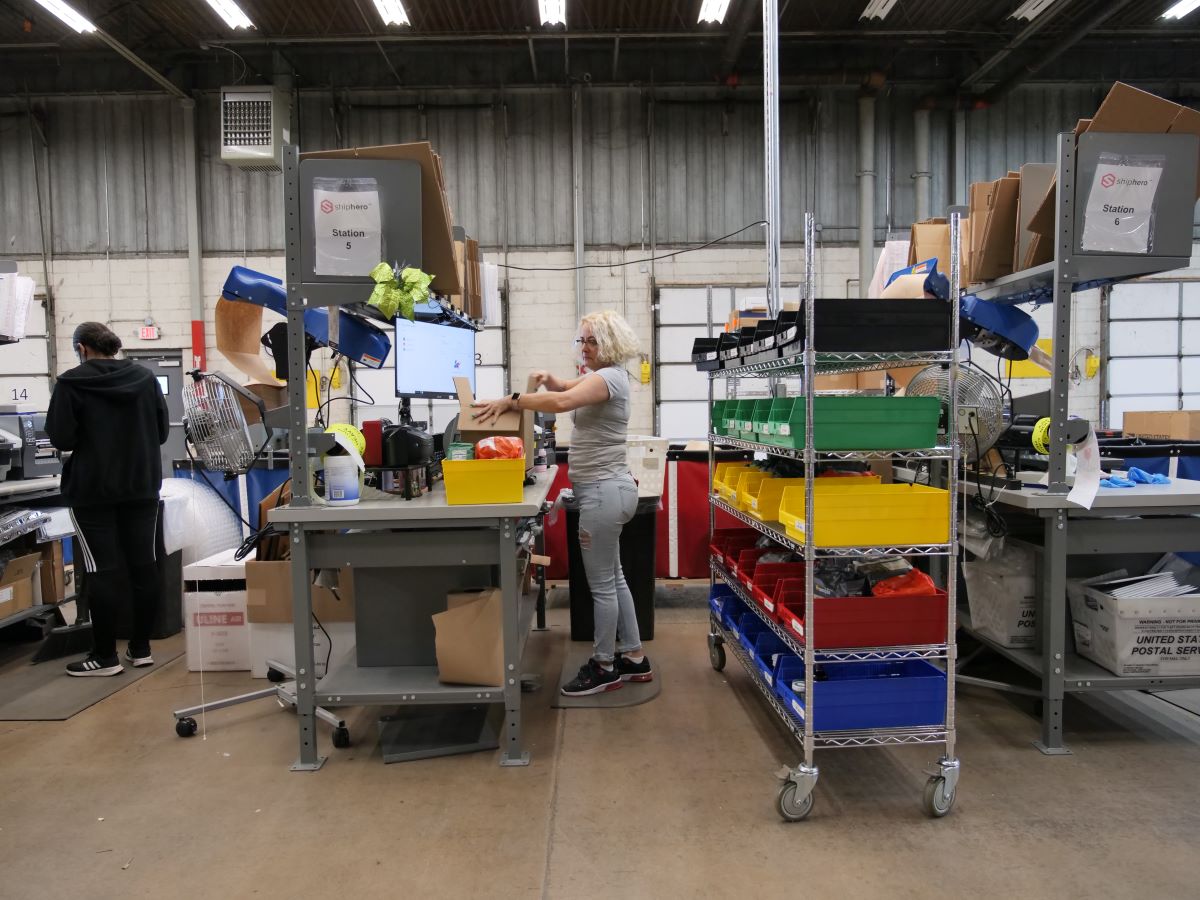
This eCommerce solution is focused on delivering a world-class shopping experience. With access to high powered page builders you can offer product recommendations, live searches, and specific shipping solutions to your customers. Recently changed from Magento to Adobe Commerce, you can manage your B2B, B2C, or D2C business in one platform. With this solution you can host multiple sites and get your business to market quickly with partner support and high powered easy-to-use tools. Plus, you can customize your experience with a long list of extensions to fill any business need Adobe Commerce may not cover on its own. If you’d like to see a demo of the software, you can request one here.
Order fulfillment is the process which gets your product from your warehouse, to your customer. While some large retail companies build out their own logistical processes, many smaller companies prefer to use a third-party order fulfillment provider instead who has already created this logistical structure and makes profit by fulfilling the orders of several companies at once.
The order fulfillment process includes inventory receiving, storing, processing, picking and packing, and shipping to the customer. When handling your shipping through Adobe Commerce, you will need to work with a fulfillment provider as Adobe Commerce does not currently have warehouse operations available to its users. Meaning once you receive an order on your stellar Adobe Commerce site, you either need to fulfill the order yourself or send your order to a third-party fulfillment provider who will pull the product from your inventory, pick, pack, and ship the product out. This process is made simpler and more automated if you pick a fulfillment provider who directly integrates into Adobe Commerce.
A fulfillment provider is a company dedicated to fulfilling the logistics of other companies. They often don’t have inventory themselves. Instead they purchase a warehouse space with the equipment and experienced staff so they can contract their fulfillment services out to companies like yours.
A fulfillment provider enhances the customer experience. With their help you can be hands off when it comes to managing and shipping your inventory which gives you more time to run your business and ensures a high quality customer experience. Especially because with a fulfillment provider they are expected and contracted to meet certain standards of delivery so your customers are satisfied with the entire purchasing experience.
Here are the top seven factors to consider when searching for the right fulfillment partner for your eCommerce business.
Integration from your Adobe Commerce site to your eCommerce platform is important. It allows manual order processes to become automated and improves your overall customer experience.
When choosing to purchase your product, the speed of your fulfillment is a big factor for customers. While on the hunt for order fulfillment providers, the speed at which they can deliver your product should be a considerable factor in the partner you choose.
When you work with a fulfillment provider, you purchase space within their warehouse. Some fulfillment services charge for storage, by the item when shipped, or by monthly average order volume.
Fulfillment providers price their services very differently. As you hunt for the perfect fulfillment partner, you can ask for a breakdown of costs to understand exactly what you’ll be paying and why. Ensure those costs fit your business needs. The best fulfillment partners will look at your current fulfillment spend, compare it to your needs, and help you find a process which saves you money.
The hassle of returns can quickly turn off a customer. A fulfillment provider who can help you with returns management in your eCommerce business can make all the difference.
You need to have the ability to connect different systems or platforms involved in your eCommerce business together so you can create a consistent shopping experience when listing your product on marketplaces like Amazon, eBay, Google, and Walmart.
Keep ease of use in mind when searching for a fulfillment provider. The goal of this solution is to take work off your plate and give you back time.
As we compared fulfillment provider solutions for Adobe Commerce, we looked at several factors. The above seven to be specific with an emphasis on the ability to integrate into your store. Based on our findings, below are the five best Adobe Commerce fulfillment providers for your store.
Here are the Best Adobe Commerce Fulfillment Companies:
With both a warehouse management system (WMS) and a fully outsourced fulfillment option, you can trust ShipHero has a solution for you. If you want to dump the headache of running your logistics, they can manage your fulfillment needs and help you strategize as you scale up.
With ShipHero you get a 30% increase in shipping speed and a 35% decrease in warehousing costs. They have a highly rated customer service team to help you with any logistical needs and a cutting edge software platform where you can view and manage your entire order directly integrated into your Adobe Commerce site.
There are no costs listed on the website, and if you’d like to get a cost you need to go through their quote process.
With ShipHero you can request pricing directly on the site and receive a demo and a customized quote to your needs. Plus your quote will have pick, pack, box & postage fees built in so you don’t have to worry about the separate cost of those items.
With the goal to help you fill orders fast and scale easily, Shipfusion handles your eCommerce fulfillment so you don’t have to. They strategize with you on the efficiency of your inventory management placement so your product is within easy reach of your customers. Plus, they offer both managed warehouse solutions and a robust eCommerce fulfillment platform.
Shipfusion offers competitive shipping rates and will help you manage customer returns. Their eCommerce platform eliminates tedious work and easily integrates into several eCommerce apps. And they can offer you temperature controlled warehousing and transportation so your food grade storage is safe. ConsShipfusion includes a minimum of 500 shipments per month. Meaning if you do less, you may need to look for a different fulfillment solution.
In order to get a price you’ll need to request a demo as their pricing varies depending on the needs of your store. As every eCommerce business is different they will customize a quote with your top needs in mind.
Their mission is to let any company, regardless of size, offer their customers fast and cost effective fulfillment. With no contracts, no minimums, and a quick start process which will allow most companies to get started within a couple minutes, they are a highly transparent fulfillment offering. They want to make sure companies who may not have huge order volumes have the same tools as a large company without the cost of the supply chain infrastructure.
There is a cost calculator tool on their site where you can input product information and get shipping costs quickly and easily if you want a quote. They have several freight options and offer benefits for selling through platforms such as Wish, Facebook, Shopify, Walmart, Google, eBay, and Instagram.
Unfortunately with Deliverr you won’t have access to international shipping which can be hard for growing eCommerce brands who want to scale.
On their pricing page, Deliverr lists starting unit prices for both fulfillment and storage. This changes based on weight, dimensions, and service level needed for the product (you can choose from three different tiers based on shipping speed). If you sign up for a Deliverr account you can login and enter your product information to quickly see the pricing to fulfill and ship those products.
Focused on DTC businesses, Shipbob can provide you with global fulfillment solutions. They offer affordable 2-day shipping and can help to develop memorable unboxing experiences. With a wide range of offerings, they want to make sure you can be hands-off when it comes to your company's fulfillment.
ShipBob will determine where best your product fits in their fulfillment centers based on the most common order locations. This way your inventory is strategically split across all their locations. With their order management software they will also track your shipments from beginning to end so you get clarity into where exactly your product is at any time.
Reviews have listed packaging errors as a common problem, for this reason you may want to ensure your contract with ShipBob includes a packaging accuracy rate.
ShipBob offers a custom quote and a monthly subscription service quote on their pricing page. Plus they also offer a fulfillment estimation calculator, if you put in the width, height, length, and weight of your item, you can see where your fulfillment cost starts at and what the storage per bin, shelf, and pallet, will cost as well.
With ShipMonk, you get both a cloud based inventory management software and fulfillment services. They boast a high performing customer team of “Happiness Engineers” who will spring into action and help when a problem arises. And they are focused on helping high-growth brands through powerful scalability.
Their software integrates with your sales channels including Amazon, eBay, Shopify, Walmart, and Target, so you can connect your order process to your shipping solution and is easy to use. Their inventory portal gives you the ability to identify your best selling SKUs and blacklist old skus. You can track your inventory levels across multiple channels, and with several fulfillment centers across the US they will split your inventory across locations and help you source the warehouse which offers the best price.
Some users report that ShipMonk also has receiving discrepancies when packing orders.
Pricing is highly transparent. They offer both an eCommerce fulfillment price and a subscription box price directly on their site. All you need to do is move the sliding scale to input about how many orders you need shipped or assembled monthly and you’ll see the cost per item shipped. Once done you can continue to get pricing for your storage needs and any additional services or one-off costs like special projects or container unloading that may occur.
As the eCommerce landscape continually and dramatically changes, you need to choose a fulfillment provider who is on top of the latest technology so your company can keep up with the rest. Especially because a fulfillment provider can make a huge difference in the customer experience!
You will benefit from automated order fulfillment when you connect your Adobe Commerce store to a fulfillment provider. If these two programs are integrated your orders can be automated. Meaning once a product is purchased from your store, the order immediately goes to your fulfillment provider to begin fulfillment and your customer gets automated updates along the way.
When looking at your order fulfillment process, there are several great ways to make improvements. First, provide order tracking for your customer and for yourself. This helps you manage customer shipping speeds and provide a high quality experience. Second, make sure to offer your customers multiple payment methods. And third, make sure your product inventory counts are correct. If you are looking for more ways to improve your order fulfillment process, here is a guide from Adobe Commerce to help.
This is the number of orders processed, divided by the number of orders received. With order fulfillment software you can monitor this rate automatically as stock adjustments and goods receipts are provided for your orders.
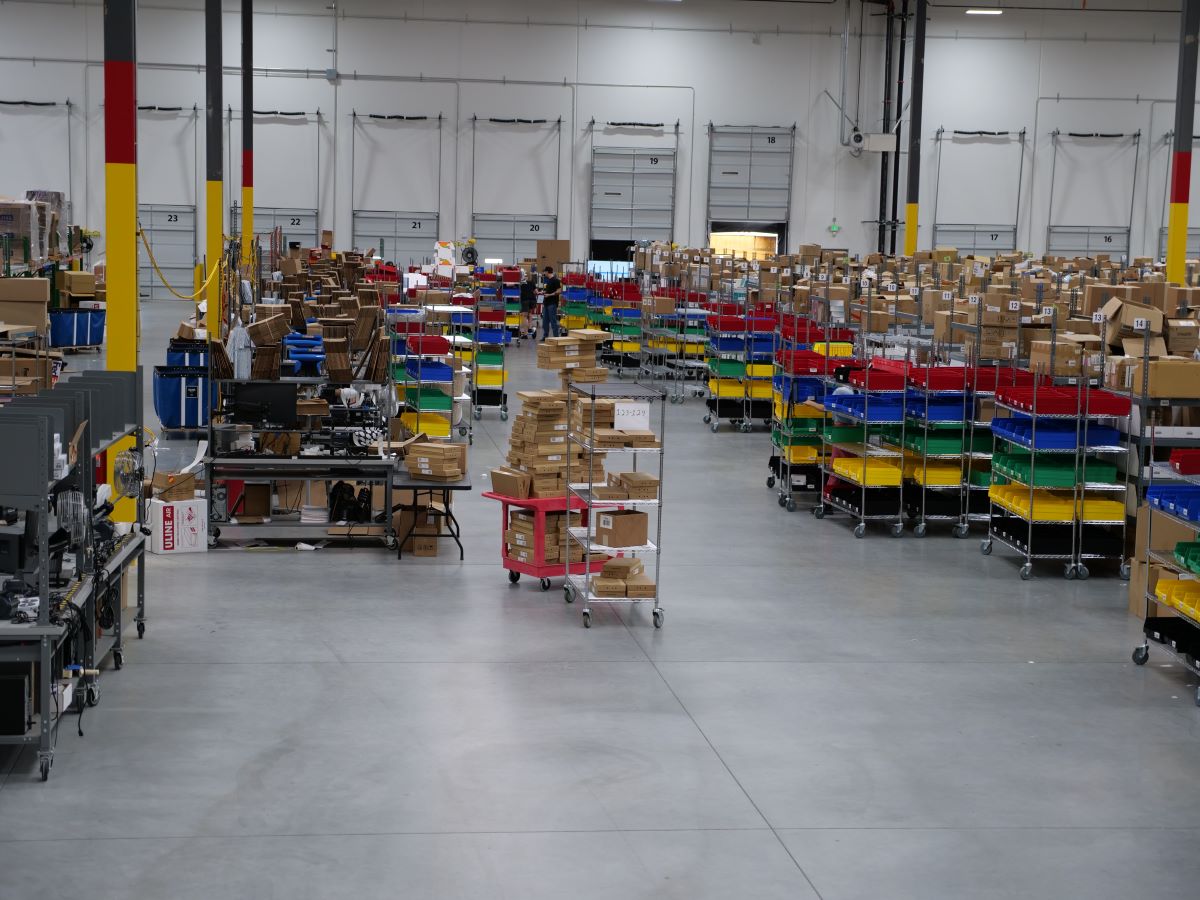
Initially known as System Analysis Program, and later abbreviated to SAP, this company has become one of the leading producers of software business management processes. It grew from a small five-person team to over 105,000 employees world wide. With more than a hundred applications produced by SAP, you can connect all aspects of your business together into one digital platform.
With SAP Sales Order Fulfillment, you can manage the orders filtering in through your business. It begins at the creation of a sales order and is highly communicative with the customer so they can monitor the status of their purchase. With SAP Sales Order Fulfillment you can create delivery documents, invoices, release credit blocks, reject sales orders, generate account documents, and much more.
When it comes to shipping goods to your client, you will need to do this yourself, or find a fulfillment provider. Many companies opt to utilize a third party fulfillment provider due to the high cost of building out a logistics process. An order fulfillment provider will sort, store, pick, pack, and ship orders for your business from its physical fulfillment center.
With an order fulfillment provider, your high quality order processing and shipping process will make things simple for those who wish to purchase from your brand, which will generate repeat business. And as a business you get to strategize with a company who has deep knowledge about the logistical industry. The best fulfillment providers will look at your order history and help you consolidate your inventory to key locations and create more efficient logistical processes to save you money. Check out ShipHero’s fulfillment services!
Companies like Amazon have made speed a huge purchasing factor for your clients. If they put an item in your cart, and see it won’t ship to them for 5-7 days, they are highly likely to leave your platform all together and go try to find the same product elsewhere. When it comes to providing top tier service and staying top of mind, you need to make faster shipping a priority. An order fulfillment partner can help.
The cost of a fulfillment partner's services often accrue in different fees. The top being the cost of storing your inventory and fulfilling your order. This may appear as a monthly overall cost based on your average order volume, or a small fee per order. Either way, they are fees to be aware of when looking for a fulfillment provider. However, compared to the cost of building your own logistical process and investing in the buildings, equipment, and people needed for it, many business owners feel these fees are worth the price.
When searching for a fulfillment provider, make sure you are keeping an eye out for what best fits your budget. Pricing is highly different between companies. Some offer you a free trial. Others offer a demo. Some want a full understanding of your inventory and order volume before they will quote you. Others have transparent pricing on their website where you can generate a quote yourself. Because this pricing will vary between companies, be sure to pick a provider who is forthcoming with any fees or overage costs you may incur.
A customer is less likely to buy from your store again if they have something they need returned, and the returns process is extremely hard. A good fulfillment partner will help you create a process to handle these returns smoothly for your client. They will also communicate with you on if you want the item to be restocked or shipped to the manufacturer if there was a defect.
A high quality fulfillment partner will integrate into the order processing technology your company currently uses. Without this integration, orders could get lost, manual data entry may be required, and it could slow down your order process. Which makes eCommerce platform integration essential for your business. Some fulfillment providers will even have engineers on site who can help build these connections between your platforms if a native connection does not already exist.
It’s important you as a business owner get as much time in your day as possible. Which means whatever platform your company uses shouldn’t be difficult to figure out. Fulfillment providers will work with you to access their solution and tie their programs into your own. But those programs should be relatively simple for you and your teams to use. Keep this in mind when a fulfillment provider is showing you their solution.
If you use SAP, you know there are many different integrations you can utilize to amp up the effectiveness of your eCommerce business. And as we grow within the digital age it’s important to understand what options are available to you. Softwares which improve your marketing, your cart check out rate, give you an ERP system, aid your sales team, or aid in the customer experience help when expanding your business. Below, is a list of software which will help you fulfill orders and enhance your eCommerce business. Let’s take a look!
With fully outsourced fulfillment options, ShipHero helps their clients develop a powerful logistics solution. They offer both order processing software and high quality outsourced fulfillment which will help you impress your customer every step of the way.
Check out ShipHero’s fulfillment services!
With Zoho, you can manage and fulfill orders, streamline multiple sales channels, and oversee your warehouses all in one platform. This inventory management software focuses on helping growing business across the US. Their app works on both Android and iOS devices so you can be connected to your business wherever you may be.
As a global leader in EDI (electronic data interchange) DiCentral can help businesses expand their supply chain. They are a leading provider of supply chain solutions around the world.
This is a procurement and purchasing software which helps your team track, control, and analyze your business spending. With this program you no longer need to use spreadsheets for your purchasing needs. You can generate purchase orders from virtually anywhere. Pros
This is a manufacturing solution which helps you enhance your production and can be used in a modular way. It empowers your shop floor workers and is built with a data security mind. Their systems will help you track your orders, shipping, and give you real-time visibility into production.
Check out ShipHero’s fulfillment services!
This company has a solution which will help you expand to meet your customer and market expectations. While not a fulfillment provider, this platform provides an integrated shopping cart software for both Microsoft Dynamics and SAP.
With their B2B eCommerce platform, your sales channels can all funnel into your own branded eCommerce app. This program helps you understand buyer trends so you can strategize key promotion plans. Their goal is to help you increase your sales and improve your margins with Sales Force Automation (SFA).
This cloud-based procurement management software allows you to gain control of your purchasing. It is highly customizable and offers tools for managing and improving your purchasing processes. With it you can manage supplier lists, item catalogs, user permissions, approvals, budgets, inventory, and even build custom reports.
This software is designed for wholesalers who look to enhance the capabilities of their sales team. With it you can create sales orders, mobile invoices, estimates, and take payments. You can also generate sales routes and track sales representatives with live GPS. And it integrates directly into your ERP solution to streamline the ordering process.
With k-eCommerce, SAP users have access to ePayment solutions worldwide. It is built for sales with the goal to drive continual growth. It has an ERP integration with SAP to help you automate and unify your business processes.
There are several solutions available to help your eCommerce business rise to the next level. As you compare businesses to find the right solution, keep in mind a good fulfillment partner should amplify your business and key software can give you time back in your day. Which should make it easier to reach your clients with your product and enable your supply chain to become a well oiled machine.
This is a fulfillment app which allows you to monitor sales orders in key stages, collaborate with your third party fulfillment partners, and address any issues which may arise.
Once a sales order has been created it starts the fulfillment process. From there, your order gets sent to your fulfillment provider who picks, packs, and ships the product out. Through the program, they can confirm receiving the order as well as send you tracking information. That way you can ensure the customer can monitor the status of their order.
While there will always be aspects of your order fulfillment you can improve, here are a few which can make a big impact if you get them right.
If you start with the above and review these strategies with a fulfillment provider who has in-depth experience in the logistical industry, you will streamline your fulfillment processes quickly.
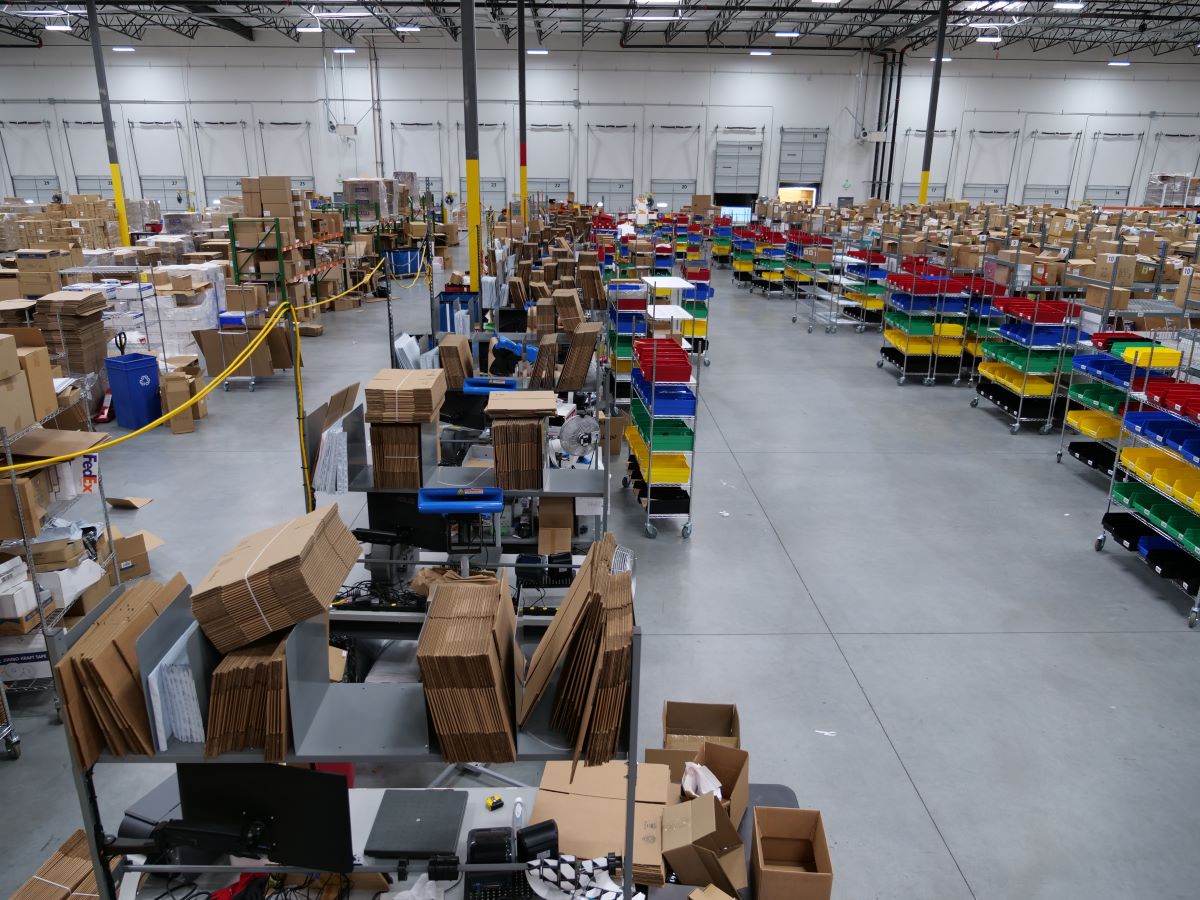
Are you an independent artist? If so, have you ever thought about using Big Cartel? On their website, they promote themselves as “Easy online stores for artists & makers.” This is an eCommerce platform where you can create an online store, add product catalogs, list different product options, develop product descriptions, display art, accept credit card payments, and run promotions. They have helped artists since 2005 sell art, clothing, prints, jewelry, clothing, and more. It is a website built “for artists, by artists” according to Big Cartel with the goal to make Big Cartel empowering for anyone who uses it. And when it comes to site design, you can customize your eCommerce store using several free themes with the simple and user friendly website builder!
Order fulfillment is the process which gets your product from your warehouse, to your customer. The process includes inventory receiving, storing, processing, picking and packing, and transporting the items to the shipping address of the customer. The efficiency of this is measured in the time it takes for an order to get to the customer’s porch once processed. While some large retail companies can afford to build out their logistical processes including purchasing a warehouse, buying equipment and trucks, and hiring a team to manage their fulfillment process, many smaller companies prefer to use a third-party order fulfillment provider instead who has already created this logistical structure.
When handling your shipping through Big Cartel, you will need to work with a fulfillment provider as Big Cartel does not currently have warehouse operations available to its users. Once you have identified a fulfillment provider, you will need to send your order from Big Cartel to the fulfilling warehouse. This happens after the payment process is completed by the customer and an order generated. If you work with companies who directly integrate into Big Cartel, this process is highly streamlined. You can simply send your order to a fulfillment provider with a click of a button instead of using a more manual process outside of your eCommerce store.
A fulfillment provider for Big Cartel will help you enhance the customer experience. They make it so you can get your orders shipped to the right place, on time, with a high quality of packaging and handling. Which means your products get to your customers safely and they have a great experience with your store.
If you use Big Cartel as your website, you’ll likely want to use a fulfillment service who can integrate directly into your program. This means a higher rate of tracking for order shipping, more shipping options, and less manual processes which can lead to lost orders. When you use a fulfillment service your company puts its best foot forward for the customer, and often generates recurring business. Because if someone has a great experience with you, they are highly likely to purchase from you again. Need a fulfillment provider? Check out ShipHero!
There are several factors to consider when searching for the right order fulfillment partner for your eCommerce business. Below are the top seven factors we recommend you consider.
Fulfillment for your business works best when your fulfillment provider integrates directly into your online store. This integration is important, it connects your business systems together so you can handle order processing in one place. It gives you the advantage by allowing your brand to keep up when many customers convert on multiple channels at once. Which means you can see your customers orders, inventory, sales, marketing, and accounting in one place, and helps you eliminate manual data entry.
In a world of single day and two day shipping, waiting any longer can stop your customers from completing orders, and send them looking elsewhere. The speed of your fulfillment is a huge factor when customers make the decision to return to your store. While on the search for order fulfillment providers, the speed at which they deliver your product should be a considerable factor in the partner you choose.
When you work with a fulfillment provider, you purchase space within their warehouse. Some fulfillment services charge for storage, by the item when shipped, or by monthly average order volume. You can count on your fees being roughly $3 to $5 per item on average. Though this tends to get higher when demand for fulfillment providers is at its peak. When you store inventory with a fulfillment partner, they will likely utilize different fees for different aspects of your inventory.
As you hunt for the perfect fulfillment partner, you can ask for a breakdown of costs to understand exactly what you’ll be paying and why. The best fulfillment partners will look at your current fulfillment spend, compare it to your needs, and help you find a process which saves you money and returns more margin to your pocket. Additional costs for fulfillment providers may include storage costs, inventory levels, distribution costs, bin occupation, palletizing costs, and much more. Though many companies find these fees preferred to the cost of setting up their own logistical operation.
A good fulfillment provider can help you navigate the road to returns with return automation, warranties, and exchanges. The hassle of returns can quickly turn off a customer. If they have a bad experience with your product, then have a bad return experience, you can almost guarantee they won’t purchase from you again. A fulfillment provider who can help you with returns management in your eCommerce business can make all the difference.
With a multichannel integration you can sell online, instore, on Amazon, on Etsy, and many other locations. Marketplaces like Amazon, eBay, Google, and Walmart are key places to sell and a prime example of multichannel retailers. Which means you need to have the ability to connect different systems or platforms involved in your eCommerce business together so you can streamline between them and create a consistent shopping experience.
Using your fulfillment providers platform shouldn’t be hard. You should never be confused about where orders go or struggle to set up your logistical processes. Keep ease of use in mind when searching for a fulfillment provider. The goal of this solution is to take work off your plate and give you back time, and a complicated fulfillment solution, likely won’t give you that relief.
As we looked at fulfillment provider options for Big Cartel, we looked at several factors. The above seven to be specific with an emphasis on the ability to integrate into your store. Based on our findings, below are the three best Big Cartel fulfillment providers for your store.
If you want to dump the headache of running your own warehouse, or if you want to run your warehouse more efficiently, ShipHero has a solution. With both a steller warehouse management system (WMS) and a fully outsourced fulfillment option their clients have peace of mind. The warehouse management system (WMS) streamlines your warehouse's entire processes and procedures to increase efficiency and cut costs.
With ShipHero you get a fully outsourced fulfillment solution with a user-friendly software interface. Plus, they focus on giving you 30% faster shipping times and can integrate directly into your Big Cartel store. And on top of all that, they have a highly rated client response team which provides you with a fulfillment expert to help with any questions or concerns in your supply chain.
There are no costs listed on the website, and if you’d like to get a cost you need to go through their quote process. This can be confusing for users who want to see pricing listed on the site but isn’t listed because ShipHero would prefer to customize your pricing to your needs.
With ShipHero you can request pricing directly on the site and receive a demo and a customized quote to your needs. Plus your quote will have pick, pack, box & postage fees built into the fees so you don’t have to worry about the separate cost of those items. Find out more about ShipHero’s Fulfillment Solution!
This fulfillment provider has a direct BigCartel integration. They are an eCommerce service focused on helping eCommerce businesses handle everything from storage selection, to picking, packing, and fulfilling. They can help with your subscription box fulfillment and simplify your fulfillment processes by distributing inventory to the most effective location based on your client order history.
With Fulfyld, you will experience seamless integration into your Big Cartel store. This platform is easy to use, offers you simple, transparent pricing, and free shopping cart and marketplace integrations. They are focused on helping you succeed and have a highly effective support team.
According to reviews, tracking numbers are said to be slower to update, and if lost inventory does occur, claims tracking can be tricky to work through as well.
With Fulfyld you get flat-rate pricing with no hidden fees. Though they don’t have pricing listed on their website, you can request a free quote. They will give you a clear list of what is included in your pricing as well as detail out each part of the fees you’ll be paying.
For those of you looking for a dropshipping, print-on-demand model for your store, Printful is a great solution. Because of their print-on-demand model, Printful will manage your inventory counts and shipping rates and various shipping options with no upfront costs, you only pay when you make a sale. Plus, they help you make personalized products to list in your store!
With Printful, you can list your product options and fulfill them through their print-on-demand model, or you can use Printful to make your products. Their website can help you design, print, or embroider any logo or picture you sell. Plus they have several print centers globally so they can support your business worldwide.
Printful does not hold any inventory, which can present a problem if your customer needs something right away but the materials are scarce.
Printful has highly transparent pricing. It’s free to sign up then as you add products to your store you will see the pricing to make and ship those products to your customer. If you approve, you can get that product listed with your markup added! Check out ShipHero’s Fulfillment Solution!
Your fulfillment provider matters. You need to choose the right provider to fit your business, and the marketplace you plan to utilize. eCommerce is a continually challenging field which ebbs and flows continually. Picking the right fulfillment partner will allow you to survive those waves!
This is depending on the fulfillment provider you choose to work with. When you receive an order in Big Cartel you have the power to mark the order as “shipped” almost immediately, which, with the email address they entered at checkout, will trigger a tracking email to your client, but this is why it’s key to have your fulfillment provider integrated directly into your store. Because your clients may not get accurate shipping information if this is a manual process.
Yes, you can do this. Once your shop is connected you can print a packing slip from the Orders tab in Big Cartel. Here is the help article on how to do so.
Yes! Printful has a direct integration into Big Cartel so you can start selling clothing, accessories, art, and other merchandise through your eCommerce store with no order minimums. You can connect Printful to Big Cartel by going to your Printful Dashboard and navigating to the Stores menu where you select and add your Big Cartel store.
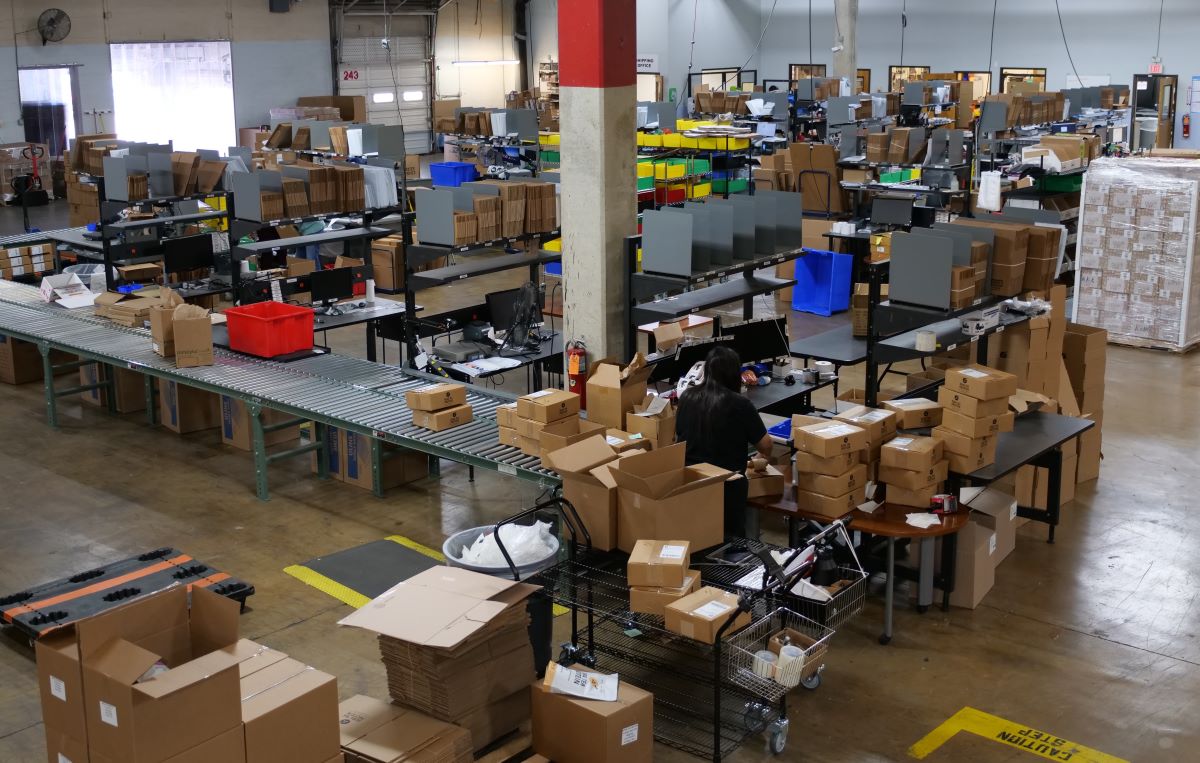
Salesforce is continually hailed as one of the largest technology companies in the world. As they build, purchase, and partner with different services, their aim is to have any tool you need for your business available within their software. And now, Salesforce has expanded this offering with Salesforce Commerce Cloud. Formally Demandware, this service is cloud-based and helps companies centralize the way they engage with customers during the sales and shipping process. This offering helps you to sell and fulfill on any channel, deliver fast and efficient fulfillment, offers order lifecycle visibility, simplifies complex order routing, and allows your business to scale on a trusted platform. Plus it integrates into several fulfillment and shipping partners your company may need to utilize.
Order fulfillment is the all important task of assembling and shipping an order to your customer. It is the process in which a product goes from your warehouse to your customers front porch all inclusive of packing, shipping, and handling. Though Salesforce Commerce Cloud gives you in depth information on customer profiles, connects your inventory and fulfillment data to your CRM, and automates sending an order to your fulfillment partner, it does not yet have the option to get your product to your customer for you. Meaning you will need to find a fulfillment partner to work with in order to complete your logistical process.
With this commerce portal, you can connect to a provider's platform, and send them orders for your business. The platform can connect to the fulfillment and shipping provider of your choice with custom API connections and workflow automations. And as orders are completed you can filter this information back into your Salesforce instance to get historical data on your customers.
Once an order is received, a fulfillment provider will pick the order from your inventory. Pack it, including any specialized packing or boxes for your company. Print shipping labels and send it to your customer on your preferred method of shipment. Many fulfillment providers have their own shipping trucks take your product directly from the fulfillment facility to your customer. Others contract with other shipping companies to get you the best competitive shipping rates on the market.
With the Salesforce Commerce Cloud you can connect your commerce channels to your marketing and sales channels so you can see the big picture in one place. This platform will help you reduce costs, increase sales, and is a flexible and trusted commerce solution. With in depth automation you can customize workflows and processes specific to your company. And when it comes to selling where your customers shop, Salesforce Commerce Cloud can connect to any channel. As your business needs grow you can continue to integrate and scale with others within their vast partner network. Find out more about ShipHero’s Fulfillment Solution!
The speed of your fulfillment is a big factor when customers make the decision to return to your store. In a world of single day and two day shipping, waiting any longer can stop your customers from completing orders, and send them looking elsewhere. As you search for order fulfillment partners keep this in mind and look for their average shipping times as well as expedited shipping time and costs so you can get your product to your customers when they want it.
When you store inventory with a fulfillment partner, they will likely utilize different fees for different aspects of your inventory. These fees could be regarding weight and size of the product, as well as fees to get your order picked, packed, and shipped. They can range roughly $3 to 5$ per item. And if you have multiple items in an order at once, some companies offer a bulk rate. PricingAdditional costs for fulfillment providers may include storage costs, inventory distribution costs, bin occupation, palletizing costs, and much more. These round up to your overly monthly cost with a fulfillment provider. As you hunt for the perfect fulfillment partner, you can ask for a breakdown of costs in order to understand exactly what you’ll be paying and why. The best fulfillment partners will look at your current fulfillment spend, compare it to your needs, and help you find a process which saves you money and returns more margin to your pocket.
The hassle of returns can quickly turn off a customer. If they have a bad experience with your product, then have a bad return experience, you can almost guarantee they won’t purchase from you again. A good fulfillment provider can help you navigate the road to returns with return automation, warranties, and exchanges. Then they can also help you either ship the product back to a manufacturer (if the problem is a manufacturer defect) or restock the item into your inventory though this may come with restocking fees.
This integration is important because it will help connect your business systems together. Which means you can see your customers orders, inventory, sales, marketing, and accounting in one place. It gives you the advantage by allowing your brand to keep up when many customers convert on multiple channels at once. And it helps you eliminate manual data entry, and improves order accuracy and automates customer notifications through their buying journey. An integration into your eCommerce platform is essential.
In your eCommerce strategy, multichannel integration means you have the ability to connect different systems or platforms involved in your eCommerce strategy together so you can streamline the processes between them and create a consistent shopping experience for your customers. With a multichannel integration you can sell online, instore, on amazon, on etsy, and many other locations. Marketplaces like Amazon, eBay, Google, and Walmart are key places to sell and a prime example of multichannel retailers.
Whatever platform you choose, you shouldn't need to be a rocket scientist to use it. Keep ease of use in mind when searching for a fulfillment provider. These solutions should make your life easier, not more complicated.
The companies below can integrate directly into your Salesforce Commerce Cloud and are decided to help your business fulfillment processes shine. Each of them have specific pros and cons which we have evaluated and outlined for you below. Remember, choosing a fulfillment partner for your business makes a big difference for the customer experience, so make sure you choose a partner who understands your needs!
Here are the Best Salesforce Commerce Cloud Fulfillment Companies:
If you want to dump the headache of running your own warehouse, or if you want to run your warehouse more efficiently, ShipHero has a solution. With a fully outsourced fulfillment option their clients have a powerful all encompassing logistics solution at their fingertips.
Cons
Find out more about ShipHero’s Fulfillment Solution!
This cloud based eCommerce solution can help automate your logistical needs. They ship directly to the customer, and provide a consistent customer experience with their omnichannel retailing solutions.
This cloud-based ERP (Enterprise Resource Planning) system is designed with small businesses in mind. It is a simple, fully customizable platform with inventory management capabilities.
Acquired by Oracle in November 2016, NetSuite can help you host eCommerce stores, manage your inventory, track financials, and update customer relationship management systems.
An easy to use omnichannel ERP, GoFrugal helps you transform the customer experience and start online business with low investment. Plus if you join their ONDC network, you can push your market reach to new heights!
This online inventory management software helps growing business in the US. With them you can manage and fulfill orders, streamline multiple sales channels, and oversee your warehouses. You can even manage your inventory on the go as their app works on both Android and iOS devices.
Find out more about ShipHero’s Fulfillment Solution!
On their website, ShippingEasy claims to give their clients access to the lowest USPS shipping rates in the industry. Plus their easy-to-use platform integrates quickly and helps you automate workflows within your business.
Your fulfillment journey will continually change. As you grow and expand so too should your fulfillment partner. We hope the above offers you several options you can consider as your business grows and moves through its fulfillment journey.
In salesforce Order Fulfillment will help you streamline the picking, packing, and shipment of your orders. It includes a package within the CRM which contains simple flows and processes you can use to create a fulfillment strategy for your business.
In Salesforce, you can build automated processes to streamline your order fulfillment. Meaning when a customer selects “order”, your process will automatically send the order to the fulfillment provider you partner with.
With the Salesforce Commerce Cloud, you get several features including the tools to create a highly responsive eCommerce website, Commerce Cloud Endless Aisle, Commerce Portals, Order Management, and access to extensive partners to help you with any business need. This is built directly into the core Salesforce Platform and is available to current users at an added cost.
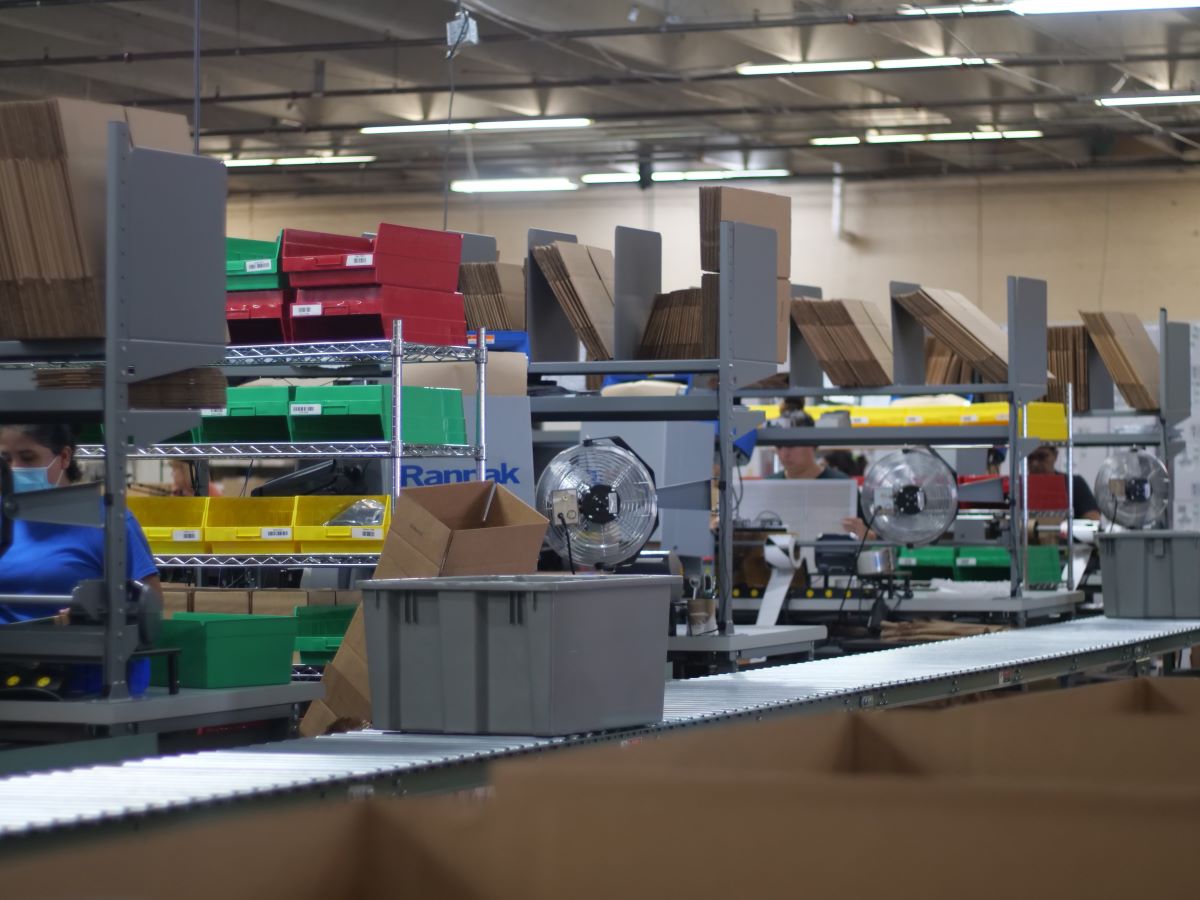
A warehouse management system improves your eCommerce business by helping your team pick, pack and ship more items faster. It also provides real-time visibility into your supply chain to give you a full picture at any moment.If you want to learn more about warehouse management systems, you’ve come to the right place. Read on for a complete guide on warehouse management systems in 2023.
Warehouse management is the process of overseeing all operations and activities in a warehouse. This generally includes receiving, picking, packing and shipping goods, planning workloads, training staff and handling customer returns.While warehouse management is barely visible to customers, it’s integral to ensure goods are delivered on time. Good warehouse management ensures every activity is run as efficiently as possible, from maximizing inventory storage to organizing goods for easy picking to ensuring returns are handled professionally.However, running a warehouse can be costly, especially for smaller eCommerce businesses. Instead of managing their own warehouses, they sometimes hire third-party logistics (3PL) companies. Outsourcing warehouse operations helps eCommerce businesses focus on expansion and sales instead of spending considerable time and resources to manage inventory and take customer orders.
A warehouse management system (WMS) is software that assists you in the warehouse management process. A warehouse management system gives you real-time updates on your inventory levels, warehouse team productivity and order fulfillment progress.Warehouse management systems are essential for managers because they can use them to gauge work performance and spot improvement areas. They also provide managers with the data and reports to make informed business decisions.The best warehouse management systems assist your company with five key processes:
One of the primary purposes of a warehouse is to receive and store inventory items from a manufacturer or distributor. Warehouse management systems let you scan and organize each new item upon arrival and storage, so you’ll know which items have arrived and where they're stored.
Inventory tracking ensures you get real-time updates on your stock levels. This helps in determining how many items you can sell and whether you should order more items based on accurate forecasts of consumer demand.As your eCommerce business grows, inventory tracking will become even more important because you may handle hundreds of goods and dozens of different product types simultaneously. Manual inventory tracking is more prone to human error and may result in costly mistakes.
When employees pick and pack items, they take the goods from warehouse shelves and pack them for shipping. Warehouse management systems can generate picking lists that instruct your warehouse team to pick items as efficiently as possible.Your warehouse management system also automatically generates shipping labels, which packers attach to products after packing them.
Warehouse management solutions let you track the shipping progress in real time. You can also show the shipping progress to customers so they know where their items are at any time.
Your warehouse management system should provide advanced reporting features that cover order fulfillment accuracy, staff inventory forecasting and warehouse expenses. Automating report creation means you don’t have to spend much time gathering data. Instead, you can immediately use the insights from these reports to improve your warehouse operations.
Warehouse management systems are useful for any company that operates a warehouse, regardless of industry. Here are examples of industries that can benefit greatly from WMS:
Manufacturers need to have good warehouse management systems because they have complicated warehouse operations that may involve combining multiple materials into new goods.A WMS can help manufacturers track each material as they’re sent in for processing and alert the staff to reorder when stocks are running low to keep production running. The system can also regulate production line speed based on consumer demand forecasts, preventing overstock or understock.
Managing a retail chain is challenging because you operate multiple stock rooms in each store. A warehouse management system helps retail business managers by tracking items as they move from your main warehouse to individual stores. It also monitors stock levels in each store and puts orders in whenever an item is running low in stock.
Food and beverage warehousing is trickier than most because products often need to be stored at specific temperatures and have expiration dates. A WMS for F&B manages shelf placement to ensure everything is stored in its appropriate places. It also regulates picking and packing to guarantee all items shipped don’t expire before they reach store shelves.
Warehouse management is at the core of every third-party logistics company, and they need a warehouse management system to excel in their job. Many 3PLs use adaptable warehouse management software to meet the various demands of their clients and juggle multiple warehouse operations simultaneously.Some third-party logistics companies even choose a baseline warehouse management system and develop their own modules according to their needs, creating client-specific dashboards tailored to every job.
You should use a WMS because manual warehouse management is prone to human error, especially if you run a large eCommerce business.Here are five other reasons why you should use a WMS:
Warehouse management systems improve your inventory management by monitoring its levels, increasing pick and pack efficiency and improving order fulfillment processes. By automating these various inventory management processes, you’ll get all the information needed to run your warehouse smoothly without spending precious time asking around or looking for data.
While customers don’t directly interact with your warehouse, it plays a big part in their satisfaction. Smooth warehouse operations with the help of a WMS means customers receive orders quickly and accurately. Even if their item is defective, a good WMS can help you handle product returns to ensure customers get their replacement goods quickly.
The right warehouse management software improves your sales and order processing speed without adding new warehouse staff. This means you can process more items and sell more products without a considerable increase in cost, ultimately improving your profit margins.
Warehouse inventory management systems generate reports on essential warehouse performance parameters like order accuracy, orders fulfilled and staff efficiency. By analyzing these reports, your management team can develop plans to improve your eCommerce business further down the road.
In addition to keeping up with customer demand, businesses must also follow local regulations and rules. A good WMS should give you the tools necessary to stay compliant with these regulations by recording real-time data, making your company easier to audit.
Warehouse management systems work by monitoring and automating key warehousing processes. Here’s a look at how warehouse management systems help you in those areas:
Tracking the goods that enter and exit your warehouse is one of the primary functions of a WMS. For incoming items, the WMS will register them in the system and send the products to the appropriate shelf or container for storage.For outgoing items, the WMS will show you which shipping service is delivering the products and provide real-time tracking information. The WMS can also show the tracking information to the customer, so they know when their products will arrive.
A WMS helps you track and manage physical inventory levels in the warehouse. When inventory stock starts to get low, the WMS can notify you to order more from the distributor or supplier before stock runs out.
When a customer order comes in, your warehouse crew picks and packs the items to get them ready for shipping. Warehouse management systems create picklists to help your team pick items faster. The WMS also creates shipping labels, so the items can be ready for shipping as soon as they’re packed.
Real-time warehouse reporting is one of the greatest strengths of a WMS. You can easily get insights into your warehouse's operation by generating real-time reports. Instead of spending hours gathering data, you can immediately use this information to make informed decisions and improve your warehouse team’s performance.
While it may be a considerable investment, a warehouse management system pays for itself in many ways. Here are eight great benefits you’ll get by implementing a WMS:
Inventory control involves managing your warehouse’s inventory levels to prevent understock and overstock. Automating inventory control through a warehouse management system means you don’t have to spend time checking inventory levels regularly. Instead, your system will notify you when it’s time to order new products.
Transparency and traceability are essential for both businesses and customers. Tracking where products are in real-time allows you to identify bottlenecks and delays in the supply chain. On the customer side, real-time product tracking ensures they know when their items are arriving.Some product safety regulations also require your goods to be easily traceable to prevent fraud and counterfeiting. From a safety standpoint, knowing where a product comes from and where it’s going also makes product recalls easier when necessary.
The relationship might not be immediately clear, but a warehouse management system contributes to customer service. Your WMS gives you real-time updates on how many items are in stock and which ones are out of stock, which means customers likely won’t order something that’s out of stock. Warehouse management improvements help you ship products quicker, satisfying your customers’ demands for fast deliveries.
There are many tasks in your warehouses or distribution centers, like picking and packing orders, loading trucks and handling returns. Your WMS can create these tasks and assign them to the relevant employees immediately based on where they are in the warehouse. Your software’s task management features also prevent workers from walking from one end of the warehouse to another when completing their work by assigning them to well-defined work zones, increasing overall warehouse efficiency.
Containerization is when you merge multiple individual shipments into a single container to ship together. You can save on shipping costs by sending multiple items in one big batch. Your WMS assists in containerization by choosing which items go into which container, ensuring they stack well and nothing gets crushed or damaged in transit.
A warehouse management system increases the overall order processing and fulfillment speed by making product picking, packing and shipping more efficient. You can deliver more items to more people by increasing order speed, increasing total revenue and customer satisfaction.
Without a WMS, you may need to create shipping labels manually, which takes a lot of time and effort. A warehouse management system can automatically generate shipping labels, so your warehouse team only needs to attach them to packages before sending them to the carrier.
Labor management features provided by a WMS track your warehouse staff performance in real time, giving you insights into how your team works. Tracking labor lets you identify possible logistics bottlenecks, pinpoint improvement areas and learn which employees may need extra training to succeed.
There are four warehouse management system types, each with unique benefits and drawbacks. Here’s a look at each WMS type:
A standalone warehouse management system is the most basic WMS in this list because it only offers warehouse management features and nothing else. A standalone WMS is usually installed on-premise, meaning the vendor will come to your warehouse and install a physical server for the WMS.Standalone warehouse inventory management software is typically the most affordable due to its limited features, but it may not be enough if you need extra functionality from your WMS. Standalone warehouse management systems are best for businesses without a large software budget and limited warehousing needs.
A cloud-based warehouse management system means the vendor provides its services through the Internet without any physical on-premise installations. Cloud WMS users usually pay a subscription fee to use these services instead of an upfront expense, making them more affordable for new businesses without large premises.Cloud-based WMS is scalable, meaning you can pay for extra accounts and features if necessary. It’s also easier to update since the vendor can do it online. However, as with most cloud-based services, you need a strong and stable Internet connection to make the most out of a cloud-based WMS.
ERP (enterprise resource planning) is a software bundle that merges numerous business functions like accounting, inventory and human resources in one package. It’s a good choice if you want to merge all your company information into one dashboard that’s accessible by all employees.While ERP systems often have a warehousing or inventory management module, it’s not the system’s core functionality. Additionally, implementing ERP is often expensive and time-consuming, so you may be better off implementing dedicated warehouse management software if you can’t commit to full ERP implementation.
Supply chain management systems work at a much broader scope than a WMS but generally still provide warehousing features. These modules work best for companies that work with numerous supply chains, like manufacturers and retail businesses.
Choosing the best WMS means picking the one that caters to all of your warehousing needs at a reasonable price. Here are five tips to help you pick the right WMS for your business.
You should first identify what you need out of warehouse inventory management software. Create a list of feature priorities based on your requirements as a guide when shopping for warehouse management systems. Don’t blindly follow the latest warehouse technology trends because what other companies need may not be what your company needs.
Ensure you have a budget before shopping for a warehouse management system. Search for popular WMS providers online, and estimate how much you’re willing to spend on the features you need.
These days, manual demand forecasting can be unreliable, and you may find yourself out of stock in periods of high demand or overstocked in periods of low demand. If your product demand fluctuates according to the seasons, it might pay to choose a WMS with demand forecasting. A warehouse management system’s demand forecasting can use historical sales to predict popular product demands, letting you increase or reduce orders based on the forecasts.
Purchasing a warehouse management system isn’t a one-and-done deal. You need to build a relationship with the vendor because they’ll provide technical support and apply updates regularly. To pick the right vendor, note how helpful their representatives are and how in tune they are with your needs and requirements.
When shopping for warehousing software solutions, make sure they provide you with room to grow. Ask your vendor representative about how much scalability and customizability their software has – this ensures it can meet your business needs even when your company grows.
A warehouse management system makes your warehouse processes more efficient through various features like automated reports, pick list generation and shipment tracking.While a good WMS offers many benefits, it’s often a major financial commitment, so you need to choose the right one before implementing it. To do so, you need to identify your company’s needs, define a budget and pick the right WMS provider that can scale with your business.
You can improve warehouse management by measuring your current performance and identifying areas for development. From there, you enhance your warehouse management by:
A WMS (warehouse management system) assists you in the warehouse management process by giving you real-time inventory updates, automatic report creation and demand forecasting, among other features.
The cost of a warehouse management system varies depending on the vendor and the features you choose. Expect to pay at least $1,500/month for an entry-level cloud warehousing system.



.svg)