
.svg)

You’re probably familiar with the term third-party logistics (3PL). But did you know there are other logistics services like second-party logistics (2PL) and fourth-party logistics (4PL)? So, what are the differences, and which one is the best? Read on to find out. Successful eCommerce Needs Strong Logistics An

.svg)
You’re probably familiar with the term third-party logistics (3PL). But did you know there are other logistics services like second-party logistics (2PL) and fourth-party logistics (4PL)?
So, what are the differences, and which one is the best? Read on to find out.
An eCommerce business lives or dies at the hands of its logistics. Smaller local businesses can operate fine with first-party logistics, handling deliveries in-house. However, many eCommerce businesses get customers from all over the world, making in-house deliveries nearly impossible.
If you can’t get products to customers safely and punctually, customer satisfaction will drop and you’ll likely lose sales. To ensure that doesn’t happen, you must partner with great logistics solutions providers.
The main differences between 2PL, 3PL and 4PL are the complexity and parties involved. Here’s a quick breakdown of each logistics operator type and how many parties are involved:
Second-party logistics are mostly responsible for transporting your items from the warehouse to customers. As far as logistics go, second-party logistics operators have the simplest task since they only do one thing – get your products to customers.
The advantages of working with 2PL companies are:
Meanwhile, the disadvantages of working with 2PL companies are:
Third-party logistics are much more involved with your operations since they’re responsible for receiving, storing, picking, packing and sending your products. Some of them even handle customer returns and complaints.
Lots of companies work with third-party logistics companies since they don’t have the space or budget to run their own warehousing operations. Instead, they send their products to 3PL fulfillment centers where the logistics operator will take care of everything.
Some of the best print-on-demand companies also offer 3PL-like services where they take customer orders, print the items and send them out without the client’s intervention.
Here’s what you get by working with 3PL companies:
On the other hand, 3PL also has some drawbacks, like:
A fourth-party logistics provider is even more hands-on in managing your supply chain operations. They offer integrated logistics solutions – they don’t just work with what’s there but also come up with new ideas and offer additional services to address possible issues to achieve efficient supply chains.
Essentially, fourth-party logistics companies are supply chain operators and consultants. They’ll advise you on whether you need discreet shipping and packaging for products, what kind of shipping you should offer and many other aspects of logistical operations.
Working with a 4PL service provider gives you most benefits offered by a 3PL, in addition to these perks:
Meanwhile, the disadvantages of working with 4PLs are:
How these logistics providers work might seem a bit abstract, especially if you’ve just now heard about them. Here, we cover simple examples of how 2PL, 3PL and 4PL companies work.
If Company X works with a second-party logistics provider, how it gets goods to customers would go something like this:
If Company X works with a third-party logistics company instead, you’d see a process like this:
If Company X works with a fourth-party logistics company, the workflow will look a lot like the 3PL version. However, the 4PL partner will find the most affordable shipping companies and may communicate with Company X’s vendor to increase or decrease production, depending on how many products are in the warehouse.
Costs matter in choosing a logistics strategy, especially when it comes to prices. 2PLs are usually the cheapest because they only ship your items. Depending on the company, you might pay for every shipment individually or get subscriptions for discounted shipping costs.
3PLs usually work on a monthly or yearly subscription model, but some may charge per item delivered. Costs vary depending on the size of your business and can be as low as a few cents per item to thousands of dollars per month.4PLs are the most expensive of the three options since they offer consultancy services and logistics assistance.
4PL companies usually offer custom pricing, so each partner will charge you differently.
Your business needs different types of logistics providers and software, depending on your business goals and needs. A 3PL is the most common option, but you can opt for a 2PL if you’re already doing in-house logistics management or a 4PL if you want to outsource your entire supply chain and logistics process.
If you don’t know which one to pick, meet with 3PL consultants and ask them about which option is best for your company.
The main difference between 2PL, 3PL and 4PL companies is their scope of work. 2PL providers are essentially shipping carriers, 3PL companies take over your inventory and warehousing operations while 4PL companies control almost your entire supply chain network.
All three logistics company types offer different things, so talk to consultants and do some research before choosing which type of logistics provider is the best for you.
The three main types of logistics are:
The main difference between 3PL and 4PL is its scope. 3PL companies take over your supply chain and logistics operations but don’t have the power to make decisions on their client’s behalf. Meanwhile, 4PL companies are more like partners in that they can negotiate with shipping carriers and influence production for the client’s benefit.
Freight forwarders are a 2PL because their main business activity is sending products from a company to the customer.
.webp)
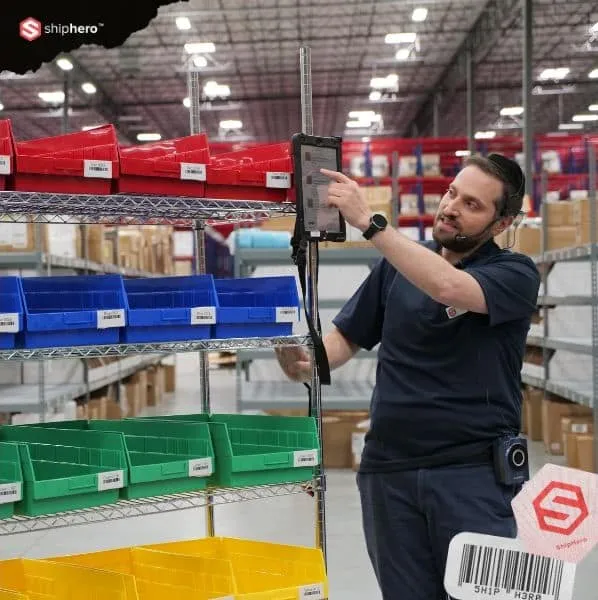
Discover the role, benefits, key features, requirements, and implementation of a 3PL Warehouse Management System (WMS) for optimizing warehouse operations. Learn about scalability, integration, real-time visibility, and customization options to choose the best solution for your business.
.svg)
Explore the top 3PL companies in Canada and learn how third-party logistics providers play a vital role in optimizing supply chains. Discover the benefits of partnering with a 3PL, key services offered, and steps to start working with a 3PL in Canada.
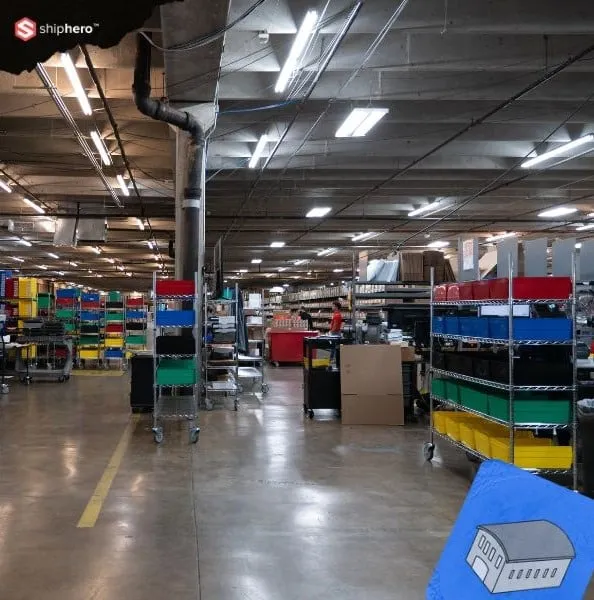
Discover the top 5 best third-party logistics (3PL) companies for your business needs, offering extensive networks, advanced technology, and superior customer service. Learn about the benefits of 3PL services, how to choose the right provider, and avoid common mistakes.

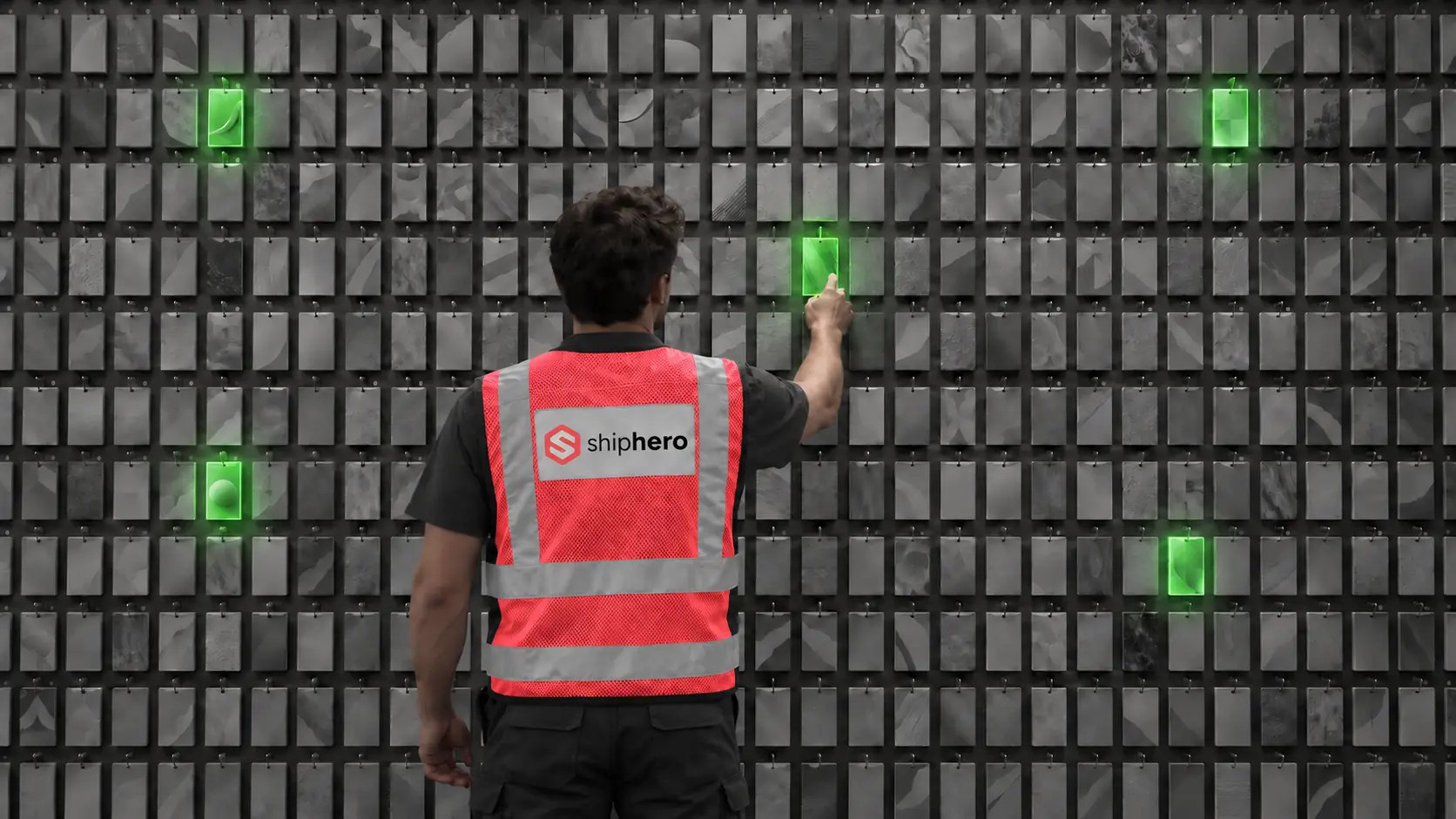
At the denser wall, average picking time per order fell from 40 seconds to 13, and orders that ran clean from start to finish rose from 18% to 97%. This is the companion to our Direct Pack + Pack-to-Light case study, from the same research.




.svg)



.webp)