
.svg)


.svg)
Many businesses work with third-party logistics (3PL) companies to handle their logistics processes. Different companies have different needs, and you need to outline the parameters of each partnership to ensure smooth collaboration. 3PL contracts can let you do just that.
3PL contracts outline the terms of your partnership and ensure everybody agrees with the deal before moving forward with the business relationship. However, drafting contracts from scratch each time can take time. That’s where 3PL contract templates come in. They’re pre-made documents that let you draft contracts quicker, so you can seal the deal sooner.
What goes into a 3PL contract template, and what do you need in them? Keep reading for a thorough guide to contract templates, complete with downloadable samples!
A 3PL contract template is a pre-written pattern for a third-party logistics agreement. It generally contains standard information that won’t change between partnerships. To accommodate different potential partners, a 3PL contract template usually has fillable parts to put in the partner’s information, cost calculations and other non-standard details.
Contract templates save time and effort because you don’t have to write a new contract every time you want to make a new logistics agreement. In addition to time and cost savings, contract templates make approval quicker because you already know what’s written in these contracts. Instead of reading the entire document, you can just focus on the variable fields to ensure everything is good to go before signing.
Different companies want different things from a third-party logistics provider. For instance, some clients may only need warehousing services, while others need all-in logistics management. Templates help, but 3PL companies might not be able to use the same template for all their business deals.
Different needs mean you can’t just use any contract template you find on the internet as-is. You either need to make a template from scratch or modify a template from the internet to suit your company’s unique needs.
Here’s a look at two downloadable 3PL contract templates you can use for inspiration:
This 3PL contract template is a good baseline for your own version. The document tells you what to put in each fillable field, which simplifies the drafting process. It also includes lots of common clauses that you can either implement in your own template as-is or modify to fit your company’s needs.
Sample third-party logistics contract
In some cases, you may need a confidential contract due to copyright-protected products or other reasons. In that case, you should use a 3PL contract template with built-in confidentiality clauses to protect you or your partner’s company. Make sure the clauses are strong and thorough enough to meet both parties’ needs and that your staff upholds the confidentiality rules throughout the partnership.
Here’s a sample confidential 3PL contract to inspire your own template:
Sample confidential third-party logistics contract
What does a 3PL contract contain? While the specifics may differ, there are some elements found in many contracts across the logistics service industry.
Here’s a look at many important elements commonly found in 3PL contracts. This isn’t a definitive list, so your contract may have more or less elements depending on the nature of your business.
The duration of the agreement governs how long this contract will last. This element also explains what to do in case either party wants to renew the contract.
3PL companies handle other people’s goods. Warranty clauses give their clients peace of mind by outlining how the 3PL will be handling their products and what happens if the company fails to do so. 3PLs should work with their legal team to make warranty clauses that put clients at ease.
Damage and liability provisions define who’s responsible when products are damaged. These provisions limit either party's liability, so they don’t have to take the brunt of the responsibility if something goes wrong during your partnership.
Inventory management expectations outline the services a 3PL is giving the client and what metrics they should be judged by. The 3PL’s service level agreements (SLAs) and performance metrics are generally included here.
Some example SLAs you might find here are:
Defining SLAs is a balancing act since 3PLs must protect the client’s business without imposing overly high standards on their team.
Both parties should come up with these SLAs together to ensure they’re balanced. You should also hold recurring SLA re-alignment calls to ensure the standards are always clear.
IT requirements define what kind of software companies use to provide 3PL services. Most 3PLs use warehouse management systems to conduct their services. But if either party needs to use other 3PL software or hardware in this particular partnership, they’re outlined here.
This section also outlines the parameters of the 3PL company’s reporting. What items should be reported, what form the report should be delivered in and report frequency should be well-defined to ensure the client stays updated on what goes on in their logistics operations.
This section governs how the 3PL company gets paid. It defines when they send the invoice for each payment period and how the client shall pay for services rendered. The 3PL company can also explain the penalty for late payments here. For instance, the 3PL company can say that it has the right to cease operations if the client doesn’t pay invoices on time.
This section defines what kind of methods the signing parties use to settle legal affairs. Generally, you can choose to solve disputes through arbitration or the courts. Consult with your legal staff or attorney to choose the best dispute resolution method for your company.
Inventory shrinkage happens because of many things. It can be paperwork errors, system issues, or even theft. To ease the client’s mind, 3PLs need to put an inventory shrinkage allowance in the contract.
Here’s how inventory shrinkage allowances work: Let’s say a 3PL company puts a shrinkage allowance of 0.5%. This means the client will bear the first 0.5% loss, but the company will pay for any losses above 0.5%. This limits the client’s risk and ensures they won’t lose too much money even if shrinkage happens.
The 3PL should clearly limit the scope of inventory shrinkage. Most 3PL companies only account for the shrinkage that happens in their warehouses. If shrinkage happens while the products are with clients, manufacturers or shipping carriers, they won’t count against the allowance.
Product demands fluctuate, so clients need to keep their 3PL partners informed of any potential spikes in demand due to holidays, promotional campaigns and other marketing efforts. In this section of the contract, you need to outline how far in advance the client needs to send order forecasts so the 3PL’s team can prepare the personnel and warehouse space needed to handle the influx of orders.
The client probably can’t forecast demand spikes fully, but the 3PL can set an accuracy range instead. If the client’s forecast is way off the mark, the 3PL can charge extra for additional labor and services provided.
A good way to ensure demand alignment is holding a regular call to discuss upcoming promotions, holidays and other events that may increase product demand.
Clients can better understand how the logistics company treats their products when they visit a fulfillment center. This is completely normal since they’re paying a pretty penny to receive logistics services.
However, 3PL providers should regulate client visits by requiring prior notification that they’re about to visit. This way, a company representative can accompany the client to answer their questions.
Another thing this section governs is their account management. In many cases, business relationships heavily hinge on relationship management between the two parties. This section should outline the account manager’s standards and decide whether either party can ask for their removal if they consistently underperform.
This section outlines what kind of insurance each party should have for the duration of their 3PL partnership as well as their coverage values.
Common insurance coverage types 3PL contracts may stipulate include:
Since 3PL companies and their clients work together closely, it stands to reason one party might be interested in hiring employees from the other. To prevent conflict, you need to outline the terms and conditions of hiring each other’s employees.
If one party allows the other to hire terminated or laid-off employees, you can implement a waiting period before they’re eligible for employment.
This section usually comes into play for companies positioning themselves as independent contractors. Essentially, it outlines that the logistics company is an independent contractor, not a joint venture partner.
An indemnification clause shifts the cost of lawsuits from one party to another. An example of indemnification happens when a 3PL company asks the client to pay legal fees if a third party ever sues the company for harm caused by the client’s product.
Since the client is the supplier, assuming the 3PL wasn’t negligent, they’re responsible for taking on the lawsuit.Since this is a legal matter, you should consult your lawyer when drafting the contract template’s indemnification clause.
When a client gives a 3PL company advertising rights, it’s allowed to use the client’s company name and logo on promotional material like websites, brochures and trade show booths. This section governs which marketing materials 3PLs can put the client’s company in.
Assignment provisions rule whether this contract can be assigned to another party without the consent of the co-signer. A scenario where this provision may come into play is if another company acquires the client.
Both signing parties of a 3PL contract have intellectual property to protect, and these clauses govern how to protect them. Things to protect as intellectual property include:
These clauses govern how either party can terminate the contract. Naturally, these contracts are terminated simply by letting the agreement period pass.
But you can include a provision where one party can cancel the service agreement by submitting a termination notice. Typically, this notice period is two to three months.
The cost of eCommerce fulfillment services may increase due to various price hikes as time passes. This section outlines the regularity and amount of a logistic service provider’s price adjustments. Generally, price increases happen annually based on a certain metric, like a set percent or the consumer price index.
A 3PL contract defines the terms of a working agreement between a logistics provider and its client. It governs every detail of the relationship to ensure everybody knows what they’re getting into and prevents disputes from happening down the line.
3PL contract templates help you draft contracts quicker since you don’t have to make contracts from scratch for each partnership. Instead, you can start with a pre-written document and modify the contents according to your needs.
In addition to good contracts, a robust warehouse management system (WMS) is integral to a 3PL company’s success. ShipHero’s WMS is here to help 3PLs improve order accuracy, reduce warehouse costs and so much more. Contact us today to learn how our WMS can help you.

A 3PL service agreement is a document that outlines the rights and obligations of a 3PL company and its client. It governs the 3PL’s scope of work, work standards, service prices and other essential details of the logistics partnership.
Some common elements in a 3PL contract template include:
To ensure a fair 3PL agreement, businesses should hold discussions and find a solution that benefits the 3PL company and the client.
.webp)
A 3PL Warehouse Management System (WMS) is a software solution that helps companies manage and optimize their warehouse operations. It provides a centralized platform for handling tasks such as inventory management, order fulfillment, shipping, and receiving.
It’s an essential tool for third-party logistics providers that lets them efficiently manage their clients' warehouse operations.
A key challenge third-party logistics providers face is managing the vast amount of inventory stored in their warehouses. The 3PL Warehouse Management System addresses this challenge by providing a comprehensive set of tools and functionalities to effectively manage and control warehouse operations.
At its core, the 3PL WMS is a software application that integrates with the existing warehouse infrastructure and automates various processes like inventory management, order fulfillment, and shipping. It provides real-time visibility into inventory levels. And it helps logistics providers optimize storage space and ensure accurate stock levels.
Moreover, the 3PL WMS enables efficient order processing by automating tasks like order picking, packing, and labeling. It provides warehouse staff with detailed instructions on how to fulfill each order, and this minimizes errors while improving overall productivity.
Another key feature of the 3PL WMS is its ability to track and trace goods throughout the warehouse. By using barcode scanning or RFID technology, the system can accurately track the movement of inventory from the moment it arrives at the warehouse to the moment it leaves for delivery.
Furthermore, the 3PL WMS offers advanced reporting and analytics capabilities. They can generate reports on key performance indicators like order accuracy, on-time delivery, and inventory turnover. This helps businesses identify areas for improvement.
In addition to these core functionalities, the 3PL WMS can be customized to meet the specific needs of different industries and clients. For example, it can support temperature-controlled storage for perishable goods or provide specialized picking algorithms for eCommerce fulfillment.
In conclusion, the 3PL Warehouse Management System is a powerful tool that enables third-party logistics providers to efficiently manage their clients' warehouse operations. By automating key processes and providing real-time visibility into inventory, the system helps improve productivity, accuracy, and customer satisfaction. It’s an indispensable asset for logistics providers in today's complex and competitive business environment.
To further understand the scope and benefits of third-party logistics, explore our detailed guide on 3PL services, which highlights how these services streamline operations and enhance efficiency.
Implementing a 3PL Warehouse Management System can bring numerous benefits to a company.
Firstly, it provides real-time visibility into stock levels and locations to reduce the risk of stockouts and minimize excess inventory.
Secondly, a 3PL WMS improves order fulfillment efficiency by automating processes like order picking and packing. This leads to faster order processing times and improved customer satisfaction.
Additionally, a 3PL Warehouse Management System lets companies optimize their warehouse space utilization. By providing insights into optimal storage locations and recommending efficient picking routes, it maximizes the storage capacity and minimizes unnecessary movement.
Lastly, a 3PL WMS enhances supply chain visibility by providing real-time tracking and reporting tools. This lets companies monitor the flow of goods, identify bottlenecks, and make data-driven decisions to improve overall efficiency.
Ecommerce businesses require specialized inventory management solutions to meet the dynamic demands of online retail. Learn more about ecommerce inventory management software that complements 3PL WMS for seamless integration and enhanced efficiency.
A good 3PL Warehouse Management System offers a range of features to support warehouse operations. These features include:
Choosing the right inventory management software is crucial for optimizing warehouse operations. Discover the best inventory management software options that can seamlessly integrate with 3PL WMS to provide comprehensive inventory control.
When considering a 3PL Warehouse Management System, it's important to assess the specific requirements of your business. Some key considerations include:
A key advantage of a 3PL Warehouse Management System is real-time visibility into warehouse operations.
Companies can access up-to-date information on inventory levels, order statuses, and overall performance at any time so businesses can quickly identify and address bottlenecks.
Following these steps will help you carefully plan and integrate a 3PL Warehouse Management System:
When choosing a 3PL Warehouse Management System, it's important to consider the following factors:
The cost of a 3PL Warehouse Management System can vary depending on factors like the size of your business, the features you want, and the vendor you choose. Some vendors offer pricing models based on the number of users or the volume of goods processed. Request quotes from different vendors and consider the long-term ROI when evaluating the cost of a 3PL WMS.
A 3PL WMS helps companies manage and optimize warehouse operations, including inventory management, order fulfillment, and reporting.
A 3PL Warehouse Management System can improve inventory accuracy, order fulfillment efficiency, warehouse space utilization, and supply chain visibility.
Key features include inventory tracking and management, order management, picking and packing optimization, real-time reporting tools, and system integration capabilities.
The cost varies depending on factors like the size of the business, desired features, and the vendor chosen. It's important to request quotes and consider long-term ROI.
.svg)
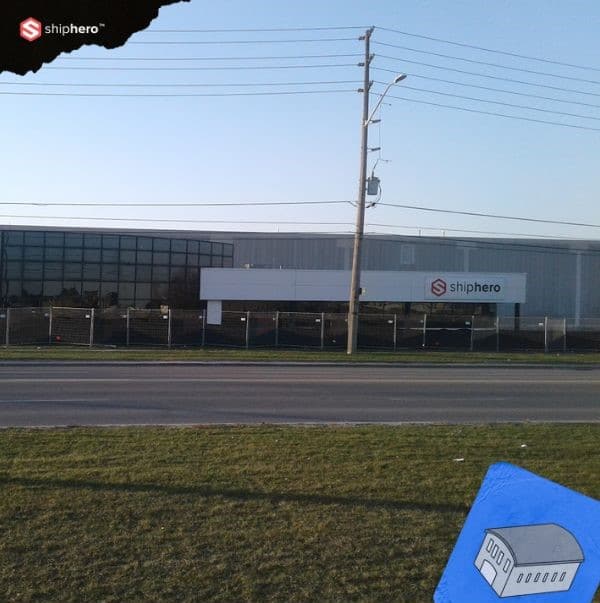
If you're looking for the best 3PL companies in Canada, you've come to the right place. This article will introduce you to some of the top players in the industry and provide valuable insights into the world of third-party logistics in Canada.
Before going into the specifics, it’s important to understand what third-party logistics or 3PL is.
In simple terms, 3PL refers to the outsourcing of supply chain management functions to a specialized company. These companies handle various aspects of logistics like transportation, warehousing, and distribution on behalf of their clients.
By entrusting their logistics operations to a 3PL provider, businesses can focus on their core competencies while benefiting from the expertise and resources of the 3PL company. It's a win-win situation that has gained popularity across industries.
In the transportation arena, 3PL providers play a crucial role ensuring the smooth movement of goods from one location to another. They have extensive networks of carriers and can negotiate favorable rates that save their clients money. Additionally, 3PL companies have the expertise to optimize routes, track shipments in real-time, and handle any unexpected issues that may arise during transit.
Warehousing is another area where 3PL providers excel. Most have strategically located warehouses equipped with state-of-the-art technology and systems to efficiently store and manage inventory. This helps businesses reduce their warehousing costs and benefit from extra scalability and flexibility. With advanced inventory management systems, businesses have real-time visibility into their stock levels, ensuring timely replenishment and minimizing stockouts.
And beyond transportation and warehousing, 3PL provider services can include order fulfillment, packaging, labeling, and even customer support. By leveraging these additional services, businesses can enhance their overall supply chain operations and improve customer satisfaction.
A key advantage of partnering with a 3PL provider is access to their expertise and industry knowledge. 3PL companies are always up to date on the latest trends, regulations, and best practices in logistics. They can provide valuable insights and recommendations to optimize supply chain processes across many industries.
Another benefit of working with a 3PL provider is scalability. With a 3PL partner, businesses can easily scale up or down their logistics operations without significant investments in infrastructure or resources. They can adapt quickly to market demands and seize new opportunities.
In conclusion, third-party logistics, or 3PL is the outsourcing of supply chain management functions to specialized companies. These companies handle transportation, warehousing, and distribution on behalf of their clients, letting businesses focus on their core competencies. 3PL providers offer expertise, cost savings, scalability, and value-added services, making them an attractive option for businesses across industries.
To have a better understanding of how 3PL companies operate and the diversity of services they offer, consider reading our comprehensive overview of 3PL companies, which provides insights into selecting the right partner for your logistics needs.
In Canada, the 3PL market is vibrant and competitive. With its vast geographical area and robust trade relationships, the country presents numerous opportunities for logistics companies.
Canadian 3PL providers offer a wide range of services, catering to industries like retail, e-commerce, manufacturing, and healthcare. From managing inventory and order fulfillment to overseeing transportation networks, these companies play a vital role in the supply chains of businesses across the country.
The 3PL market in Canada is constantly evolving to meet the changing demands of businesses. As companies seek to optimize their supply chains and provide seamless customer experiences, the role of 3PL providers becomes increasingly important.
A Key factor driving this growth is the rapid expansion of e-commerce. As more and more Canadians turn to online shopping, businesses need efficient and reliable logistics solutions to fulfill customer orders quickly and accurately.
Canadian 3PL companies offer a comprehensive range of services to meet the specific needs of their clients. Common services include:
These services can be tailored to suit small startups, large corporations, and everything in between. By leveraging the expertise of 3PL providers, companies can streamline their operations and gain a competitive edge in the market.
To explore the specific services provided by third-party logistics providers and how they can transform your supply chain, explore our detailed discussion on 3PL services, offering a closer look at how these services streamline operations for businesses of all sizes.
Partnering with a 3PL company in Canada offers several benefits for businesses:
Overall, partnering with a 3PL company in Canada is transformative for businesses, offering a pathway to reduce operational costs, enhance efficiency, achieve scalability, maintain a focus on core business areas, and leverage expert insights.
These combined benefits create a formidable foundation for businesses to thrive and expand in the highly competitive Canadian marketplace.
Small and medium-sized enterprises seeking to capitalize on these benefits should explore our detailed guide on 3PL for small businesses. This resource is tailored to help smaller companies understand how to effectively utilize 3PL partnerships to enhance their logistics operations and support growth.
Several 3PL companies in Canada stand out for their industry expertise, reliability, and customer satisfaction::
Each of these 3PL companies in Canada brings its unique strengths to the table, from extensive national networks and fast delivery capabilities to specialized services and global reach. Choosing the right 3PL partner depends on a business’s specific logistics needs, growth goals, and the strategic value the 3PL can provide in facilitating efficient and effective supply chain operations.
If you're considering partnering with a 3PL company in Canada, here are a few steps to get started:
In conclusion, the best 3PL companies in Canada offer a range of services to optimize supply chains and fulfill the unique logistics needs of businesses. By partnering with a reputable 3PL provider, businesses can unlock new efficiencies, lower costs, and gain a competitive advantage in the Canadian market.
The cost of 3PL services in Canada varies based on factors such as the scope of services required, volume of shipments, and industry-specific needs. It's best to request quotes from multiple providers to get an accurate estimate.
Absolutely. 3PL providers offer scalable solutions, making them suitable for businesses of all sizes. Small businesses can leverage the expertise and resources of 3PL companies to optimize their logistics operations and compete more effectively in the market.
Choosing the right 3PL partner requires careful consideration. Look for companies with experience in your industry, a strong track record, and the ability to meet your specific requirements. Conducting thorough evaluations and interviews will help you gauge compatibility and make an informed decision.
Yes, many 3PL providers in Canada can handle international logistics. They can handle customs clearance, freight forwarding, and global transportation, ensuring a smooth flow of goods across borders.
Absolutely. Many 3PL companies in Canada specialize in niche industries, such as healthcare and pharmaceuticals. They have the necessary certifications, infrastructure, and experience to ensure compliance with industry regulations and safely handle critical goods.
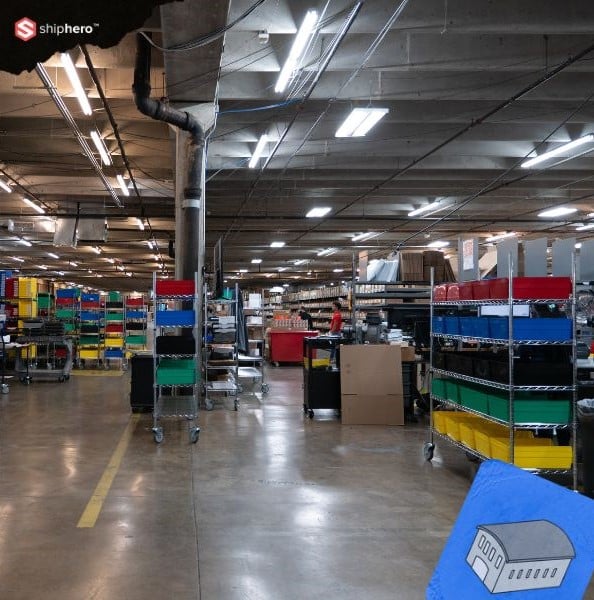
Many businesses turn to third-party logistics (3PL) companies for their shipping, warehousing, and fulfillment needs, but it can be overwhelming to choose the right 3PL provider for your business with so many available options. Any of these five 3PL companies would be a great place to start:
If you know what a 3PL is and why you might need it, then you have five places to start your search. If you don’t know much about 3PLs, keep reading.
Third-party logistics refers to the outsourcing of logistics activities to a specialized company. These companies handle tasks such as transportation, warehousing, inventory management, and order fulfillment on behalf of their clients. By partnering with a 3PL provider, businesses can streamline their supply chain processes and focus on their core competencies.3PL companies offer a wide range of transportation services. They generally have a network of carriers and can negotiate favorable rates for shipping goods. By road, air, rail, or sea, these companies have the expertise to ensure that products reach their destination efficiently and on time. They also handle all the necessary documentation and customs clearance, taking the burden off the businesses.Warehousing is another crucial aspect of logistics that 3PL companies excel in. They have strategically located warehouses equipped with the latest technology and infrastructure to store goods safely and efficiently. These warehouses are often equipped with advanced inventory management systems that allow businesses to track their inventory in real-time. This ensures that businesses always have visibility into their stock levels and can fulfill customer orders promptly.Inventory management is a complex task that requires careful planning and execution. 3PL companies have dedicated teams that specialize in managing inventory. They use sophisticated software systems to track stock levels, monitor expiration dates, and optimize storage space. By outsourcing this function to a 3PL provider, businesses can minimize the risk of stockouts and reduce carrying costs.Order fulfillment is the final step in the logistics process, and 3PL companies play a crucial role in ensuring orders get delivered accurately and on time. 3PL companies often have efficient order processing systems in place to handle everything from picking and packing to labeling and shipping. With their expertise, businesses can provide their customers with a seamless and reliable order fulfillment experience.Overall, partnering with a 3PL provider offers numerous benefits for businesses. It lets the business tap into the expertise and resources of a specialized logistics company, optimize their supply chain, and improve customer satisfaction. By outsourcing logistics activities, businesses can focus on their core competencies and gain a competitive edge in the market.If you're new to the concept of third-party logistics and curious about the breadth of services they offer, our comprehensive overview on 3PL services breaks down everything from warehousing to order fulfillment, equipping you with the knowledge to make informed decisions.
3PL companies come in all shapes and sizes, offering a wide range of services to cater to different business needs. While some 3PL providers specialize in specific industries or regions, others offer comprehensive solutions that can be tailored to any business. The top 5 best 3PL companies on our list have proven track records, extensive networks, and a reputation for delivering exceptional results.
eCommerce businesses, retailers, manufacturers, and distributors are among the industries that commonly use 3PL providers. Startups and small businesses often choose 3PL companies to handle their logistics needs so they themselves can focus on growth and core competencies. Larger corporations also benefit from outsourcing logistics tasks; they can streamline their operations and gain access to specialized expertise. Startups and small businesses often face unique challenges in logistics and supply chain management. Dive deeper into how a 3PL can be a game-changer for small businesses by visiting our detailed guide on 3PL services for small businesses, offering insights to streamline your operations and focus on growth.
The top 5 best 3PL companies mentioned above excel in certain core competencies that set them apart from their competitors. These core competencies include:
When choosing a 3PL provider, it is crucial to consider their fulfillment center locations and warehousing capabilities. The top 5 best 3PLs above have strategically located warehouses across the country, allowing for faster and more cost-effective shipping. These companies have invested in state-of-the-art warehousing facilities that prioritize efficiency, security, and scalability.
eCommerce businesses rely heavily on effective supply chain management to ensure timely order fulfillment. The top 5 best 3PL companies integrate seamlessly with popular eCommerce platforms such as Shopify, WooCommerce, and Amazon. They also support multiple sales channels, including marketplaces like eBay and social media platforms. By leveraging the capabilities of these 3PL providers, eCommerce businesses can enhance their customer experience and boost sales.
When selecting a 3PL provider, consider their track record of customer satisfaction. The top 5 best 3PL companies have a proven history of delivering a high level of service and exceeding customer expectations. They have earned positive reviews and testimonials from their clients, showcasing their commitment to excellence.
If you decide to partner with a 3PL provider, the onboarding process is generally straightforward. It typically involves:
By following these steps, you can start leveraging the benefits of 3PL services and optimizing your supply chain management.
While selecting a 3PL provider, avoid these common mistakes that can lead to poor service or unsatisfactory results:
By being aware of these common mistakes, you can make an informed decision and select a reliable and suitable 3PL provider.
The cost of 3PL services can vary depending on the volume of shipments, storage requirements, and the complexity of logistics operations. 3PL providers typically use a pricing structure that includes fixed costs like warehousing fees, and variable costs based on the services used. Carefully review the pricing details provided by potential 3PL providers so you know it aligns with your budget.
In conclusion, partnering with a reputable 3PL company can significantly optimize your supply chain and enhance your overall business operations. The top 5 best 3PL companies stand out due to their extensive networks, advanced technology, superior customer service, and customizable solutions. When choosing a 3PL provider, consider factors such as industry expertise, technology capabilities, and customer satisfaction. By avoiding common mistakes and understanding the pricing structure, you can make an informed decision and select the right 3PL provider for your business.
3PL stands for Third-Party Logistics. It refers to the outsourcing of logistics and distribution by companies to third-party firms that specialize in warehousing, transportation, and fulfillment services. These third-party providers manage all or a significant portion of a company's logistics functions, allowing businesses to focus on other areas without the need for extensive logistics infrastructure or expertise.
While it is not mandatory, utilizing a 3PL company can provide numerous benefits, particularly for businesses that require efficient supply chain management.
Consider factors such as reputation, industry expertise, technology capabilities, and customer satisfaction when selecting a 3PL provider. Additionally, ensure their services align with your specific business needs.

The ShipHero Model Context Protocol (MCP) connects supported AI clients directly to your live ShipHero data, so warehouse teams can ask questions and get specific answers from their own account. It is built for day-to-day operational checks, including inventory levels, open orders, shipment status, holds, returns, purchase orders, and exceptions. For ShipHero customers, it is available at no additional charge and runs on existing API credits.
Every order, shipment, inventory movement, hold, return, and purchase order creates data inside ShipHero. Your warehouse information is right there, but getting to it can be a slow, complex process.
Before the ShipHero MCP, answering a specific operational question often meant logging in, finding the right report, applying the right filters, exporting data, or asking the one person on the team who knew where to look.
Even when the answer was simple, like a quick inventory check, it could turn into a 20 to 45 minute task. A customer question could sit half a day while someone pulled the right numbers. That delay adds friction to the floor. It slows decisions. It keeps teams waiting on data they already own.
The ShipHero MCP gives supported AI clients secure, read-only access to live ShipHero data.
That means operators can ask questions in plain English and get answers from their actual account, not from a generic help article or static knowledge base. A chatbot can tell you where to find a number. The ShipHero MCP can return the number itself.
It works with MCP-enabled AI clients, including Claude, ChatGPT, Cursor, and Codex. Connect it once, authenticate access, and your team can start asking operational questions from the AI tool they already use.
The workflow is simple:
The MCP does not replace ShipHero. It makes the data inside ShipHero easier to reach when your team needs a fast answer.
The ShipHero MCP is designed for everyday operational questions, such as:
If the data lives in your ShipHero account, the MCP gives your team a faster way to ask for it.
Speed matters, but safety matters too.
The ShipHero MCP is read-only by design. It can retrieve information from your account, but it cannot create orders, modify records, delete data, or change warehouse settings.
That gives teams a practical way to use AI for operational visibility without risking accidental account changes. Operators can ask. Managers can check. 3PL teams can answer client questions faster.
The data becomes easier to use, while the records stay protected.
For founders, the MCP can turn a quick inventory check into a simple question.
For operations leads, it can surface shipment status, holds, exceptions, and low-stock SKUs without digging through reports.
For 3PL operators, it can help answer client questions faster, using live account data instead of manual follow-up.
The result is a faster way to reach the information already inside ShipHero.
The ShipHero MCP is available to all ShipHero customers at no additional charge. It runs on existing API credits, so specific questions help keep usage efficient.
To get started, visit developer.shiphero.com or contact your ShipHero account representative.
ShipHero MCP is a read-only connection between supported AI clients and your live ShipHero data. It lets users ask operational questions in plain English and receive answers from their actual ShipHero account.
A chatbot usually answers from fixed, generic information. ShipHero MCP connects to live account data, so it can return specific answers about your orders, shipments, inventory, holds, returns, and other ShipHero records.
ShipHero MCP works with AI clients that support the Model Context Protocol, including Claude, ChatGPT, Cursor, and Codex.
No. ShipHero MCP is read-only. It can query data, but it cannot create, update, or delete records in your ShipHero account.
No. The MCP is built for operators and can be connected from a supported AI client in minutes. Developers may use more advanced tools for deeper analysis, but most day-to-day users can work directly with the MCP.
Yes. ShipHero MCP is available to ShipHero customers at no additional charge and runs on existing API credits.

Transitioning to a new Warehouse Management System (WMS) is a high-stakes decision that often triggers concerns regarding downtime, data integrity, and workforce adaptation. As warehouses prepare for 2026 growth, understanding these common hurdles—and the technical solutions that resolve them—is essential for a successful migration. This guide addresses the five primary barriers to adoption and how a high-velocity infrastructure ensures a seamless transition.
Warehouse operators frequently hesitate to upgrade due to perceived risks that can halt operations. These challenges typically include:
To clear these hurdles, a structured implementation strategy is used to prioritize data density and entity clarity.
In the competitive eCommerce landscape, staying stagnant with manual workarounds is often more costly than the transition itself. Moving to a high-velocity WMS converts your warehouse from a cost center into a growth engine by providing Labor Efficiency and ROI through automated routing and reduced authentication friction.
Because the platform is built for the floor worker, features like Workforce Hero allow seasonal temps and new staff to be authenticated and productive in under an hour.
No. High-velocity infrastructure increases visibility by providing Total Real-Time Control. Managers can monitor exactly what is in the Hospital queue and track replenishment in real-time from a single dashboard.
Before going live, a ground-up audit is performed using cycle counting tools. The system's architecture ensures that every movement on the floor is synchronized with sales channels instantly, maintaining 99.9% accuracy.
Picture a packer at Peak Season. A box is in front of them, a product in each hand, and somewhere on a cluttered desk there's a mouse they need to find to confirm the order. They look down. They hunt. They click. Then they do it again. Thousands of times a day.
That moment of friction is small. But it is never just one moment. Multiply it across your entire pack line, across an entire shift, and you are looking at a measurable and largely invisible drag on your total throughput.
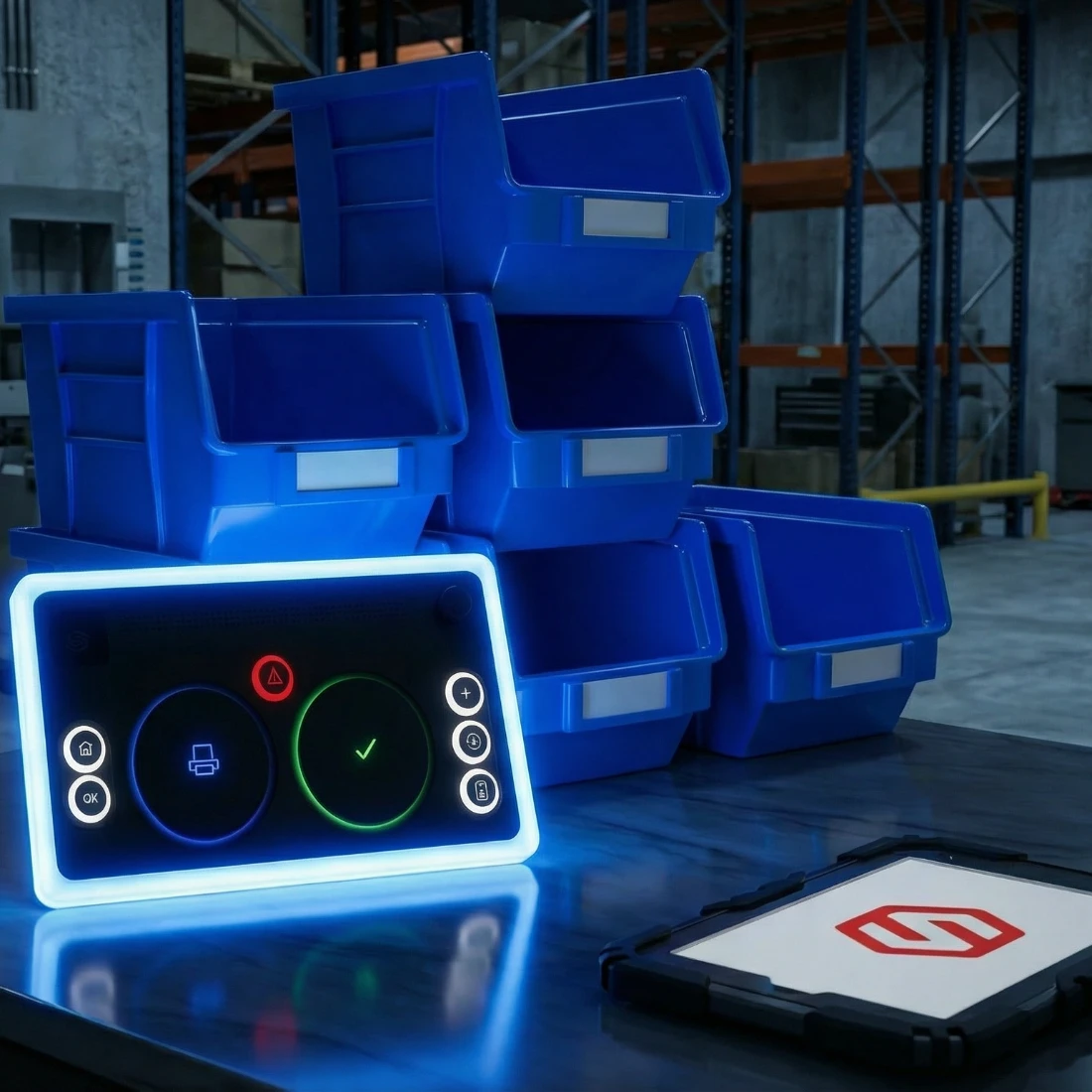
Tap-to-Pack is a purpose-built hardware controller designed by ShipHero to eliminate digital friction at the packing station. It connects via USB-C, requires no drivers or additional software, and syncs automatically with the ShipHero WMS packing app. This new system is now available at the ShipHero Store.
Instead of navigating a screen with a keyboard and mouse, packers execute every high-frequency command — such as selecting box sizes, printing labels, finalizing orders, flagging exceptions — with a single physical tap on one of eight programmable buttons.
Key specifications:
Most warehouses are running 2026 operations on 1990s peripheral standards. The keyboard and mouse were designed for spreadsheets and emails, not high-volume fulfillment. When used at a packing station, they create three compounding problems:
The problem is not your people. It is the tools you are asking them to use.
Tap-to-Pack introduces a "Rodent-Free" packing standard: a workflow where the packer's hands stay on the product, their eyes stay on the work, and the software fades into the background.
The device guides the packer through two feedback systems:
ShipHero customers running Tap-to-Pack are already seeing a 90% reduction in on-screen interactions and a significant increase in the number of orders packed per hour, without adding headcount or changing their warehouse layout.
One of the hardest challenges in fulfillment is absorbing volume quickly, especially during Peak Season, when temporary staff need to reach target productivity fast.
Because Tap-to-Pack's interface is physical and intuitive, there is almost nothing to teach. Pick up the product, follow the light, tap the button. New packers can reach target productivity in minutes rather than hours.
The system is also modular:
Whether you are a growing DTC brand or a high-volume 3PL, Tap-to-Pack is designed so your hardware never becomes a ceiling on what your team can do.
Tap-to-Pack is a programmable, industrial-grade hardware controller that connects to the ShipHero WMS and allows warehouse packers to execute packing station commands, such as printing labels, selecting boxes, and completing orders. All with a single physical button press, eliminating the need for a keyboard and mouse.
The device connects via USB-C and syncs automatically with the ShipHero WMS packing app. It is a true plug-and-play solution: no drivers, no background software, and no manual configuration required.
Yes. Buttons are configurable for a range of packing actions, including Print Label, Complete Order, Select Box Size, and the Hospital function, which flags a problematic order and keeps the line moving without stopping to resolve it on screen.
The system is fully modular. Connect up to two additional 8-button hubs to the Main Hub for a total of 24 programmable buttons, supporting even the most complex multi-step packing workflows.
Tap-to-Pack devices require ShipHero Packing App v1.0 or higher. The current release is v1.1.0.



.svg)