
.svg)

Let’s stay in touch with the ShipHero Blog.


.webp)
The ShipHero Model Context Protocol (MCP) connects supported AI clients directly to your live ShipHero data, so warehouse teams can ask questions and get specific answers from their own account. It is built for day-to-day operational checks, including inventory levels, open orders, shipment status, holds, returns, purchase orders, and exceptions. For ShipHero customers, it is available at no additional charge and runs on existing API credits.
Every order, shipment, inventory movement, hold, return, and purchase order creates data inside ShipHero. Your warehouse information is right there, but getting to it can be a slow, complex process.
Before the ShipHero MCP, answering a specific operational question often meant logging in, finding the right report, applying the right filters, exporting data, or asking the one person on the team who knew where to look.
Even when the answer was simple, like a quick inventory check, it could turn into a 20 to 45 minute task. A customer question could sit half a day while someone pulled the right numbers. That delay adds friction to the floor. It slows decisions. It keeps teams waiting on data they already own.
The ShipHero MCP gives supported AI clients secure, read-only access to live ShipHero data.
That means operators can ask questions in plain English and get answers from their actual account, not from a generic help article or static knowledge base. A chatbot can tell you where to find a number. The ShipHero MCP can return the number itself.
It works with MCP-enabled AI clients, including Claude, ChatGPT, Cursor, and Codex. Connect it once, authenticate access, and your team can start asking operational questions from the AI tool they already use.
The workflow is simple:
The MCP does not replace ShipHero. It makes the data inside ShipHero easier to reach when your team needs a fast answer.
The ShipHero MCP is designed for everyday operational questions, such as:
If the data lives in your ShipHero account, the MCP gives your team a faster way to ask for it.
Speed matters, but safety matters too.
The ShipHero MCP is read-only by design. It can retrieve information from your account, but it cannot create orders, modify records, delete data, or change warehouse settings.
That gives teams a practical way to use AI for operational visibility without risking accidental account changes. Operators can ask. Managers can check. 3PL teams can answer client questions faster.
The data becomes easier to use, while the records stay protected.
For founders, the MCP can turn a quick inventory check into a simple question.
For operations leads, it can surface shipment status, holds, exceptions, and low-stock SKUs without digging through reports.
For 3PL operators, it can help answer client questions faster, using live account data instead of manual follow-up.
The result is a faster way to reach the information already inside ShipHero.
The ShipHero MCP is available to all ShipHero customers at no additional charge. It runs on existing API credits, so specific questions help keep usage efficient.
To get started, visit developer.shiphero.com or contact your ShipHero account representative.
ShipHero MCP is a read-only connection between supported AI clients and your live ShipHero data. It lets users ask operational questions in plain English and receive answers from their actual ShipHero account.
A chatbot usually answers from fixed, generic information. ShipHero MCP connects to live account data, so it can return specific answers about your orders, shipments, inventory, holds, returns, and other ShipHero records.
ShipHero MCP works with AI clients that support the Model Context Protocol, including Claude, ChatGPT, Cursor, and Codex.
No. ShipHero MCP is read-only. It can query data, but it cannot create, update, or delete records in your ShipHero account.
No. The MCP is built for operators and can be connected from a supported AI client in minutes. Developers may use more advanced tools for deeper analysis, but most day-to-day users can work directly with the MCP.
Yes. ShipHero MCP is available to ShipHero customers at no additional charge and runs on existing API credits.
Transitioning to a new Warehouse Management System (WMS) is a high-stakes decision that often triggers concerns regarding downtime, data integrity, and workforce adaptation. As warehouses prepare for 2026 growth, understanding these common hurdles—and the technical solutions that resolve them—is essential for a successful migration. This guide addresses the five primary barriers to adoption and how a high-velocity infrastructure ensures a seamless transition.
Warehouse operators frequently hesitate to upgrade due to perceived risks that can halt operations. These challenges typically include:
To clear these hurdles, a structured implementation strategy is used to prioritize data density and entity clarity.
In the competitive eCommerce landscape, staying stagnant with manual workarounds is often more costly than the transition itself. Moving to a high-velocity WMS converts your warehouse from a cost center into a growth engine by providing Labor Efficiency and ROI through automated routing and reduced authentication friction.
Because the platform is built for the floor worker, features like Workforce Hero allow seasonal temps and new staff to be authenticated and productive in under an hour.
No. High-velocity infrastructure increases visibility by providing Total Real-Time Control. Managers can monitor exactly what is in the Hospital queue and track replenishment in real-time from a single dashboard.
Before going live, a ground-up audit is performed using cycle counting tools. The system's architecture ensures that every movement on the floor is synchronized with sales channels instantly, maintaining 99.9% accuracy.
Picture a packer at Peak Season. A box is in front of them, a product in each hand, and somewhere on a cluttered desk there's a mouse they need to find to confirm the order. They look down. They hunt. They click. Then they do it again. Thousands of times a day.
That moment of friction is small. But it is never just one moment. Multiply it across your entire pack line, across an entire shift, and you are looking at a measurable and largely invisible drag on your total throughput.
Tap-to-Pack is a purpose-built hardware controller designed by ShipHero to eliminate digital friction at the packing station. It connects via USB-C, requires no drivers or additional software, and syncs automatically with the ShipHero WMS packing app. This new system is now available at the ShipHero Store.
Instead of navigating a screen with a keyboard and mouse, packers execute every high-frequency command — such as selecting box sizes, printing labels, finalizing orders, flagging exceptions — with a single physical tap on one of eight programmable buttons.
Key specifications:
Most warehouses are running 2026 operations on 1990s peripheral standards. The keyboard and mouse were designed for spreadsheets and emails, not high-volume fulfillment. When used at a packing station, they create three compounding problems:
The problem is not your people. It is the tools you are asking them to use.
Tap-to-Pack introduces a "Rodent-Free" packing standard: a workflow where the packer's hands stay on the product, their eyes stay on the work, and the software fades into the background.
The device guides the packer through two feedback systems:
ShipHero customers running Tap-to-Pack are already seeing a 90% reduction in on-screen interactions and a significant increase in the number of orders packed per hour, without adding headcount or changing their warehouse layout.
One of the hardest challenges in fulfillment is absorbing volume quickly, especially during Peak Season, when temporary staff need to reach target productivity fast.
Because Tap-to-Pack's interface is physical and intuitive, there is almost nothing to teach. Pick up the product, follow the light, tap the button. New packers can reach target productivity in minutes rather than hours.
The system is also modular:
Whether you are a growing DTC brand or a high-volume 3PL, Tap-to-Pack is designed so your hardware never becomes a ceiling on what your team can do.
Tap-to-Pack is a programmable, industrial-grade hardware controller that connects to the ShipHero WMS and allows warehouse packers to execute packing station commands, such as printing labels, selecting boxes, and completing orders. All with a single physical button press, eliminating the need for a keyboard and mouse.
The device connects via USB-C and syncs automatically with the ShipHero WMS packing app. It is a true plug-and-play solution: no drivers, no background software, and no manual configuration required.
Yes. Buttons are configurable for a range of packing actions, including Print Label, Complete Order, Select Box Size, and the Hospital function, which flags a problematic order and keeps the line moving without stopping to resolve it on screen.
The system is fully modular. Connect up to two additional 8-button hubs to the Main Hub for a total of 24 programmable buttons, supporting even the most complex multi-step packing workflows.
Tap-to-Pack devices require ShipHero Packing App v1.0 or higher. The current release is v1.1.0.
Imagine running a warehouse where orders are picked quickly, inventory is accurate, and all operations run smoothly without any errors or delays. Thanks to Artificial Intelligence, this can now become a reality with ease.
AI is transforming warehouse management by enhancing efficiency, intelligence, and the ability to meet the rapid demands of today’s eCommerce-driven market.
ShipHero is pioneering this revolution with its AI-powered warehouse solutions, setting new industry benchmarks. This article explores ShipHero’s AI Picking feature, highlighting how it’s transforming warehouse management and enhancing operational efficiency.
The integration of AI technologies, including machine learning, robotics, and predictive analytics, is revolutionizing warehouse operations, driving significant improvements in efficiency, accuracy, and overall performance. These innovations are optimizing processes across various areas, from inventory management to order fulfillment. Below are the key benefits of AI in warehouse management.
A combination of AI technologies is shaping smarter warehouse systems to help revolutionize warehouse management.
ShipHero has taken AI integration to the next level with its AI Picking feature, designed to significantly improve warehouse efficiency. This feature automates the picking process, reducing the reliance on manual labor and enhancing productivity in ways that were once thought impossible.
Let’s dive deeper into how ShipHero’s AI Picking works and the advantages it offers.
AI Picking optimizes warehouse operations in two key ways:
The AI Picking feature delivers a wide range of benefits:
The transformative power of AI extends far beyond just picking. AI is also revolutionizing other aspects of warehouse management, driving improvements in operational efficiency, inventory management, and safety.
AI automates tasks, reducing errors and increasing speed. Automated sorting and real-time inventory tracking ensure accuracy, while real-time monitoring helps managers adapt and ensure timely deliveries.
AI plays a vital role in maintaining accurate inventory levels. By leveraging predictive analytics, AI can forecast demand and optimize stock levels, helping warehouses avoid both stockouts and overstock situations. This leads to better inventory management and fewer disruptions in supply chains.
AI-driven systems can monitor warehouse conditions to ensure safety and compliance with industry regulations. These systems can analyze warehouse data and predict potential hazards before they occur, proactively reducing risks and ensuring a safer working environment.
AI technologies are playing a transformative role in the supply chain and logistics sectors by improving efficiency, reducing costs, and enhancing decision-making.
These intelligent systems effortlessly manage supply chain processes by using data to optimize operations, predict trends, and automate routine tasks. This ultimately reshapes everything, from how goods are moved to stored and delivered.
The future of warehouse management looks promising with greater automation and efficiency, but future warehouse digitization brings challenges, such as high upfront costs and the need for skilled personnel.
AI-powered drones, autonomous robots, and IoT integration are smart warehouse technologies that are revolutionizing warehouse operations. Drones will deliver goods quickly, while robots automate sorting and transportation, thereby reducing the need for manual labor.
IoT and AI integration will enable real-time monitoring and optimization of operations. Smart technology in warehouses is leading to fully automated systems that are faster, scalable, and need minimal human input.
While AI offers immense benefits, businesses must also consider certain challenges. High initial investments in AI technology, data security concerns, and the need for skilled personnel are just a few of the hurdles that must be addressed.
However, with a strategic approach, companies can eliminate the challenges and embrace AI’s full potential to boost accuracy in picking and improve overall warehouse operations.
AI minimizes error by automating tasks like inventory tracking, order picking, and sorting, ensuring greater accuracy and efficiency.
Yes, AI-driven predictive analytics can predict demand, track inventory levels, and improve supply chain efficiency by forecasting needs with greater accuracy to help businesses stay ahead of trends and market fluctuations.
AI solutions are becoming more cost-effective thanks to cloud-based services and subscription pricing models. These options make AI technology more accessible to small businesses, allowing them to take advantage of its benefits without large upfront costs.




If you're a small business owner, you know how important it is to find reliable partners to help you streamline your operations. One such partner you may consider is a third-party logistics (3PL) provider.
This article will explore the best 3PL providers for small businesses and how they can benefit your operations.
3PL stands for third-party logistics, which refers to the outsourcing of logistics and supply chain management functions to a specialized company. These companies offer services such as warehousing, transportation, inventory management, and order fulfillment.
These aspects of business can be time-consuming and complex, especially for small companies that may not have the resources or expertise to handle it all in-house.
By partnering with a 3PL provider, small businesses can tap into a wealth of expertise and resources to streamline their logistics operations. These providers have dedicated teams that specialize in various aspects of logistics management, ensuring that businesses can focus on their core competencies while leaving the logistics to the experts.
One of the key advantages of working with a 3PL provider is access to a vast network of warehousing and transportation facilities. These providers have strategically located warehouses and distribution centers, allowing for efficient storage and distribution of goods. They also have established relationships with various carriers and transportation companies and can negotiate favorable rates on your behalf.
Another benefit of 3PL services is the ability to scale operations as needed — an important feature for small businesses that often face fluctuations in demand. With a 3PL provider, businesses can easily adjust their storage and distribution needs based on demand. Whether it's scaling up during peak seasons or downsizing during slower periods, 3PL providers offer the flexibility to adapt to changing business requirements.
Furthermore, 3PL providers offer advanced technology and software solutions to optimize logistics operations. From inventory management systems to order tracking and real-time analytics, these tools provide businesses with valuable insights and visibility into their supply chain. This data-driven approach allows for better decision-making and improved efficiency.
Choosing the right 3PL provider for your small business is a critical decision. Factors like industry expertise, geographic coverage, pricing, and customer service should all be taken into consideration. Thoroughly research and evaluate different providers to find the one that aligns with your business goals and requirements.In conclusion, 3PL providers play a vital role in helping small businesses streamline their logistics and supply chain management. By outsourcing these functions to experts, businesses can focus on their core competencies and achieve greater efficiency and cost savings. So, if you're a small business owner looking to optimize your logistics operations, consider partnering with a reputable 3PL provider.
Understanding the full range of services offered by 3PL providers can help you make a more informed decision when choosing one for your business. Our complete guide to 3PL services breaks down everything you need to know about partnering with a 3PL and how to leverage their services for your business's benefit.
The best 3PL companies offer not just logistics services but also become strategic partners in your business’s growth. When you start your search for 3PL companies, these five companies should be where you explore first:
It's important to consider factors like technology integration capabilities, scalability, cost-effectiveness, and expertise in your specific market when choosing a 3PL provider.
Partnering with the right 3PL can significantly boost your operational efficiency, enhance customer satisfaction, and improve your competitive edge.
For businesses looking to expand their operations into Canada or Canadian businesses seeking efficient logistics solutions, partnering with a 3PL that understands the local market is essential. Our overview of the best 3PL companies in Canada highlights providers that excel in offering tailored services to meet the diverse needs of businesses within and outside Canada.
Now that you understand the concept of 3PL and know which ones are the best, keep reading to see how a 3PL could benefit small businesses:
Cost Savings: Small businesses often struggle with limited budgets and resources, making it difficult to invest in building and maintaining their own logistics infrastructure.
By outsourcing logistics to a 3PL provider, small businesses can eliminate the need for costly investments in warehouses, transportation vehicles, and technology systems.
Instead, they can leverage the existing infrastructure and resources of the 3PL provider, share the costs with other businesses, and access professional logistics services at a fraction of the cost it would take to build and manage their own logistics operations.
Expertise: Logistics is a complex field that requires knowledge and experience to navigate effectively. 3PL providers are experts with a deep understanding of supply chain management, transportation, warehousing, and distribution intricacies.
Their teams of professionals are well-versed in the latest industry trends, best practices, and regulatory requirements.
By partnering with a 3PL provider, small businesses can tap into this expertise and leverage it to streamline their logistics operations, optimize processes, and ensure efficient and timely delivery of their products to customers.
Scalability:
Flexibility and scalability are crucial for small businesses, especially those with seasonal or unpredictable fluctuations in demand. 3PL providers have the resources and infrastructure to handle varying volumes of shipments, whether it's during peak seasons or periods of slow demand.
They can quickly adapt and adjust their operations to accommodate changes in order volumes, ensuring that small businesses can meet customer demands without incurring additional costs or operational inefficiencies.
This scalability allows small businesses to focus on their core competencies and seize growth opportunities without being limited by their logistics capabilities.
Focus on Core Competencies: For small businesses, time and resources are precious commodities. By outsourcing logistics to a 3PL provider, small businesses free up valuable time and resources for redirection toward activities that directly contribute to their growth and success.
By leveraging the expertise and capabilities of a 3PL provider, small businesses can streamline their operations, improve efficiency, and gain a competitive edge in the market.
3PL providers cater to a wide range of industries and business types. Here are some examples of businesses that can benefit from using 3PL providers:
3PL companies offer a variety of services to support your logistics needs. Here are some common services you can expect from a 3PL provider:
Cost is a crucial factor when selecting a 3PL provider for your small business, and in different ways:
Think of these factors when choosing the right 3PL provider:
Selecting the right 3PL provider is crucial for the success of any small business looking to expand its operations. Learn more about the best 3PL companies that can help you streamline your logistics, save costs, and focus on growing your business.

A 3PL provider offers logistics and supply chain management services, including warehousing, transportation, and order fulfillment, to businesses that outsource these functions.
The cost of 3PL services can vary depending on factors such as the scope of services required and the volume of business. It's best to request proposals and compare pricing options from different providers.
Absolutely. Small businesses can benefit from using 3PL providers by saving costs, accessing specialized expertise, and focusing on core competencies.
.svg)
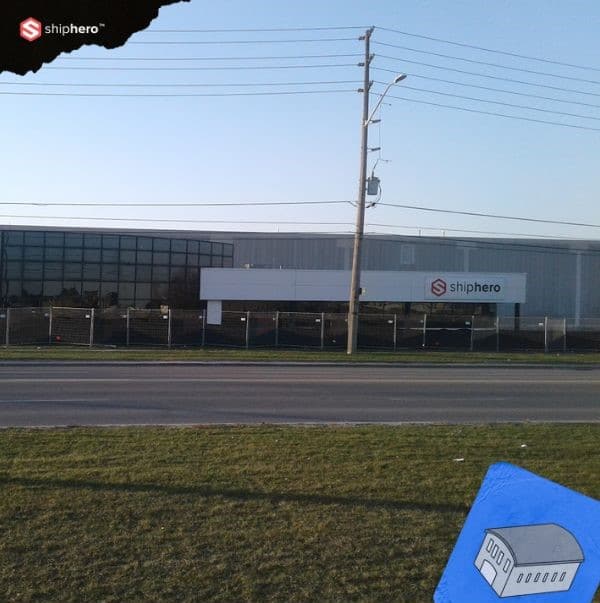
If you're looking for the best 3PL companies in Canada, you've come to the right place. This article will introduce you to some of the top players in the industry and provide valuable insights into the world of third-party logistics in Canada.
Before going into the specifics, it’s important to understand what third-party logistics or 3PL is.
In simple terms, 3PL refers to the outsourcing of supply chain management functions to a specialized company. These companies handle various aspects of logistics like transportation, warehousing, and distribution on behalf of their clients.
By entrusting their logistics operations to a 3PL provider, businesses can focus on their core competencies while benefiting from the expertise and resources of the 3PL company. It's a win-win situation that has gained popularity across industries.
In the transportation arena, 3PL providers play a crucial role ensuring the smooth movement of goods from one location to another. They have extensive networks of carriers and can negotiate favorable rates that save their clients money. Additionally, 3PL companies have the expertise to optimize routes, track shipments in real-time, and handle any unexpected issues that may arise during transit.
Warehousing is another area where 3PL providers excel. Most have strategically located warehouses equipped with state-of-the-art technology and systems to efficiently store and manage inventory. This helps businesses reduce their warehousing costs and benefit from extra scalability and flexibility. With advanced inventory management systems, businesses have real-time visibility into their stock levels, ensuring timely replenishment and minimizing stockouts.
And beyond transportation and warehousing, 3PL provider services can include order fulfillment, packaging, labeling, and even customer support. By leveraging these additional services, businesses can enhance their overall supply chain operations and improve customer satisfaction.
A key advantage of partnering with a 3PL provider is access to their expertise and industry knowledge. 3PL companies are always up to date on the latest trends, regulations, and best practices in logistics. They can provide valuable insights and recommendations to optimize supply chain processes across many industries.
Another benefit of working with a 3PL provider is scalability. With a 3PL partner, businesses can easily scale up or down their logistics operations without significant investments in infrastructure or resources. They can adapt quickly to market demands and seize new opportunities.
In conclusion, third-party logistics, or 3PL is the outsourcing of supply chain management functions to specialized companies. These companies handle transportation, warehousing, and distribution on behalf of their clients, letting businesses focus on their core competencies. 3PL providers offer expertise, cost savings, scalability, and value-added services, making them an attractive option for businesses across industries.
To have a better understanding of how 3PL companies operate and the diversity of services they offer, consider reading our comprehensive overview of 3PL companies, which provides insights into selecting the right partner for your logistics needs.
In Canada, the 3PL market is vibrant and competitive. With its vast geographical area and robust trade relationships, the country presents numerous opportunities for logistics companies.
Canadian 3PL providers offer a wide range of services, catering to industries like retail, e-commerce, manufacturing, and healthcare. From managing inventory and order fulfillment to overseeing transportation networks, these companies play a vital role in the supply chains of businesses across the country.
The 3PL market in Canada is constantly evolving to meet the changing demands of businesses. As companies seek to optimize their supply chains and provide seamless customer experiences, the role of 3PL providers becomes increasingly important.
A Key factor driving this growth is the rapid expansion of e-commerce. As more and more Canadians turn to online shopping, businesses need efficient and reliable logistics solutions to fulfill customer orders quickly and accurately.
Canadian 3PL companies offer a comprehensive range of services to meet the specific needs of their clients. Common services include:
These services can be tailored to suit small startups, large corporations, and everything in between. By leveraging the expertise of 3PL providers, companies can streamline their operations and gain a competitive edge in the market.
To explore the specific services provided by third-party logistics providers and how they can transform your supply chain, explore our detailed discussion on 3PL services, offering a closer look at how these services streamline operations for businesses of all sizes.
Partnering with a 3PL company in Canada offers several benefits for businesses:
Overall, partnering with a 3PL company in Canada is transformative for businesses, offering a pathway to reduce operational costs, enhance efficiency, achieve scalability, maintain a focus on core business areas, and leverage expert insights.
These combined benefits create a formidable foundation for businesses to thrive and expand in the highly competitive Canadian marketplace.
Small and medium-sized enterprises seeking to capitalize on these benefits should explore our detailed guide on 3PL for small businesses. This resource is tailored to help smaller companies understand how to effectively utilize 3PL partnerships to enhance their logistics operations and support growth.
Several 3PL companies in Canada stand out for their industry expertise, reliability, and customer satisfaction::
Each of these 3PL companies in Canada brings its unique strengths to the table, from extensive national networks and fast delivery capabilities to specialized services and global reach. Choosing the right 3PL partner depends on a business’s specific logistics needs, growth goals, and the strategic value the 3PL can provide in facilitating efficient and effective supply chain operations.
If you're considering partnering with a 3PL company in Canada, here are a few steps to get started:
In conclusion, the best 3PL companies in Canada offer a range of services to optimize supply chains and fulfill the unique logistics needs of businesses. By partnering with a reputable 3PL provider, businesses can unlock new efficiencies, lower costs, and gain a competitive advantage in the Canadian market.
The cost of 3PL services in Canada varies based on factors such as the scope of services required, volume of shipments, and industry-specific needs. It's best to request quotes from multiple providers to get an accurate estimate.
Absolutely. 3PL providers offer scalable solutions, making them suitable for businesses of all sizes. Small businesses can leverage the expertise and resources of 3PL companies to optimize their logistics operations and compete more effectively in the market.
Choosing the right 3PL partner requires careful consideration. Look for companies with experience in your industry, a strong track record, and the ability to meet your specific requirements. Conducting thorough evaluations and interviews will help you gauge compatibility and make an informed decision.
Yes, many 3PL providers in Canada can handle international logistics. They can handle customs clearance, freight forwarding, and global transportation, ensuring a smooth flow of goods across borders.
Absolutely. Many 3PL companies in Canada specialize in niche industries, such as healthcare and pharmaceuticals. They have the necessary certifications, infrastructure, and experience to ensure compliance with industry regulations and safely handle critical goods.
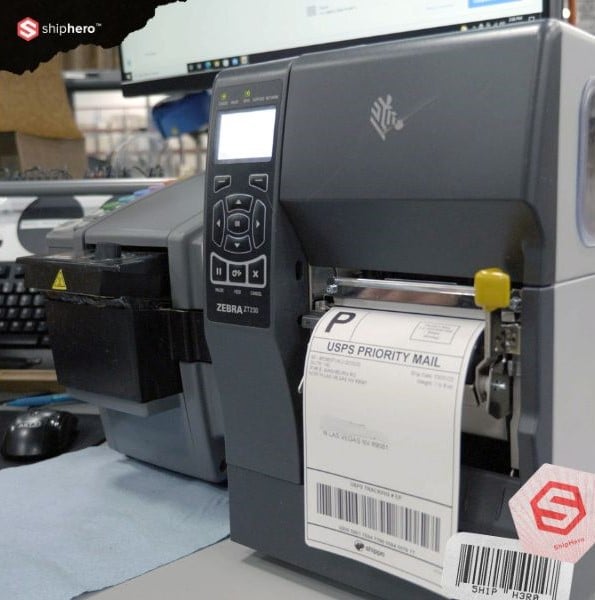
Whether you're a small online retailer or a multinational corporation, the right shipping software can help streamline your package delivery process, save you time and money, and improve customer satisfaction.
This article explores what shipping software is, why you need it, its key features, how to choose the right one, and more.
Shipping software is a technology solution that has revolutionized the way businesses handle their shipping processes. Beyond simply automating the shipping process, it optimizes for efficiency and cost-effectiveness.
Imagine being an online retailer with a high volume of shipments. Without shipping software, you would have to manually create shipping labels, select the best carrier for each shipment, and manage returns. This could be a time-consuming and error-prone task.
However, with shipping software, all of these tasks are streamlined and simplified. With just a few clicks, you can generate shipping labels, calculate shipping costs, print packing slips, and handle all the necessary documentation. This not only saves you valuable time but also reduces the chances of errors in the shipping process.
But shipping software offers even more benefits. It brings together different shipping carriers and consolidates their services into a single platform. This means you no longer have to juggle multiple carrier accounts or manually input shipment data for each carrier. Shipping software does it all for you, making it easier than ever to compare rates, delivery times, and service levels.
Imagine having to manually compare rates and delivery times for multiple carriers. It would be a time-consuming and tedious task. With shipping software, you can easily compare carriers side by side and make informed decisions about which carrier to choose for each shipment.
Furthermore, shipping software provides valuable insights and analytics. It tracks and records data about your shipments, letting you analyze trends, identify areas for improvement, and make data-driven decisions. This level of visibility into your shipping process can help you optimize your operations and reduce costs.
Additionally, shipping software often integrates with other business systems, such as inventory management or customer relationship management (CRM) software. This integration allows for seamless communication and data sharing between different systems, further streamlining your operations.
In conclusion, shipping software is a game-changer for businesses that rely on shipping. It automates and optimizes the shipping process, saving time, reducing errors, and providing valuable insights.
By consolidating different shipping carriers into a single platform, shipping software simplifies the comparison of rates and delivery times. With its integration capabilities, it can seamlessly connect with other business systems, enhancing overall efficiency.
Shipping software is truly a must-have tool for any business that wants to stay competitive in the fast-paced world of eCommerce.
For businesses looking to get a complete view of how shipping software fits into the larger context of shipping operations, our guide on shipping operations is a must-read. It covers everything you need to know about optimizing your shipping operations for peak efficiency and customer satisfaction.
The reasons are compelling and could make or break your business.
Efficiency:
With the click of a button, you can generate shipping labels, eliminating the need for manual data input. This not only saves you time but also reduces the risk of human error.
Cost Savings:
The software analyzes different carriers' rates, taking into account factors such as package weight, dimensions, and destination. It then lets you choose the most cost-effective solution for each shipment.
Improved Customer Experience:
Customers appreciate being able to track their packages in real-time, knowing exactly when to expect their delivery. By automating shipping notifications, you can keep your customers informed at every step of the shipping process, enhancing their overall satisfaction.
Time Savings:
You no longer need to log in to multiple carrier websites to create labels or track shipments. With shipping software, you can access all your shipping information in one place, streamlining your workflow and allowing you to focus on other aspects of your business.
Integration with Other Systems:
A smooth flow of information between different parts of your business eliminates the need for manual data entry and reduces the risk of error.
Advanced Reporting and Analytics:
You can track key metrics, such as shipping costs, delivery times, and carrier performance, to identify areas for improvement. By analyzing this data, you can make informed decisions to optimize your shipping processes and enhance overall efficiency.
Customer Support:
Whether it's troubleshooting a technical problem or seeking advice on optimizing your shipping strategy, you can rely on their expertise and guidance. This support ensures that you can make the most of your shipping software and address any challenges that may arise.
Shipping software is a valuable tool for eCommerce businesses, offering efficiency, cost savings, improved customer experience, time savings, integration with other systems, advanced reporting and analytics, and dedicated customer support.
By investing in shipping software, you can streamline your shipping processes, reduce costs, and provide an exceptional shipping experience for your customers.
When selecting shipping software for your eCommerce business, it's important to consider the following key features:
Choosing the right carrier for each shipment doesn't have to be overwhelming. To explore more about selecting the best multi-carrier shipping software that simplifies this decision-making process, check out our comprehensive guide on the best multi-carrier shipping software. This resource is very useful for businesses looking to optimize their shipping strategy across multiple carriers.
Consider the following factors to make choosing the right shipping software for your eCommerce business a less daunting task:
If you're looking at logistics beyond just shipping software, understanding the role of third-party logistics can be pivotal. Our detailed 3PL guide offers insights into how 3PL services can complement your use of shipping software, potentially further streamlining your eCommerce operations.
Yes, shipping software can handle both domestic and international shipments by providing the necessary documentation and facilitating international shipping processes.
Most shipping software solutions offer integrations with popular eCommerce platforms such as Shopify, WooCommerce, Magento, and more.
Absolutely! Shipping software benefits businesses of all sizes, providing efficiency, cost savings, and a better customer experience, regardless of their scale.
By implementing shipping software for your eCommerce business, you can streamline your package delivery process, save time and money, and create a positive customer experience.
Take advantage of the automation, cost savings, and flexibility that shipping software provides, and watch your eCommerce business thrive.
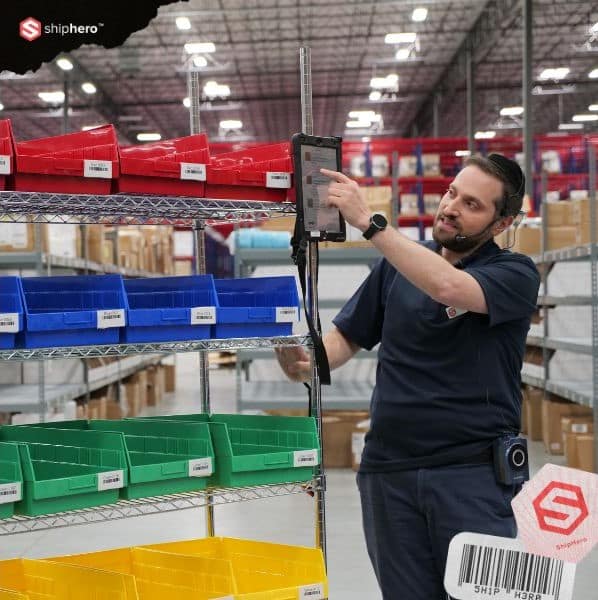
A 3PL Warehouse Management System (WMS) is a software solution that helps companies manage and optimize their warehouse operations. It provides a centralized platform for handling tasks such as inventory management, order fulfillment, shipping, and receiving.
It’s an essential tool for third-party logistics providers that lets them efficiently manage their clients' warehouse operations.
A key challenge third-party logistics providers face is managing the vast amount of inventory stored in their warehouses. The 3PL Warehouse Management System addresses this challenge by providing a comprehensive set of tools and functionalities to effectively manage and control warehouse operations.
At its core, the 3PL WMS is a software application that integrates with the existing warehouse infrastructure and automates various processes like inventory management, order fulfillment, and shipping. It provides real-time visibility into inventory levels. And it helps logistics providers optimize storage space and ensure accurate stock levels.
Moreover, the 3PL WMS enables efficient order processing by automating tasks like order picking, packing, and labeling. It provides warehouse staff with detailed instructions on how to fulfill each order, and this minimizes errors while improving overall productivity.
Another key feature of the 3PL WMS is its ability to track and trace goods throughout the warehouse. By using barcode scanning or RFID technology, the system can accurately track the movement of inventory from the moment it arrives at the warehouse to the moment it leaves for delivery.
Furthermore, the 3PL WMS offers advanced reporting and analytics capabilities. They can generate reports on key performance indicators like order accuracy, on-time delivery, and inventory turnover. This helps businesses identify areas for improvement.
In addition to these core functionalities, the 3PL WMS can be customized to meet the specific needs of different industries and clients. For example, it can support temperature-controlled storage for perishable goods or provide specialized picking algorithms for eCommerce fulfillment.
In conclusion, the 3PL Warehouse Management System is a powerful tool that enables third-party logistics providers to efficiently manage their clients' warehouse operations. By automating key processes and providing real-time visibility into inventory, the system helps improve productivity, accuracy, and customer satisfaction. It’s an indispensable asset for logistics providers in today's complex and competitive business environment.
To further understand the scope and benefits of third-party logistics, explore our detailed guide on 3PL services, which highlights how these services streamline operations and enhance efficiency.
Implementing a 3PL Warehouse Management System can bring numerous benefits to a company.
Firstly, it provides real-time visibility into stock levels and locations to reduce the risk of stockouts and minimize excess inventory.
Secondly, a 3PL WMS improves order fulfillment efficiency by automating processes like order picking and packing. This leads to faster order processing times and improved customer satisfaction.
Additionally, a 3PL Warehouse Management System lets companies optimize their warehouse space utilization. By providing insights into optimal storage locations and recommending efficient picking routes, it maximizes the storage capacity and minimizes unnecessary movement.
Lastly, a 3PL WMS enhances supply chain visibility by providing real-time tracking and reporting tools. This lets companies monitor the flow of goods, identify bottlenecks, and make data-driven decisions to improve overall efficiency.
Ecommerce businesses require specialized inventory management solutions to meet the dynamic demands of online retail. Learn more about ecommerce inventory management software that complements 3PL WMS for seamless integration and enhanced efficiency.
A good 3PL Warehouse Management System offers a range of features to support warehouse operations. These features include:
Choosing the right inventory management software is crucial for optimizing warehouse operations. Discover the best inventory management software options that can seamlessly integrate with 3PL WMS to provide comprehensive inventory control.
When considering a 3PL Warehouse Management System, it's important to assess the specific requirements of your business. Some key considerations include:
A key advantage of a 3PL Warehouse Management System is real-time visibility into warehouse operations.
Companies can access up-to-date information on inventory levels, order statuses, and overall performance at any time so businesses can quickly identify and address bottlenecks.
Following these steps will help you carefully plan and integrate a 3PL Warehouse Management System:
When choosing a 3PL Warehouse Management System, it's important to consider the following factors:
The cost of a 3PL Warehouse Management System can vary depending on factors like the size of your business, the features you want, and the vendor you choose. Some vendors offer pricing models based on the number of users or the volume of goods processed. Request quotes from different vendors and consider the long-term ROI when evaluating the cost of a 3PL WMS.
A 3PL WMS helps companies manage and optimize warehouse operations, including inventory management, order fulfillment, and reporting.
A 3PL Warehouse Management System can improve inventory accuracy, order fulfillment efficiency, warehouse space utilization, and supply chain visibility.
Key features include inventory tracking and management, order management, picking and packing optimization, real-time reporting tools, and system integration capabilities.
The cost varies depending on factors like the size of the business, desired features, and the vendor chosen. It's important to request quotes and consider long-term ROI.
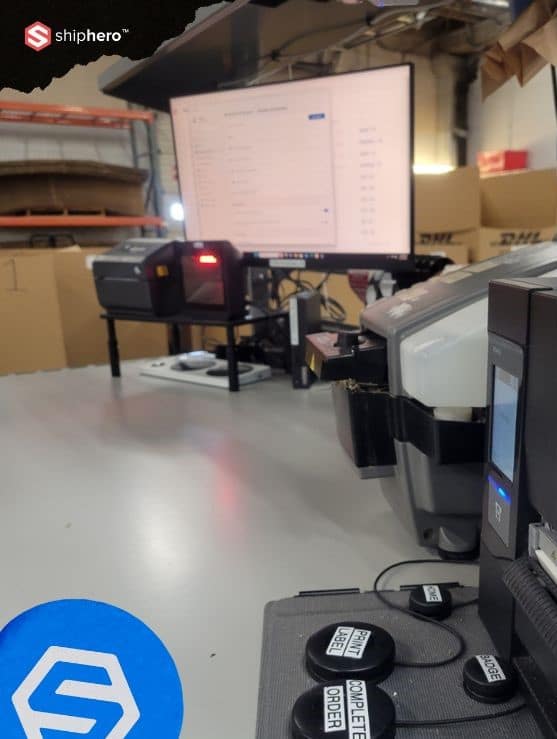
In the fast-paced world of eCommerce, with numerous transactions happening every day, it can be challenging to keep track of orders, manage inventory, and ensure timely fulfillment, which eCommerce Order Management Software (OMS) can help.
This article will explore the benefits of using an eCommerce OMS, understand the fulfillment process, discuss different types of OMS, and highlight key features to consider when choosing the best software for your business needs.
An eCommerce Order Management Software (OMS) is a digital solution designed to streamline and automate the order fulfillment process. It serves as a centralized hub for managing orders, tracking inventory, and coordinating shipping and delivery. With an OMS in place, businesses can efficiently process orders, reduce errors, and improve overall customer satisfaction.
An OMS acts as a comprehensive tool that integrates with various platforms (online marketplaces, shopping carts, inventory management systems, etc.). By connecting all these systems, it gives businesses a centralized view of their order information, making it easier to manage and fulfill orders efficiently.
A key feature of an OMS is its ability to track inventory levels in real-time. This means businesses can have a clear understanding of their stock availability and avoid overselling or running out of popular products. With accurate inventory data, businesses can confidently accept orders and ensure timely fulfillment.
An OMS also streamlines the order fulfillment process. It automates tasks like order routing, picking, packing, and shipping label generation. By automating these manual processes, businesses can save time and reduce the risk of errors. This ultimately leads to faster order processing and improved customer satisfaction.
Furthermore, an OMS provides businesses with valuable insights and analytics. It generates reports on key metrics like order volume, order status, and customer behavior — and these insights help businesses be more efficient and profitable.
Another benefit of using an OMS is its ability to integrate with shipping carriers and track shipments in real-time. Businesses can give customers accurate shipping updates, improve transparency, and reduce customer inquiries. Also, businesses can proactively address any potential delivery issues, ensuring a smooth and reliable shipping experience.
Overall, eCommerce Order Management Software (OMS) is a powerful tool that enables businesses to streamline their order fulfillment process. By centralizing order management, tracking inventory, and automating tasks, businesses can improve efficiency, reduce errors, and enhance customer satisfaction.
Whether you're a small online store or a large enterprise, implementing an OMS can significantly enhance your eCommerce operations and help you stay ahead in today's competitive market.
For businesses looking to explore inventory optimization, our comprehensive guide on e-commerce inventory management software provides crucial insights into streamlining this critical aspect of your operations.
Implementing an eCommerce OMS can bring several benefits to your business:
The fulfillment process involves multiple stages, from order placement to product delivery:
Different types of eCommerce Order Management Systems cater to specific business needs:
Choosing the right software is pivotal for scalability and efficiency. Our analysis of the best inventory management software outlines top options to help you make an informed decision.
When choosing an eCommerce OMS for your business, consider the following key features:
The eCommerce order management process begins with order creation and encompasses various steps, such as inventory allocation, picking and packing, and order tracking. An efficient OMS automates these processes, reducing human errors and ensuring timely order fulfillment.
While an eCommerce OMS offers numerous benefits, it can also present challenges:
To address these challenges effectively, especially for D2C brands, exploring our insights on direct-to-consumer fulfillment can provide valuable strategies to enhance your fulfillment process and customer satisfaction.
Choosing the best eCommerce OMS for your business requires careful consideration. These steps will help the decision-making process:
The cost of the best eCommerce OMS can vary depending on the software provider, the deployment model, and the size of your business. Some OMS providers offer pricing plans based on order volume or monthly subscription fees.
Consider your business's specific requirements and evaluate the pricing models offered by different providers.
eCommerce Order Management Software (OMS) is a digital solution that helps businesses manage the order fulfillment process by automating tasks such as order creation, payment processing, inventory management, and shipping coordination.
An OMS helps businesses efficiently process orders, manage inventory, streamline fulfillment, and enhance customer service. It improves order accuracy, reduces errors, prevents stockouts, and provides real-time order tracking for customers.
There are various types of eCommerce OMS, including on-premises OMS, cloud-based OMS, all-in-one platforms with built-in order management features, and third-party integrations with existing systems like ERP and CRM.
Key features to consider include order tracking, inventory management, order integration capabilities, customer service tools, and reporting and analytics functionalities.
To choose the best eCommerce OMS, assess your business needs, research available options, request demos and trials, seek references, evaluate the total cost of ownership, and consider the vendor's customer support. By investing in the best eCommerce Order Management Software, you can optimize your order fulfillment process, delight customers, and drive the success of your eCommerce business.
Direct-to-consumer fulfillment, also known as D2C fulfillment, is when companies bypass traditional retail channels and sell their products directly to end consumers. They take full control of the entire supply chain, from manufacturing to order fulfillment and shipping.
By eliminating intermediaries, D2C fulfillment allows brands to establish a direct relationship with their customers.
This gives businesses valuable insights into consumer behavior and preferences, enabling them to tailor their products and marketing strategies accordingly.
Adopting a direct-to-consumer fulfillment approach presents several advantages:
While D2C fulfillment offers a direct line to consumers, it's interesting to contrast this with how businesses manage logistics when they are selling directly to other businesses. Our guide on B2B fulfillment discusses the complexities and strategies behind managing business-to-business orders, offering a broader perspective on fulfillment solutions.
Successful D2C fulfillment relies on several key elements. Let's take a closer look at each one:
To streamline shipping carriers and optimize delivery routes, leveraging the right e-commerce shipping software becomes crucial. Explore our guide on e-commerce shipping software to understand how it can simplify shipping operations, from carrier selection to real-time tracking.
While D2C fulfillment offers numerous benefits, it also comes with its fair share of challenges:
Managing inventory levels and handling returns efficiently are among the top challenges in D2C fulfillment. To overcome these obstacles, robust e-commerce order management software plays a critical role. Gain insights into selecting the best e-commerce order management software that can help streamline these aspects, ensuring a seamless process for both inventory management and reverse logistics.
When it comes to D2C order fulfillment, businesses have several options to consider:
By having a direct relationship with customers, businesses can provide personalized interactions throughout the entire buying journey.
D2C brands can leverage customer data to create tailored product recommendations, offer exclusive promotions, and respond quickly to customers. This builds trust, ensures loyalty, and encourages customers to become repeat buyers and brand advocates.
By cutting out intermediaries, companies can remove the costs associated with wholesale pricing, retailer margins, and warehousing for retail locations.
In addition, D2C fulfillment helps businesses optimize their supply chain operations. They can minimize inventory holding costs, reduce order processing times, and streamline shipping processes.
These efficiencies translate into cost savings and a faster, more reliable fulfillment experience for customers.
D2C fulfillment and eCommerce fulfillment are closely related but not interchangeable terms. While both involve selling products directly to consumers, there are subtle differences between the two:
Partnering with a third-party logistics (3PL) provider can greatly simplify and enhance D2C fulfillment. 3PLs specialize in logistics and have the expertise and infrastructure to handle various aspects of the fulfillment process.
A 3PL can provide businesses with warehousing facilities, inventory management systems, order processing capabilities, and reliable shipping services.
This gives businesses extra time to focus on their core competencies while leaving the logistics to the experts.
To optimize D2C fulfillment and deliver exceptional experiences to customers, businesses can follow these best practices:
While D2C fulfillment can work for many businesses, it's essential to assess your specific industry, target audience, and product offerings. Businesses that provide unique, high-value products or have a strong brand identity often find success with D2C fulfillment.
D2C fulfillment lets businesses build direct relationships with customers, gather valuable data and feedback, and deliver personalized experiences. By maximizing customer satisfaction, businesses can foster brand loyalty and attract new customers through positive word-of-mouth and online reviews.
D2C fulfillment can benefit startups, niche brands, and established companies. It is particularly advantageous for businesses in fashion, beauty, health, and home goods, where brand authenticity and personalized experiences are valued by customers.
While there are notable benefits to D2C fulfillment, there will also be challenges to consider, with logistics complexities, inventory management, and the initial investment required for setup.
Additionally, businesses may need to adjust their marketing and customer acquisition strategies since they will no longer rely on retailers to promote their products.
Businesses can measure the success of their D2C fulfillment by tracking key performance indicators (KPIs) such as customer satisfaction scores, order accuracy rates, on-time delivery rates, inventory turnover, customer acquisition costs, and lifetime customer value.
By continuously monitoring these metrics, businesses can identify areas for improvement and make data-driven decisions to optimize their fulfillment operations.
A key component of successful order fulfillment is pick and pack services. This article explores the importance of pick and pack fulfillment services and the challenges that businesses may face in this area.
Pick and pack fulfillment services involve the process of selecting products from inventory, packaging them, and preparing them for shipment to customers. This process is crucial in ensuring that orders are accurately and efficiently processed, which ultimately leads to satisfied customers.
Several key steps are involved in pick and pack services. First is the picking process, where trained personnel carefully select the items ordered. This requires a keen eye for detail and a thorough understanding of the products being handled.
Next is the packaging process. This involves carefully wrapping and securing the products for transit.
After the packaging is complete, the final step is the preparation for shipment. This includes labeling the packages with correct shipping information, which ensures that the packages are delivered to the right destination in a timely manner.
Whether it's a small business or a large enterprise, pick and pack services play a vital role in the overall success of a business. By outsourcing this aspect of order fulfillment to specialized companies, businesses can focus on their core competencies and leave the logistics to the experts.
Outsourcing pick and pack services offers several benefits. Firstly, it allows businesses to save time and resources by not having to invest in their own warehouse space, equipment, and personnel. This can be particularly advantageous for small businesses that may not have the capacity or budget to handle fulfillment in-house.
Additionally, outsourcing pick and pack services can improve efficiency and accuracy. Specialized fulfillment companies have the expertise and technology to streamline the process, reducing the risk of errors and ensuring that orders are fulfilled quickly and accurately.
Furthermore, by partnering with a pick and pack fulfillment provider, businesses can tap into their network of shipping carriers and take advantage of discounted shipping rates. This can result in significant cost savings, especially for businesses that ship a large volume of orders.
In conclusion, pick and pack fulfillment services are an essential component of the order fulfillment process. By outsourcing this aspect of their operations, businesses can benefit from increased efficiency, accuracy, and cost savings, ultimately leading to satisfied customers and the overall success of the business.
To fully understand the benefits and how these services form the backbone of successful logistics, explore our detailed guide on fulfillment services. This resource discusses how fulfillment services streamline operations, providing a foundational understanding for businesses considering outsourcing.
Outsourced fulfillment refers to the practice of partnering with third-party logistics providers to handle various aspects of order fulfillment, including pick and pack services. Businesses can benefit from outsourcing these functions as it allows them to tap into the expertise and infrastructure of experienced fulfillment companies.
When a business decides to outsource its pick and pack fulfillment services, it opens up a world of possibilities. By entrusting this crucial aspect of their operations to professionals, businesses can allocate more time and resources to activities that directly contribute to their growth and success.
Outsourcing pick and pack fulfillment services saves businesses time and resources, and it ensures orders are processed accurately and quickly, leading to improved customer satisfaction and increased profitability. By leveraging the expertise of a third-party logistics provider, businesses can benefit from streamlined processes, advanced technology, and economies of scale.
As businesses experience growth and increased demand, they can rely on their fulfillment partner to handle the increased volume seamlessly. This eliminates the need for businesses to invest in additional warehouse space, equipment, and personnel, which can be costly and time-consuming.
Moreover, outsourcing fulfillment can help businesses expand their reach and serve customers in different locations. By partnering with a fulfillment company that has a network of strategically located distribution centers, businesses can reduce shipping costs and delivery times. This enables them to offer faster and more affordable shipping options to their customers, enhancing their overall shopping experience.
Another advantage of outsourcing pick and pack fulfillment is access to advanced technology and systems. Fulfillment companies invest in state-of-the-art software and automation tools to optimize their operations.
This includes inventory management systems, order tracking software, and barcode scanning technology. By leveraging these technologies, businesses can gain real-time visibility into their inventory levels, track orders at every stage of the fulfillment process, and improve overall efficiency.
Outsourcing can transform your business by providing access to expert logistics and technology. To explore this concept further, including how it can lead to growth and scalability, read our insights on outsourced fulfillment. This article will help you understand the pivotal role these services play in adapting to market demands and customer needs.
Efficient pick and pack services can make a significant difference in customer satisfaction and the overall success of a business. When orders are processed quickly and accurately, customers receive their purchases in a timely manner. This leads to positive reviews and repeat business.
Moreover, streamlined pick and pack processes reduce the likelihood of errors in order fulfillment, like incorrect items or quantities being shipped. By minimizing mistakes, businesses can save costs associated with returns, replacements, and angry customers.
Additionally, fast and accurate pick and pack services contribute to improved inventory management. When orders are fulfilled promptly, inventory turnover is optimized, allowing businesses to keep a better handle on their stock levels, and reducing the risk of overstocking or stockouts.
While outsourcing pick and pack fulfillment services can offer numerous benefits, businesses should be aware of common challenges that may arise during the selection process.
To avoid potential pitfalls, it's advisable to keep the following points in mind when searching for pick and pack companies online:
By being aware of these challenges and taking proactive measures, businesses can find trustworthy pick and pack service providers who can effectively meet their fulfillment needs.
bestEfficient fulfillment and strategic shipping practices are critical for eCommerce success. To gain insights into optimizing these aspects, check out our article on shipping and fulfillment, which provides valuable strategies for enhancing delivery efficiency and customer satisfaction.
Outsourcing pick and pack services saves businesses time and resources while ensuring accurate and efficient order processing. It also allows businesses to tap into the expertise and infrastructure of experienced fulfillment companies.
Efficient pick and pack services help optimize inventory turnover by fulfilling orders promptly. This allows businesses to better control their stock levels, minimizing the risk of overstocking or stockouts.
Businesses should be cautious of a lack of transparency, poor communication, insufficient scalability, and limited technology integration when choosing pick and pack service providers.
Effective communication ensures that the pick and pack company understands your business needs and can provide the level of service required. It helps avoid misunderstandings, delays, and potential fulfillment issues.

What if businesses could streamline their supply chain operations, focus on their core activities, and still ensure customer satisfaction with timely and accurate product deliveries? This is where Third-party Logistics (3PL) services come into play, offering a strategic outsourcing option for logistics and supply chain management. By partnering with specialized 3PL providers, businesses can leverage warehousing, transportation, inventory management, and order fulfillment services.
The adoption of 3PL services brings numerous benefits, including cost savings, access to specialized logistics expertise and resources, scalability to adapt to demand fluctuations, and an overall improvement in customer service. Whether it's through transportation-focused, warehouse-based, or integrated logistics solutions, 3PL providers offer a comprehensive approach to managing supply chains effectively.
This not only helps businesses reduce operational costs and improve efficiency but also ensures they remain competitive in a rapidly evolving market. So, how can your business leverage 3PL services to achieve operational excellence and a strategic advantage in the marketplace? Read on!
3PL services streamline business operations by outsourcing logistics and supply chain management to third-party experts. This partnership covers warehousing, transportation, inventory management, and order fulfillment. 3PL providers offer advanced warehousing solutions, strategic locations for efficient distribution, and state-of-the-art inventory systems to maintain optimal stock levels.
They also excel in transportation, managing logistics, paperwork, and customs for timely deliveries. Furthermore, 3PLs enhance customer satisfaction through seamless order fulfillment and offer value-added services like product customization and reverse logistics, enabling businesses to focus on their core activities while improving supply chain efficiency and differentiation in the market.
Essentially, 3PL services allow companies to leverage expert resources and technologies, ensuring operational excellence and a competitive edge. Below, we will look in detail at the benefits of 3PL services.
There are several benefits to utilizing 3PL services, but we will discuss the most important benefits which influence businesses to go for 3PL services:
When businesses choose to utilize 3PL services, they can save a significant amount of money. Instead of investing in their own logistics infrastructure, which can be costly and time-consuming, companies can rely on the expertise and resources of 3PL providers. By outsourcing logistics functions, businesses can avoid purchasing warehouses, hiring additional staff, and investing in transportation vehicles. This lets them focus their financial resources on other core areas of their business, such as product development and marketing.
3PL providers specialize in logistics and supply chain management. They have a deep understanding of the industry and stay updated with the latest trends and technologies. By partnering with a 3PL provider, businesses gain access to this expertise and can benefit from their knowledge and experience. Most 3PL providers have established networks of carriers and warehouses to efficiently handle transportation, warehousing, and distribution. They also have access to advanced technologies, such as inventory management systems and tracking tools, which can improve efficiency and visibility throughout the supply chain.
By partnering with a 3PL provider, companies can easily scale their logistics operations to accommodate fluctuations in demand, from a sudden increase in orders or a seasonal spike in sales. 3PL providers have the flexibility to adjust their resources and capabilities accordingly, eliminating the need for significant investments in infrastructure and personnel. With a 3PL provider, businesses can scale up or down their logistics operations as needed, without long-term commitments or financial risks.
3PL providers focus on delivering products to customers on time and in optimal condition. They have efficient logistics processes in place, including order fulfillment and last-mile delivery: both can significantly reduce delivery times. And with faster and more reliable deliveries, customers experience improved service levels and are more likely to become repeat customers. Additionally, 3PL providers often offer value-added services, such as order tracking and returns management, both of which further contribute to a positive customer experience.
For businesses looking to expand their operations into Canada, understanding the landscape of 3PL services in the region can provide a significant advantage. Explore how 3PL services operate within Canada, offering unique opportunities for cost savings and logistical efficiency, in our detailed guide on 3PL in Canada.
3PL services are vital for streamlining supply chain operations, each type catering to specific needs—from transportation and warehousing to comprehensive logistics solutions.
Choosing the right 3PL provider is crucial for optimizing your supply chain. Discover some of the leading 3PL companies that can transform your logistics operations by offering tailored, efficient solutions in our comprehensive overview of 3PL companies.
With their industry knowledge and expertise, 3PL providers identify opportunities for cost savings and process improvements. They can consolidate shipments, negotiate better rates with carriers, or recommend alternative transportation methods.
Additionally, to minimize shipping costs, 3PL providers can leverage their established network of warehouses and distribution centers to bring products closer to end customers..
It's important to understand the difference between 3PL and 4PL (fourth-party logistics) services. While both involve outsourcing logistics functions, there are key distinctions:
It’s likely that you’ll need a 3PL, and with the information in this article, you’ll have an easier time choosing one for your business.
Transportation-based 3PL services specialize in the movement of goods, including freight management, shipping, and tracking. They differ from other types of 3PL services by focusing primarily on the transportation aspect, leveraging extensive networks of carriers to offer timely and cost-effective delivery solutions. This focus includes managing customs, documentation, and insurance, offering a more specialized service in comparison to integrated or warehouse-based 3PLs that cover broader aspects of the supply chain.
Warehouse-based 3PL providers utilize state-of-the-art technologies and systems for effective inventory management. They employ strategies such as Just-in-Time (JIT) to minimize storage costs while maximizing efficiency. Automated systems and barcode scanning streamline the order picking and packing process, reducing errors and improving productivity. Additionally, these providers optimize warehouse space utilization with effective storage solutions, ensuring high inventory accuracy and overall supply chain efficiency.
Partnering with an integrated 3PL provider offers businesses a comprehensive logistics solution that covers all aspects of the supply chain. These providers act as strategic partners, designing and implementing customized supply chain solutions that coordinate multiple logistics functions. Benefits include improved operational efficiency, customer satisfaction through seamless service delivery, and access to advanced technologies for data-driven decision-making. Integrated 3PL services ensure businesses can manage their supply chain more effectively, adapting to changes in the market with agility and precision.
How do you ensure that your business's inventory management is as efficient and error-free as possible? The answer lies in choosing the best inventory software, a crucial tool that revolutionizes how businesses track, manage, and forecast their inventory.
In today's competitive landscape, the plethora of inventory software options might seem daunting; however, it is key to recognize the essential features and capabilities that cater to your business's unique needs.
Delving into the importance of inventory software, we underscore how pivotal features like real-time tracking, seamless integration with existing systems, and comprehensive analytics can elevate operational efficiency. So let's get started!
Inventory software is a tool that assists businesses in managing and tracking their inventory. It offers real-time information on product quantities and locations, streamlining inventory management, cutting costs, and boosting efficiency. Without such software, businesses would rely on manual counting and record-keeping, which is time-consuming and prone to errors.
Inventory software simplifies this by offering a centralized platform for product information, automatically updating inventory levels when items are sold or restocked. This ensures accurate stock levels, aiding in decision-making regarding purchasing and sales.
One of the main advantages of inventory software is its real-time update feature, which keeps inventory levels accurate. It also facilitates product location tracking, making finding and retrieving items easier, and integrates well with other business systems like POS and accounting software to automate data syncing.
Additionally, it provides analysis tools for sales data and forecasting, helping businesses understand trends, make informed replenishment decisions, and set pricing strategies. It also includes reporting capabilities for insights into inventory performance, identifying areas for improvement.
When evaluating inventory software options, it's essential to consider the key features that will best serve your business needs:
Real-time tracking is crucial for efficient inventory management. With this feature, you can have a clear view of your inventory at any given moment. You can easily monitor stock levels and ensure that you never run out of essential items. Additionally, real-time tracking allows you to identify any discrepancies or issues with your inventory, enabling you to take immediate action and prevent any potential problems.
Integration with other systems is a game-changer for inventory management. When your inventory software can communicate with your point-of-sale system or eCommerce platform, you eliminate the need for manual data entry and reduce the risk of error. This integration keeps your inventory levels up to date across all platforms, providing a seamless and consistent experience for you and your customers.
Understanding the synergy between inventory and order management can further elevate your operational efficiency. Discover why integrating the best inventory and order management software is crucial for your business's success.
With the right software, you can access detailed reports that give you a deeper understanding of your inventory performance. These reports can highlight trends, identify fast-moving or slow-moving items, and help you forecast future demand. Armed with this information, you can make data-driven decisions to optimize your inventory levels, reduce costs, and maximize profitability.
Instead of manually entering product information, you can simply scan barcodes to update stock levels and track items. This not only improves accuracy but also increases efficiency, as it eliminates the need for manual data entry. With barcode scanning, you can easily conduct regular stocktakes, identify low stock levels, and ensure that your inventory is always up to date.
With inventory software compatible with smartphones and tablets, you can manage your inventory from anywhere, at any time. Whether you're on the shop floor, attending a trade show, or working remotely, you can easily check stock levels, place orders, and track shipments with just a few taps on your mobile device. This flexibility and convenience keep you on top of your inventory management, even when you're away from your desk.
Implementing the right inventory software can bring numerous benefits to your business:
Effective inventory management goes hand in hand with efficient shipping processes. Learn about multi-carrier shipping software and its benefits to streamline your shipping strategy.
With numerous inventory software options available, these factors will help you choose the right one for your business. :
For businesses considering outsourced fulfillment options, it's essential to understand how inventory software plays a role. Explore the benefits, challenges, and considerations of outsourced fulfillment to make an informed decision.
The cost of inventory software can vary depending on the features and functionalities you require. Some software may charge a monthly or annual subscription fee, while others may offer one-time payment options.
Many inventory software options are designed to integrate with other systems such as point-of-sale systems, eCommerce platforms, and accounting software. It's essential to check the compatibility of the software with your existing systems before making a decision.
Yes, inventory software is beneficial for businesses of all sizes. Small businesses can improve their inventory management processes, reduce costs, and increase efficiency with the right software solution.
While some inventory software may have advanced features that require technical expertise, many options are designed with user-friendly interfaces and require minimal to no technical knowledge.
Yes, many inventory software options offer remote access capabilities. This means you can manage your inventory from anywhere with an internet connection, using your computer or mobile device.

In the current e-commerce landscape, businesses are constantly seeking ways to streamline operations, enhance customer satisfaction, and drive growth. One solution that has gained significant traction is outsourcing fulfillment services.
By partnering with specialized third-party logistics providers, companies can offload the complexities of order processing, warehousing, and shipping, allowing them to focus on their core competencies.
Fulfillment services encompass a range of processes that ensure products reach customers efficiently and accurately. From receiving inventory to picking, packing, and shipping orders, these services play a crucial role in the success of online businesses.
Considering outsourcing your fulfillment services? Dive deeper into the benefits, challenges, and considerations of outsourced fulfillment with our detailed guide at what is outsourced fulfillment. This article offers a closer look at how outsourcing can streamline your operations and enhance customer satisfaction.
Below, we will delve into the intricacies of fulfillment services, exploring their key components, benefits, and considerations for businesses seeking to optimize their operations. Whether you're a seasoned e-commerce entrepreneur or just starting out, understanding the nuances of fulfillment can be a game-changer in today's competitive market.
Fulfillment services refer to the processes involved in handling and delivering customer orders for online businesses. These include:
Outsourcing fulfillment allows businesses to focus on their core operations while logistics experts handle the complexities of order fulfillment. Fulfillment services ensure accurate and timely order delivery, impacting customer satisfaction and loyalty.
eCommerce fulfillment is the specific branch of fulfillment services that caters to online businesses. It involves managing inventory, processing orders, and ensuring timely delivery to customers. With the rapid growth of eCommerce, efficient fulfillment has become more important than ever.
Several misconceptions plague eCommerce fulfillment services. Let's debunk some of the most common ones:
Fulfillment services consist of various key components that work together to ensure smooth order processing and delivery:
The pick and pack process is a cornerstone of efficient fulfillment services, presenting unique challenges and opportunities. Learn more about the importance and complexities of pick and pack fulfillment services with our focused discussion at pick and pack fulfillment services, which sheds light on optimizing this critical step for your business's success.
Fulfillment services come in different forms, depending on need:
When considering fulfillment services, it's essential to understand the costs involved:
To further understand the critical role and complexities of shipping within fulfillment services, explore our comprehensive article on the importance, challenges, and costs of shipping and fulfillment. This resource provides valuable insights into how optimizing these aspects can significantly impact your business's bottom line.
Businesses across industries enjoy the advantages of outsourcing fulfillment services:
Several factors should be considered when selecting an eCommerce fulfillment provider:
After evaluating different eCommerce fulfillment providers, consider requesting quotes and conducting a cost analysis. Take the time to review the terms and conditions, service level agreements, and any other relevant documentation before making your final decision.
Once you have chosen a new fulfillment provider, a smooth transition is essential to minimize disruption to your business. Consider the following steps:
When outsourcing fulfillment services, be aware of these common pitfalls and take proactive measures to avoid them:
A: Yes, fulfillment providers have established partnerships with shipping carriers to negotiate discounted shipping rates. This can help businesses save on shipping costs.
A: No, fulfillment services can benefit businesses across various industries, including subscription boxes, health and beauty, electronics, and more. They offer expertise, efficiency, and scalability to businesses of all sizes.
A: Fulfillment providers typically have established processes for handling returns. They manage the logistics of receiving returned items, inspecting them for damage or defects, and facilitating refunds or exchanges according to your business's policies.



.svg)