
.svg)

Explore the benefits, challenges, key elements, and optimization strategies of direct-to-consumer (D2C) fulfillment. Learn how D2C fulfillment empowers businesses to establish direct relationships with customers, improve brand control, and enhance customer experiences.
.svg)
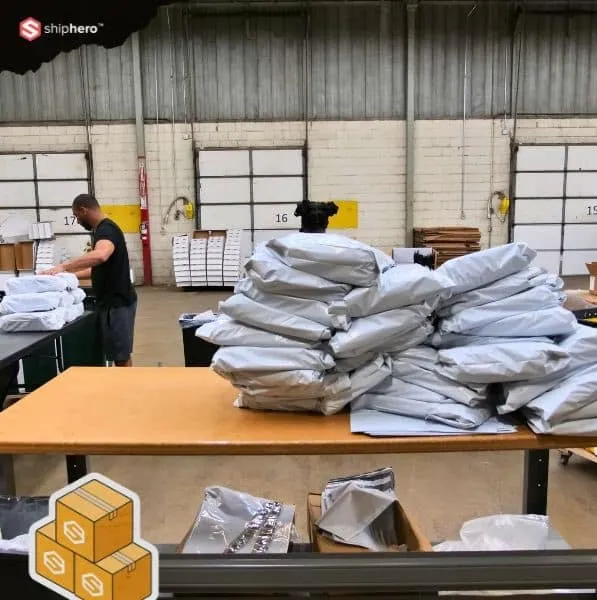
Direct-to-consumer fulfillment, also known as D2C fulfillment, is when companies bypass traditional retail channels and sell their products directly to end consumers. They take full control of the entire supply chain, from manufacturing to order fulfillment and shipping.
By eliminating intermediaries, D2C fulfillment allows brands to establish a direct relationship with their customers.
This gives businesses valuable insights into consumer behavior and preferences, enabling them to tailor their products and marketing strategies accordingly.
Adopting a direct-to-consumer fulfillment approach presents several advantages:
While D2C fulfillment offers a direct line to consumers, it's interesting to contrast this with how businesses manage logistics when they are selling directly to other businesses. Our guide on B2B fulfillment discusses the complexities and strategies behind managing business-to-business orders, offering a broader perspective on fulfillment solutions.
Successful D2C fulfillment relies on several key elements. Let's take a closer look at each one:
To streamline shipping carriers and optimize delivery routes, leveraging the right e-commerce shipping software becomes crucial. Explore our guide on e-commerce shipping software to understand how it can simplify shipping operations, from carrier selection to real-time tracking.
While D2C fulfillment offers numerous benefits, it also comes with its fair share of challenges:
Managing inventory levels and handling returns efficiently are among the top challenges in D2C fulfillment. To overcome these obstacles, robust e-commerce order management software plays a critical role. Gain insights into selecting the best e-commerce order management software that can help streamline these aspects, ensuring a seamless process for both inventory management and reverse logistics.
When it comes to D2C order fulfillment, businesses have several options to consider:
By having a direct relationship with customers, businesses can provide personalized interactions throughout the entire buying journey.
D2C brands can leverage customer data to create tailored product recommendations, offer exclusive promotions, and respond quickly to customers. This builds trust, ensures loyalty, and encourages customers to become repeat buyers and brand advocates.
By cutting out intermediaries, companies can remove the costs associated with wholesale pricing, retailer margins, and warehousing for retail locations.
In addition, D2C fulfillment helps businesses optimize their supply chain operations. They can minimize inventory holding costs, reduce order processing times, and streamline shipping processes.
These efficiencies translate into cost savings and a faster, more reliable fulfillment experience for customers.
D2C fulfillment and eCommerce fulfillment are closely related but not interchangeable terms. While both involve selling products directly to consumers, there are subtle differences between the two:
Partnering with a third-party logistics (3PL) provider can greatly simplify and enhance D2C fulfillment. 3PLs specialize in logistics and have the expertise and infrastructure to handle various aspects of the fulfillment process.
A 3PL can provide businesses with warehousing facilities, inventory management systems, order processing capabilities, and reliable shipping services.
This gives businesses extra time to focus on their core competencies while leaving the logistics to the experts.
To optimize D2C fulfillment and deliver exceptional experiences to customers, businesses can follow these best practices:
While D2C fulfillment can work for many businesses, it's essential to assess your specific industry, target audience, and product offerings. Businesses that provide unique, high-value products or have a strong brand identity often find success with D2C fulfillment.
D2C fulfillment lets businesses build direct relationships with customers, gather valuable data and feedback, and deliver personalized experiences. By maximizing customer satisfaction, businesses can foster brand loyalty and attract new customers through positive word-of-mouth and online reviews.
D2C fulfillment can benefit startups, niche brands, and established companies. It is particularly advantageous for businesses in fashion, beauty, health, and home goods, where brand authenticity and personalized experiences are valued by customers.
While there are notable benefits to D2C fulfillment, there will also be challenges to consider, with logistics complexities, inventory management, and the initial investment required for setup.
Additionally, businesses may need to adjust their marketing and customer acquisition strategies since they will no longer rely on retailers to promote their products.
Businesses can measure the success of their D2C fulfillment by tracking key performance indicators (KPIs) such as customer satisfaction scores, order accuracy rates, on-time delivery rates, inventory turnover, customer acquisition costs, and lifetime customer value.
By continuously monitoring these metrics, businesses can identify areas for improvement and make data-driven decisions to optimize their fulfillment operations.
.webp)
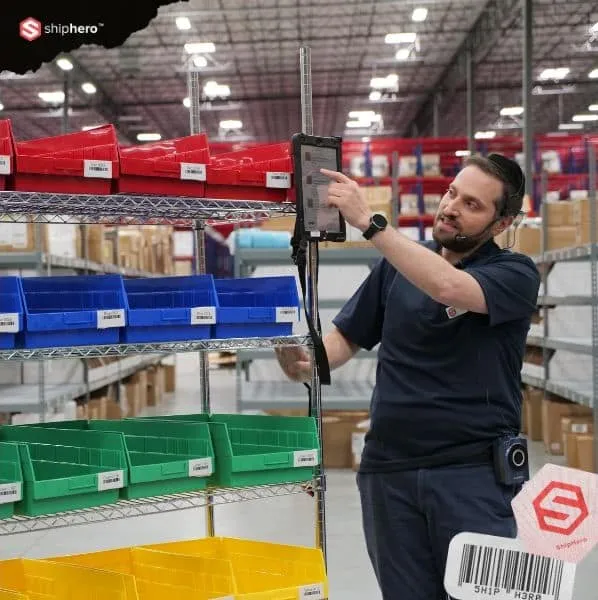
Discover the role, benefits, key features, requirements, and implementation of a 3PL Warehouse Management System (WMS) for optimizing warehouse operations. Learn about scalability, integration, real-time visibility, and customization options to choose the best solution for your business.
.svg)
Explore the top 3PL companies in Canada and learn how third-party logistics providers play a vital role in optimizing supply chains. Discover the benefits of partnering with a 3PL, key services offered, and steps to start working with a 3PL in Canada.
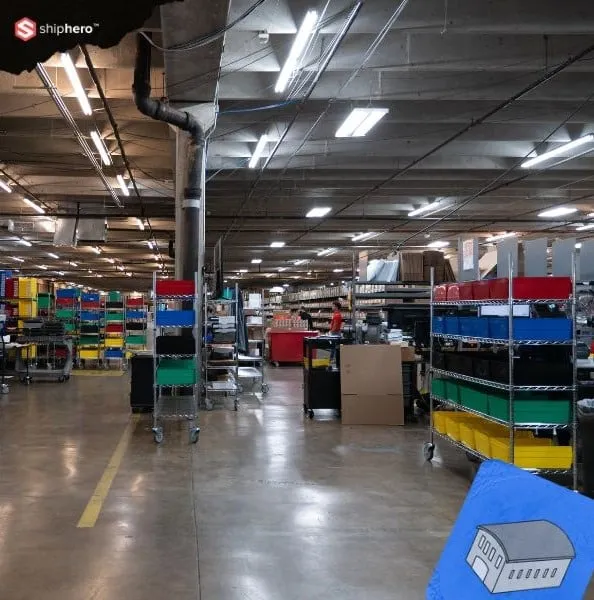
Discover the top 5 best third-party logistics (3PL) companies for your business needs, offering extensive networks, advanced technology, and superior customer service. Learn about the benefits of 3PL services, how to choose the right provider, and avoid common mistakes.

On September 1, 2026, Descartes Systems Group announced its acquisition of Extensiv for approximately $120 million. What was announced, what usually follows deals like this, and the questions Extensiv customers should put to their vendor before renewal.



.svg)



.webp)