
.svg)

Let’s stay in touch with the ShipHero Blog.


.webp)
The ShipHero Model Context Protocol (MCP) connects supported AI clients directly to your live ShipHero data, so warehouse teams can ask questions and get specific answers from their own account. It is built for day-to-day operational checks, including inventory levels, open orders, shipment status, holds, returns, purchase orders, and exceptions. For ShipHero customers, it is available at no additional charge and runs on existing API credits.
Every order, shipment, inventory movement, hold, return, and purchase order creates data inside ShipHero. Your warehouse information is right there, but getting to it can be a slow, complex process.
Before the ShipHero MCP, answering a specific operational question often meant logging in, finding the right report, applying the right filters, exporting data, or asking the one person on the team who knew where to look.
Even when the answer was simple, like a quick inventory check, it could turn into a 20 to 45 minute task. A customer question could sit half a day while someone pulled the right numbers. That delay adds friction to the floor. It slows decisions. It keeps teams waiting on data they already own.
The ShipHero MCP gives supported AI clients secure, read-only access to live ShipHero data.
That means operators can ask questions in plain English and get answers from their actual account, not from a generic help article or static knowledge base. A chatbot can tell you where to find a number. The ShipHero MCP can return the number itself.
It works with MCP-enabled AI clients, including Claude, ChatGPT, Cursor, and Codex. Connect it once, authenticate access, and your team can start asking operational questions from the AI tool they already use.
The workflow is simple:
The MCP does not replace ShipHero. It makes the data inside ShipHero easier to reach when your team needs a fast answer.
The ShipHero MCP is designed for everyday operational questions, such as:
If the data lives in your ShipHero account, the MCP gives your team a faster way to ask for it.
Speed matters, but safety matters too.
The ShipHero MCP is read-only by design. It can retrieve information from your account, but it cannot create orders, modify records, delete data, or change warehouse settings.
That gives teams a practical way to use AI for operational visibility without risking accidental account changes. Operators can ask. Managers can check. 3PL teams can answer client questions faster.
The data becomes easier to use, while the records stay protected.
For founders, the MCP can turn a quick inventory check into a simple question.
For operations leads, it can surface shipment status, holds, exceptions, and low-stock SKUs without digging through reports.
For 3PL operators, it can help answer client questions faster, using live account data instead of manual follow-up.
The result is a faster way to reach the information already inside ShipHero.
The ShipHero MCP is available to all ShipHero customers at no additional charge. It runs on existing API credits, so specific questions help keep usage efficient.
To get started, visit developer.shiphero.com or contact your ShipHero account representative.
ShipHero MCP is a read-only connection between supported AI clients and your live ShipHero data. It lets users ask operational questions in plain English and receive answers from their actual ShipHero account.
A chatbot usually answers from fixed, generic information. ShipHero MCP connects to live account data, so it can return specific answers about your orders, shipments, inventory, holds, returns, and other ShipHero records.
ShipHero MCP works with AI clients that support the Model Context Protocol, including Claude, ChatGPT, Cursor, and Codex.
No. ShipHero MCP is read-only. It can query data, but it cannot create, update, or delete records in your ShipHero account.
No. The MCP is built for operators and can be connected from a supported AI client in minutes. Developers may use more advanced tools for deeper analysis, but most day-to-day users can work directly with the MCP.
Yes. ShipHero MCP is available to ShipHero customers at no additional charge and runs on existing API credits.
Transitioning to a new Warehouse Management System (WMS) is a high-stakes decision that often triggers concerns regarding downtime, data integrity, and workforce adaptation. As warehouses prepare for 2026 growth, understanding these common hurdles—and the technical solutions that resolve them—is essential for a successful migration. This guide addresses the five primary barriers to adoption and how a high-velocity infrastructure ensures a seamless transition.
Warehouse operators frequently hesitate to upgrade due to perceived risks that can halt operations. These challenges typically include:
To clear these hurdles, a structured implementation strategy is used to prioritize data density and entity clarity.
In the competitive eCommerce landscape, staying stagnant with manual workarounds is often more costly than the transition itself. Moving to a high-velocity WMS converts your warehouse from a cost center into a growth engine by providing Labor Efficiency and ROI through automated routing and reduced authentication friction.
Because the platform is built for the floor worker, features like Workforce Hero allow seasonal temps and new staff to be authenticated and productive in under an hour.
No. High-velocity infrastructure increases visibility by providing Total Real-Time Control. Managers can monitor exactly what is in the Hospital queue and track replenishment in real-time from a single dashboard.
Before going live, a ground-up audit is performed using cycle counting tools. The system's architecture ensures that every movement on the floor is synchronized with sales channels instantly, maintaining 99.9% accuracy.
Picture a packer at Peak Season. A box is in front of them, a product in each hand, and somewhere on a cluttered desk there's a mouse they need to find to confirm the order. They look down. They hunt. They click. Then they do it again. Thousands of times a day.
That moment of friction is small. But it is never just one moment. Multiply it across your entire pack line, across an entire shift, and you are looking at a measurable and largely invisible drag on your total throughput.
Tap-to-Pack is a purpose-built hardware controller designed by ShipHero to eliminate digital friction at the packing station. It connects via USB-C, requires no drivers or additional software, and syncs automatically with the ShipHero WMS packing app. This new system is now available at the ShipHero Store.
Instead of navigating a screen with a keyboard and mouse, packers execute every high-frequency command — such as selecting box sizes, printing labels, finalizing orders, flagging exceptions — with a single physical tap on one of eight programmable buttons.
Key specifications:
Most warehouses are running 2026 operations on 1990s peripheral standards. The keyboard and mouse were designed for spreadsheets and emails, not high-volume fulfillment. When used at a packing station, they create three compounding problems:
The problem is not your people. It is the tools you are asking them to use.
Tap-to-Pack introduces a "Rodent-Free" packing standard: a workflow where the packer's hands stay on the product, their eyes stay on the work, and the software fades into the background.
The device guides the packer through two feedback systems:
ShipHero customers running Tap-to-Pack are already seeing a 90% reduction in on-screen interactions and a significant increase in the number of orders packed per hour, without adding headcount or changing their warehouse layout.
One of the hardest challenges in fulfillment is absorbing volume quickly, especially during Peak Season, when temporary staff need to reach target productivity fast.
Because Tap-to-Pack's interface is physical and intuitive, there is almost nothing to teach. Pick up the product, follow the light, tap the button. New packers can reach target productivity in minutes rather than hours.
The system is also modular:
Whether you are a growing DTC brand or a high-volume 3PL, Tap-to-Pack is designed so your hardware never becomes a ceiling on what your team can do.
Tap-to-Pack is a programmable, industrial-grade hardware controller that connects to the ShipHero WMS and allows warehouse packers to execute packing station commands, such as printing labels, selecting boxes, and completing orders. All with a single physical button press, eliminating the need for a keyboard and mouse.
The device connects via USB-C and syncs automatically with the ShipHero WMS packing app. It is a true plug-and-play solution: no drivers, no background software, and no manual configuration required.
Yes. Buttons are configurable for a range of packing actions, including Print Label, Complete Order, Select Box Size, and the Hospital function, which flags a problematic order and keeps the line moving without stopping to resolve it on screen.
The system is fully modular. Connect up to two additional 8-button hubs to the Main Hub for a total of 24 programmable buttons, supporting even the most complex multi-step packing workflows.
Tap-to-Pack devices require ShipHero Packing App v1.0 or higher. The current release is v1.1.0.
Imagine running a warehouse where orders are picked quickly, inventory is accurate, and all operations run smoothly without any errors or delays. Thanks to Artificial Intelligence, this can now become a reality with ease.
AI is transforming warehouse management by enhancing efficiency, intelligence, and the ability to meet the rapid demands of today’s eCommerce-driven market.
ShipHero is pioneering this revolution with its AI-powered warehouse solutions, setting new industry benchmarks. This article explores ShipHero’s AI Picking feature, highlighting how it’s transforming warehouse management and enhancing operational efficiency.
The integration of AI technologies, including machine learning, robotics, and predictive analytics, is revolutionizing warehouse operations, driving significant improvements in efficiency, accuracy, and overall performance. These innovations are optimizing processes across various areas, from inventory management to order fulfillment. Below are the key benefits of AI in warehouse management.
A combination of AI technologies is shaping smarter warehouse systems to help revolutionize warehouse management.
ShipHero has taken AI integration to the next level with its AI Picking feature, designed to significantly improve warehouse efficiency. This feature automates the picking process, reducing the reliance on manual labor and enhancing productivity in ways that were once thought impossible.
Let’s dive deeper into how ShipHero’s AI Picking works and the advantages it offers.
AI Picking optimizes warehouse operations in two key ways:
The AI Picking feature delivers a wide range of benefits:
The transformative power of AI extends far beyond just picking. AI is also revolutionizing other aspects of warehouse management, driving improvements in operational efficiency, inventory management, and safety.
AI automates tasks, reducing errors and increasing speed. Automated sorting and real-time inventory tracking ensure accuracy, while real-time monitoring helps managers adapt and ensure timely deliveries.
AI plays a vital role in maintaining accurate inventory levels. By leveraging predictive analytics, AI can forecast demand and optimize stock levels, helping warehouses avoid both stockouts and overstock situations. This leads to better inventory management and fewer disruptions in supply chains.
AI-driven systems can monitor warehouse conditions to ensure safety and compliance with industry regulations. These systems can analyze warehouse data and predict potential hazards before they occur, proactively reducing risks and ensuring a safer working environment.
AI technologies are playing a transformative role in the supply chain and logistics sectors by improving efficiency, reducing costs, and enhancing decision-making.
These intelligent systems effortlessly manage supply chain processes by using data to optimize operations, predict trends, and automate routine tasks. This ultimately reshapes everything, from how goods are moved to stored and delivered.
The future of warehouse management looks promising with greater automation and efficiency, but future warehouse digitization brings challenges, such as high upfront costs and the need for skilled personnel.
AI-powered drones, autonomous robots, and IoT integration are smart warehouse technologies that are revolutionizing warehouse operations. Drones will deliver goods quickly, while robots automate sorting and transportation, thereby reducing the need for manual labor.
IoT and AI integration will enable real-time monitoring and optimization of operations. Smart technology in warehouses is leading to fully automated systems that are faster, scalable, and need minimal human input.
While AI offers immense benefits, businesses must also consider certain challenges. High initial investments in AI technology, data security concerns, and the need for skilled personnel are just a few of the hurdles that must be addressed.
However, with a strategic approach, companies can eliminate the challenges and embrace AI’s full potential to boost accuracy in picking and improve overall warehouse operations.
AI minimizes error by automating tasks like inventory tracking, order picking, and sorting, ensuring greater accuracy and efficiency.
Yes, AI-driven predictive analytics can predict demand, track inventory levels, and improve supply chain efficiency by forecasting needs with greater accuracy to help businesses stay ahead of trends and market fluctuations.
AI solutions are becoming more cost-effective thanks to cloud-based services and subscription pricing models. These options make AI technology more accessible to small businesses, allowing them to take advantage of its benefits without large upfront costs.




.jpg)
Warehouse automation solutions can help reduce the need for manual labor and improve accuracy and speed in the fulfillment of orders. While automation in warehouses is still a fairly new concept, there are already a wide range of solutions available and several warehouses have begun adopting as much automation as possible. Especially within the recent COVID years where supply chain and logistics companies were expected to double (and sometimes triple) their workloads. Warehouse automation refers to the use of technology and automation to improve the efficiency and productivity of warehouse operations. This can include the use of mobile robots and other automated equipment and softwares to handle tasks such as picking, packing, moving and tracking inventory, and shipment tracking.
Most warehouse automation systems will use a combination of software, sensors, barcode scanners, robotics, and other technologies to track the movement of goods within the warehouse. This data is then used by the software to generate reports and provide real-time updates on inventory levels, order status, and other important information. The specific functionality of a warehouse automation solution can vary depending on the specific needs of the warehouse and the type of software being used.
While automation may seem like something only large-scale warehouses can afford, automation truly is for all warehouse facility sizes. Advantages such as automated storage and retrieval (AS/RS) systems are becoming wildly popular in any sized warehouse. Plus automation protects your warehouse as well. It both reduces human error and risk, while speeding up your operations and offering a higher rate of efficiency. We have all seen within logistics a technology upheaval is taking place, and warehouse automation is only going to improve. That’s why it’s key to get in on the ground floor and begin automating as many processes as you can so your warehouse can stay ahead of the competition no matter its size.
The client experience is everything. And the more automated your warehouse is the more you can handle increased client demand. Warehouses who implement automation can do more with less and minimize human error. They get benefits like:
With all of these benefits warehouse automation simply can’t be ignored and it’s quickly becoming a solution your warehouse needs or you may fall behind.
But how do I know when is the right time to automate my warehouse? Between peak season and trying to keep things up and running, making such a switch in your technology may seem daunting. We recommend reviewing several factors when considering automation. If you see a rise in client order delays, inaccurate inventory counts, using spreadsheets to manage your warehouse, or if you have a limited workforce yet your procedures are labor-intensive, it is time to automate. To do so, you’ll want to examine your supply chain from head to toe, identify gaps in your physical and technological processes, and recruit an expert to help you make the switch.
There are several types of warehouse automation solutions which can help you become automated. We’ve listed a few below:
While warehouse automation is highly needed in any warehouse size, you should first understand significant capital is usually required to get started. Not only in purchasing the equipment but in order to get the help needed for your business to set it up correctly and get it running smoothly. And with any equipment there is always the chance of failure within these processes. And if your equipment goes down, you can get unscheduled down time which can hurt your businesses delivery and efficiency rates. The best way you can avoid these downtimes is to schedule regular maintenance on your automated systems. There are third-party companies you can contract to do this service for you. If you keep your equipment regularly maintained it is highly unlikely to break down.
If you take a highly strategic approach to your application of automation you can benefit from these processes quickly. In many ways these solutions pay for themselves once they are up and running. Here are four steps to help you in your automation journey:
You must understand where you are at today in order to prioritize the automation you purchase first. This means you need to review your operational goals and understand where these goals succeed and where they fall short. If your workers struggle to do their work quickly, or you have continually been surprised by empty product stock, this can give you some idea of what automation will help your warehouse the most.
Your workers need technology which is simple to use. Technology which requires a high rate of training to understand will slow down your processes not only when you implement, but when you get new workers as well. So make sure the technology you choose is easy to use and to implement with a highly user-friendly interface.
Once you have provided your employees with technology that enhances their productivity, you need to evaluate your workflows. Review what labor-intensive and tedious tasks could be handled by AMRs (or other automation) instead of your employees. Reviewing the workflows in your warehouse allows you to process what is outdated and what works so you can implement automation accordingly.
As you automate, you will grow. It is often a result of the efficiency which comes with automation. Knowing this it is a good idea to start with software automation first which will grow and expand as you do, then begin adding robot technology into your warehouse as your business grows. Finding a partner who can work as a strategic advisor to you in this warehouse automation will be key in successfully implementing these practices.
As you look to automate your warehouse, we have identified a few best practices to help you along the way.
Whether it be a warehouse automation technology, or robotics these solutions need to have the capability of scaling with you. Meaning you should have no problem integrating these technologies into future warehouse locations, teaching new employees, or evolving with supply chain partnerships.
Any automation software you utilize should integrate directly into your WMS platform. These solutions specifically should help you manage and track inventory as well as offer dashboards and reports with key inventory insights.
Once you implement automated data collection systems you can use barcode scanning and RFID tags to help you automate your continuous cycle counts. With this technology you can validate the inventory levels in your WMS and check for any discrepancies using reporting dashboards.
This is a great place to start when it comes to automating your warehouse. Cloud-based solutions which use barcode scanners are one of the simplest, low-cost paths to automation. Starting here allows you to eliminate human error and use the barcode scanners to capture highly needed performance and inventory data which can be used for further analysis.
When you optimize receiving you gain the ability to identify incoming product information such as dimensions, classifications, and packaging. Using this data, your warehouse automation triggers specific rules to determine where to store and how to handle these products. Automating as much as you can from the moment a product enters your warehouse makes your workflows highly streamlined down the road.
Some don’t realize to be successful many physical automation solutions like AS/AR systems do need space to be as successful as possible. Which means you may need to rework your warehouse with the help of a solution vendor so you are optimized for automation.
We already know automating your warehouse is a quick way to improve efficiency and speed, but automation has many different solutions in the mix that may be right for some warehouses and not for others. When you invest in warehouse automation you should first decide the process in which you want to automate and what solutions to add first which can help build up to other solutions.
There are several levels of automation solutions to pick from including basic automation which includes scanning systems and basic conveyor systems. System automation which involves a software based system often to automate inventory, order picking, and performance reports. Mechanized automation which includes physical robotics. And advanced automation which means you use automation solutions from all of the previous three types. With how many automation solutions are out there, and the fact that these solutions are expected to grow tenfold in the coming years, you need to find an automation expert to help you along the way so you can pick the right automation solution in the right order. Especially because “right” will look different for every warehouse.
With automation technology, warehouses are no longer considered slow growing and highly manual work. Innovative automation will continue to propel the logistics industry as demand grows higher and worker availability plummets. Now, whether your warehouse is large or small, you have the benefit of using automation to get more tasks done with less. In fact, warehouse automation stats show automating your logistical systems makes a huge difference when it comes to warehouse efficiency. Deloitte did an analysis of supply chains and found, “79% of companies with high-performing supply chains achieve revenue growth superior to the average within their industries.” Which means if you don’t have automation up and running yet, it’s definitely something you should get started right away!
Warehouse automation costs depend on the needs and size of your warehouse. You will need to first understand your own processes, and the software or robotics you’ll need to improve them, before you’ll get a scope of cost.
When it comes to warehouse automation most different solutions can fall within two types: process automation and physical automation. While physical automation is specific to the process of moving products and often uses robots, process automation is about gathering and utilizing data so daily tasks can be automated and reporting presented with key insights.
Yes. Some warehouses are known as dark warehouses. The name comes from the fact that these warehouses don’t need lighting because they have no operators working inside of them. These dark warehouses are common in the automotive, food, and eCommerce industries.

.svg)
Debating whether to use 3PL or 4PL can be challenging because only a few business owners know the difference. While both services may appear interchangeable, there are key differences in technologies, capabilities and typical applications.
If you want to introduce 3PL or 4PL into your supply chain management strategy, this guide will outline the major differences and how to choose the appropriate solution.
Whenever a customer purchases a product online, logistics providers become responsible for shipping them. Below are the different logistics services and what they offer.
First-party logistics (1PL) companies employ in-house freight carriers that transport goods and products from point A to point B. A 1PL transaction involves two parties: a manufacturer and a buyer.
For instance, a local farm (point A) might transport ingredients directly to a grocery store (point B).
Second-party logistics (2PL) transport goods using owned assets, such as planes, boats or other vehicles. 2PLs are typically used in international shipping and wholesale goods.
For instance, a local farm might use an outsourced delivery service to ship ingredients to direct buyers.
Third-party logistics (3PL) outsources delivery and additional services, including picking, packing and shipping. Some 3PL fulfillment services also offer warehouse management capabilities, such as real-time tracking, through connected software.
For instance, a local farm might use a 3PL solution to pack and ship goods, then deliver them to grocery stores more quickly.
Fourth-party logistics (4PL) covers all supply chain management, including execution. 4PL providers, also known as lead logistics providers, act as consultants, giving the company feedback to improve operations.
For instance, a 4PL company might inform a local farm of changes in supply and demand, allowing them to make the necessary adjustments.
Fifth-party logistics (5PL) or logistic aggregators employ highly advanced solutions – such as robots, automation, blockchain and Radio Frequency Identification (RFID) devices – to improve efficiencies within a company’s entire operation.For instance, the same local farm might outsource all its logistics operations, focusing solely on production.
A 3PL, or third-party logistics company, ships products on behalf of a client. 3PLs act as an intermediary but do not take ownership of the imported products. A company might hire a 3PL provider if its supply chain becomes too complex to manage natively.
The types of logistics services a 3PL provides can range from warehousing to packaging and freight forwarding. Asset-based 3PL services directly manage a company’s resources to perform its services.
A 4PL, or fourth-party logistics company, controls a business’s entire supply chain strategy and has comprehensive oversight of warehouses, freight forwarders and shipping companies. A fourth-party logistics provider can make recommendations regarding changes to production and shipping strategies.
Hiring a 4PL company might make sense if you need more resources and staff to oversee transportation and other supply chain operations.
While businesses have more hands-on involvement with a 3PL provider, there is an extra degree of separation with a 4PL provider. In addition, the relationship between companies and 3PLs might be more transactional than with 4PLs.
Below are other key differences between 3PLs and 4PLs.
While 3PLs oversee fulfillment operations like warehousing, packing and shipping, 4PLs take it further by managing all supply chain activities. This includes transportation services, supply chain software and potential stopgaps in your process.
Working with a 3PL can give your business the upper hand in supply chain optimization. 3PLs demand more client involvement, so you can still make the decisions you feel is best for your business. For example, you can optimize fulfillment by picking strategically located fulfillment centers close to your customers.
In addition, 3PLs provide clients with access to shipping data, increasing demand forecasting accuracy and enabling better-informed decision-making.
Compared to 3PLs, 4PLs have a more extensive warehouse network, better storage capacity, and broader geographical coverage. In addition, 4PLs can store heavier items and provide more accurate lot tracking.
3PLs typically run more expensive than 4PLs because they demand longer-term contracts to cover daily order volumes. Not only do 4PLs run cheaper, but they also offer more flexible and scalable contracts – 4PLs are on-demand, charging clients only for the resources they use.
Because 4PLs act as a business’s intermediary, all customer queries run through them before reaching you. This can cause significant delays.
Conversely, 3PLs work directly with merchants, allowing them to resolve issues quickly. Plus, 3PLs deploy the same customer service teams for businesses and merchants, which helps everyone stay on the same page and on top of customer demands.
While 3PLs can provide comprehensive warehouse management, they rarely offer the kind of advanced technology that a 4PL can. While both 3PLs and 4PLs use integrated warehouse management software (WMS), 4PLs often take their technological capabilities further with autonomous vehicles and robotics.
While no two 3PLs are identical, these logistics service providers typically offer the following services:
A third-party logistics service provider can make your supply chain more cost-effective and efficient. Below are a few other benefits you can reap from hiring a 3PL:
3PLs may not be suitable for all businesses, as they can pose the following considerations:
The goal of a fourth-party logistics service provider is to oversee your entire supply chain. To do so, it typically provides the following services:
There are many reasons you might choose a 4PL company instead of a 3PL. Below are a few advantages that might convince you to hire these transportation providers:
Despite its bells and whistles, 4PL fulfillment isn’t always the solution. Here are a few cons to look out for:
Whether a 3PL or 4PL is best for your company will depend on your business goals and current capacity. While 3PLs are eCommerce companies' most common logistics model, there are also many reasons to choose a 4PL.
For instance, 4PLs can provide excellent logistical solutions for your supply chain if your business is on an enterprise level. On the other hand, newly expanding businesses can benefit from delegating their fulfillment responsibilities to 3PLs with logistical experience.
Both 3PLs and 4PLs provide significant advantages that can increase sales, improve your ROI and encourage business growth. However, your choice will depend on your business’s unique requirements. Before you make a decision, remember these key takeaways:
For a warehouse management solution you can always rely on, ShipHero has the answer for you. With over 99% shipping accuracy and 30% faster delivery speed, we can significantly reduce your warehousing costs and increase picking efficiency threefold.
Learn more about our warehouse management and outsourced fulfillment solutions today.
Whether 4PL is better than 3PL depends on your business needs. For enterprise-level businesses with more complex logistics processes, 4PL may be more appropriate.
An example of 4PL is a logistics company that manages a merchant’s entire supply chain, from logistics to order fulfillment. While a 3PL will only be in charge of fulfillment and delivery, a 4PL will also handle communications between merchants and buyers. For instance, if a buyer is running out of a particular product, a 4PL will inform the merchant that they need to start producing a new batch.
While they differ from provider to provider, some services that a 4PL could offer include:
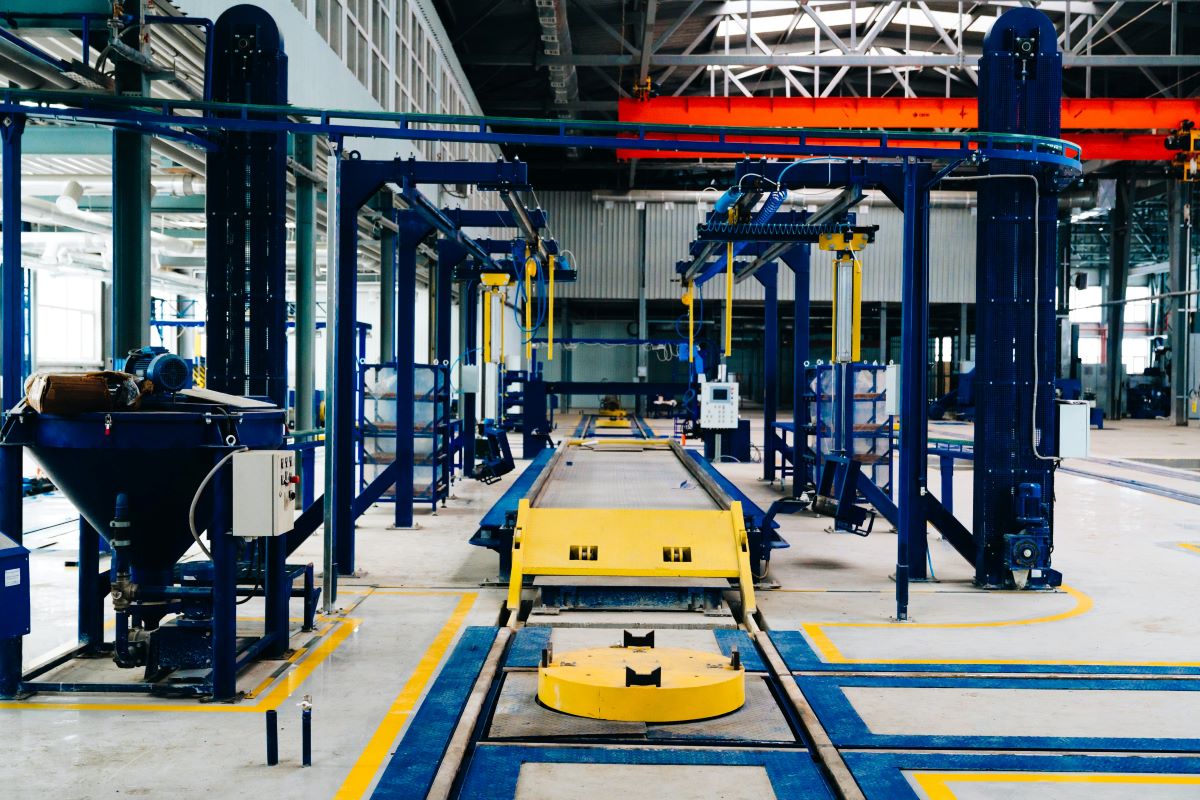
Automating your warehouse involves a variety of factors, from the size of the warehouse to floor space to safety measures. It's about integrating automation technologies into warehouse systems, such as warehouse robots and automated guided systems, to optimize order fulfillment and enhance customer satisfaction. These automated warehouse systems are designed to improve order accuracy and streamline the movement of goods.
The goal of warehouse automation is to automate as many repetitive tasks and processes as possible within a warehouse with the goal of increasing speed and efficiency and reducing human assistance. This automation can come in both the form of software and physical robotics which move throughout the warehouse. Talking to an expert can be highly helpful when trying to decide how to automate your warehouse as they will assess your current warehouse workers, processes, and your goals, to help you find the technology to make those goals a reality.
Yes, warehouse automation can cost a lot upfront. But the return on investment (ROI) can be worth it. Think about:
Yes, the upfront cost is high, but long-term savings and efficiency costs with industrial automation can lead to a positive ROI over time.
The cost of warehouse automation depends on numerous factors. Size matters; large-scale operations may need thousands of pallets moved daily, which requires a significant investment in automation technologies. On the other hand, small-scale operations might only need a few automated forklifts or drones to improve efficiency and reduce warehouse labor costs further. The people involved in these operations also play a role in determining the cost.
Other cost-influencing factors include the complexity of your supply chains, the level of human intervention currently required per automated solution, and the dimensions of your fully automated solution, warehouse system and infrastructure.
For instance, retailers like Walmart may have multiple large-scale distribution centers requiring advanced automation. These are the things to consider when planning for warehouse automation.
There's a wide range of various warehouse management and automation systems available, each with its unique cost basis. Conveyor belts, automated storage and retrieval systems and cloud computing can provide enhanced visibility into the picking process and minimize error rates, but they also involve substantial initial expenses and ongoing maintenance costs. These technologies provide valuable insights into warehouse management system operations.
Here are some general stats for your warehouse costs with industrial automation costs available.
More advanced options, such as collaborative mobile robots such as warehouse robots and cobots (collaborative robots), might have higher upfront operating costs. However, their benefits like improved safety, productivity, and error-proofing of automated systems may make them a worthwhile investment in certain cases.
To encourage businesses to upgrade their tech, governments often provide grants and tax incentives. If your automation includes AI, robotics, or similar technologies, you might qualify for these benefits. Tax credits or accelerated depreciation could also be part of your financial strategy. This varies by region and business, so seek advice from a local business counselor or tax professional.
The total cost of ownership (TCO) is essential when considering warehouse automation. This figure includes your initial investment, plus ongoing costs like maintenance, upgrades, and staff training. Regular upkeep keeps your automation tools running well.
Over time, you'll need to upgrade your system to stay on the cutting edge. Plus, your team will need training to use these new tools. Calculating TCO gives you a realistic picture of your investment and helps you make wise choices about which automation technologies offer the best return.
Warehouse automation is not merely a cost but an investment. With the growth of online sales and the e-commerce market, companies need to deliver results quickly and accurately to their customers. Enhanced productivity and reliability through automation technologies can significantly impact your bottom line. The reasons for implementing warehouse services and automation solutions often outweigh the costs.
Additionally, industrial automation systems can also provide scalability and flexibility to existing labor,, which is vital in adapting to changes in customer demand. For example, a sudden surge in orders can be handled more efficiently with an automated system than with manual labor.
It makes sense when the warehouse automation cost outweighs the existing warehouse operating budget and expenses. Managers need to keep in mind the risk versus reward. The key is to find a balance between significant cost savings investing in technology and automation cost while ensuring it delivers the right results in terms of productivity, safety, and customer satisfaction.
For instance, if a large portion of your expenses goes towards warehouse automation, reducing costs go towards moving and tracking goods manually, your warehouse automation RoI will be high. Moreover, if error rates are high due to human error and intervention in manual tasks, technologies such as artificial intelligence could offer valuable error-proofing measures.
When you're choosing automation tech, think about: Budget - What are the costs of buying, installing, and upkeep of automation equipment? Remember to weigh initial costs against long-term savings. Operations Size - How big is your warehouse and how many goods do you handle? This will help you decide what tech will help most.
Fragile items may need different automated storage and retrieval when put to light systems rather than heavy ones. Existing Systems - Current systems in your warehouse might affect which tech fits best. Future Plans - If you plan to grow your warehouse or operations, your tech needs to grow too.
Automation doesn’t just affect your warehouse. In fact, automation can affect other major parts of your business in a good way. As an example, if you automate as many processes as possible within your warehouse using both robotics and inventory management software, you’ll see a ripple effect towards other aspects of your business.
Think about how this automated solution would roll over to your other operations. Especially cost to automate, with higher accuracy and more data to feed major decisions within your company. The automation you implement today will continually service your business down the road.
The whole warehouse floor space and automation landscape is continuously evolving with technological advancements. Let's delve into a few future trends that experts predict will shape the whole warehouse space industry:
Artificial Intelligence solutions are playing an ever-increasing role in automation. Advanced algorithms can analyze large volumes of data to forecast demand, optimize inventory, and streamline the supply chain to develop more complicated automation solutions. We'll likely see even more integration of these technologies with cloud computing into warehouse operations.
As warehouse robotics technology advances, we're likely to see increased use of Cobots - robots that are designed to interact with humans in a shared workspace. They enhance human capabilities, allowing for higher productivity levels. Collaborative mobile robots are predicted to work alongside humans, not replace them.
AMRs are a game-changer for warehouse operations. They can navigate additional warehouse space without human intervention, significantly increasing productivity and efficiency. Experts forecast that AMRs will be more integrated into warehouse operations in the future, handling tasks like picking, packing, and transporting goods.
IoT allows for real-time tracking and data collection, leading to enhanced operational efficiency. The concept of "smart warehouses" is anticipated to become more prevalent, utilizing IoT for inventory management, predictive maintenance, and energy management.
Aerial inventory technology could soon play a bigger role in warehouse operations. They can be used for tasks like inventory checks and transporting small items within the same warehouse layout, reducing human effort and time. Drones equipped with RFID technology can quickly locate and identify items in large warehouses.
The future of warehouse operations will involve making data-driven decisions. Advanced analytics tools can provide insights from vast amounts of data, enabling better demand forecasting, optimized logistics, and improved efficiency.
As businesses strive to reduce their environmental impact, we'll see more efforts towards making warehouse operations eco-friendly. Automation can contribute to this goal by reducing waste and improving energy efficiency.
As warehouses become more automated and digital, the importance of cybersecurity grows. Future trends are likely to see increased focus on securing systems and data.
These future trends highlight the potential for innovation and transformation within the warehouse automation space. As automated warehouse technology continues to advance, different warehouses that embrace these trends are likely to see significant improvements in efficiency, productivity, and overall operational effectiveness.
Investing in warehouse automation systems requires careful consideration of a variety of factors, beyond smart warehouse cost, including size, safety, and the nature of your supply chain.
The goal of successful warehouse automation strategies for operators should always be to improve efficiency, reduce waste, and increase customer satisfaction. While costs can be high, the potential benefits for productivity and growth can make automation a vital arm of modern warehouse operations.
In the past, robotics have specifically focused on the manufacturing sectors, but now they are hitting the logistics sector with powerful improvements in automated warehouse systems. Warehouse automation may have a big price tag up front, but these processes bring your facility into the future and allow you to compete faster and more accurately than other warehouse processes which don’t yet have automation within them.
You’ll find many cost reductions both in labor and space come with automating your warehouse. However the transition to an automated warehouse system and facility can’t be taken lightly, it must be deliberately strategic with a plan that could last months or even years to implement.
If there's one thing you can count on in the eCommerce world, it's that things are constantly changing. What works today might not work tomorrow, so it's crucial to stay ahead of the curve and keep your product offerings and strategies fresh. In this PalletSide Chat episode recap, we'll give you tips on getting creative with product optimization and increasing your AOV. Alex also talks about utilizing hot buzzwords to stay ahead of the competition. So if you're looking for ways to increase AOV and stay ahead of the curve, this blog post is for you!
The state of the economy is a hot topic of conversation these days. Everyone has an opinion on what's happening and what needs to be done to fix it. But when it comes down to it, there are only so many things that we as individuals can actually control. Interest rates and consumer spending habits are important factors affecting our businesses. But at the end of the day, what really determines our success is how we respond to these macro trends. Do we let them get us down, or do we focus on the things we can control and execute our plans flawlessly? So let's dig into some of those controllable factors and figure out how to make next year a success despite all the uncertainty.
We've all been there. You're scrolling through Twitter, and you see someone flexing their successful eCommerce business, and you can't help but feel a little discouraged. You think to yourself, "Why can't I be like them? What am I doing wrong?" The reality is that everyone struggles at one point or another in their eCommerce journey.
Even the people who seem to have it all together have had their fair share of struggles. The key is not to compare yourself to others and to keep pressing on. There is no one magic solution to success in eCommerce; the key is to keep trying new things and keep going. So, if you're feeling down about your eCommerce journey, just remember that even the most successful people have been in your shoes before. Keep pressing on, and you'll eventually find success.
As any entrepreneur knows, a successful business requires hard work and dedication. However, even the most passionate entrepreneurs sometimes need help to achieve their goals. This was the case for Alex. Despite his best efforts, he found it difficult to generate sales and grow his business. That is, until he received some sage advice from a friend: "product is king, offer is queen."
With this new perspective, Alex focused on creating a solid product offering. He also revised his marketing strategy, ensuring that his ad spending focused on creative and targeting. The results were immediate and substantial; within months, Alex turned his business around and saw record sales. This just goes to show that, when it comes to business, sometimes it's the little things that make all the difference.
If you're in the business of selling things, it's important to understand your customer's Lifetime Value (LTV). This measures the total revenue customers will generate throughout their relationship with your company. The higher your LTV, the better. If you have a product with a higher barrier to entry, it's more expensive and thus a more significant decision for potential customers. In this case, you'll need to spend more on marketing to get people to buy because it's not an impulse purchase.
At Black Wolf, they quickly learned that their biggest hurdle wasn't their products' price point but their LTV. They market themselves as a premium brand. Their COGS (Cost of Goods Sold) is high, and their margins are slim, so it's always been a struggle to increase their AOV. They launched with an AOV of $18, and through a few expansions to their line, they managed to scale up to $40.
But Black Wolf couldn't get past the $40 mark, no matter how hard they tried. It was frustrating because everyone kept telling them that the key to winning in eCommerce is having a high AOV of $50 or even $100. But they just couldn't hit those numbers. So Black Wolf had to find another way.
Rather than looking at AOV as simply the total value of an order, businesses should consider it an opportunity to optimize revenue. There are many ways to do this, but the key is to focus on existing customers. Acquiring new customers is always expensive, so it's essential to ensure you're getting the most out of your existing customer base.
One way to do this is to optimize AOV on initial orders. Upselling or cross-selling complementary products can do this. Another way to optimize AOV is to focus on recurring orders. This could involve creating subscription models or offering discounts for loyalty. Businesses can unlock various new revenue streams by thinking creatively about how to increase AOV.
Black Wolf’s old strategy wasn't working as planned - people weren't biting at the more premium, larger bundles they were offering. They could've gone two ways: Make the products even more expensive or desirable, or lower the barrier to entry (aka make it cheaper/more accessible). So, they decided to go with the latter and offered a free trial with a 60-day subscription. And it worked like a charm! The CPA decreased significantly, which led them to change their business model and shift their marketing strategy for skincare products online.
To expand their brand and increase their AOV, they knew they needed to diversify their product offerings. So, they saw an opportunity when they came across ear cleaning as a high search/low competition category. They knew that to get their new product into retail stores and ultimately onto TV, they would need to come up with a catchy name. That's how Wush by Black Wolf was born. Wush has been hugely successful for them, selling in stores like Bed Bath and Beyond, CVS, Rite Aid, and HSN. And they're not just selling any old product - Wush is a luxury item with a significant margin. Plus, their CPA is lower than it was for their skincare products.
So how do you effectively cross-market all those things to your existing customer base? When Black Wolf launched a hair care line, they made it salon-grade. And the idea is to use salons and barbershops as the lead magnet for their brand. When you get a product that your barber recommends, you trust and love it, and then … you want to find it for cheaper. Using this strategy has been working well for Black Wolf.
No matter your business, it's always important to focus on your strengths. The saying goes, "If you can't be the best, be the best at being the best." Dan and Alex set out to talk about increasing AOV, but they quickly realized that the most important thing is offering a great product. You can have the best supply chain in the world, but if your product isn't up to par, you'll never succeed. Conversely, you'll never reach your full potential if you have great development but poor operations. The takeaway is that you need to focus on what you're good at and build a strong foundation. Once you have a solid foundation, you can branch out and experiment with other business areas. But always remember: it's important to stick with what you're good at. Otherwise, you'll never be the best at anything.
So, what are some things you can control in your business as they head into 2023? Alex and Dan have highlighted a few key factors that will help you increase sales and stay ahead of the competition. For example, learning from others' successes and failures is a great way to gain insights that will help your business grow. Additionally, increasing AOV with new product offerings and strategies can be another successful way to boost revenue. If you want to read more about these tips and find out additional ways to succeed in 2023, stay tuned for more great podcast episodes!
Do you have marketing questions that have been keeping you up at night? Or warehousing challenges that have left you feeling defeated? Well, don't suffer in silence any longer! The PalletSide Chat podcast is here to help. In each episode, hosts Dan and Alex tackle a wide range of topics related to the pallet industry, offering advice, insights, and solutions. And now they're inviting listeners to join the conversation. So if you have a question or comment, don't hesitate to reach out to podcast@shiphero.com and let your voice be heard! Who knows, your question might be answered in a future episode!
—
Watch on YouTube or Listen on Spotify
About the Hosts: As VP of marketing, Dan Van Meer is always on the go. From overseeing project management and data analytics, he has his hands in a little bit of everything. Most importantly, he ensures that all creative work - from graphic design to digital marketing - is high quality and on-brand. Co-host Alex Lewkowict is quite the renaissance man. He's been an adolescent entrepreneur, successful CEO, and Founder of a men's skincare line, and he created One23 Fulfillment. Did we mention he made the Forbes 30 under 30 list?

It's no secret that the shipping industry has seen significant changes in the last few years. Retailers have had to adjust their operations due to port delays, labor shortages, and inflation. As we move into 2023, there are several key trends that retailers should be aware of. From load balancing to sustainable packaging and fast order fulfillment, here are seven shipping trends to watch out for in the new year.
Anyone who's tried to order a simple item online lately knows that supply chains are majorly screwy right now. Thanks to a global pandemic, war conflict, and port delays, shipping and manufacturing delays have become the norm rather than the exception.
In February 2022, only about 34% of container vessels arrived at their destination with no delay. And according to our research, 39% of brands say shipping and manufacturing delays and shipping costs will continue to be a top supply-chain-related challenge over the next 12 months.
Fortunately, most retailers acknowledge it will take time to unravel the challenges associated with shipping delays and the supply chain. In the meantime, there are some things consumers can do to ease the burden.
No retailer wants to be known as a company with terrible shipping. Customers expect efficient shipping; anything less can damage a company's reputation. Shipping is one of the most significant expenses for a retailer. So, this is where load balancing has come in.
Load balancing is a popular method of reducing shipping and warehouse costs by distributing shipments evenly across multiple carriers. Getting products closer to your customer through distribution centers helps to avoid service disruptions and delays. Studies have shown that load balancing can save up to 25% on shipping costs. In addition, load balancing can reduce your total costs by up to 13%.
While load balancing has many benefits, it is not without its challenges. It takes coordination and a good warehouse management software system to work efficiently. However, the savings are definitely worth the effort. Load balancing has only gained popularity in recent years, but it is expected to grow even more as retailers realize the benefits.
Agile supply chains are designed to be highly flexible and responsive, so businesses can quickly make changes as needed. Shifting from ‘just-in-time’ to a more stable ‘just-in-case’ model allows brands to respond to more supply chain setbacks.
While it may be impossible to insulate one’s company from another global pandemic, operating with more robust inventory levels may help companies to overcome supply chain obstacles and maintain the integrity of fulfillment channels. In other words, the days of "set it and forget it" shipping are long gone.
Businesses need to be prepared for anything and everything, which means having a supply chain that can quickly adapt as needed. Recently, I discussed this same challenge with Shopify and other leaders in fulfillment; you can find the full article here.
As the world becomes more conscious of the need to protect the environment, sustainable packaging is set to become one of the most critical industry trends.
Order fulfillment companies are already beginning to place a greater emphasis on sustainability, with 46% of customers indicating that they are more likely to purchase a product online if they recycle the packaging.
In addition to meeting customer demand, this shift will also help reduce eCommerce emissions, which currently account for six times as much pollution as products purchased in-store.
Placing their sustainable shipping and returns values at the forefront of their offering makes it easier for customers to buy in. Sustainable packaging isn’t just good for the environment – it’s good for business too.
Customers today expect more than just fast delivery times; they also expect accurate delivery times. That's why delivery time accuracy and transparency are becoming increasingly important for businesses of all sizes.
Customers expect brands to be upfront about delivery times with today's supply chain disruptions and ever-changing shipping costs. After all, no one likes getting their hopes up for a package that ends up being late.
But it's not just about meeting delivery expectations—it's also about setting realistic ones in the first place. Brands that overpromise and underdeliver risk damaging customer relationships beyond repair. Research shows that 32% of customers have abandoned a cart because "the estimated shipping time was too long" and 22% because "there was no guaranteed delivery date."
Looking ahead to 2023, developing transparency and trust around shipping will be critical to building long-term customer relationships—relationships strong enough to weather any industry challenges that come your way.
We all know how important shipping is to eCommerce. And, after a rocky few years, 2023 is shaping up to be a good year for shipping. Thanks to continued innovation in logistics and transportation, we can expect cheaper shipping costs and less port congestion.
While there may still be some disruptions in the supply chain, retailers are finally starting to feel some relief. According to the Freightos Baltic Index, in Q4, the global average cost of shipping a container is $3,429, compared to a whopping $10,396 in October 2021. Lower container costs and fewer backlogs should help retail brands keep shipping rates lower for consumers. So far, so good!
As eCommerce businesses continue to grow and expand, many find they need more help than they can handle. This is where third-party logistics providers (3PLs) come in. 3PLs specialize in managing all aspects of the shipping process for their clients, from warehousing and fulfillment to transportation and tracking. By partnering with a 3PL, you can free up valuable time and resources so that you can focus on what you do best.
With pre-negotiated contracts and a network of fulfillment centers spread across the country and worldwide, a 3PL can offload the time and stress of managing shipping logistics in-house while keeping costs down. As e-commerce continues to grow, we can expect even more innovation from 3PLs as they strive to provide the best possible service to their clients.
If you're feeling overwhelmed by the logistics of shipping in 2023, never fear! ShipHero is here to help. We've outlined the seven most important shipping trends for retailers this year, and we'll continue to monitor these trends as they evolve.
Plus, ShipHero offers an end-to-end, full-service fulfillment solution that leverages the reach of our seven owned and operated warehouses (strategically placed across the country and Canada). So, if you're looking for a way to outsource your supply chain and shipping needs, consider partnering with a 3PL like ShipHero. Let us take care of the fulfillment so you can focus on what you do best - selling products!
—
Maggie M. Barnett, Esq. COO of ShipHero
About the author: Maggie M. Barnett, Esq., is the COO of ShipHero. She is responsible for planning and executing the overall operational, legal, managerial, and administrative procedures, reporting structures, and operational controls of the organization. Barnett’s greatest strengths are leadership, risk mitigation, change management, and a passion for business transformation. She is known for her expertise in delivering operational excellence and ability to provide guidance and mitigate risk. Her leadership of ShipHero is grounded in a servant mentality, always doing the right thing for our stakeholders. Her passion for ShipHero comes from the ability to drive operational excellence throughout the organization impacting the lives of our employees, customers, and partners.
In this PalletSide Chat podcast episode, we’re sharing a panel, hosted by our own COO Maggie Barnett for FounderMade East. Speaking with Brett Tepper from ModKat and Rich Brewer from Boutique Brands, they discuss practical solutions for keeping shipping costs low and customers happy. They cover everything from optimizing fulfillment processes to utilizing technology effectively.
Most business owners know that reducing shipping costs is a major priority, but it can be tricky to do so without alienating customers. It can be daunting, but with the right advice, it can be done without sacrificing customer satisfaction. This expert panel will teach you how to keep your customers happy while shaving dollars off your shipping bill. Tune in for the tips and tricks these experts have gleaned from their own experiences running successful eCommerce businesses in an ever-changing landscape. Shipping rates may be skyrocketing, but that doesn't mean your eCommerce business has to suffer!
When it comes to litter boxes, even the most design-savvy among us can be taken by surprise. Just ask Brett Tepper and his business partner, who found themselves unexpectedly in charge of cat box duty. What they discovered was a litter box that was, in their words, "not happening." The following day, Tepper's business partner came in with an idea for a better design.
Thus began a journey that would take them from Walmart to Taiwan and eventually result in a successful product. Today, Tepper and his partner continue to work with the same manufacturer, and their litter box remains one of the most popular on the market. They are considered "OGs" of the Shopify world, as they were one of the first 300 people to use the platform. Who would have thought such a simple, but smelly, idea could lead to success?
ModKat prides itself on being able to adapt to change. So when the pandemic hit and their sales exploded, it was a happy challenge. However, soon they found themselves facing a different problem: exploding freight costs. Freight bills soared from $6,000 per container to $12,000, then $18,000, eventually topped at an astonishing $32,000. They knew they had to make tough choices to keep their business afloat. They started by eliminating free shipping, then slowly escalated prices.
With four primary sets of SKUs, ModKat has increased pricing on their higher-end litter boxes. The downside to shipping litter boxes is that they are big, so they all hit dim weight and can only fit a few per container. With a 40-ft HQ container, they can only fit about 550 of their largest litter boxes. This directly affects the pricing scale, so that's where most of the cost-cutting has been done. Fortunately, they have enough margin on the refills to keep them at the same price. The other great thing about the litter box liners is that they fold flat and ship small, so freight doesn't affect them as much.
If you've ever worked in eCommerce, you know a lot goes into fulfilling orders. And if you are doing it yourself, a whole other stress level comes with it. That's why ModKat outsourced fulfillment to a 3PL when Tepper started his business. But then, around 2012, he got a 5,000-square-foot space and started prepping orders himself. Tepper mentions that it was great and awful at the same time. He learned a ton about how fulfillment works and why 3PLs work a certain way. But after a year, he realized it wasn't a tenable situation and returned to using a 3PL. He'd been with the same one for seven years but recently switched to ShipHero. If you've thought about fulfilling orders yourself, Tepper says go for it - but be prepared for many long nights (and early mornings).
ModKat went back to dim weight and because of that, they had four warehouses with their old 3PL, and keeping inventory in all four warehouses was difficult. That was taking up a ton of their time, just ordering correctly for all warehouses. So, knowing that ShipHero did load balancing was a massive thing for ModKat. Then on top of that, ShipHero also consolidates shipments. Which saved them a ton of money on shipping costs. So all of those things allowed ModKat to focus on other parts of their business rather than just managing logistics all the time.
In the world of fast fashion, speed is everything. That's why Rich Brewer of Boutique Brands has made it his mission to streamline the fashion ecosystem and help his employees move more quickly. By streamlining the process from manufacturing to reselling, Brewer and his team can turn inventory faster and keep up with the latest trends. And they're not stopping there. They're also constantly reviewing their website and ensuring they appeal to customers. It's all about staying ahead of the competition and keeping costs down.
As an eCommerce business knows, shipping costs can eat into profits quickly. But what happens when a company returns to charging for shipping? It's not easy to tell customers that they now have to pay after getting used to free shipping. And it's even harder to do it in a way that doesn't damage the customer relationship. That's why it's important to have systems that allow you to rate shop among carriers and find the most cost-effective option for each shipment. By automating the process as much as possible, you can minimize the impact on your bottom line and keep your customers happy.
Returns are allowed at Boutique Brands. There are, however, some brands that charge shipping to and from their stores. Occasionally, customers have to print a label and pay for it, but Brewer is working to simplify the process. They have yet to do exchanges, which Brewer wants to implement because that will cut down on the total loss of revenue from returns if they can use a system like Happy Returns. It automatically creates a product on Shopify. Customer service teams can then click a button and be done. Brewer is currently engaged in analyzing what's working, what's not, and who has the best return on investment for returns.
Provider transparency is something that has become increasingly important in recent years. Consumers want to know where their products come from and how they are made. They also want to be able to track their orders and see precisely where they are at all times. This level of transparency can be challenging to achieve, but it is something Flexport is working hard to provide. While the data isn't always up to date, ModKat appreciates the insight Flexport (a freight-forwarder) gives them into the supply chain process.
Recently, ModKat has been dealing with some supply chain issues beyond its control. They have had to ration inventory and cancel orders, and their customers have understandably been frustrated. In response, they created a feature on their website where people can sign up to be notified when an item comes back in stock. They thought this would help alleviate some of the frustration, but it turns out that people get even more frustrated when they get 100 notifications that an item is back in stock, only to find that it's already sold out again. Despite the challenges, Tepper is grateful for his loyal customers and will continue to do everything he can to keep them happy.
Over the last three years, the world has been turned upside down. We have seen economic turmoil, political upheaval, and a global pandemic. So what are ModKat and Boutique Brands doing to prepare for the next 12 months? For starters, they're stocking up on essentials. ModKat is ordering like crazy, trying to get as much inventory as possible. They're also trying to figure out ways to pep up their customers. At some point, they plan to reintroduce free shipping or offer discounts. But the most important thing is that they're getting back on their feet. The sales are picking up, and they see more customers every day. ModKat is excited about the future and ready to take on whatever comes its way.
For Boutique Brands, maximizing automation is their key to success. By using data to select styles that are in demand, and cost-effective carriers, brands can reduce costs while still providing the latest trends to customers. Additionally, expanding social media outreach and implementing loyalty programs can help increase brand visibility and customer engagement. By taking advantage of these various marketing and operational strategies, Boutique Brands can stay ahead of the competition and keep their businesses growing.
If there's one thing that's certain in eCommerce, it's that shipping rates are always on the rise. Carriers announce new rate increases yearly that can eat into your profits if you're not careful. But don't despair - there are still ways to keep your shipping costs under control, even in the face of rising rates. Optimizing your fulfillment processes and utilizing technology effectively can minimize the impact of rate hikes on your business. By streamlining your operations and using shipping rates as a lever to drive customer loyalty, you can turn the challenges of today's marketplace into opportunities for tomorrow's success. So don't let rising shipping rates get you down - use them to fuel your eCommerce success.
The FounderMade East panel was hosted by ShipHero's COO, Maggie Barnett, and she was joined by Brett Tepper, the co-founder of ModKat, and Rich Brewer, the product manager at Boutique Brands. This session is packed with great information for anyone in eCommerce, whether you outsource your fulfillment or manage it in-house. So, take a moment and listen to the full panel or watch it on YouTube!
—
About the Panel Host: Maggie M. Barnett, Esq., is the COO of ShipHero. She is responsible for planning and executing the overall operational, legal, managerial, and administrative procedures, reporting structures, and operational controls of the organization. Barnett’s greatest strengths are leadership, risk mitigation, change management, and a passion for business transformation. She is known for her expertise in delivering operational excellence and her ability to provide guidance and mitigate risk. Her leadership of ShipHero is grounded in a servant mentality, always doing the right thing for our stakeholders. Her passion for ShipHero comes from the ability to drive operational excellence throughout the organization impacting the lives of our employees, customers, and partners.
It's hard to believe that we're already at the end of 2022, but as we all know, time flies! The eCommerce landscape of 2022 has been a wild ride, from fulfillment technology advancements to mobile commerce innovations and seamless omnichannel experiences. As 2023 rolls around, all these developments mean one thing: Companies need to stay on their toes and continue adapting their eCommerce strategy to the latest advancements to stay ahead of their competitors in the highly competitive eCommerce space. A lot has happened, so let's look back at some of the biggest eCommerce developments in 2022 and see what they mean for 2023.
eCommerce has come a long way since its inception, and the rise of mobile shopping is a testament to this. Mobile commerce volume is expected to hit $620.97 billion by 2024. This means nearly half (42.9%) of all eCommerce purchases will be made via a mobile device. eCommerce companies should fine-tune their strategies to cater to the increasingly mobile-savvy consumer.
More and more shoppers are investigating products on their phones before deciding which to buy. Plus, with handier features and conveniences, they can enjoy the ultimate comfort while browsing and making purchases at their fingertips! The rise of mobile shopping gives eCommerce businesses more opportunities than ever to increase customer engagement and drive up profits.
eCommerce is a rapidly growing juggernaut of a marketplace, and one of the biggest trends to keep an eye on is omnichannel selling. Technically speaking, this strategy allows you to reach customers in as many channels as you can think up - from in-store purchases and eCommerce sites to social media platforms, email campaigns, and beyond! But what does it mean for businesses? Well, for starters, it means that staying ahead of eCommerce trends has never been more important!
A successful omnichannel approach can bring numerous advantages; shoppers are no longer held to traditional hours or wait times when trying to reach an employee. Thanks to an eCommerce store that operates 24/7 and ways to reach customer support, even after business hours have ended. Additionally, with strong SEO practices and clever content marketing at play behind the scenes, customers find their way through different touchpoints right into your eCommerce store. All these advantages add up.
In the modern eCommerce landscape, it's become increasingly important for businesses to cultivate a presence on social media. With more people flocking to platforms like Facebook and Instagram, eCommerce companies are turning to social commerce models as an easy way to engage potential shoppers and increase brand exposure.
This trend has only been further augmented by clever influencer campaigns and sponsored content that drives measurable results. Ultimately, leveraging eCommerce trends and social media allows businesses to acquire and convert more customers quickly. It's no surprise that companies are increasingly looking at social media as a viable eCommerce channel - once again proving how impactful this powerful medium can be!
eCommerce trends are ever-evolving and staying on the cutting edge can be challenging. One of the most prominent eCommerce trends is using AI, automation, and Augmented Reality (AR) to improve customer service and experience. Although AI applications have been around for a while, only recently have eCommerce organizations taken full advantage of their potential in their technology stack.
With AI and AR capabilities, eCommerce companies can go beyond mere personalization to create immersive shopping experiences with product recommendations tailored to an individual’s needs, virtual or augmented store environments that shoppers can explore without leaving home, and even eCommerce versions of the metaverse complete with avatars navigating life-like simulated stores. Together these tools represent just some of the ways AI has enabled eCommerce companies to enhance their customers’ experiences while streamlining their operations simultaneously - something they’ll no doubt be capitalizing on more and more in the coming years!
eCommerce trends continue to accelerate, and with peak seasons arriving earlier each year, warehouses are under immense pressure to find ways to optimize labor for order fulfillment. In the past, the answer was to hire more workers – throw bodies at the problem, as it were. But in today’s tight labor market, such a strategy isn’t feasible.
Thankfully, engineers and technologists have developed solutions to keep eCommerce operations running smoothly while requiring fewer employees on the warehouse floor. The development of robust eCommerce technologies like advanced warehouse management means warehouses can maintain high throughput rates with fewer people. However, warehouse managers know there's still no better way to fulfill orders than by leveraging extra manpower during peak season – even if only for a few weeks each year. With dedicated teams using the most up-to-date eCommerce tools combined with clever coordination of optimal resources, there’s no eCommerce challenge too complex for any warehouse.
As we enter 2023, it feels like eCommerce is on a rollercoaster. Technological innovations and consumer expectations have changed almost constantly, and retailers must reimagine themselves to stay in business. But amidst all the chaos, there are two reliable retail trends that every business can count on: change and innovation.
Retailers need to adapt faster and move with agility regarding eCommerce trends like fulfillment, mobile commerce, omnichannel experiences, social media presence, and the use of AI. It's about more than just "keeping up.” Businesses must lead the way to stay ahead of their competitors. They need to be smart about recognizing eCommerce trends as they emerge and being prepared for customers' needs today so that they're ready for whatever tomorrow might bring. With the right strategies in place and a willingness to innovate swiftly, companies will be well-positioned for success come 2023.
eCommerce trends in the eCommerce space are nothing short of amazing. eCommerce brings many fulfillment options for sellers, from same-day deliveries to improved returns processes, giving consumers more power than ever. eCommerce lets businesses enter the domain of mobile commerce, where they can quickly reach their target audience and foster more relationships. As eCommerce continues to evolve, we can expect greater convenience for shoppers and improved management capabilities for sellers to meet their customer's needs and desires in real-time. The eCommerce landscape is exciting and rapidly changing - one thing is clear - the future promises immense opportunities for online business owners!
If you're looking for a software and fulfillment solution that can scale your business, ShipHero has you covered. We offer direct integrations with various popular eCommerce platforms and marketplaces, making it easy to get started. Plus, we constantly work on adding new features and integrations so that you can keep up with the latest eCommerce trends. Ready to start shipping like a pro?
Maggie M. Barnett, Esq. COO of ShipHero
About the author: Maggie M. Barnett, Esq., is the COO of ShipHero. She is responsible for planning and executing the overall operational, legal, managerial and administrative procedures, reporting structures and operational controls of the organization. Barnett’s greatest strengths are leadership, risk mitigation, change management and a passion for business transformation. She is known for her expertise in delivering operational excellence and an ability to provide guidance and mitigating risk. Her leadership of ShipHero is grounded in a servant mentality, always doing the right thing for our stakeholders. Her passion for ShipHero comes from the ability to drive operational excellence throughout the organization impacting the lives of our employees, customers, and partners.
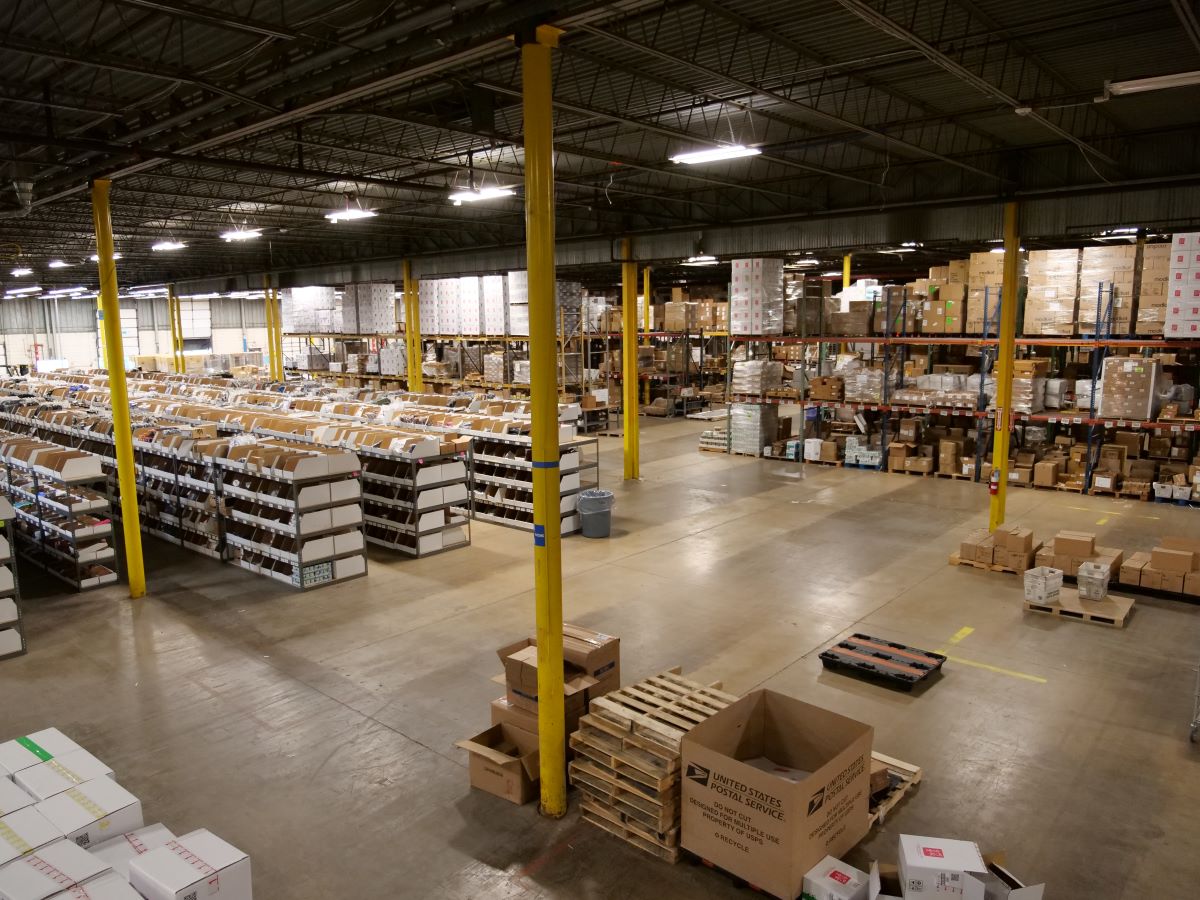
With online shopping continuing to grow in popularity, demand has never been higher for fast and efficient fulfillment services. As a fulfillment warehouse, you need to be able to ship products as quickly and accurately as possible.
That’s where warehouse storage and organization come in. Nothing can kill productivity faster than a disorganized warehouse, so let’s break down the best ways to keep your operation running smoothly.
There are a few problems you can encounter when your warehouse isn’t organized or running properly, such as:
Overall, every piece of your warehouse is like a cog in a well-oiled machine. One faulty part could cause a chain reaction that could lead to major headaches and higher operating costs.
Because warehouse organization and storage are so critical for success, let’s look at five ways you can improve your operational efficiency. Best of all, you can combine strategies for even more benefits that lead to more clients, happier customers, and fewer returns.
Fortunately, we’re living in a golden age of technology, so there are multiple options available, including:
So much time is wasted with inefficient picking methods. For example, let’s say you have multiple types of the same product. If you don’t store these items together, workers have to go searching for each variety.
As a general rule, you want to place similar items in the same area and rank products based on seller info. Best-selling items should stick together while infrequent purchases can get moved to an area with less-heavy traffic.
If workers also have to sign in and out or submit documentation, you can place this station next to the fulfillment center. This way, employees can finish an order and fill out the paperwork without too much downtime in between.
A dirty or disheveled warehouse is an inefficient warehouse. Not only can empty boxes and other items pose a safety threat, but it’s much harder to verify your inventory levels.
So, it’s better to come up with a waste management system so workers know where to put packaging and other items. You can also have a picking system so individuals empty a current supply box before opening another one.
Just like a dirty warehouse, an unsafe warehouse is also highly inefficient. Usually, unsafe environments occur when the company cuts corners and doesn’t take its employee’s health seriously.
Safety measures can include apparel, best practices for dangerous items, clear marking for forklift paths, and more. Overall, the more you invest in extra-safe measures, the more likely your warehouse will stay safe and efficient.
Employee morale and turnover are two of the biggest threats to the fulfillment industry. eCommerce giants like Apple and Amazon are struggling to retain workers, thanks to long hours, grueling working conditions, and more.
Maintaining a regular training schedule can help keep your employees sharp and motivated. Not only can you cover existing problems and risk factors, but you can also look at potential future situations.
Even better, staff training can be fun and engaging, further bringing everyone together when they’re on the clock.
By utilizing these top five tips, you can improve your operational efficiency greatly, leading to a higher level of client satisfaction while also creating a more cohesive environment for your staff.
---
Whether you want to let go of running your own warehouse, or run your warehouse better, you can do both – and so much more – with ShipHero.
Click HERE to Schedule a Meeting with Our Sales Team.
To stay competitive in the world of eCommerce, businesses have to find ways to satisfy the demand of consumers for almost instant gratification. When consumers shop, they expect to be able to purchase the products they want and receive them promptly. While items online may not always be available right away, clients expect to receive them as quickly as possible.
When clients find out they can’t have what they want when they want it, they are faced with deciding whether to wait for the product to become available or look for another company that may have it in stock. If products aren’t available because they’re out of stock or backordered, there’s a risk clients will take their business elsewhere.
A backordered item is a product that isn’t present in your physical inventory, but it’s expected to be replenished. This means that although you’re unable to fulfill orders to clients immediately, you expect to have the product back in stock by a certain date. The fact that you have an expected shipping date means that you may be able to keep a client’s interest in a product since you can let them know it’s available on warehouse backorder.
When items are backordered, it indicates that demand is outpacing supply. Too many items on backorder may be a sign that inventory isn’t being managed effectively. Long wait times are likely to be frustrating to clients who may take their business elsewhere.
The meaning of the term backorder isn’t exactly the same as out of stock. Items on warehouse backorder aren’t currently in your warehouse but are available from suppliers. Items that are out of stock may or may not become available again in the future. eCommerce businesses may accept orders for items on backorder since they’re expected to be ready to ship in the future. Orders aren’t usually accepted for items that are out of stock.
There are several different things that may cause an increase in backorders. Some examples include:
Businesses often keep extra stock on hand to try to prevent items from ending up backordered or out of stock. This is known as safety stock. If there’s insufficient safety stock because of counting errors, your company may not be prepared to handle normal demand, let alone higher-than-usual demand.
As your eCommerce business grows, you’re likely to receive an increasing number of orders. Backorders can lead to increased customer service headaches because sometimes people call repeatedly to find out when their order is being shipped.
If people have to wait too long for an order, they may change their minds and decide to cancel.If demand for your products increases more quickly than supplies are replenished, you may face shortages or a large number of backordered items. To keep clients satisfied, stock shortages or backorders shouldn’t be something that occurs regularly. When products are out of stock or back ordered too often, it can damage the reputation of your company.
Clients with backorders often start looking at other companies when they find out the items that they want aren’t available right away. Consider what actions you can take to keep your clients happy. Offering a coupon for a discount on their next purchase lets them know you’re concerned the order couldn’t be fulfilled promptly and that you value their business. If they’ve ordered multiple items, ship what’s available without charging extra to ship the backordered item separately.
Providing good client service includes keeping clients informed so that they know right away when a product they’re interested in is backordered as well as when it’s back in stock. If backordered items only happen occasionally, it may stimulate demand for items that aren’t immediately available. You can help to create excitement for the product by sending emails counting down the number of days until it’s in stock again. Another advantage to backorders is that they give you some insights into what products are in the highest demand.
Advanced technology makes it possible to monitor inventory automatically and to receive up-to-date information such as alerts when stock is low. Using warehouse management software is a good way to be proactive about inventory management and obtain better forecasting.
Effective inventory management means using methods such as real-time inventory tracking to make sure there’s sufficient safety stock on hand. This can help ensure that fulfilling orders won’t be delayed because of supply chain issues, which can help reduce the number of warehouse backorders you experience.
---
Whether you want to let go of running your own warehouse, or run your warehouse better, you can do both – and so much more – with ShipHero.
Click HERE to Schedule a Meeting with Our Sales Team.

It's the most wonderful time of the year … or is it? Peak season is make or break if you're in the retail business. And this year, there are more challenges than ever before. Between inflation and the heavy reliance on credit and discounts, many retailers scramble to keep up. But fear not! In this blog, we'll look at how buy now pay later (BNPL) programs are helping to keep the holiday season bright.
Inflation has been rising throughout 2022, and December is no exception. This is bad news for retailers, who already feel the squeeze from higher costs across the supply chain. Products once affordable are now out of reach for many shoppers, who are forced to either cut back on their holiday purchases or turn to credit cards and other forms of debt to finance their shopping. According to the NRF, online and other non-store sales were up 9.5% at $261.6 billion, which fell short of its 2022 forecast of a 10% to 12% growth. While inflation has continued to soar for several months, consumer spending has remained relatively consistent.
We all know the feeling of wanting something we can't afford. What if there was a way to buy now and pay later? No interest, no fees, and no credit card required. Enter: buy now, pay later.
A BNPL solution allows shoppers to spread the cost of their purchase over time without accruing any interest or fees. This makes it an attractive option for shoppers struggling to keep up with the rising cost of living. BNPL programs are also convenient because they can be used online and in-store.
BNPL emerged in the early 2010s to help consumers finance their purchases without the high-interest rates and fees associated with credit cards. Since then, it has grown increasingly popular, particularly among younger generations. And with the recent pandemic, BNPL solutions have taken off even more. The size of the U.S. market was worth around a few billion dollars in 2019 but is estimated to grow by 1,200% by 2024!
The use of credit cards and BNPL programs has been rising recently, but it has exploded during the pandemic. These companies have gone from being relatively unknown to becoming a significant force in consumer credit in just a few short years. And it's not hard to see why.
For merchants, it drives higher average tickets and reduced cart abandonment. Plus, retailers benefit because people can make purchases even when they don't immediately have funds available. If played correctly, they may see them return again, which would be a great play toward loyalty.
There are a few reasons why BNPL programs have become so popular. First, they allow shoppers to make purchases now and pay later without accruing any interest or fees. This can be especially helpful during economic uncertainty when people try to be more careful with their money.
Second, BNPL programs usually have very low minimum payments, which makes them even more appealing to cash-strapped shoppers. Finally, most BNPL providers offer promotional periods that allow shoppers to delay payments even further. For example, Afterpay—one of the most popular BNPL providers—gives customers the option to pay interest-free for their purchase over four equal installments.
Thanksgiving and Black Friday may have been great days to be a buy now, pay later service provider. Given the economic pressures many shoppers face right now, BNPL payment options offered a way for consumers to still get the goods they wanted. More telling is that some shoppers are using BNPL for lower-priced goods instead of high-ticket items, with the average order value for BNPL purchases decreasing in the U.S. by 6% on Thanksgiving. Orders using BNPL rose by 78% the week of Nov. 19 to Nov. 25 when compared to the week before, according to Retail Dive. Additionally, overall revenue from BNPL is up 81% during the same period. In other words, people are using buy now, pay later services more than ever to finance their holiday shopping – and they're doing it at lower price points than in previous years.
The problem with BNPL is that there are consequences if you don’t follow all the rules. However, many providers and their critics are currently concerned about the types of products purchased. In the past, many consumers took out BNPL on high-ticket items. Now, that same money is used to pay for groceries and other essential expenses, leaving a potential for predatory lending if the market is not regulated correctly. While such practices can be considered harmful, on the other side, the diversity and flexibility in BNPL approaches could spell a new era for consumer buying and boost future buying potential.
Nevertheless, for now, it appears that the pressures are manageable. Losses on installment loans are low, and payment rates are high based on corporate filings. It is clear that the 'pay in four' BNPL product has found a sustainable niche in the consumer credit market. By providing a more efficient and cost-effective option for consumers, BNPL companies are stealing growth from traditional financial providers. What happens next will only be revealed with time.
The holiday season is always challenging for retailers, but there are more challenges this year than ever. Inflation puts pressure on tight margins, and shoppers increasingly turn to credit cards and other forms of debt to finance their purchases. This is where BNPL programs come in. While BNPL programs may provide a much-needed boost to retail sales during peak season, there could be long-term consequences for retailers and shoppers alike if debt levels continue to rise. However, by allowing shoppers to spread the cost of their purchase over time without accruing any interest or fees, BNPL programs are helping to keep the holidays bright for retailers and shoppers alike. Only time will tell how this will all play out, but one thing is for sure: we're in for an interesting peak season!
ShipHero Team
About ShipHero: We make it simple for you to deliver your eCommerce. Our software helps you run your warehouse, and our outsourced shipping solutions eliminate the hassle of getting your products to your customers. With thousands of brands and 3PLs relying on us daily, we’re here to help with all your logistics needs. Let us know how we can help you today by scheduling a call HERE.



.svg)