
.svg)


.svg)
In today's fast-paced business world, efficiency is key. When it comes to warehouse operations, businesses want ways to improve productivity and reduce costs. Warehouse Management Systems (WMS) logistics is good for both.
In this article, we will explore what WMS logistics is all about, its key features and processes, as well as the benefits and challenges of implementing a WMS to streamline your warehouse operations.
Warehouse Management Systems (WMS) logistics refers to the software and processes used to manage and optimize warehouse operations. It involves a combination of technology, strategies, and tools designed to support the day-to-day activities of a warehouse.
From tracking inventory and managing orders to optimizing space utilization and improving shipping efficiency, WMS logistics provides a holistic approach to warehouse management.
Effective warehouse management is crucial for businesses of all sizes and industries. With the increasing complexity of supply chains and the growing demand for faster and more accurate order fulfillment, organizations are turning to WMS logistics to streamline their warehouse operations and gain a competitive edge in the market.
A key component of WMS logistics is inventory management. A WMS system allows warehouse managers to accurately track and control inventory levels, ensuring that the right products are available at the right time. This helps prevent stockouts and overstock situations, and it also improves demand forecasting and planning.
By having real-time visibility into inventory levels, warehouse managers can make informed decisions regarding purchasing, storage, and order fulfillment.
In addition to inventory management, WMS logistics also encompasses order management.
With a WMS system in place, organizations can efficiently process and fulfill customer orders. The system automates order processing, which reduces the chance of errors and delays. It also enables efficient order picking and packing, optimizing the use of warehouse space and minimizing the time required to fulfill orders. All this results in faster order fulfillment and improved customer satisfaction.
Another aspect of WMS logistics is space utilization optimization.
Warehouse space is a valuable asset, and effective space management is essential for maximizing storage capacity and operational efficiency. A WMS system provides tools and features to optimize your space, like slotting algorithms that determine the most efficient location for each product based on factors like demand, size, and weight.
By optimizing space utilization, warehouses can store more products, reduce handling costs, and improve overall productivity.
Furthermore, WMS logistics plays a crucial role in improving shipping efficiency. With a WMS system, organizations can streamline the shipping process by automating tasks like carrier selection, label printing, and documentation. This saves time, reduces errors, and improves the accuracy of shipments.
A WMS system can integrate with transportation management systems (TMS) to provide end-to-end visibility and control over the entire supply chain, from warehouse to customer.
In conclusion, Warehouse Management Systems (WMS) logistics is a comprehensive approach to warehouse management that encompasses various processes and technologies. By implementing a WMS system, organizations can optimize inventory management, streamline order processing, maximize space utilization, and improve shipping efficiency.
With the increasing complexity and competitiveness of the business landscape, WMS logistics has become a necessity for organizations looking to stay ahead in the market.
While we delve into the intricacies of WMS logistics here, it's also valuable to understand how these systems specifically benefit third-party logistics providers. For an in-depth look at 3PL-specific WMS solutions and how they cater to the unique needs of 3PL operations, check out our dedicated article.
At its core, a WMS is a software system that helps businesses automate and streamline their warehouse operations. It acts as a central hub that connects various aspects of warehouse management, such as inventory control, order fulfillment, and shipping.
By leveraging real-time data and analytics, a WMS enables businesses to make informed decisions and optimize their warehouse processes.
There are several key modules and processes that make up a WMS:
A WMS comes with a range of features and processes that help streamline warehouse operations. Some key features include:
These features, when combined with efficient processes, can significantly improve warehouse operations. For example, implementing a wave picking strategy, where multiple orders are picked at once, can reduce travel time and increase productivity.
The implementation of a WMS brings a wide array of benefits to warehouse operations. Let's take a closer look at some key advantages:
These benefits improve the day-to-day operations of a warehouse and positively impact the overall bottom line of a business.
Managing a multi-client warehouse requires a WMS that's built to handle the complexity and variety of needs. Dive deeper into the key features of WMS for 3PLs and multi-client fulfillment, providing further context on how these systems enhance operational efficiency.
While traditional warehouses have served businesses well for many years, they come with their own set of challenges and limitations. Some of the common challenges include:
By implementing a WMS, businesses can overcome these challenges and unlock the true potential of their warehouse operations.
The future of WMS and logistics is exciting, with advancements in technology and evolving customer expectations shaping the industry. Some of the trends and developments to watch out for include:
As technology continues to advance, businesses that embrace these trends and adopt innovative WMS solutions will gain a competitive edge in the market.
Several considerations should go into choosing the right WMS for your business:
By carefully evaluating these factors and considering your specific business needs, you can select the best WMS solution that aligns with your warehouse operations.

Warehouse Management Systems (WMS) logistics play a vital role in streamlining warehouse operations. By leveraging technology and efficient processes, businesses can achieve higher levels of productivity, accuracy, and customer service. WMS provides real-time data, automates workflows, and optimizes inventory management.
Challenges of traditional warehouses like lack of visibility can be mitigated with a WMS. And as technology continues to advance, the future of WMS and logistics holds tremendous opportunities for businesses to stay competitive.
By choosing the right WMS for your business, you can unlock the full potential of your warehouse operations.
WMS logistics refers to the software and processes used to manage and optimize warehouse operations. It involves technology, strategies, and tools designed to support day-to-day warehouse activities.
Some key features of a WMS include real-time data, barcode scanning, RFID integration, and automated workflows.
Implementing a WMS can lead to benefits such as inventory accuracy, increased productivity, better customer service, and cost savings.
Some challenges of traditional warehouses include lack of visibility, manual processes, inaccurate inventory levels, and poor space utilization.
The future of WMS and logistics involves integration with eCommerce platforms, automation and robotics, analytics and AI, IoT and real-time tracking.
Consider factors such as the size and complexity of your warehouse, integration capabilities, scalability, and user-friendly interface when choosing a WMS for your business.

.webp)
With today’s customers demanding fast fulfillment times and one or two-day shipping, manual warehouse operations just won’t cut it anymore. These days, you need to automate warehouse operations if you want to satisfy customers and grow your eCommerce business.
What is warehouse automation and what do you need to implement it in your business? Read on to learn more.
Warehouse automation is the process of automating your daily warehouse processes with minimal human involvement. Businesses generally implement warehouse automation to eliminate labor-intensive work that requires a lot of time and effort. It also minimizes the number of manual tasks required, reducing the chance of human error.
When you hear “automation,” you may think of workers loading products into robots and drones. However, warehouse automation doesn’t necessarily need robots or other physical hardware. Sometimes, warehouse automation starts with implementing a warehouse management system or similar software.
Warehouse automation software is a tool used to automate modern warehouse operations. These tools reduce the manual tasks necessary in daily warehouse operations, increasing efficiency and reducing human error.
Warehouse automation software and tools include, but aren’t limited to:
Warehouse automation works differently depending on which software or tool you implement. Here’s a quick look at some example warehouse automation tools and how they work:
A warehouse management system (WMS) provides tools to help you manage all aspects of day-to-day warehouse operations. It especially assists in the main warehousing flow of:
Warehouse management software also provides regular reports on your warehouse’s key metrics. This helps you identify improvement areas and make informed decisions on what to do next.
Manual data entry is one of the most common work processes to automate because they’re often highly repetitive tasks.
Employees will enter information into the spreadsheet, highlight another cell, enter more information and repeat the process until everything is filled. It’s boring work and distracted workers often lose focus and enter the wrong thing in the wrong spots.
Automated data entry software helps you reduce the workload by automatically extracting data from documents and digitizing paperwork. In addition to preventing human error and saving time, you can assign your warehouse team to work on other important tasks that need a human touch.
Inventory management software gives you real-time visibility into your entire stock, meaning you don’t have to do physical inventory checks as often. It also monitors your stock levels to notify you when you’re running out of a certain product, keeping your products from running out of stock.
In more advanced cases, inventory management software can forecast consumer demand based on historical sales and notify you to order more products in preparation for high-demand seasons.
When implemented right, warehouse automation software can improve your warehousing operations in many ways. Here are several examples of warehouse automation software’s benefits:
There’s always the potential for human error in manual processes. Depending on the significance of the mistake, human error can lead to costly item replacement or significant shipping delays that reduce customer satisfaction.
Automated warehouse solutions reduce the chances of human error by automating certain warehousing tasks. For instance, pallet dimensioning systems help your warehouse crew accurately measure a pallet's dimensions without using manual methods like tape measures.
Warehouse automation systems aren’t cheap but usually have a fast return on investment. Warehouse automation reduces your operational costs by minimizing:
In addition to reducing human error, automated warehouse solutions reduce the time necessary to do key warehousing tasks. Using the pallet dimensioning system example above, warehouse workers can measure the dimension of a pallet and plug it into the system in minutes or even seconds instead of spending time measuring the pallet manually.
Automating warehousing tasks also reduces your employees’ workload, allowing them to skip over parts of the job they may find boring or frustrating. This improves staff satisfaction and can even increase retention rates.
Warehousing operations are often high-risk because there are lots of people moving lots of goods from here to there at any given time. If an accident happens, people may get injured and hundreds of dollars worth of merchandise may be damaged.
Warehouse automation through automatic guided vehicles (AGVs) or autonomous mobile robots (AMRs) helps your staff move products safely. These autonomous vehicles and robots reduce human traffic throughout your warehouses, reducing the chance of accidents and ensuring your workers are safe.
Warehouse space isn’t cheap and you need to use every cubic foot of it to get your money’s worth. However, you can only stack products so tight and high before it becomes dangerous for people to grab them.
This is where warehouse automation comes in. Automated storage and retrieval systems (AS/RS) and drones take care of the picking process for your team, so they don’t even have to leave the ground – no matter how high and tightly packed your products are.
Using every cubic foot of your warehouse available also means you won't have to purchase or lease extra storage space as often.
Customer satisfaction is the goal of every business, and yours is no exception. Warehousing might not have a direct link to customers, but they can feel it when your warehouse operations are subpar. If your staff are slow to process products, customers won’t receive their goods on time, leading to lost sales and complaints.
The main goal of warehouse automation is to ensure products are fulfilled and shipped on time, increasing your daily operation’s efficiency. When you deliver everything punctually, your business reputation and customer retention will improve, giving you an edge over the competition.
You should automate your warehouse to ensure your business can keep up with customer expectations while keeping costs down. Here are some reasons why you should automate warehousing operations:
There’s no one-size-fits-all warehouse automation solution. Every solution is customized to your warehousing operations, meaning everything you implement is created to address your issues and requirements.
Implementing warehouse automation is usually a large financial commitment, but you’ll immediately feel the effects. With warehouse automation solutions, you can save a lot of money on labor, equipment and maintenance costs.
You don’t want to run out of your most popular product in high-demand seasons because that means giving up lots of sales.
Inventory management software helps you predict customer demand based on past sales so you can order more of a product. This ensures you won’t run out before the high-demand season rolls around.
Human error can result in damaged products or inventory loss, hurting your bottom line. Automating key warehouse processes means:
Warehouse automation tools show you the best way to fulfill customer orders. This means you can promise accurate fulfillment and fast delivery times to customers and deliver on it. You’ll build brand loyalty and gain an edge over your competitors by combining great products and punctual delivery.
You should automate your warehouse after a thorough study of your warehouse operations. Implementing these tools is costly, so blindly following warehouse automation trends and current technologies without knowing what you really need will just waste your money.
If you can’t determine what aspects of your warehouse operations you should automate, hire a consultant to examine your business and identify what areas can be improved.
There’s a wide variety of warehouse automation tools available for businesses to implement. Here’s an overview of the four most popular options in the warehouse automation market:
Inventory management software is a tool that grants real-time visibility of your entire warehouse stock. This means you can stock enough goods to keep selling without holding too much of a certain product type.
This warehouse automation tool gives you greater inventory control and notifies you whenever something is about to run out, ensuring you’re always well-stocked.
Warehouse robotic solutions like AMRs and AGVs do various tasks around the warehouse. For instance, AGVs replace manual forklifts, collaborative robots (cobots) follow workers around as mobile storage bins and AS/RS systems pick items from high shelves.
In addition to increasing efficiency and reducing human error, warehouse robots reduce workplace accidents by removing the human element from often dangerous tasks.
A warehouse management system is a holistic solution that offers inventory visibility and control over the entire supply chain fulfillment operations. A WMS helps you through the entire warehousing process, from when products enter the warehouse until they arrive at the customer’s doorstep.
Your WMS also lets you handle returns, generate performance reports and make informed warehousing decisions.
Warehouse management mobile apps are like tiny warehouse management systems you can carry around. These apps help you through most of the warehousing workflow, from scanning products to labeling goods for shipment. Some of these tools are standalone, but others may require a WMS subscription.
Implementing warehouse automation isn’t cheap, so you must ensure you implement the perfect solution for your company’s warehousing issues. Here’s a guide to choosing the best warehouse automation technology:
Warehouse automation software can be costly, but it’s a great way to improve your warehousing operations and meet increasing customer demands. Different warehouse automation solutions (e.g., WMS, inventory management systems and robotics solutions) fulfill different needs.
Before implementing warehouse automation software, you should identify your warehousing needs and find the automation tool or software that fulfills your needs at a reasonable cost.
Automation is used in warehouses to reduce human error and prevent costly mistakes. Some examples of automation in a warehouse are using mobile robots to pick and pack goods, measuring pallet sizes automatically and forecasting customer demand.
A fully automated warehouse is a logistic facility that primarily uses automatic cranes and other handling equipment in its day-to-day operations. A fully automated warehouse typically doesn’t use standard forklifts and has a minimal human presence.
Smart warehousing is the pinnacle of warehouse automation, where most of its operations are done automatically through robots and automated cranes. The main benefit of smart warehousing is that it prevents human error that may cause costly accidents.
.svg)
If you're looking for the best 3PL companies in Canada, you've come to the right place. This article will introduce you to some of the top players in the industry and provide valuable insights into the world of third-party logistics in Canada.
Before going into the specifics, it’s important to understand what third-party logistics or 3PL is.
In simple terms, 3PL refers to the outsourcing of supply chain management functions to a specialized company. These companies handle various aspects of logistics like transportation, warehousing, and distribution on behalf of their clients.
By entrusting their logistics operations to a 3PL provider, businesses can focus on their core competencies while benefiting from the expertise and resources of the 3PL company. It's a win-win situation that has gained popularity across industries.
In the transportation arena, 3PL providers play a crucial role ensuring the smooth movement of goods from one location to another. They have extensive networks of carriers and can negotiate favorable rates that save their clients money. Additionally, 3PL companies have the expertise to optimize routes, track shipments in real-time, and handle any unexpected issues that may arise during transit.
Warehousing is another area where 3PL providers excel. Most have strategically located warehouses equipped with state-of-the-art technology and systems to efficiently store and manage inventory. This helps businesses reduce their warehousing costs and benefit from extra scalability and flexibility. With advanced inventory management systems, businesses have real-time visibility into their stock levels, ensuring timely replenishment and minimizing stockouts.
And beyond transportation and warehousing, 3PL provider services can include order fulfillment, packaging, labeling, and even customer support. By leveraging these additional services, businesses can enhance their overall supply chain operations and improve customer satisfaction.
A key advantage of partnering with a 3PL provider is access to their expertise and industry knowledge. 3PL companies are always up to date on the latest trends, regulations, and best practices in logistics. They can provide valuable insights and recommendations to optimize supply chain processes across many industries.
Another benefit of working with a 3PL provider is scalability. With a 3PL partner, businesses can easily scale up or down their logistics operations without significant investments in infrastructure or resources. They can adapt quickly to market demands and seize new opportunities.
In conclusion, third-party logistics, or 3PL is the outsourcing of supply chain management functions to specialized companies. These companies handle transportation, warehousing, and distribution on behalf of their clients, letting businesses focus on their core competencies. 3PL providers offer expertise, cost savings, scalability, and value-added services, making them an attractive option for businesses across industries.
To have a better understanding of how 3PL companies operate and the diversity of services they offer, consider reading our comprehensive overview of 3PL companies, which provides insights into selecting the right partner for your logistics needs.
In Canada, the 3PL market is vibrant and competitive. With its vast geographical area and robust trade relationships, the country presents numerous opportunities for logistics companies.
Canadian 3PL providers offer a wide range of services, catering to industries like retail, e-commerce, manufacturing, and healthcare. From managing inventory and order fulfillment to overseeing transportation networks, these companies play a vital role in the supply chains of businesses across the country.
The 3PL market in Canada is constantly evolving to meet the changing demands of businesses. As companies seek to optimize their supply chains and provide seamless customer experiences, the role of 3PL providers becomes increasingly important.
A Key factor driving this growth is the rapid expansion of e-commerce. As more and more Canadians turn to online shopping, businesses need efficient and reliable logistics solutions to fulfill customer orders quickly and accurately.
Canadian 3PL companies offer a comprehensive range of services to meet the specific needs of their clients. Common services include:
These services can be tailored to suit small startups, large corporations, and everything in between. By leveraging the expertise of 3PL providers, companies can streamline their operations and gain a competitive edge in the market.
To explore the specific services provided by third-party logistics providers and how they can transform your supply chain, explore our detailed discussion on 3PL services, offering a closer look at how these services streamline operations for businesses of all sizes.
Partnering with a 3PL company in Canada offers several benefits for businesses:
Overall, partnering with a 3PL company in Canada is transformative for businesses, offering a pathway to reduce operational costs, enhance efficiency, achieve scalability, maintain a focus on core business areas, and leverage expert insights.
These combined benefits create a formidable foundation for businesses to thrive and expand in the highly competitive Canadian marketplace.
Small and medium-sized enterprises seeking to capitalize on these benefits should explore our detailed guide on 3PL for small businesses. This resource is tailored to help smaller companies understand how to effectively utilize 3PL partnerships to enhance their logistics operations and support growth.
Several 3PL companies in Canada stand out for their industry expertise, reliability, and customer satisfaction::
Each of these 3PL companies in Canada brings its unique strengths to the table, from extensive national networks and fast delivery capabilities to specialized services and global reach. Choosing the right 3PL partner depends on a business’s specific logistics needs, growth goals, and the strategic value the 3PL can provide in facilitating efficient and effective supply chain operations.
If you're considering partnering with a 3PL company in Canada, here are a few steps to get started:
In conclusion, the best 3PL companies in Canada offer a range of services to optimize supply chains and fulfill the unique logistics needs of businesses. By partnering with a reputable 3PL provider, businesses can unlock new efficiencies, lower costs, and gain a competitive advantage in the Canadian market.
The cost of 3PL services in Canada varies based on factors such as the scope of services required, volume of shipments, and industry-specific needs. It's best to request quotes from multiple providers to get an accurate estimate.
Absolutely. 3PL providers offer scalable solutions, making them suitable for businesses of all sizes. Small businesses can leverage the expertise and resources of 3PL companies to optimize their logistics operations and compete more effectively in the market.
Choosing the right 3PL partner requires careful consideration. Look for companies with experience in your industry, a strong track record, and the ability to meet your specific requirements. Conducting thorough evaluations and interviews will help you gauge compatibility and make an informed decision.
Yes, many 3PL providers in Canada can handle international logistics. They can handle customs clearance, freight forwarding, and global transportation, ensuring a smooth flow of goods across borders.
Absolutely. Many 3PL companies in Canada specialize in niche industries, such as healthcare and pharmaceuticals. They have the necessary certifications, infrastructure, and experience to ensure compliance with industry regulations and safely handle critical goods.
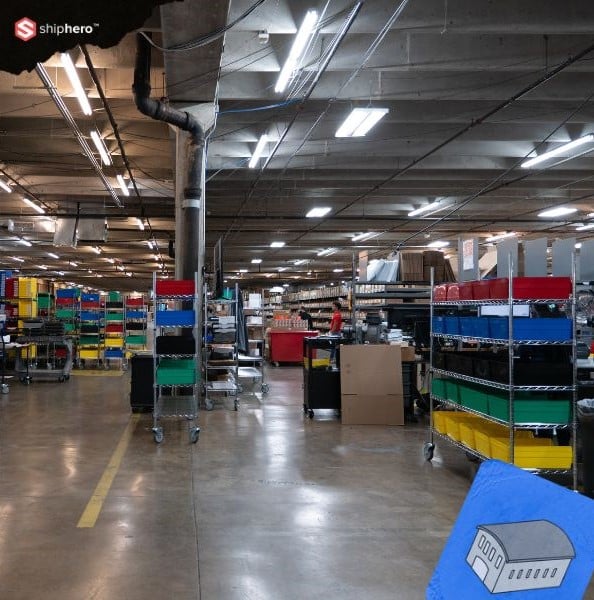
Many businesses turn to third-party logistics (3PL) companies for their shipping, warehousing, and fulfillment needs, but it can be overwhelming to choose the right 3PL provider for your business with so many available options. Any of these five 3PL companies would be a great place to start:
If you know what a 3PL is and why you might need it, then you have five places to start your search. If you don’t know much about 3PLs, keep reading.
Third-party logistics refers to the outsourcing of logistics activities to a specialized company. These companies handle tasks such as transportation, warehousing, inventory management, and order fulfillment on behalf of their clients. By partnering with a 3PL provider, businesses can streamline their supply chain processes and focus on their core competencies.3PL companies offer a wide range of transportation services. They generally have a network of carriers and can negotiate favorable rates for shipping goods. By road, air, rail, or sea, these companies have the expertise to ensure that products reach their destination efficiently and on time. They also handle all the necessary documentation and customs clearance, taking the burden off the businesses.Warehousing is another crucial aspect of logistics that 3PL companies excel in. They have strategically located warehouses equipped with the latest technology and infrastructure to store goods safely and efficiently. These warehouses are often equipped with advanced inventory management systems that allow businesses to track their inventory in real-time. This ensures that businesses always have visibility into their stock levels and can fulfill customer orders promptly.Inventory management is a complex task that requires careful planning and execution. 3PL companies have dedicated teams that specialize in managing inventory. They use sophisticated software systems to track stock levels, monitor expiration dates, and optimize storage space. By outsourcing this function to a 3PL provider, businesses can minimize the risk of stockouts and reduce carrying costs.Order fulfillment is the final step in the logistics process, and 3PL companies play a crucial role in ensuring orders get delivered accurately and on time. 3PL companies often have efficient order processing systems in place to handle everything from picking and packing to labeling and shipping. With their expertise, businesses can provide their customers with a seamless and reliable order fulfillment experience.Overall, partnering with a 3PL provider offers numerous benefits for businesses. It lets the business tap into the expertise and resources of a specialized logistics company, optimize their supply chain, and improve customer satisfaction. By outsourcing logistics activities, businesses can focus on their core competencies and gain a competitive edge in the market.If you're new to the concept of third-party logistics and curious about the breadth of services they offer, our comprehensive overview on 3PL services breaks down everything from warehousing to order fulfillment, equipping you with the knowledge to make informed decisions.
3PL companies come in all shapes and sizes, offering a wide range of services to cater to different business needs. While some 3PL providers specialize in specific industries or regions, others offer comprehensive solutions that can be tailored to any business. The top 5 best 3PL companies on our list have proven track records, extensive networks, and a reputation for delivering exceptional results.
eCommerce businesses, retailers, manufacturers, and distributors are among the industries that commonly use 3PL providers. Startups and small businesses often choose 3PL companies to handle their logistics needs so they themselves can focus on growth and core competencies. Larger corporations also benefit from outsourcing logistics tasks; they can streamline their operations and gain access to specialized expertise. Startups and small businesses often face unique challenges in logistics and supply chain management. Dive deeper into how a 3PL can be a game-changer for small businesses by visiting our detailed guide on 3PL services for small businesses, offering insights to streamline your operations and focus on growth.
The top 5 best 3PL companies mentioned above excel in certain core competencies that set them apart from their competitors. These core competencies include:
When choosing a 3PL provider, it is crucial to consider their fulfillment center locations and warehousing capabilities. The top 5 best 3PLs above have strategically located warehouses across the country, allowing for faster and more cost-effective shipping. These companies have invested in state-of-the-art warehousing facilities that prioritize efficiency, security, and scalability.
eCommerce businesses rely heavily on effective supply chain management to ensure timely order fulfillment. The top 5 best 3PL companies integrate seamlessly with popular eCommerce platforms such as Shopify, WooCommerce, and Amazon. They also support multiple sales channels, including marketplaces like eBay and social media platforms. By leveraging the capabilities of these 3PL providers, eCommerce businesses can enhance their customer experience and boost sales.
When selecting a 3PL provider, consider their track record of customer satisfaction. The top 5 best 3PL companies have a proven history of delivering a high level of service and exceeding customer expectations. They have earned positive reviews and testimonials from their clients, showcasing their commitment to excellence.
If you decide to partner with a 3PL provider, the onboarding process is generally straightforward. It typically involves:
By following these steps, you can start leveraging the benefits of 3PL services and optimizing your supply chain management.
While selecting a 3PL provider, avoid these common mistakes that can lead to poor service or unsatisfactory results:
By being aware of these common mistakes, you can make an informed decision and select a reliable and suitable 3PL provider.
The cost of 3PL services can vary depending on the volume of shipments, storage requirements, and the complexity of logistics operations. 3PL providers typically use a pricing structure that includes fixed costs like warehousing fees, and variable costs based on the services used. Carefully review the pricing details provided by potential 3PL providers so you know it aligns with your budget.
In conclusion, partnering with a reputable 3PL company can significantly optimize your supply chain and enhance your overall business operations. The top 5 best 3PL companies stand out due to their extensive networks, advanced technology, superior customer service, and customizable solutions. When choosing a 3PL provider, consider factors such as industry expertise, technology capabilities, and customer satisfaction. By avoiding common mistakes and understanding the pricing structure, you can make an informed decision and select the right 3PL provider for your business.
3PL stands for Third-Party Logistics. It refers to the outsourcing of logistics and distribution by companies to third-party firms that specialize in warehousing, transportation, and fulfillment services. These third-party providers manage all or a significant portion of a company's logistics functions, allowing businesses to focus on other areas without the need for extensive logistics infrastructure or expertise.
While it is not mandatory, utilizing a 3PL company can provide numerous benefits, particularly for businesses that require efficient supply chain management.
Consider factors such as reputation, industry expertise, technology capabilities, and customer satisfaction when selecting a 3PL provider. Additionally, ensure their services align with your specific business needs.
.png)
Picture a packer at Peak Season. A box is in front of them, a product in each hand, and somewhere on a cluttered desk there's a mouse they need to find to confirm the order. They look down. They hunt. They click. Then they do it again. Thousands of times a day.
That moment of friction is small. But it is never just one moment. Multiply it across your entire pack line, across an entire shift, and you are looking at a measurable and largely invisible drag on your total throughput.
Tap-to-Pack is a purpose-built hardware controller designed by ShipHero to eliminate digital friction at the packing station. It connects via USB-C, requires no drivers or additional software, and syncs automatically with the ShipHero WMS packing app. This new system is now available at the ShipHero Store.
Instead of navigating a screen with a keyboard and mouse, packers execute every high-frequency command — such as selecting box sizes, printing labels, finalizing orders, flagging exceptions — with a single physical tap on one of eight programmable buttons.
Key specifications:
Most warehouses are running 2026 operations on 1990s peripheral standards. The keyboard and mouse were designed for spreadsheets and emails, not high-volume fulfillment. When used at a packing station, they create three compounding problems:
The problem is not your people. It is the tools you are asking them to use.
Tap-to-Pack introduces a "Rodent-Free" packing standard: a workflow where the packer's hands stay on the product, their eyes stay on the work, and the software fades into the background.
The device guides the packer through two feedback systems:
ShipHero customers running Tap-to-Pack are already seeing a 90% reduction in on-screen interactions and a significant increase in the number of orders packed per hour, without adding headcount or changing their warehouse layout.
One of the hardest challenges in fulfillment is absorbing volume quickly, especially during Peak Season, when temporary staff need to reach target productivity fast.
Because Tap-to-Pack's interface is physical and intuitive, there is almost nothing to teach. Pick up the product, follow the light, tap the button. New packers can reach target productivity in minutes rather than hours.
The system is also modular:
Whether you are a growing DTC brand or a high-volume 3PL, Tap-to-Pack is designed so your hardware never becomes a ceiling on what your team can do.
Tap-to-Pack is a programmable, industrial-grade hardware controller that connects to the ShipHero WMS and allows warehouse packers to execute packing station commands, such as printing labels, selecting boxes, and completing orders. All with a single physical button press, eliminating the need for a keyboard and mouse.
The device connects via USB-C and syncs automatically with the ShipHero WMS packing app. It is a true plug-and-play solution: no drivers, no background software, and no manual configuration required.
Yes. Buttons are configurable for a range of packing actions, including Print Label, Complete Order, Select Box Size, and the Hospital function, which flags a problematic order and keeps the line moving without stopping to resolve it on screen.
The system is fully modular. Connect up to two additional 8-button hubs to the Main Hub for a total of 24 programmable buttons, supporting even the most complex multi-step packing workflows.
Tap-to-Pack devices require ShipHero Packing App v1.0 or higher. The current release is v1.1.0.
Imagine running a warehouse where orders are picked quickly, inventory is accurate, and all operations run smoothly without any errors or delays. Thanks to Artificial Intelligence, this can now become a reality with ease.
AI is transforming warehouse management by enhancing efficiency, intelligence, and the ability to meet the rapid demands of today’s eCommerce-driven market.
ShipHero is pioneering this revolution with its AI-powered warehouse solutions, setting new industry benchmarks. This article explores ShipHero’s AI Picking feature, highlighting how it’s transforming warehouse management and enhancing operational efficiency.
The integration of AI technologies, including machine learning, robotics, and predictive analytics, is revolutionizing warehouse operations, driving significant improvements in efficiency, accuracy, and overall performance. These innovations are optimizing processes across various areas, from inventory management to order fulfillment. Below are the key benefits of AI in warehouse management.
A combination of AI technologies is shaping smarter warehouse systems to help revolutionize warehouse management.
ShipHero has taken AI integration to the next level with its AI Picking feature, designed to significantly improve warehouse efficiency. This feature automates the picking process, reducing the reliance on manual labor and enhancing productivity in ways that were once thought impossible.
Let’s dive deeper into how ShipHero’s AI Picking works and the advantages it offers.
AI Picking optimizes warehouse operations in two key ways:
The AI Picking feature delivers a wide range of benefits:
The transformative power of AI extends far beyond just picking. AI is also revolutionizing other aspects of warehouse management, driving improvements in operational efficiency, inventory management, and safety.
AI automates tasks, reducing errors and increasing speed. Automated sorting and real-time inventory tracking ensure accuracy, while real-time monitoring helps managers adapt and ensure timely deliveries.
AI plays a vital role in maintaining accurate inventory levels. By leveraging predictive analytics, AI can forecast demand and optimize stock levels, helping warehouses avoid both stockouts and overstock situations. This leads to better inventory management and fewer disruptions in supply chains.
AI-driven systems can monitor warehouse conditions to ensure safety and compliance with industry regulations. These systems can analyze warehouse data and predict potential hazards before they occur, proactively reducing risks and ensuring a safer working environment.
AI technologies are playing a transformative role in the supply chain and logistics sectors by improving efficiency, reducing costs, and enhancing decision-making.
These intelligent systems effortlessly manage supply chain processes by using data to optimize operations, predict trends, and automate routine tasks. This ultimately reshapes everything, from how goods are moved to stored and delivered.
The future of warehouse management looks promising with greater automation and efficiency, but future warehouse digitization brings challenges, such as high upfront costs and the need for skilled personnel.
AI-powered drones, autonomous robots, and IoT integration are smart warehouse technologies that are revolutionizing warehouse operations. Drones will deliver goods quickly, while robots automate sorting and transportation, thereby reducing the need for manual labor.
IoT and AI integration will enable real-time monitoring and optimization of operations. Smart technology in warehouses is leading to fully automated systems that are faster, scalable, and need minimal human input.
While AI offers immense benefits, businesses must also consider certain challenges. High initial investments in AI technology, data security concerns, and the need for skilled personnel are just a few of the hurdles that must be addressed.
However, with a strategic approach, companies can eliminate the challenges and embrace AI’s full potential to boost accuracy in picking and improve overall warehouse operations.
AI minimizes error by automating tasks like inventory tracking, order picking, and sorting, ensuring greater accuracy and efficiency.
Yes, AI-driven predictive analytics can predict demand, track inventory levels, and improve supply chain efficiency by forecasting needs with greater accuracy to help businesses stay ahead of trends and market fluctuations.
AI solutions are becoming more cost-effective thanks to cloud-based services and subscription pricing models. These options make AI technology more accessible to small businesses, allowing them to take advantage of its benefits without large upfront costs.
When pallets roll in and loading docks buzz, your warehouse’s receiving process becomes the gatekeeper of inventory accuracy. And if that gate isn’t well-guarded with structure, speed, and oversight, errors slip in.
A mislabeled item here, a damaged shipment there, and suddenly your warehouse faces stock discrepancies, late order fulfillment, or even lost customers.
A warehouse receiving process checklist streamlines receiving operations and ensures compliance across teams, regardless of who’s on shift.
A warehouse receiving process checklist ensures every shipment that enters your facility is properly documented, inspected, and integrated into your inventory system.
Unlike ad hoc or verbal processes, this structured document verifies product condition upon arrival, checks against purchase orders to confirm accuracy, and documents all inspections for future reference.
However, ShipHero’s digital platform already seamlessly integrates this checklist into your system, automating the tracking of goods from the moment they arrive.
Because it captures critical shipment details, a receiving checklist can double as a warehouse audit checklist sample, especially when preparing for performance reviews or inventory audits.
If you’re looking for ways to improve accuracy and accountability, learning how to audit your warehouse with a structured receiving checklist is a great place to start.
A well-structured warehouse receiving process checklist is crucial for ensuring accurate and efficient inventory management. Including the mentioned key components helps streamline the process, reduces errors, and enhances overall warehouse performance.
Here’s what you must include in your checklist to maintain control and accountability:
This anchors the entire inspection. By referencing the purchase order (PO) number, warehouse teams can verify the received goods against the original order, ensuring the correct items and quantities are delivered.
Having the supplier’s full details improves accountability. If there’s a delivery issue, this info helps your team evaluate supplier performance and speed up resolution.
Timestamping each delivery helps you review delivery schedules, track shipment delays, and identify potential gaps in receiving coverage.
Here, staff will assess damage or discrepancies, confirm specifications (e.g., size, color), take photos if needed, and record all inspections in case of claims or audits. An effective inventory audit checklist incorporates these inspection protocols to ensure accuracy from the moment goods arrive.
Listing the material name (e.g., product name, SKU, or description) prevents mix-ups during inventory allocation and ensures all items are accounted for. This also helps your Warehouse Management System (WMS) update stock records correctly.
Identifying who delivered and who received the shipment establishes accountability, helps resolve disputes over damaged or missing items, and ensures proper handoff records.
Maintaining proper documentation, such as packing slips, invoices, and bills of lading, facilitates order reconciliation and supports formal audits and record keeping.
A single receiving error often ripples through the entire warehouse. A structured receiving checklist breaks this cycle by establishing clear protocols that coordinate with supply chain operations and create accountability at every step. It drives big improvements in:
This plays out in real operations. A mid-sized clothing retailer had ongoing issues with stock discrepancies during receipt. However, implementing a standardized receiving checklist significantly reduced the number of missing items and stock inaccuracies.
Employees also appreciated having clear instructions to follow, which reduced confusion and helped maintain a smoother workflow during peak delivery periods.
Before drafting your checklist, take a closer look at your existing receiving workflow. Next, identify any inefficiencies and pinpoint areas that could benefit from more structure and consistency.
Choose the data points you’ll need based on your warehouse flow, system integration, and team size. Include only what’s necessary to document key handoff moments.
You can go with paper, but digital formats (via tablets or mobile apps) are easier to scale. Software-based checklists can instantly update records and integrate with your WMS.
Use inventory management platforms or cloud-based tools to build your checklist. For example, ShipHero’s template system allows you to configure fields, set mandatory requirements, and establish workflow rules that guide staff through the receiving process. This makes sure every receiving action is consistent and auditable.
Train staff to make sure every team member follows standardized procedures. This minimizes human error, especially for new or seasonal workers.
Roll out the checklist during a test period. Assign clear roles (e.g., receiver, inspector), gather feedback, and then launch warehouse-wide. Revisit and refine it quarterly to keep up with operational changes.
Your warehouse receiving checklist works even better when paired with these best practices:
Spacing out deliveries helps reduce bottlenecks and allows teams sufficient time to track inventory levels accurately. It also allows for more accurate inspections.
Keep receiving areas clutter-free and near the entrance. This shortens the time it takes to organize storage locations after goods are received.
Invest in equipment such as barcode scanners, conveyors, or forklifts to speed up receiving operations, especially during peak seasons.
Don’t let broken items enter inventory. Flag them, document the issue, and notify procurement so the issue can be escalated quickly.
By leveraging real-time inventory tracking and barcode scanning, you can eliminate the need for manual checklists, ensuring that every received item is accurately logged. ShipHero automates the entire receiving workflow, reducing human errors and speeding up the process.
Customizable receiving workflows allow you to tailor the system to your warehouse’s specific needs, eliminating the need for paper-based checklists. Improve efficiency, accuracy, and consistency, all with ShipHero’s advanced automation tools.
At least annually, or anytime your business introduces a new product line, supplier, or technology upgrades.
Absolutely. Cross-training builds flexibility, enabling teams to cover for absences and maintain efficiency even during peak periods or periods of high turnover.



.svg)


