
.svg)

In this article, we’ll discuss Dropshipping. What is dropshipping? What are the pros/cons of dropshipping? When is dropshipping right for my business? Let’s dive in.
.svg)
Welcome to our Shipping Methods Explained blog series. In this series, we will deep dive into fulfillment methods - that is, how businesses fulfill their online orders and get products to their customers. Sounds simple right? Well, in theory it is. You could hop on your itty-witty bicycle and hand-deliver your product, mission accomplished. But consider the complexity when your company fulfills hundreds to thousands of orders daily, not to mention the skyrocketing shipping costs that could price you out of the market. Managing inventory, navigating each carriers’ specific requirements, calculating the lowest cost from thousands of shipping options… it’s a daunting task. That’s why more and more businesses are outsourcing their fulfillment methods. Are you ready to outsource your fulfillment? Let’s analyze your options to help you decide the best method for your business. In this article, we’ll discuss Dropshipping. What is dropshipping? What are the pros/cons? When is it right for my business? Let’s dive in.(And be sure to check back for future articles where we’ll cover even more fulfillment methods)
Dropshipping is the term used when a product is shipped directly from a manufacturer, supplier, or wholesaler, bypassing the retailer that made the sale entirely.
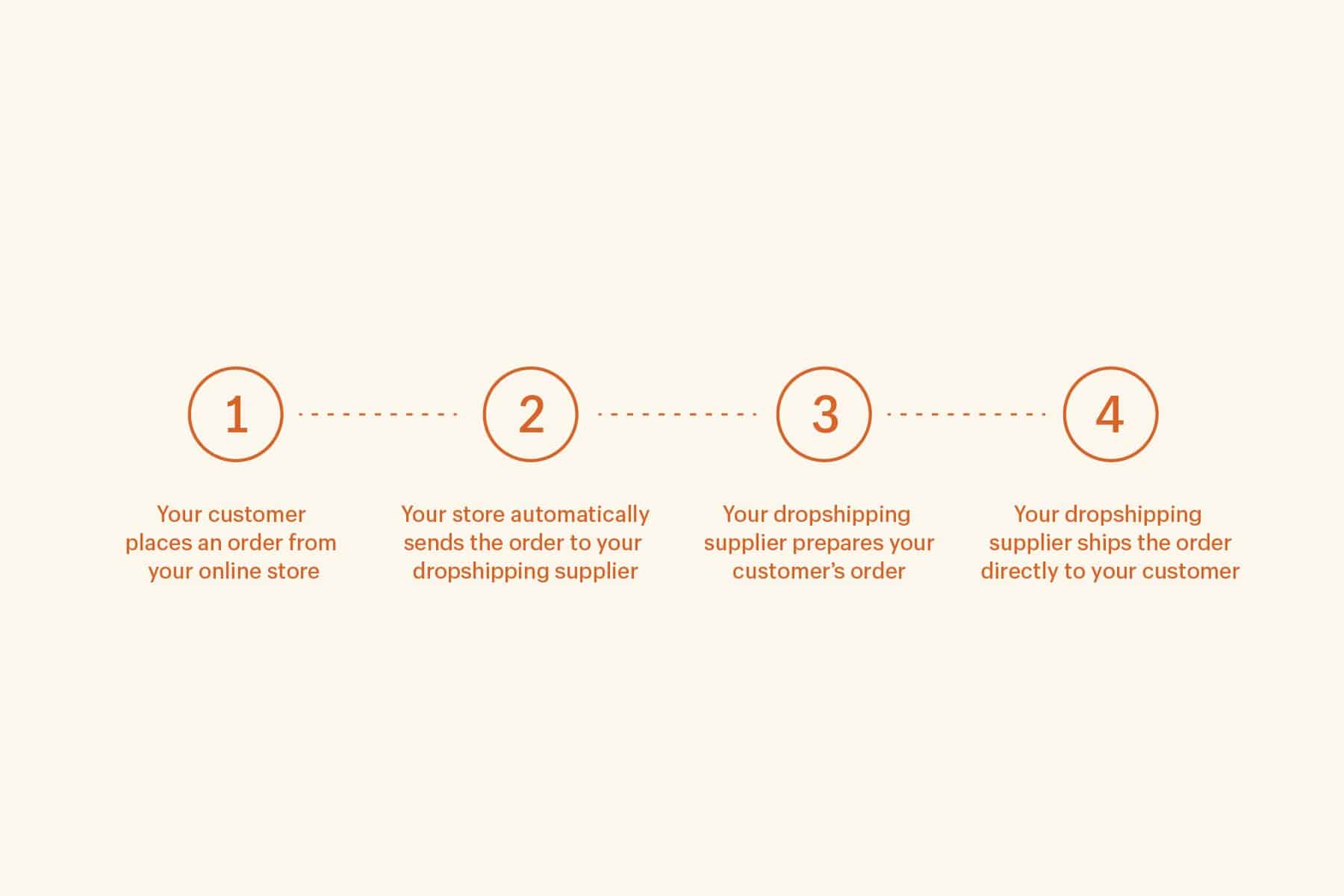
SOURCE: https://www.shopify.com/blog/what-is-dropshipping
Dropshipping businesses are extremely common nowadays, due to the allure of making a passive income matched with the simplicity of setting up a dropshipping business. All it takes is 3 easy steps to get you on your way.Step 1: Choose a Product/NicheThe first step you take in starting a dropshipping business is to choose what you are going to sell. Your product could be a brand new gadget, or a low-cost version of a luxury item, or a luxury version of a low-cost item. As long as there is a market for it, there are no wrong choices here. So do your due diligence and find a product that you think you could sell. ABC… Always be closing.Step 2: Find a Dropshipping SupplierOnce you choose your product, find a dropshipping supplier. You can search a supplier database like Dropship Direct, Alibaba, or AliExpress. (Although be sure to stay up-to-date on news concerning Chinese dropshipping providers)Alternatively, you can use an integrated supplier directory. This means that when you build your online store, say in Shopify (see Step 3), the dropshipper will be linked directly to your online store. Shopify recommends the easiest integration is with the Oberlo marketplace. From here, choose from millions of products and upload them directly to your store. Step 3: Build Your Online StoreAfter you have your product and supplier, have some fun building your online store! This will serve as the grand entrance to your brand. Websites like Shopify, Wix and 3DCart allow you to build your online store from scratch, or select from pre-made templates. When choosing between your options, make sure your choice gives you the ability to easily integrate with your dropshipping supplier.When designing your store, keep in mind who your target audience is, and build your website to reflect their wants and needs. Not just in appearance, but in website functionality. You can turn customers into repeat shoppers through a convenient and fluid shopping experience.
Is dropshipping right for your business? Or would you benefit from a third-party logistics provider or another fulfillment method? Let’s look at the pros and cons of dropshipping so you can decide for yourself.
Dropshipping is the perfect business model for those that want to earn a passive income. It’s simple to start, with little to no cash investment. You can quickly test your ideas with limited risk to you. The three main advantages to dropshipping are:Less Capital is RequiredDropshipping eliminates the need to invest heavily in inventory, warehouse fees, transportation fees, etc. so anybody with a laptop and a dream can start an online business.Able to Offer Wider Range of ProductsWith dropshipping, you don’t have to purchase inventory until the sale is made, which significantly reduces the risk to you. So this gives you freedom to offer a large array of products on your site.Simple to StartWith companies like Shopify that basically make the entire process a drag-and-drop activity, starting an online business has never been easier.
The pros listed above explain why so many people have started an online dropshipping store, and why they use dropshipping to expand their product lines. But for the very same simplicity and low costs that attract these entrepreneurs, dropshipping also presents a set of challenges.Low Profit MarginBecause the barriers to enter the dropshipping market are very low, the competition is fierce. Having many sellers in the market pushes down the cost as they compete with each other. Sure, you can differentiate based on branding, customer service, etc. but at the end of the day, $$$ talks.Little to No CustomizationBecause you are at the will of your supplier, they rarely offer any customization to your products, your packaging, or your unboxing experience. Say you want to make the slightest tweak to the look of your item, or you want to pack it a certain way or in a bundle, this will most likely not be possible. Some Alibaba dropshipping suppliers will accommodate and customize, but even then, they fully control the product and could even turn around and sell your customized goods to the next retailer.Little to No ControlYou entrust the entire fulfillment process to the supplier, and accept the quality of service that they provide. If there are errors or mistakes, you cannot blame your supplier and it will be your brand that pays the price. Maybe not in dollars, but certainly in reputation.So, is dropshipping right for your business? If you’re not sure, stay tuned for our next article as we dive into third-party logistics (3PL) and fulfillment providers like ShipHero.Learn more about ShipHero's industry-leading warehouse management software.
.webp)

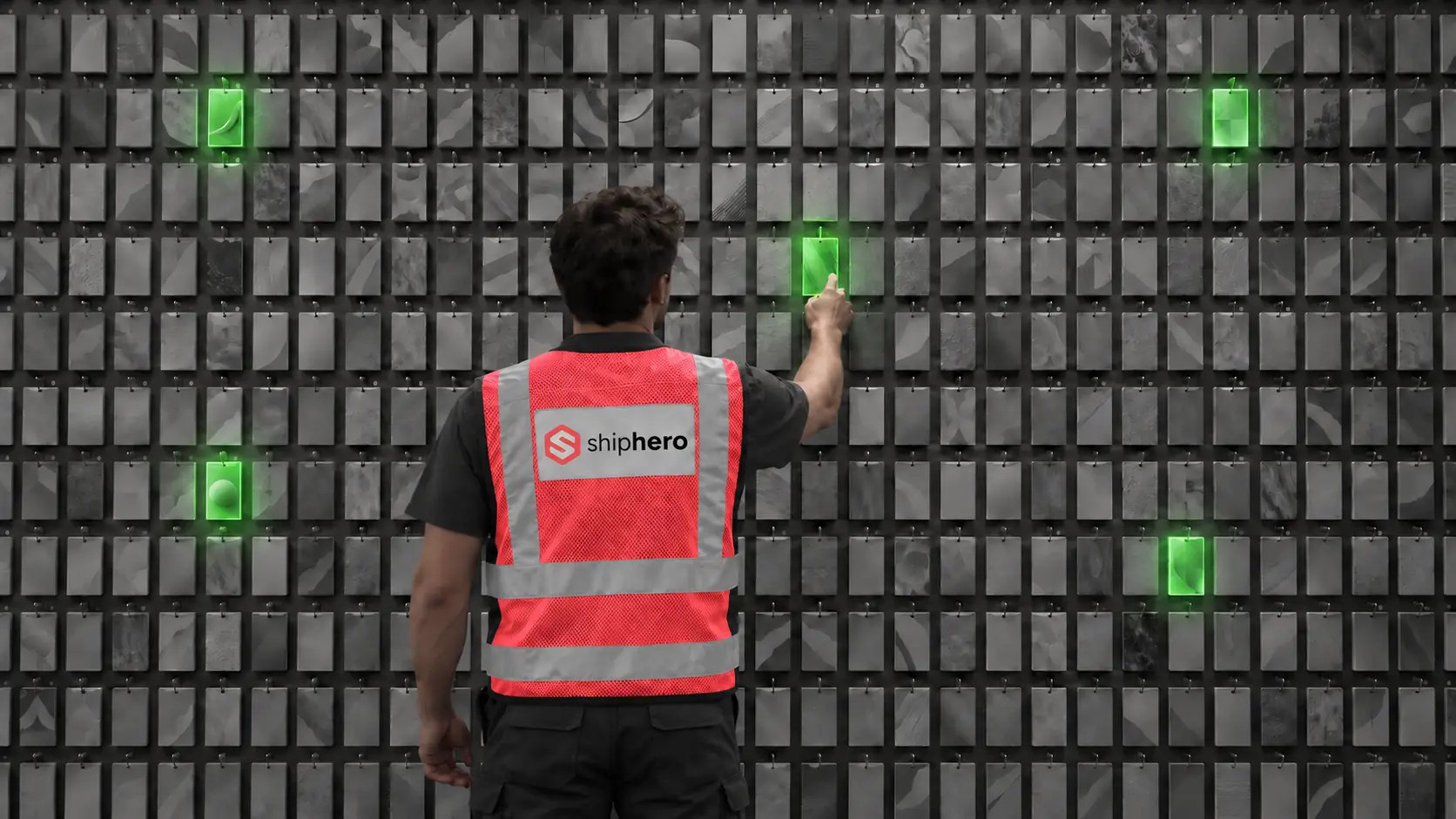
At the denser wall, average picking time per order fell from 40 seconds to 13, and orders that ran clean from start to finish rose from 18% to 97%. This is the companion to our Direct Pack + Pack-to-Light case study, from the same research.
.svg)
On September 1, 2026, Descartes Systems Group announced its acquisition of Extensiv for approximately $120 million. What was announced, what usually follows deals like this, and the questions Extensiv customers should put to their vendor before renewal.



.svg)



.webp)