
.svg)

Discover practical strategies to reduce warehouse expenses, improve operational efficiency, and maximize profitability in your business.

.svg)
Rising labor costs, surging demand for faster shipping, and ongoing supply chain disruptions are making warehouse efficiency more critical than ever. If your operations aren’t optimized, you’re not just losing money—you’re falling behind.
The solution? Streamline your workflows to gain a major edge. Faster order fulfillment, fewer errors, and happier customers all contribute to higher profitability.
Embracing automation along with AI-driven inventory management and real-time tracking can set you apart in an increasingly competitive market.
This guide breaks down the top strategies to cut costs, improve accuracy, and build a smarter, more efficient warehouse in 2025.
Cost savings in warehouses go beyond cutting expenses—they enhance profitability, efficiency, and competitiveness. Optimizing resources eliminates waste in warehouse processes, improves output, and strengthens market positioning.
Lower costs allow for reinvestment, innovation, and adaptability in a changing market. Additionally, cost reduction efforts uncover inefficiencies, drive operational improvements, and support long-term growth.
Financially responsible operations attract investors and provide critical insights for strategic decisions. Prioritizing cost efficiency ensures a more resilient, scalable, and competitive warehouse operation for sustained success.
Reducing warehouse costs requires a strategic approach that balances efficiency with operational effectiveness.
Businesses must focus on optimizing labor, energy use, inventory management, and logistics while leveraging automation. This can reduce operational costs to stay competitive.
Here are eight key strategies to help cut costs without compromising productivity.
Labor is one of the largest expenses in warehouse operations. Businesses are turning to automation to reduce these labor costs efficiently through scheduling, automation, and cross-training.
Optimizing workforce scheduling, investing in staff development, and leveraging AI-driven tools can boost productivity while minimizing inefficiencies.
For example, companies like Amazon and Walmart have successfully integrated robotic automation to assist workers, improving efficiency while lowering labor costs.
Energy costs are rising, making efficiency a priority. According to the U.S. Department of Energy, LED lighting can cut energy use by up to 75%.
Warehouses can reduce expenses by switching to LED lighting, installing motion-sensor controls, and upgrading to energy-efficient systems that minimize energy consumption.
Companies like UPS have adopted solar power and smart energy management systems, significantly lowering operational costs.
Poor inventory management leads to overstocking, obsolescence, and excess storage costs. Techniques such as demand forecasting, just-in-time (JIT) inventory, and real-time tracking helps businesses maintain optimal stock levels and reduce errors by tracking inventory in real-time.
Inventory management software like NetSuite and Fishbowl helps reduce holding costs by providing accurate, real-time insights that monitor inventory levels to avoid overstocking.
To reduce overstocking and improve inventory accuracy, consider implementing advanced inventory management technologies. This resource covers the key technologies in inventory management that can streamline your processes.
Warehouse consolidation involves merging storage facilities or optimizing warehouse layout to save space and reduce rental expenses.
Companies with multiple warehouses often benefit by centralizing operations, reducing transportation costs, and streamlining inventory distribution. For example, FedEx implements warehouse consolidation strategies to cut logistics costs while maintaining service speed.
ASRS uses automation to manage inventory storage and retrieval, reducing labor costs and improving space utilization. While the initial investment is high, ASRS offers long-term savings by increasing efficiency and minimizing picking errors.
Industries such as pharmaceuticals and e-commerce benefit from ASRS by streamlining high-volume fulfillment while improving accuracy and reducing costs. Companies like DHL have successfully implemented these systems to enhance efficiency and meet growing demand.
Transportation expenses are a major cost factor in warehouse operations. Businesses can decrease transportation costs through route optimization software, fuel-efficient vehicles, and freight consolidation.
For instance, route planning tools like OptimoRoute help companies reduce fuel consumption and delivery times.
According to a study published on ResearchGate, optimized routing of communal vehicles can significantly reduce fuel consumption and CO₂ emissions. Emerging trends such as electric trucks and AI-driven logistics management are further improving cost savings.
Theft, loss, and damage contribute to increased warehouse costs. Effective security measures, including surveillance cameras, RFID tracking, and controlled access systems, help prevent losses.
Employee training on security protocols also plays a critical role in reducing internal theft. Many retailers, such as Target, have integrated RFID technology to enhance inventory tracking and reduce shrinkage.
Inefficient picking processes lead to higher labor costs and slower fulfillment. This technique streamlines order picking and packing processes to reduce labor costs and fulfillment time.
Companies like Zappos use AI-driven picking systems that optimize warehouse workflows and improve warehouse productivity with advanced tools.
While implementing automation and AI-driven solutions offers significant benefits, it's important to consider the cost of a Warehouse Management System (WMS) when planning your technology budget. This investment can streamline operations and reduce long-term expenses.
An optimized warehouse budget ensures profitability while maintaining efficiency. A well-structured breakdown of operational expenses helps businesses identify areas for cost reduction and efficiency improvements.
Ideal Breakdown of Warehouse Operational Expenses
While costs vary by industry, a typical warehouse budget includes:
Cost Benchmarks Based on Industry Standards
Warehouse Cost Optimization Checklist
By adopting the right technologies, including WMS, you can maximize your ROI. This guide on WMS ROI provides insights into how such investments pay off over time through improved accuracy and reduced costs.
Yes, route optimization software is beneficial for transportation cost savings. It reduces fuel consumption, shortens travel time, and minimizes vehicle wear by identifying efficient delivery routes. Businesses using route optimization can cut fuel expenses by up to 20% and improve on-time delivery rates by avoiding traffic and optimizing delivery orders.
Yes, energy-efficient lighting can lower warehouse operating costs. LED lights use up to 75% less energy than traditional bulbs and last longer, reducing both electricity and maintenance costs. Smart controls like motion sensors further enhance savings. Most warehouses see ROI within two years through reduced utility bills and improved sustainability.
Yes, cross-training employees is an effective cost-saving measure. It increases workforce flexibility, reduces the need for overtime or temporary hires, and minimizes downtime by allowing employees to cover multiple roles. This approach improves productivity and helps businesses adapt to changing demand while lowering labor expenses.
.webp)
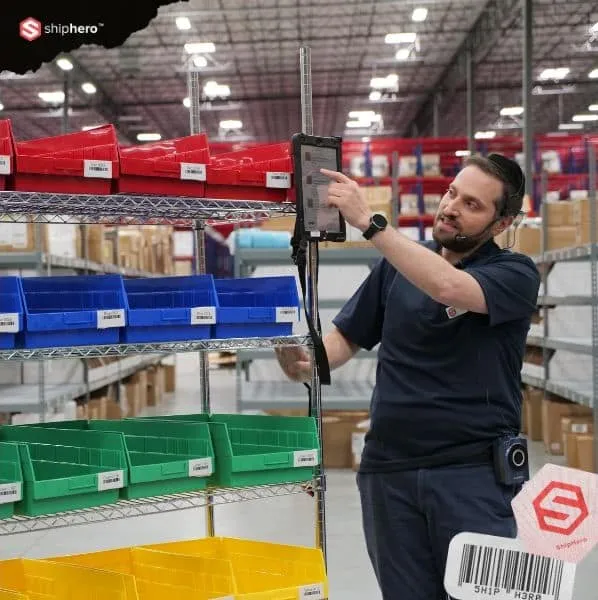
Discover the role, benefits, key features, requirements, and implementation of a 3PL Warehouse Management System (WMS) for optimizing warehouse operations. Learn about scalability, integration, real-time visibility, and customization options to choose the best solution for your business.
.svg)
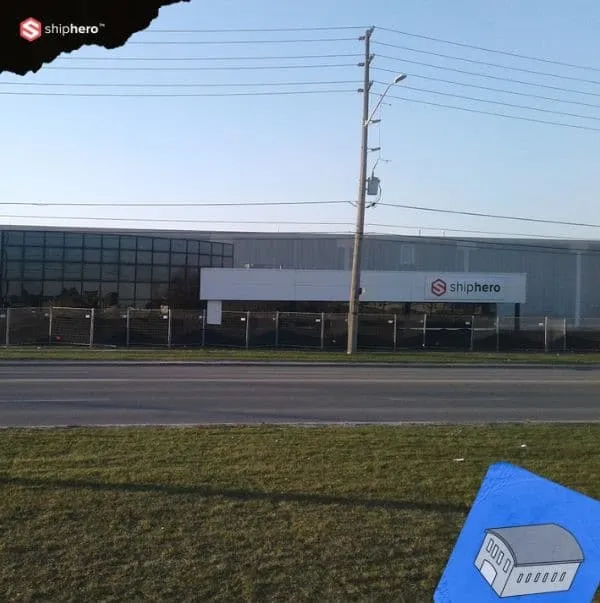
Explore the top 3PL companies in Canada and learn how third-party logistics providers play a vital role in optimizing supply chains. Discover the benefits of partnering with a 3PL, key services offered, and steps to start working with a 3PL in Canada.
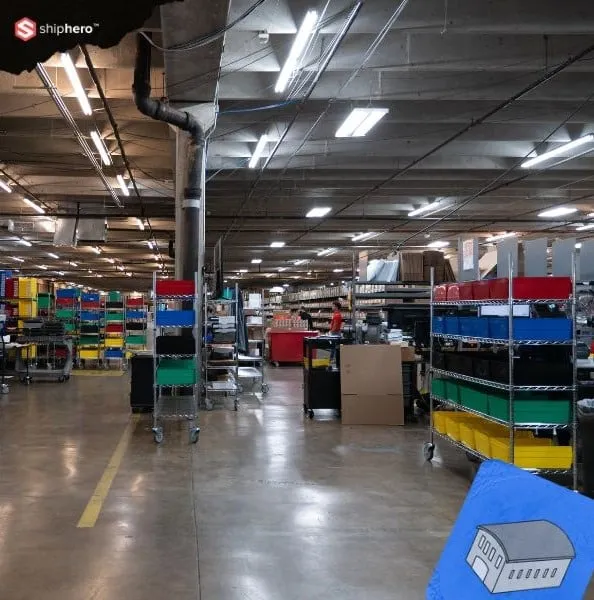
Discover the top 5 best third-party logistics (3PL) companies for your business needs, offering extensive networks, advanced technology, and superior customer service. Learn about the benefits of 3PL services, how to choose the right provider, and avoid common mistakes.
On September 1, 2026, Descartes Systems Group announced its acquisition of Extensiv for approximately $120 million. What was announced, what usually follows deals like this, and the questions Extensiv customers should put to their vendor before renewal.



.svg)



.webp)