
.svg)

Despite China’s developing economy and huge population, their market is notoriously difficult for foreign businesses to survive, particularly those with a physical presence. Popular companies like Walmart, Home Depot, and Mattel have tried and failed to create a steady business in China, due to conflicts with the
.svg)
Despite China’s developing economy and huge population, their market is notoriously difficult for foreign businesses to survive, particularly those with a physical presence. Popular companies like Walmart, Home Depot, and Mattel have tried and failed to create a steady business in China, due to conflicts with the government, failing to understand their customers, or just bad luck.
This is actually pretty common across the board. In fact, 48% of foreign businesses fail in China within their first two years, according to the 2013 Australia-China Business Week conference.
China is a bureaucratic one-party state, which means that the lines separating private and public enterprises are very blurry. For this reason, the government tends to own and heavily support Chinese companies, which is one of the reasons why most foreign businesses fail so quickly. They have to jump through bureaucratic hoops, jockey against local competition for market share, and often compete directly with the Chinese government itself.
Despite the fact that e-commerce is estimated to be a $250 billion market for U.S firms in China, in an unexpected twist, smaller DTC companies have had more success in the Chinese market, compared to the likes of major retail brands such as Walmart.
To capture their fair share, international and local companies across industries are partnering up with Chinese e-commerce platforms like JD and TaoBao to create deals that allow the e-commerce platforms to sell their products directly to Chinese consumers. Chinese third-party logistics (3PL) companies are then contracted to help e-commerce companies keep up with their delivery or logistics.
The products are also usually held in Chinese warehouses, waiting for distribution or last-mile delivery from gig workers or delivery companies. In China, order fulfillment must be flexible to keep their customers satisfied. When a customer purchases the product, they only have to use one account due to the e-market's level of integration, and they typically receive it within just a few hours or days.
With 800 million residents in China using internet services, China is the most connected country in the world. As a result, these users are finding the adaptability and accessibility of DTC businesses to be particularly alluring. These businesses, unlike foreign ones, can distribute their products at a moment's notice using local resources and marketplaces, which makes them difficult competition for foreign businesses.
Millions of users visit e-commerce sites like Tmall, JD, and TaoBao to do their daily shopping. It’s become a staple of their everyday life. By leveraging these companies' existing logistics networks, foreign competitors are better equipped make use of China's regional infrastructure.
More and more companies prefer to let local Chinese companies sell their products, rather than investing in the treacherous retail markets. If the customer wants to avoid especially crowded commercial districts, online markets are their best alternative. Most e-commerce companies are using customer behavior data to enhance website layout, presentation, and product lines to make their business more appealing to their customers.
E-commerce is the future of shopping in China, and many other countries as well. In 2019, e-commerce sales in China were estimated to be 36.6% of total sales, which is a huge jump from 12.4% in 2014. By 2023, e-commerce is expected to make up over half of all sales, at 64%.
There still exists a rather large demand for foreign products in China, given their elevated status symbol and expectation of high-quality. However, finding these products can be difficult for Chinese consumers because of the consistent failure of foreign businesses to establish their presence in the Chinese market. Using e-commerce and online shopping, customers can get connected to products they want, which is a win-win for the DTC company, the e-commerce site, and the customer.
Read on to learn some important tips from the most successful DTC brands about what makes their businesses so successful.
Don’t be afraid to use third-party platforms as opposed to your own. Customers in China prefer shopping through platforms like WeChat and Tmall. There is a surprising amount of freedom for brands to make their own space on these platforms.
When asked by Adweek, Allbirds International president Erick Haskell said “It’s not like being on other third-party platforms where it’s hard to control brand presence and pricing. We can run our own retail, have our own ecommerce site [on Tmall].” His statement reflects how, despite popular western perception, Chinese platforms allow plenty of freedom for brands to experiment and express themselves.
Chinese consumers are 10 to 15 years younger than consumers for the same brands in the west. This has a pronounced effect on not just marketing, but how brands present and behave themselves in general. Christina Fontana, the Head of Fashion and Luxury for Tmall, said this about how Chinese customers differ from westerners, “Consumers are very young and demanding. They want to know about brands and their craft. It’s important to tell that story.”
In general, brands will go to great lengths to demonstrate the quality of their products by including extra information about their manufacturing process, materials, location, and work conditions.
Chinese consumers can be very vocal about their purchases. In fact, Fontana says that 80% of all customers on the Tmall platform leave feedback. Feedback has become so vital that the platform now includes a feature that lets brands directly take the feedback they receive and use it in their product development.
The takeaway from all of this is that customers want to be engaged directly with the brand from which they are buying. They want to know that they have a voice in how the product is shaped.
E-commerce brands that want to grow their global empire should find alternate routes in difficult markets like China. With their accessibility, adaptability, and huge inventory of in-demand products, it’s easy to see why more and more brands want to establish an online presence overseas. The question now becomes, will your brand be next to join the success of these DTC businesses?
.webp)
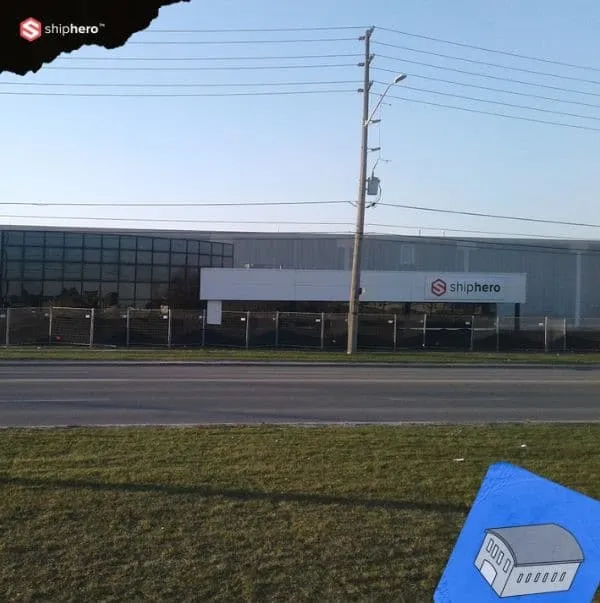
Explore the top 3PL companies in Canada and learn how third-party logistics providers play a vital role in optimizing supply chains. Discover the benefits of partnering with a 3PL, key services offered, and steps to start working with a 3PL in Canada.
.svg)
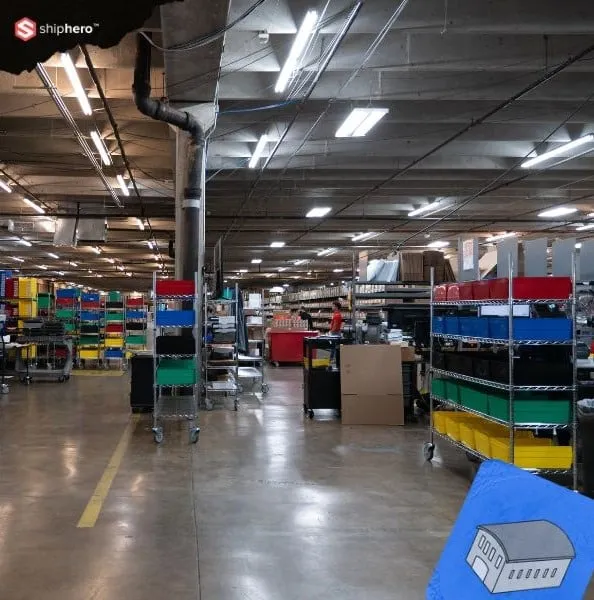
Discover the top 5 best third-party logistics (3PL) companies for your business needs, offering extensive networks, advanced technology, and superior customer service. Learn about the benefits of 3PL services, how to choose the right provider, and avoid common mistakes.
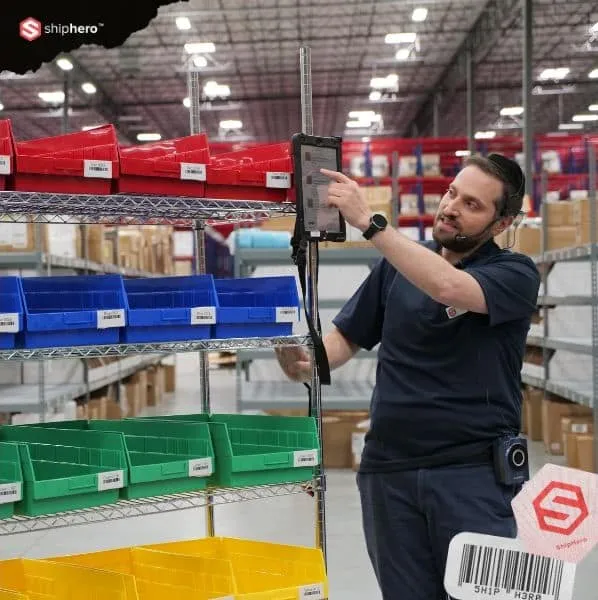
Discover the role, benefits, key features, requirements, and implementation of a 3PL Warehouse Management System (WMS) for optimizing warehouse operations. Learn about scalability, integration, real-time visibility, and customization options to choose the best solution for your business.

On September 1, 2026, Descartes Systems Group announced its acquisition of Extensiv for approximately $120 million. What was announced, what usually follows deals like this, and the questions Extensiv customers should put to their vendor before renewal.




.svg)



.webp)