
.svg)

Using 3PL Inventory Management Software, companies can manage their products and receive orders accurately - all while maintaining oversight of their entire supply chain system! Read more about how this innovative technology helps businesses flourish.

.svg)
[et_pb_section fb_built="1" admin_label="section" _builder_version="4.16" global_colors_info="{}"][et_pb_row admin_label="row" _builder_version="4.16" background_size="initial" background_position="top_left" background_repeat="repeat" global_colors_info="{}"][et_pb_column type="4_4" _builder_version="4.16" custom_padding="|||" global_colors_info="{}" custom_padding__hover="|||"][et_pb_text admin_label="Text" _builder_version="4.16" background_size="initial" background_position="top_left" background_repeat="repeat" global_colors_info="{}"]
Streamlining operational processes and maximizing efficiency is critical to a successful business model. Using 3PL Inventory Management Software, companies can manage their products and receive orders accurately - all while maintaining oversight of their entire supply chain system! Read more about how this innovative technology helps businesses flourish.
A 3PL (Third-Party Logistics) inventory system offers a sustainable cost-saving solution for businesses that may otherwise have difficulty managing and maintaining their inventory. By outsourcing these tasks to a third-party logistics provider, companies gain access to specialized resources, including advanced inventory management tools and tracking systems.
The advantages of using a 3PL inventory system are numerous, from reducing overhead costs to freeing up internal resources for more strategic projects. Ultimately, this system can maximize efficiency and optimize processes for higher-quality outcomes.
3PL inventory management software provides various tools and features to help third-party logistics providers manage a company's inventory more effectively. These solutions streamline processes, providing an integrated and automated business workflow for receiving and tracking inventory, managing orders, creating shipping labels, and producing reports.
The software also brings real-time inventory management visibility into inventory levels from an array of data points, so companies can take advantage of important reorder points or unintentionally order beyond their needs. This offers companies greater efficiency in their supply chain operations and order fulfillment services.
Using 3PL inventory management software has numerous advantages to help your business grow. When utilizing this software, you can enjoy improved accuracy, efficiency, visibility, cost savings, scalability, and flexibility. With real-time data tracking of your inventory levels, you can reduce stockouts or overstock by making informed decisions promptly. Outsourcing your warehouse and inventory management saves costs associated with maintaining them within your organization. Furthermore, the software is designed to quickly scale up or down as needed to accommodate business growth or seasonal fluctuations in demand. And it is also very customizable so that no matter what your business needs are, the software has you covered!
3PL (Third-Party Logistics) inventory software allows providers to manage and track their inventory, which can help to reduce costs in several ways. For example, the software can help to minimize stockouts by providing real-time visibility into inventory levels, which can help to avoid lost sales and the need to rush-order items.
Additionally, the software can help to optimize inventory levels by providing insights into sales trends and demand patterns, which can help to prevent overstocking. This can reduce storage costs and minimize the risk of obsolete inventory.
For clients, using 3PL inventory software can also help reduce costs by providing real-time visibility into inventory levels and delivery status. This helps to improve planning and forecasting, which helps avoid stockouts and minimize the need for emergency shipments.
Additionally, the software can optimize order processing and fulfillment, which helps to speed up delivery times and reduce transportation costs.
3PL (Third-Party Logistics) inventory software can save time by automating many tasks involved in managing and tracking inventory. Some examples of the basic capabilities of automation include:
Overall, the automation features of 3PL inventory software can streamline inventory management, improve efficiency, and save time by reducing the need for manual data entry and repetitive tasks.
3PL (Third-Party Logistics) inventory software can offer customization and scalability in several ways:
Overall, 3PL inventory software can offer customization and scalability by providing customizable workflows, reporting capabilities, scalability, and integration with other systems, which can support a business's growth and changing needs.
3PL (Third-Party Logistics) inventory software can offer lower risk for error in several ways:
Overall, by providing automated inventory tracking, barcode, and RFID scanning, real-time visibility, error checking, customizable workflows, and audit trails, 3PL inventory software can help to reduce the risk of errors in inventory management.
3PL (third-party logistics) inventory software can give insight into a client's business by providing detailed information about their inventory levels, sales data, and shipping and receiving information. This can include real-time tracking of inventory movements, alerts for low stock levels, and reporting on sales trends and customer behavior.
The software may also provide information on the cost and efficiency of logistics operations, allowing the client to identify areas for improvement and make informed decisions about their supply chain management. Overall, 3PL inventory software can provide valuable insights into clients’ business complex operations and help them optimize their inventory and logistics processes.
3PL (third-party logistics) software can help online retailers' businesses with cost reduction in several ways:
3PL (third-party logistics) software can help online retailers' businesses increase transparency in several ways:
3PL (third-party logistics) software can help eCommerce businesses improve customer experience in several ways:
3PL (third-party logistics) software can help eCommerce businesses gain real-time visibility into their logistics processes in several ways:
Warehouse management software (WMS) is a third-party logistics software application that helps businesses manage and track inventory levels, orders, sales, and deliveries within a warehouse or distribution center. It is designed to support the day-to-day operations of a warehouse by providing real-time data and insights on inventory levels, stock movements, and order fulfillment.
A warehouse management system can also be integrated with other systems, such as transportation management systems (TMS) and supply chain management systems (SCM), to provide a more comprehensive view of the entire supply chain.
Some key features of a WMS include inventory tracking, barcode scanning, order fulfillment, and real-time data reporting. It also helps to improve warehouse efficiency, reduce labor costs, and increase customer satisfaction by providing accurate and timely information.
SCM suites are software solutions that provide businesses with a comprehensive view of their supply chain. They typically include a combination of different software applications, such as transportation management systems (TMS), warehouse management systems (WMS), and enterprise resource planning (ERP) systems, that are integrated to provide a seamless and unified view of all supply chain activities.
SCM suites are designed to help businesses manage and optimize the flow of goods, services, and information from suppliers to customers. They can help companies to automate and streamline supply chain processes, such as demand forecasting, production planning, inventory management, transportation management, and order fulfillment. SCM suites can also provide real-time data and insights on supply chain performance, enabling businesses to make data-driven decisions and improve their overall supply chain efficiency.
Enterprise resource planning (ERP) systems are software solutions that help businesses manage and automate their core business processes. They are designed to integrate and streamline various business functions, such as finance, accounting, human resources, procurement, and manufacturing, into a unified system.
ERP systems typically include modules for managing financials, accounting, procurement, manufacturing, inventory, and sales, among others. They also provide real-time data and insights on business performance, enabling businesses to make data-driven decisions and improve their overall efficiency.
ERP systems can help businesses automate and streamline operations, improve data accuracy and visibility, and increase efficiency and productivity. They can also help companies to manage and control their financials, including budgeting, forecasting, and reporting.
ERP systems can be deployed on-premises or in the cloud and can be customized to meet the specific needs of a business. Some examples of ERP systems include SAP, Oracle, Microsoft Dynamics, and Infor.
WMS (Warehouse Management Systems), SCM (Supply Chain Management Systems), and ERP (Enterprise Resource Planning Systems) are all software solutions that help businesses manage and automate various aspects of their operations. However, they each have distinct areas of focus and functionality:
In summary, WMS deals primarily with warehouse and shipping operations, SCM deals with the entire supply chain management, and ERP deals with the core business operations across multiple departments in an organization.
Some key takeaways from 3PL Inventory Management Software include:
3PL, or Third-Party Logistics, refers to using a third-party logistics provider to outsource logistics and distribution functions for a company. It is not software but a business service that can be managed through software. Examples of logistics software include cloud-based warehouse management solutions and transportation and supply chain management systems.
The role of a 3PL or third-party logistics company is to outsource logistics and distribution functions for a company. This can include warehousing, transportation, inventory management, etc.
By using a 3PL, companies can focus on core competencies and leave logistics to experts. 3PLs often have economies of scale and access to resources that allow them to provide logistics services more efficiently and at a lower cost than the company could.
A warehouse management system (WMS) is a software application that helps companies manage and optimize their warehouse operations. It helps to automate and streamline processes such as inventory management, order fulfillment, shipping and receiving, and more.
The main functions of a smart warehouse management system include the following:
A warehouse management system can help companies improve the accuracy and efficiency of their warehouse operations, reduce costs, and improve customer service.
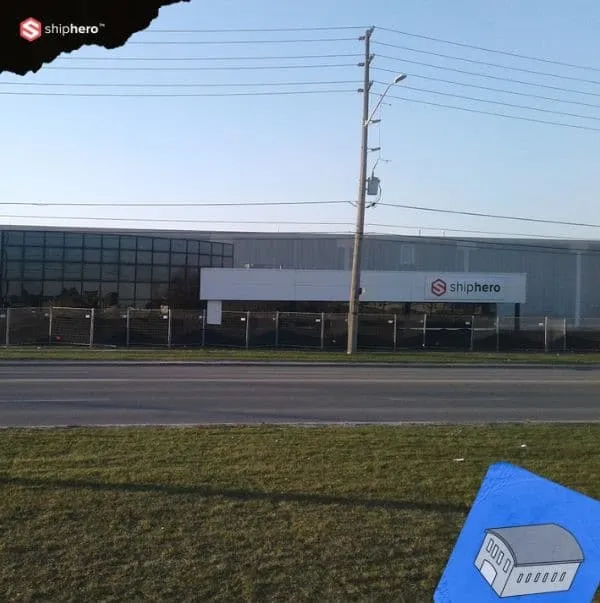
.webp)
Explore the top 3PL companies in Canada and learn how third-party logistics providers play a vital role in optimizing supply chains. Discover the benefits of partnering with a 3PL, key services offered, and steps to start working with a 3PL in Canada.
.svg)
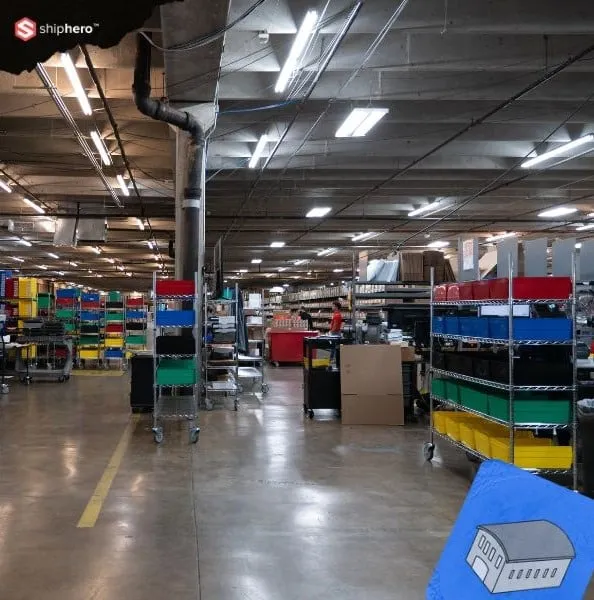
Discover the top 5 best third-party logistics (3PL) companies for your business needs, offering extensive networks, advanced technology, and superior customer service. Learn about the benefits of 3PL services, how to choose the right provider, and avoid common mistakes.
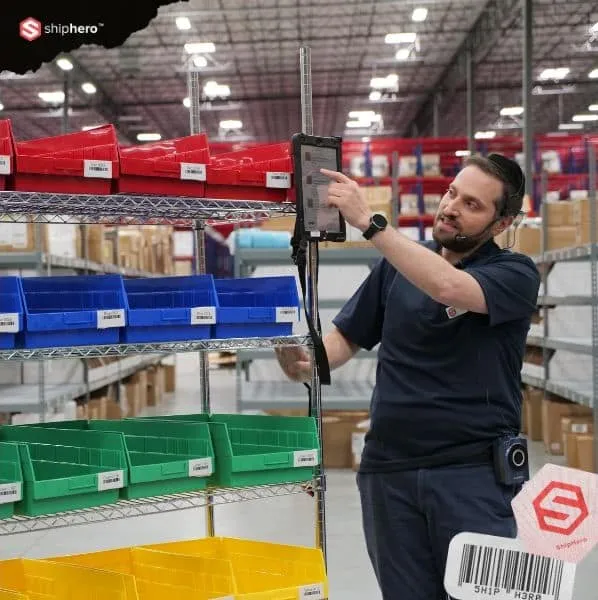
Discover the role, benefits, key features, requirements, and implementation of a 3PL Warehouse Management System (WMS) for optimizing warehouse operations. Learn about scalability, integration, real-time visibility, and customization options to choose the best solution for your business.

At the denser wall, average picking time per order fell from 40 seconds to 13, and orders that ran clean from start to finish rose from 18% to 97%. This is the companion to our Direct Pack + Pack-to-Light case study, from the same research.





.svg)



.webp)