
.svg)

For over two years now, supply chain disruptions have caused havoc for anyone looking to ship products. While significant improvements have been made, the holiday season’s high volume of shipping still poses serious challenges for eCommerce brands. As we work to prepare for the influx of Q4 orders, it’s a good

.svg)
For over two years now, supply chain disruptions have caused havoc for anyone looking to ship products. While significant improvements have been made, the holiday season’s high volume of shipping still poses serious challenges for eCommerce brands.
As we work to prepare for the influx of Q4 orders, it’s a good idea to look back on last year’s data for a better idea of what to expect. In 2021, according to Shipping & Freight Resource, global trade reached $28 trillion globally, a 23% increase from 2020. The surging popularity of online shopping has left carriers and fulfillment service providers scrambling to keep up, while more orders continue to pour in year after year.
In addition to more people doing their shopping online, the realities of the supply chain have made it difficult for brands to guarantee timely delivery during the holiday season. Congestion at ports, raw materials shortages, carrier delays and warehouse bottlenecks are just a few of the potential issues that could frustrate both you and your customers this holiday season. Many of these factors might seem like they’re out of your direct control, but by taking a few proactive steps, you can help minimize their impact and ensure a successful peak season.
Let’s take a look at some of the key factors your eCommerce brand needs to consider in order to keep customers happy during the holiday shipping season.
One of the best ways to avoid delivery delays during the holidays is to streamline your checkout process. This encourages your customers to make purchases in the moment, rather than browse the site only to place an order later on, possibly at the last minute.
A faster checkout process sometimes comes down to improving the usability of your online store. Eliminating unnecessary clicks and keeping customers logged in to their accounts can make buying from your site a better experience than with a competitor. Many online brands have even adopted omnichannel marketing to retain customer information and use it to elevate the experience on their website.
Omnichannel marketing offers customers a cohesive experience as they navigate through your store by pushing customized content aimed at specific buyers. By using the data provided by customers when they peruse your site, omnichannel marketing narrows down the items they’d be most interested in. When they return to the site, these offers can be pushed to the front page, making it easier for customers to find what they’re looking for.
In addition to boosting the usability of your online store, omnichannel makes it easier for customers to complete purchases quickly. By getting orders logged as soon as possible, you’ll have less of a workload when the surge of holiday shipping starts to impact your carrier’s bandwidth.
Before peak season hits, you’ll want to make sure your team has a clear understanding of your carrier’s needs and shipping deadlines. Depending on which carrier you work with, guaranteed on-time shipping should include a cut-off date, so the delivery has time to make it to the customer’s doorstep.
Using USPS, for example, is a great option for small eCommerce brands that need consistent and relatively affordable shipping. However, delivery tends to take a bit longer with USPS than other, more expensive carriers, like FedEx.
You’ll need to make sure this information is communicated with not only your team, but your customers. That way, delivery expectations can stay reasonable, and customers won't be surprised with a late arrival.
With so many potential disruptions waiting to upend your shipment’s speedy delivery, it’s a good idea to keep alternative delivery options open. Maintaining a flexible supply chain has emerged as one of the key strategies to overcome the uncertainties in the delivery network.
As a way of shortening the wait time for customers who place an order, many brands have adopted micro fulfillment centers, or MFCs, as a means of staying efficient. MFCs are fulfillment centers, usually warehouses or storefronts, that allow customers to pick up their orders on-site. Brands with brick and mortar locations have taken advantage of this by turning their stores into pickup locations, eliminating the reliance on third-party delivery services entirely.
Other flexible features like warehouse parcel lockers have also gained popularity lately, since they allow customers to access their orders 24/7, without a member of staff needing to be there.
For even more flexibility in your supply chain, you can team up with companies that specialize in less-than-container-load shipping, like Flexport. Flexport’s shipping option allows clients to purchase space in shipping containers along with other clients, so you won’t have to pay for a full container with a limited amount of product. This allows smaller businesses with less product to get their goods from Shanghai to ShipHero’s Las Vegas warehouse in 23-25 days at just a fraction of the cost.
The holidays can be daunting for eCommerce brands. With so much uncertainty in the supply chain, optimizing the aspects you can control is the best way to ensure success. Whether it’s making buying easier for your customers, working closely with carriers to understand their deadlines, or adopting new strategies for a more flexible supply chain, there are a myriad of ways to ensure a profitable peak season.
If you’re running your own fulfillment center, a robust and reliable warehouse management system might be the difference maker. For a software partner that can help your eCommerce scale to new heights, contact the Software Experts at ShipHero today.

Aaron Rubin, Founder & CEO
ShipHero
About the author: Aaron Rubin is the Founder & CEO of ShipHero. He is responsible for planning and executing the overall vision and strategy of the organization. Rubin’s greatest strengths are leadership, change management, strategic planning and a passion for progression. He is known for having his finger on the pulse of ShipHero’s major initiatives, his entrepreneurial spirit, and keen business acumen. His leadership of ShipHero is grounded in providing excellent customer service that drives improved business operations. His passion for ShipHero comes from the culture and his ability to have an impact on the lives of employees, customers, partners, and investors.

.webp)
Explore the top 3PL companies in Canada and learn how third-party logistics providers play a vital role in optimizing supply chains. Discover the benefits of partnering with a 3PL, key services offered, and steps to start working with a 3PL in Canada.
.svg)
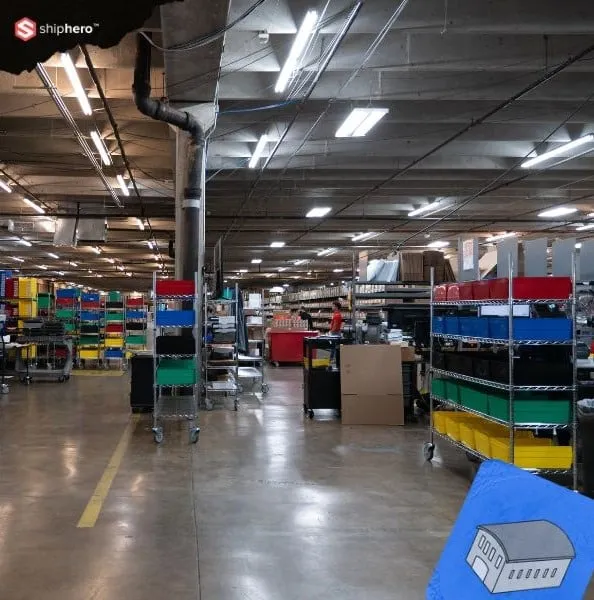
Discover the top 5 best third-party logistics (3PL) companies for your business needs, offering extensive networks, advanced technology, and superior customer service. Learn about the benefits of 3PL services, how to choose the right provider, and avoid common mistakes.
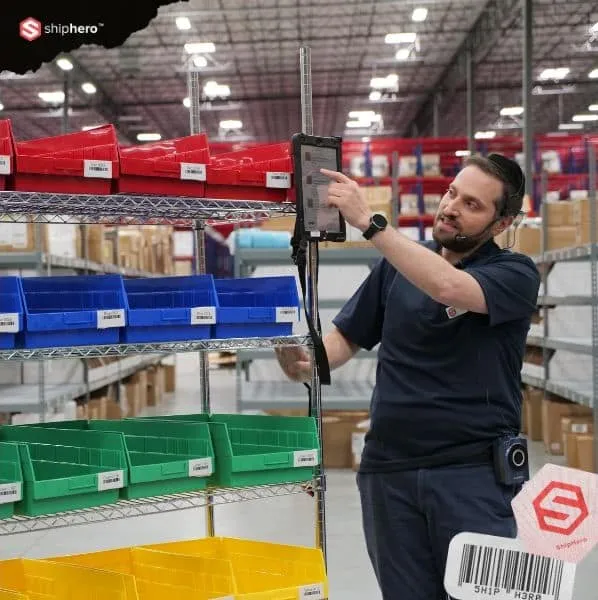
Discover the role, benefits, key features, requirements, and implementation of a 3PL Warehouse Management System (WMS) for optimizing warehouse operations. Learn about scalability, integration, real-time visibility, and customization options to choose the best solution for your business.
On September 1, 2026, Descartes Systems Group announced its acquisition of Extensiv for approximately $120 million. What was announced, what usually follows deals like this, and the questions Extensiv customers should put to their vendor before renewal.




.svg)



.webp)