
.svg)

Learn how to make the most of your sales from Q1-Q3 so that returns won't have as big an impact on your eCommerce business during the busy holiday quarter. Get expert tips and strategies from ShipHero now!

.svg)

The end of the year is always a busy time for retailers, and with holiday shopping inevitably bringing more returns, there's a lot to keep track of. Many eCommerce businesses and retailers carry over the hit on their inventory clear into Q3-Q4 of the following year, which can be detrimental to your business. Stop the vicious circle and make the most of Q1-Q3, so returns don't have as much impact in Q4. Here are some tips on how to do just that.
Understanding the various types of returns and their respective impacts on a store is crucial for any business looking to get ahead. You should consider what those returns might cost to process and complete a product return rate analysis to gain insight into customer behaviors and quality control issues.
Then, looking beyond just percentages of gross demand, it is essential that all areas that could have an influence on return rates – such as inaccurate content, damage in transit, picking errors, and supplier QA problems – be accounted for and actively managed. After all, with each return comes a chance to learn more about customers and products.
Crunching the numbers on returns can be enlightening - not just for you but for your customers, too. If you find the cost of handling the returned item is bordering on the price of creating another product or procuring one from a distributor, issuing an easy refund and keeping the original item may be a smart play.
The “Just Keep It” return policy sounds almost too good to be true for consumers who get their money back and get to keep the product. But that’s exactly what happens. Instead of piling returned merchandise onto the growing inventory heap, stores are considering just handing customers their money back and letting them hang onto the product. Some retailers advise customers to just keep or donate their return after issuing a refund.
As you look ahead to Q4, one of the smartest moves you can make is to plan for what you want to accomplish in Q1-Q3. No matter how prepared you think you are, things can get hectic when the end of the year rolls around and the holiday season kicks into high gear.
Planning your operational activities now will help your team optimize and handle customer returns in Q4. As you plan for key dates, such as holidays, you can reduce future returns by planning your inventory needs.
Returns can be more expensive than orders, so minimizing those costs over time is important. You can use simple strategies like a more detailed product description or updated product photos. Taking proactive steps ahead of this year's holiday season will ensure a smoother experience. Part of planning ahead could include the following steps:
A clear return policy empowers customers to make informed decisions and shop confidently. This is because they know that if their purchase doesn't fit just right, they will be able to get their money back.
By combining this transparent policy with insights into how often customers return items, you can tweak your strategy as needed - allowing shoppers to benefit from the right balance of affordability and quality. So look under the hood of your return policy today and ensure it's optimized for maximum customer satisfaction.
When it comes to refunds, educating employees is a must! After all, they are the ones dealing with customers and helping them get what’s owed. Knowing common types of returns and their potential pitfalls can help keep the process hiccup-free - leading to happy customers and satisfied employees. Investing in excellent customer service ensures that refunds are handled with friendliness, quickness, and accuracy so customers don’t feel let down by their experience or discouraged from shopping again.
No business enjoys processing returns, but it doesn't have to be a chore. You can save time and energy by using an automated return management system. With these systems, labels are generated, items are tracked, and data is easily stored; the whole process is basically automated.
Automation can be a game changer for returns processing. Enabling faster, more accurate data capture and freeing up customer service teams to handle more pressing issues. Additionally, automation makes customers feel supported throughout their journey with packing, shipping, and tracking updates.
By removing manual administrative tasks, retailers and customers are more likely to communicate effectively, improving loyalty and lifetime value. The earlier you implement automation, the greater the chance of saving time and effort and preventing errors. So, come Q4, your returns won't come back to haunt you since your data and inventory are updated.
There is no doubt that planning ahead of the holidays can make a big difference between your business’s success and failure during peak season. Keeping an eye on inventory levels is one of the most important things you can do to weather peak periods with the least disruption people.
Any sudden change in demand or return items will cause an even more significant snowball effect that will be hard to reverse. It doesn't take a crystal ball to see out into the future, but it does take vigilance and a bit of savvy forecasting to do so. The more you prepare for the season, the more likely you will stay ahead of the competition.
Third-party logistics providers (3PL), like ShipHero, provide software and automated tracking that goes beyond a typical WMS. When it comes to handling your returns like a pro, ShipHero's open API and tracking capabilities offer limitless possibilities.
You can rest easy knowing that Q4 won't be a fright fest by having seamless integration with leading eCommerce and vendors. There's no denying that returns present certain challenges, but with ShipHero, you get a warehouse management system that can adapt to these changes quickly.
It is a great time to get a head start on your Q4 financial results in Q1-Q3. If you plan carefully, understand returns, educate your customers, automate, and keep an eye on inventory, you can minimize any impact from returns in Q4. Keep these tips in mind to ensure your business remains profitable and successful all year long.

.webp)
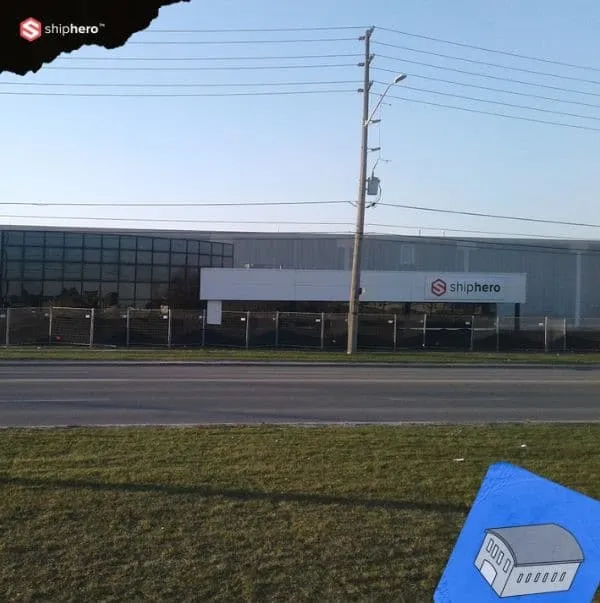
Explore the top 3PL companies in Canada and learn how third-party logistics providers play a vital role in optimizing supply chains. Discover the benefits of partnering with a 3PL, key services offered, and steps to start working with a 3PL in Canada.
.svg)
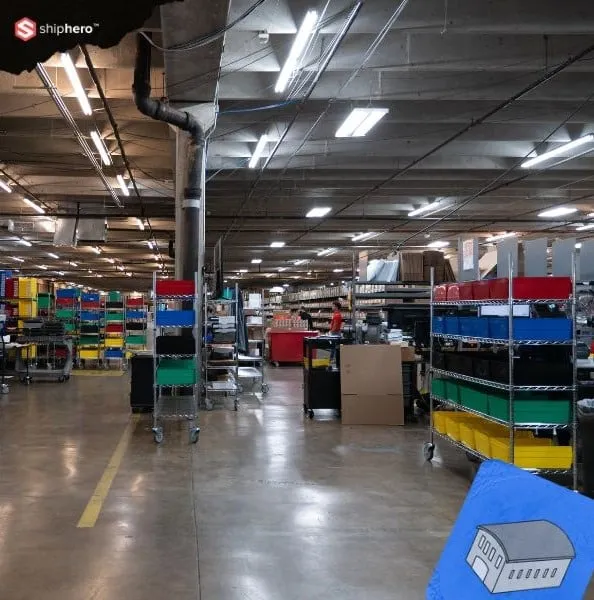
Discover the top 5 best third-party logistics (3PL) companies for your business needs, offering extensive networks, advanced technology, and superior customer service. Learn about the benefits of 3PL services, how to choose the right provider, and avoid common mistakes.
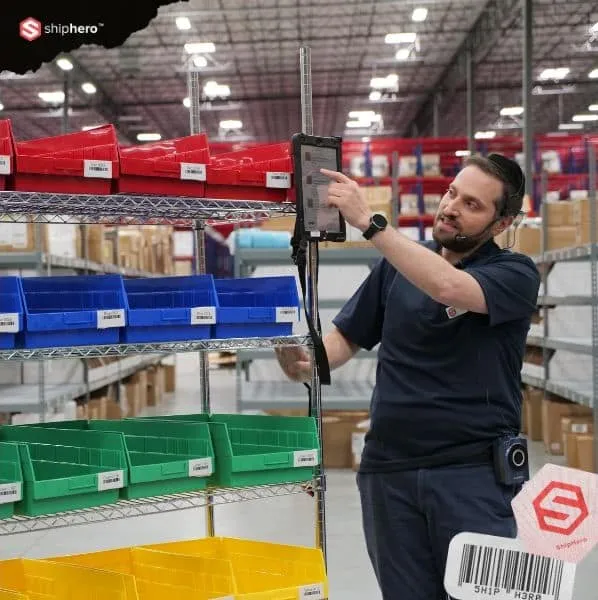
Discover the role, benefits, key features, requirements, and implementation of a 3PL Warehouse Management System (WMS) for optimizing warehouse operations. Learn about scalability, integration, real-time visibility, and customization options to choose the best solution for your business.

On September 1, 2026, Descartes Systems Group announced its acquisition of Extensiv for approximately $120 million. What was announced, what usually follows deals like this, and the questions Extensiv customers should put to their vendor before renewal.



.svg)



.webp)