The risk of human error and the potential for costly mistakes make manual inventory tracking methods impractical.
This is where the streamlined automation of inventory management software solves many of the problems that have plagued manual tracking systems for generations.
It can be difficult to choose the right inventory management software for your business from the plethora of options. These are the best five and why:
The rest of this article explores why you should consider using inventory management software, the key features to look for, and how to choose the right software for your business.
Inventory Management Software is a powerful tool that improves the way businesses track, manage, and optimize their inventory levels. It goes beyond the traditional pen-and-paper method and brings efficiency, accuracy, and control to the inventory management process.
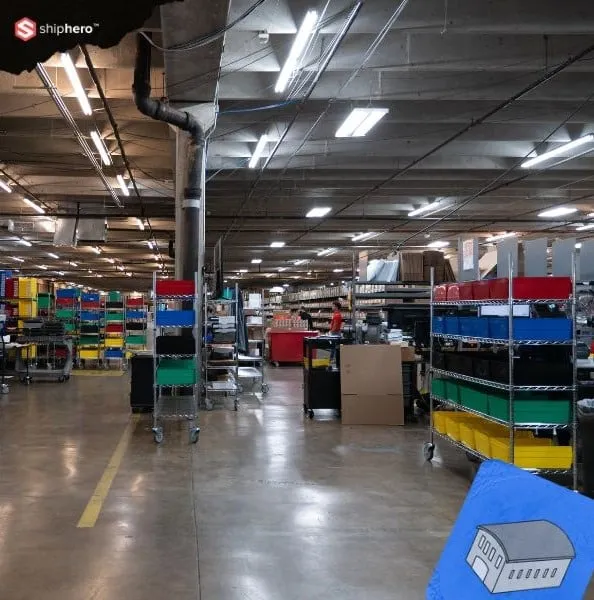
Imagine a busy warehouse, filled with shelves upon shelves of products. Without proper inventory management, chaos occurs. Products get misplaced, stock levels become inaccurate, and orders get delayed. Inventory management software eliminates all of this.
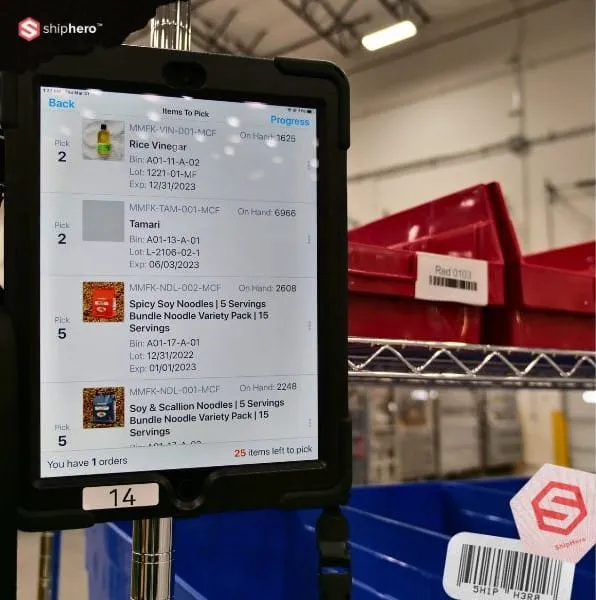
At its core, inventory management software lets businesses monitor stock levels in real-time. It provides a comprehensive overview of the available products and prevents out-of-stock or overstock. With a few clicks, businesses can instantly access information about the quantity, location, and status of each item in their inventory.
Inventory management software also helps businesses track sales and purchases. By integrating with point-of-sale systems and online marketplaces, businesses can automatically update their inventory whenever a sale is made. This real-time synchronization gives businesses accurate information about their inventory and prevents overselling or missed sales opportunities.
As for the order fulfillment processes — a particular headache for businesses with large volumes of orders — inventory management software automates tasks like order processing, picking, packing, and shipping. It helps businesses prioritize orders, allocate stock efficiently, and generate shipping labels. All of this saves time and reduces errors.
The automation of order fulfillment is a significant leap forward in managing e-commerce operations efficiently. To understand this aspect in greater detail, consider exploring our comprehensive article on e-commerce order management software, which delves into how these systems can further optimize the order fulfillment process, ensuring seamless integration from inventory to delivery.
A key benefit of inventory management software is its reporting ability. Businesses can analyze sales trends, identify slow-moving or fast-selling products, make data-driven decisions to optimize their inventory levels and identify areas for improvement and growth.
With inventory management software, businesses have better visibility and control over their inventory. They can accurately forecast demand, prevent stockouts, and avoid overstocking, ultimately leading to improved efficiency and reduced costs. By optimizing inventory levels, businesses can free up capital that would otherwise be tied up in excess stock, allowing them to invest in other areas of their business.
Customer satisfaction is a top priority for any business, and inventory management software plays a crucial role in achieving it. By ensuring that products are always available when customers need them, businesses can provide a seamless shopping experience. Additionally, inventory management software enables businesses to fulfill orders quickly and accurately, leading to happy customers and positive reviews.
In conclusion, inventory management software is a game-changer for businesses of all sizes. It brings efficiency, accuracy, and control to the inventory management process, allowing businesses to optimize their operations and delight their customers. Whether it's a small retail store or a large eCommerce business, inventory management software is an essential tool for success.
Inventory management software offers numerous benefits for businesses of all sizes and industries. In today's fast-paced and competitive business environment, efficient inventory management is crucial for success.
By implementing inventory management software, businesses can streamline their operations, improve accuracy, save time and costs, make better decisions, and enhance customer satisfaction.
Improved accuracy: A risk of data entry mistakes or misplacing items always exists with manual inventory management. With inventory management software, businesses can rely on advanced algorithms and barcode scanning technology to guarantee accurate inventory counts. This improves the overall efficiency of the business and improves the customer experience by minimizing errors.
E-commerce businesses, in particular, can benefit significantly from specialized inventory management solutions. Our guide on e-commerce inventory management software explores options specifically designed to meet the unique challenges of the e-commerce sector, from syncing stock levels across multiple platforms to managing a diverse range of SKUs.
Time savings: Stock counting can be done quickly and accurately with barcode scanning, order processing becomes seamless, and reports can be generated with just a few clicks. This lets employees focus on more strategic tasks.
Cost savings: With manual inventory management, businesses often face challenges in optimizing their inventory levels. Overstocking ties up capital and increases storage costs, while stockouts result in lost sales and dissatisfied customers. Inventory management software provides real-time visibility into inventory levels, allowing businesses to optimize their stock levels and avoid excess or insufficient inventory.
By accurately forecasting demand and optimizing inventory, businesses can reduce carrying costs, prevent stock obsolescence, and avoid rush orders or emergency purchases.
Better decision-making: Inventory management software provides businesses with valuable insights into their inventory performance. Businesses can use historical data to track trends and identify patterns that will inform accurate sales forecasts. Businesses can also quickly respond to changes in demand or market conditions, staying ahead of the competition.
Enhanced customer satisfaction: A key factor in customer satisfaction is the ability to deliver products on time. With inventory management software, businesses will have the right products available to fulfill customer orders.
Real-time inventory tracking lets businesses quickly identify available stock, reserve items for orders, and provide accurate delivery estimates to customers. This all improves customer satisfaction and helps businesses build reliability and efficiency into their reputations.
The best inventory management software solutions offer a range of features to streamline inventory management processes. Some of the key features to look for include:
Dive deeper into the complexities of a 3PL warehouse management system and how it can significantly streamline your logistics and inventory operations, enhancing efficiency across the board.
When selecting the best inventory management software for your business, there are several factors to consider:
The cost of inventory management software can vary depending on factors such as the size of your business, the scope of features required, and the vendor. Some software may offer pricing plans based on the number of users or the volume of products managed.
It is important to evaluate the return on investment (ROI) that the software can provide in terms of time savings, cost reductions, and improved efficiency.
Efficient inventory management is crucial for the success and growth of businesses. Inventory management software offers many benefits, including improved accuracy, time savings, cost savings, better decision-making, and enhanced customer satisfaction.
When choosing the best inventory management software, consider factors such as business requirements, scalability, usability, integration capabilities, support, and training. Evaluate the cost of the software in terms of the ROI it can provide.

Yes, inventory management software solutions are available for businesses of all sizes, from small startups to large enterprises. It is essential to choose software that aligns with the specific needs and scale of your business.
Yes, many inventory management software solutions offer integration capabilities with other business systems such as accounting, eCommerce platforms, and CRM software. This allows for seamless data flow and improved efficiency.
Yes, some inventory management software solutions offer advanced demand forecasting features. These features leverage historical data and analytics to predict future demand, allowing businesses to optimize inventory levels and avoid stockouts or overstocking.
The level of training required for inventory management software depends on the complexity of the software and the user's familiarity with similar systems. However, many software providers offer comprehensive training resources and support to ensure a smooth implementation process.
Yes, inventory management software can track inventory across multiple locations. This is particularly useful for businesses with warehouses or multiple retail stores, as it provides visibility into stock levels and movement in real-time.
.webp)
A 3PL Warehouse Management System (WMS) is a software solution that helps companies manage and optimize their warehouse operations. It provides a centralized platform for handling tasks such as inventory management, order fulfillment, shipping, and receiving.
It’s an essential tool for third-party logistics providers that lets them efficiently manage their clients' warehouse operations.
A key challenge third-party logistics providers face is managing the vast amount of inventory stored in their warehouses. The 3PL Warehouse Management System addresses this challenge by providing a comprehensive set of tools and functionalities to effectively manage and control warehouse operations.
At its core, the 3PL WMS is a software application that integrates with the existing warehouse infrastructure and automates various processes like inventory management, order fulfillment, and shipping. It provides real-time visibility into inventory levels. And it helps logistics providers optimize storage space and ensure accurate stock levels.
Moreover, the 3PL WMS enables efficient order processing by automating tasks like order picking, packing, and labeling. It provides warehouse staff with detailed instructions on how to fulfill each order, and this minimizes errors while improving overall productivity.
Another key feature of the 3PL WMS is its ability to track and trace goods throughout the warehouse. By using barcode scanning or RFID technology, the system can accurately track the movement of inventory from the moment it arrives at the warehouse to the moment it leaves for delivery.
Furthermore, the 3PL WMS offers advanced reporting and analytics capabilities. They can generate reports on key performance indicators like order accuracy, on-time delivery, and inventory turnover. This helps businesses identify areas for improvement.
In addition to these core functionalities, the 3PL WMS can be customized to meet the specific needs of different industries and clients. For example, it can support temperature-controlled storage for perishable goods or provide specialized picking algorithms for eCommerce fulfillment.
In conclusion, the 3PL Warehouse Management System is a powerful tool that enables third-party logistics providers to efficiently manage their clients' warehouse operations. By automating key processes and providing real-time visibility into inventory, the system helps improve productivity, accuracy, and customer satisfaction. It’s an indispensable asset for logistics providers in today's complex and competitive business environment.
To further understand the scope and benefits of third-party logistics, explore our detailed guide on 3PL services, which highlights how these services streamline operations and enhance efficiency.
Implementing a 3PL Warehouse Management System can bring numerous benefits to a company.
Firstly, it provides real-time visibility into stock levels and locations to reduce the risk of stockouts and minimize excess inventory.
Secondly, a 3PL WMS improves order fulfillment efficiency by automating processes like order picking and packing. This leads to faster order processing times and improved customer satisfaction.
Additionally, a 3PL Warehouse Management System lets companies optimize their warehouse space utilization. By providing insights into optimal storage locations and recommending efficient picking routes, it maximizes the storage capacity and minimizes unnecessary movement.
Lastly, a 3PL WMS enhances supply chain visibility by providing real-time tracking and reporting tools. This lets companies monitor the flow of goods, identify bottlenecks, and make data-driven decisions to improve overall efficiency.
Ecommerce businesses require specialized inventory management solutions to meet the dynamic demands of online retail. Learn more about ecommerce inventory management software that complements 3PL WMS for seamless integration and enhanced efficiency.
A good 3PL Warehouse Management System offers a range of features to support warehouse operations. These features include:
Choosing the right inventory management software is crucial for optimizing warehouse operations. Discover the best inventory management software options that can seamlessly integrate with 3PL WMS to provide comprehensive inventory control.
When considering a 3PL Warehouse Management System, it's important to assess the specific requirements of your business. Some key considerations include:
A key advantage of a 3PL Warehouse Management System is real-time visibility into warehouse operations.
Companies can access up-to-date information on inventory levels, order statuses, and overall performance at any time so businesses can quickly identify and address bottlenecks.
Following these steps will help you carefully plan and integrate a 3PL Warehouse Management System:
When choosing a 3PL Warehouse Management System, it's important to consider the following factors:
The cost of a 3PL Warehouse Management System can vary depending on factors like the size of your business, the features you want, and the vendor you choose. Some vendors offer pricing models based on the number of users or the volume of goods processed. Request quotes from different vendors and consider the long-term ROI when evaluating the cost of a 3PL WMS.

A 3PL WMS helps companies manage and optimize warehouse operations, including inventory management, order fulfillment, and reporting.
A 3PL Warehouse Management System can improve inventory accuracy, order fulfillment efficiency, warehouse space utilization, and supply chain visibility.
Key features include inventory tracking and management, order management, picking and packing optimization, real-time reporting tools, and system integration capabilities.
The cost varies depending on factors like the size of the business, desired features, and the vendor chosen. It's important to request quotes and consider long-term ROI.

.webp)
If you're looking for the best 3PL companies in Canada, you've come to the right place. This article will introduce you to some of the top players in the industry and provide valuable insights into the world of third-party logistics in Canada.
Before going into the specifics, it’s important to understand what third-party logistics or 3PL is.
In simple terms, 3PL refers to the outsourcing of supply chain management functions to a specialized company. These companies handle various aspects of logistics like transportation, warehousing, and distribution on behalf of their clients.
By entrusting their logistics operations to a 3PL provider, businesses can focus on their core competencies while benefiting from the expertise and resources of the 3PL company. It's a win-win situation that has gained popularity across industries.
In the transportation arena, 3PL providers play a crucial role ensuring the smooth movement of goods from one location to another. They have extensive networks of carriers and can negotiate favorable rates that save their clients money. Additionally, 3PL companies have the expertise to optimize routes, track shipments in real-time, and handle any unexpected issues that may arise during transit.
Warehousing is another area where 3PL providers excel. Most have strategically located warehouses equipped with state-of-the-art technology and systems to efficiently store and manage inventory. This helps businesses reduce their warehousing costs and benefit from extra scalability and flexibility. With advanced inventory management systems, businesses have real-time visibility into their stock levels, ensuring timely replenishment and minimizing stockouts.
And beyond transportation and warehousing, 3PL provider services can include order fulfillment, packaging, labeling, and even customer support. By leveraging these additional services, businesses can enhance their overall supply chain operations and improve customer satisfaction.
A key advantage of partnering with a 3PL provider is access to their expertise and industry knowledge. 3PL companies are always up to date on the latest trends, regulations, and best practices in logistics. They can provide valuable insights and recommendations to optimize supply chain processes across many industries.
Another benefit of working with a 3PL provider is scalability. With a 3PL partner, businesses can easily scale up or down their logistics operations without significant investments in infrastructure or resources. They can adapt quickly to market demands and seize new opportunities.
In conclusion, third-party logistics, or 3PL is the outsourcing of supply chain management functions to specialized companies. These companies handle transportation, warehousing, and distribution on behalf of their clients, letting businesses focus on their core competencies. 3PL providers offer expertise, cost savings, scalability, and value-added services, making them an attractive option for businesses across industries.
To have a better understanding of how 3PL companies operate and the diversity of services they offer, consider reading our comprehensive overview of 3PL companies, which provides insights into selecting the right partner for your logistics needs.
In Canada, the 3PL market is vibrant and competitive. With its vast geographical area and robust trade relationships, the country presents numerous opportunities for logistics companies.
Canadian 3PL providers offer a wide range of services, catering to industries like retail, e-commerce, manufacturing, and healthcare. From managing inventory and order fulfillment to overseeing transportation networks, these companies play a vital role in the supply chains of businesses across the country.
The 3PL market in Canada is constantly evolving to meet the changing demands of businesses. As companies seek to optimize their supply chains and provide seamless customer experiences, the role of 3PL providers becomes increasingly important.
A Key factor driving this growth is the rapid expansion of e-commerce. As more and more Canadians turn to online shopping, businesses need efficient and reliable logistics solutions to fulfill customer orders quickly and accurately.
Canadian 3PL companies offer a comprehensive range of services to meet the specific needs of their clients. Common services include:
These services can be tailored to suit small startups, large corporations, and everything in between. By leveraging the expertise of 3PL providers, companies can streamline their operations and gain a competitive edge in the market.
To explore the specific services provided by third-party logistics providers and how they can transform your supply chain, explore our detailed discussion on 3PL services, offering a closer look at how these services streamline operations for businesses of all sizes.
Partnering with a 3PL company in Canada offers several benefits for businesses:
Overall, partnering with a 3PL company in Canada is transformative for businesses, offering a pathway to reduce operational costs, enhance efficiency, achieve scalability, maintain a focus on core business areas, and leverage expert insights.
These combined benefits create a formidable foundation for businesses to thrive and expand in the highly competitive Canadian marketplace.
Small and medium-sized enterprises seeking to capitalize on these benefits should explore our detailed guide on 3PL for small businesses. This resource is tailored to help smaller companies understand how to effectively utilize 3PL partnerships to enhance their logistics operations and support growth.
Several 3PL companies in Canada stand out for their industry expertise, reliability, and customer satisfaction::
Each of these 3PL companies in Canada brings its unique strengths to the table, from extensive national networks and fast delivery capabilities to specialized services and global reach. Choosing the right 3PL partner depends on a business’s specific logistics needs, growth goals, and the strategic value the 3PL can provide in facilitating efficient and effective supply chain operations.
If you're considering partnering with a 3PL company in Canada, here are a few steps to get started:
In conclusion, the best 3PL companies in Canada offer a range of services to optimize supply chains and fulfill the unique logistics needs of businesses. By partnering with a reputable 3PL provider, businesses can unlock new efficiencies, lower costs, and gain a competitive advantage in the Canadian market.

The cost of 3PL services in Canada varies based on factors such as the scope of services required, volume of shipments, and industry-specific needs. It's best to request quotes from multiple providers to get an accurate estimate.
Absolutely. 3PL providers offer scalable solutions, making them suitable for businesses of all sizes. Small businesses can leverage the expertise and resources of 3PL companies to optimize their logistics operations and compete more effectively in the market.
Choosing the right 3PL partner requires careful consideration. Look for companies with experience in your industry, a strong track record, and the ability to meet your specific requirements. Conducting thorough evaluations and interviews will help you gauge compatibility and make an informed decision.
Yes, many 3PL providers in Canada can handle international logistics. They can handle customs clearance, freight forwarding, and global transportation, ensuring a smooth flow of goods across borders.
Absolutely. Many 3PL companies in Canada specialize in niche industries, such as healthcare and pharmaceuticals. They have the necessary certifications, infrastructure, and experience to ensure compliance with industry regulations and safely handle critical goods.

.webp)
Many businesses turn to third-party logistics (3PL) companies for their shipping, warehousing, and fulfillment needs, but it can be overwhelming to choose the right 3PL provider for your business with so many available options. Any of these five 3PL companies would be a great place to start:
If you know what a 3PL is and why you might need it, then you have five places to start your search. If you don’t know much about 3PLs, keep reading.
Third-party logistics refers to the outsourcing of logistics activities to a specialized company. These companies handle tasks such as transportation, warehousing, inventory management, and order fulfillment on behalf of their clients. By partnering with a 3PL provider, businesses can streamline their supply chain processes and focus on their core competencies.3PL companies offer a wide range of transportation services. They generally have a network of carriers and can negotiate favorable rates for shipping goods. By road, air, rail, or sea, these companies have the expertise to ensure that products reach their destination efficiently and on time. They also handle all the necessary documentation and customs clearance, taking the burden off the businesses.Warehousing is another crucial aspect of logistics that 3PL companies excel in. They have strategically located warehouses equipped with the latest technology and infrastructure to store goods safely and efficiently. These warehouses are often equipped with advanced inventory management systems that allow businesses to track their inventory in real-time. This ensures that businesses always have visibility into their stock levels and can fulfill customer orders promptly.Inventory management is a complex task that requires careful planning and execution. 3PL companies have dedicated teams that specialize in managing inventory. They use sophisticated software systems to track stock levels, monitor expiration dates, and optimize storage space. By outsourcing this function to a 3PL provider, businesses can minimize the risk of stockouts and reduce carrying costs.Order fulfillment is the final step in the logistics process, and 3PL companies play a crucial role in ensuring orders get delivered accurately and on time. 3PL companies often have efficient order processing systems in place to handle everything from picking and packing to labeling and shipping. With their expertise, businesses can provide their customers with a seamless and reliable order fulfillment experience.Overall, partnering with a 3PL provider offers numerous benefits for businesses. It lets the business tap into the expertise and resources of a specialized logistics company, optimize their supply chain, and improve customer satisfaction. By outsourcing logistics activities, businesses can focus on their core competencies and gain a competitive edge in the market.If you're new to the concept of third-party logistics and curious about the breadth of services they offer, our comprehensive overview on 3PL services breaks down everything from warehousing to order fulfillment, equipping you with the knowledge to make informed decisions.
3PL companies come in all shapes and sizes, offering a wide range of services to cater to different business needs. While some 3PL providers specialize in specific industries or regions, others offer comprehensive solutions that can be tailored to any business. The top 5 best 3PL companies on our list have proven track records, extensive networks, and a reputation for delivering exceptional results.
eCommerce businesses, retailers, manufacturers, and distributors are among the industries that commonly use 3PL providers. Startups and small businesses often choose 3PL companies to handle their logistics needs so they themselves can focus on growth and core competencies. Larger corporations also benefit from outsourcing logistics tasks; they can streamline their operations and gain access to specialized expertise. Startups and small businesses often face unique challenges in logistics and supply chain management. Dive deeper into how a 3PL can be a game-changer for small businesses by visiting our detailed guide on 3PL services for small businesses, offering insights to streamline your operations and focus on growth.
The top 5 best 3PL companies mentioned above excel in certain core competencies that set them apart from their competitors. These core competencies include:
When choosing a 3PL provider, it is crucial to consider their fulfillment center locations and warehousing capabilities. The top 5 best 3PLs above have strategically located warehouses across the country, allowing for faster and more cost-effective shipping. These companies have invested in state-of-the-art warehousing facilities that prioritize efficiency, security, and scalability.
eCommerce businesses rely heavily on effective supply chain management to ensure timely order fulfillment. The top 5 best 3PL companies integrate seamlessly with popular eCommerce platforms such as Shopify, WooCommerce, and Amazon. They also support multiple sales channels, including marketplaces like eBay and social media platforms. By leveraging the capabilities of these 3PL providers, eCommerce businesses can enhance their customer experience and boost sales.
When selecting a 3PL provider, consider their track record of customer satisfaction. The top 5 best 3PL companies have a proven history of delivering a high level of service and exceeding customer expectations. They have earned positive reviews and testimonials from their clients, showcasing their commitment to excellence.
If you decide to partner with a 3PL provider, the onboarding process is generally straightforward. It typically involves:
By following these steps, you can start leveraging the benefits of 3PL services and optimizing your supply chain management.
While selecting a 3PL provider, avoid these common mistakes that can lead to poor service or unsatisfactory results:
By being aware of these common mistakes, you can make an informed decision and select a reliable and suitable 3PL provider.
The cost of 3PL services can vary depending on the volume of shipments, storage requirements, and the complexity of logistics operations. 3PL providers typically use a pricing structure that includes fixed costs like warehousing fees, and variable costs based on the services used. Carefully review the pricing details provided by potential 3PL providers so you know it aligns with your budget.

In conclusion, partnering with a reputable 3PL company can significantly optimize your supply chain and enhance your overall business operations. The top 5 best 3PL companies stand out due to their extensive networks, advanced technology, superior customer service, and customizable solutions. When choosing a 3PL provider, consider factors such as industry expertise, technology capabilities, and customer satisfaction. By avoiding common mistakes and understanding the pricing structure, you can make an informed decision and select the right 3PL provider for your business.
3PL stands for Third-Party Logistics. It refers to the outsourcing of logistics and distribution by companies to third-party firms that specialize in warehousing, transportation, and fulfillment services. These third-party providers manage all or a significant portion of a company's logistics functions, allowing businesses to focus on other areas without the need for extensive logistics infrastructure or expertise.
While it is not mandatory, utilizing a 3PL company can provide numerous benefits, particularly for businesses that require efficient supply chain management.
Consider factors such as reputation, industry expertise, technology capabilities, and customer satisfaction when selecting a 3PL provider. Additionally, ensure their services align with your specific business needs.
.webp)

TikTok Shop is discontinuing "seller shipping" on February 25, 2026, a move that will halt fulfillment for any 3PL using non-integrated legacy technology. ShipHero's WMS is fully integrated and approved to support TikTok Shop’s new logistics requirements, allowing you to generate compliant labels and avoid a total operational lockout. By migrating to ShipHero before the deadline, 3PLs can eliminate onboarding fees and ensure their clients’ businesses remain active and profitable.
Starting February 25, 2026, TikTok Shop is officially discontinuing "seller shipping" (also known as "bring your own label") for all U.S. local sellers.
This means your clients can no longer use their own carrier accounts for TikTok orders.
As their 3PL, you will be unable to generate labels unless your WMS is directly integrated with TikTok’s new ecosystem. To keep your clients' businesses running, you must transition them to TikTok Shop Logistics Services through a verified partner.
ShipHero can keep your 3PL orders flowing from February 25 onwards.
If you are running your warehouse on legacy systems, you are at risk of a complete TikTok Shop lockout. Your fulfillment—and your revenue—will simply stop that day.
TikTok's latest policy creates a massive bottleneck for 3PLs using legacy technology.
To help 3PLs transition quickly and stay compliant, we are waiving all onboarding fees for new customers who join ShipHero before February 25.
There are only 6 approved ERP/WMS providers globally that meet TikTok’s new integration standards. ShipHero WMS is on that list. Most legacy WMS providers are not currently approved. To avoid a total operational blackout for your clients, you must move to a verified partner like ShipHero.
No. Starting February 25, TikTok will discontinue seller shipping. All shipping must go through TikTok Shop Logistics Services.
No. You can still manage fulfillment from your own 3PL warehouse using ShipHero’s direct integration, which pulls the required TikTok labels and logic directly into your existing workflow.
You will lose the ability to generate shipping labels for any TikTok Shop order. This will result in immediate fulfillment backlogs, client dissatisfaction, and potential loss of contracts.
Yes. ShipHero is the only U.S. based WMS currently supporting these requirements, allowing 3PLs to continue shipping without interruption.
.webp)

TikTok Shop is introducing mandatory logistics changes that will stop fulfillment for unprepared sellers on February 25, 2026.
ShipHero's WMS is fully integrated and approved to support TikTok Shop’s new logistics requirements, ensuring your orders keep moving without interruption. By switching to ShipHero before the deadline, brands can maintain compliance and eliminate onboarding fees during this transition. Here’s everything brands need to know to continue fulfilling orders.
Starting February 25, 2026, TikTok Shop will discontinue "seller shipping" for all U.S. local sellers. This means you can no longer use your own carrier accounts to generate labels for TikTok orders. To stay compliant and keep selling, brands must transition to TikTok Shop Logistics Services.
Relying on legacy systems like Extensiv, Deposco, or Logiwa puts your business at risk of account suspension and shipping delays that kill customer loyalty.
If your current WMS or 3PL is not integrated with TikTok Shop Logistics Services, you will face a total fulfillment blackout on that date. Failure to adapt to these changes risks shipping delays that kill customer loyalty and can lead to account suspension on the platform.
For brands onboarding on or after February 9, 2026, these restrictions are already in effect.
ShipHero has done the due diligence and has built a direct integration to ensure that merchants can fulfill TikTok Shop orders themselves while remaining fully compliant with TikTok’s new label requirements.
To help brands and 3PLs transition quickly and stay compliant, we are waiving all onboarding fees for new customers who join ShipHero before February 25.
Currently, there are only 6 approved ERP/WMS providers globally that meet TikTok’s new integration standards. ShipHero WMS is on that list. If you are using legacy providers like Extensiv, Deposco, or Logiwa, they are not currently approved to support these specific TikTok Shop requirements. To avoid a total operational blackout, you must move to a verified partner like ShipHero before the deadline.
No. Starting February 25, TikTok will discontinue seller shipping. You must use TikTok Shop Logistics Services.
You can use Fulfilled by TikTok (FBT) to store and ship items through their network, switch to one of the six approved ERP/WMS systems, or use ShipHero's direct integration.
You must use TikTok Shop Logistics Services, but with ShipHero, you can still manage the fulfillment from your own warehouse using TikTok’s required labels and logic.
This connection type will not support the new label requirements. You must switch to a direct TikTok Shop connection within ShipHero to avoid fulfillment interruptions.
Yes. ShipHero is currently the only U.S. based WMS that supports these requirements, allowing our customers to continue shipping without interruption.
.webp)
Imagine running a warehouse where orders are picked quickly, inventory is accurate, and all operations run smoothly without any errors or delays. Thanks to Artificial Intelligence, this can now become a reality with ease.
AI is transforming warehouse management by enhancing efficiency, intelligence, and the ability to meet the rapid demands of today’s eCommerce-driven market.
ShipHero is pioneering this revolution with its AI-powered warehouse solutions, setting new industry benchmarks. This article explores ShipHero’s AI Picking feature, highlighting how it’s transforming warehouse management and enhancing operational efficiency.
The integration of AI technologies, including machine learning, robotics, and predictive analytics, is revolutionizing warehouse operations, driving significant improvements in efficiency, accuracy, and overall performance. These innovations are optimizing processes across various areas, from inventory management to order fulfillment. Below are the key benefits of AI in warehouse management.
A combination of AI technologies is shaping smarter warehouse systems to help revolutionize warehouse management.
ShipHero has taken AI integration to the next level with its AI Picking feature, designed to significantly improve warehouse efficiency. This feature automates the picking process, reducing the reliance on manual labor and enhancing productivity in ways that were once thought impossible.
Let’s dive deeper into how ShipHero’s AI Picking works and the advantages it offers.
AI Picking optimizes warehouse operations in two key ways:
The AI Picking feature delivers a wide range of benefits:
The transformative power of AI extends far beyond just picking. AI is also revolutionizing other aspects of warehouse management, driving improvements in operational efficiency, inventory management, and safety.
AI automates tasks, reducing errors and increasing speed. Automated sorting and real-time inventory tracking ensure accuracy, while real-time monitoring helps managers adapt and ensure timely deliveries.
AI plays a vital role in maintaining accurate inventory levels. By leveraging predictive analytics, AI can forecast demand and optimize stock levels, helping warehouses avoid both stockouts and overstock situations. This leads to better inventory management and fewer disruptions in supply chains.
AI-driven systems can monitor warehouse conditions to ensure safety and compliance with industry regulations. These systems can analyze warehouse data and predict potential hazards before they occur, proactively reducing risks and ensuring a safer working environment.
AI technologies are playing a transformative role in the supply chain and logistics sectors by improving efficiency, reducing costs, and enhancing decision-making.
These intelligent systems effortlessly manage supply chain processes by using data to optimize operations, predict trends, and automate routine tasks. This ultimately reshapes everything, from how goods are moved to stored and delivered.
The future of warehouse management looks promising with greater automation and efficiency, but future warehouse digitization brings challenges, such as high upfront costs and the need for skilled personnel.
AI-powered drones, autonomous robots, and IoT integration are smart warehouse technologies that are revolutionizing warehouse operations. Drones will deliver goods quickly, while robots automate sorting and transportation, thereby reducing the need for manual labor.
IoT and AI integration will enable real-time monitoring and optimization of operations. Smart technology in warehouses is leading to fully automated systems that are faster, scalable, and need minimal human input.
While AI offers immense benefits, businesses must also consider certain challenges. High initial investments in AI technology, data security concerns, and the need for skilled personnel are just a few of the hurdles that must be addressed.
However, with a strategic approach, companies can eliminate the challenges and embrace AI’s full potential to boost accuracy in picking and improve overall warehouse operations.
AI minimizes error by automating tasks like inventory tracking, order picking, and sorting, ensuring greater accuracy and efficiency.
Yes, AI-driven predictive analytics can predict demand, track inventory levels, and improve supply chain efficiency by forecasting needs with greater accuracy to help businesses stay ahead of trends and market fluctuations.
AI solutions are becoming more cost-effective thanks to cloud-based services and subscription pricing models. These options make AI technology more accessible to small businesses, allowing them to take advantage of its benefits without large upfront costs.