
.svg)

ShipHero's co-founder shares three tactics for turning one-time Amazon buyers into direct customers: packaging inserts, thank-you emails, and product bundles.

.svg)
Originally posted on Entrepreneur.com on 4/19/18.Small business owners are faced with a difficult decision when it comes to reaching a larger audience online: either they can invest valuable resources in marketing, or they can opt to sell on platforms that most people use regularly, such as Amazon. On Amazon, ecommerce owners can make their items available to a massive audience that they would never be able to reach under normal circumstances.However, there are several downsides to going this route. Amazon not only charges the retailer to list the items (although sellers listing under 40 products can do so free of charge), but they also take a percentage from every sale made. These costs can quickly add up, especially if a seller lists a large number of products on the site.Another drawback is the issue of returns. Amazon makes a profit just from the items being listed and sold, so if a customer returns an item, it is at no cost or loss to Amazon. Amazon has built an experience aimed at the customer, not the seller, making it difficult for sellers to manage customer expectations, even when it comes to a returns policy that favors the customer. This means that customers can insist on refunds without returning the items or offering an explanation for their dissatisfaction.These are just a few reasons why ecommerce owners will want to encourage the customers they obtain through Amazon to purchase directly from their online stores for subsequent purchases. A few ways to motivate direct purchases are to:
Other companies include inserts that encourage customers to register their new product directly on the company’s website. These companies usually offer incentives for registration, such as free items, discounts for future purchases, or warranties. Often, if the buyer puts the effort into registering a product, they will likely come directly to the company’s website for subsequent purchases and product registrations.This works especially well for products that may require consumable parts, such as filters or other components that need to be replaced over time. For instance, I was really impressed with the inserts that accompanied a water carbonator I recently purchased online. Not only did I receive a thoughtful note with a free sample of lime flavoring (who doesn’t like that!), I was also offered a discount for an automatic replacement cartridge subscription service. I didn’t think twice about signing up.
Most customers do not leave reviews unless they are outspoken or, in the worst case, very unhappy. But, retailers who make a personal connection with their customers increase their chances of receiving positive reviews. Companies can also make this connection by sharing their story in the follow up emails. They can share how they got started, how they make their product, and how, as a small company selling on Amazon, they rely on positive customer reviews for their continued success. Incentives, coupled with compelling stories, resonate with customers and inspire positive reviews.
One of the best examples I’ve seen of this is from a company that sells action and fantasy character-themed kits for children's birthday parties. This retailer uses Amazon to fulfill orders for basic party kits, such as the princess-themed one that includes hats, balloons, plates, and cups for five kids. But, the extra place-settings and coordinating accessories are only available directly at the party store. It’s genius, because anyone who has thrown a party for a five-year-old princess knows that she will absolutely have more than five attendees - and she most certainly needs all of the accessories.Although Amazon’s policies present a number of issues for ecommerce owners, Amazon’s ability to reach a wide audience is invaluable for those seeking to expand their customer base. Once new customers discover your product on Amazon, you have the opportunity to create a unique experience for and personal relationships with your customers, which can result in direct purchases from your sales channel. Nicholas Daniel-Richards is the co-founder of ShipHero, a platform that helps growing businesses manage inventory, eliminate fulfillment errors, and reduce shipping costs. He has worked across many industries, and has collaborated with Anna Wintour on the launch of Vogue.com, Pete Cashmore on the mobile launch of Mashable, and most recently, NBA players Steph Curry, Lebron James and Chris Paul on various projects as the Chief Digital Officer of the National Basketball Players Association.
.webp)
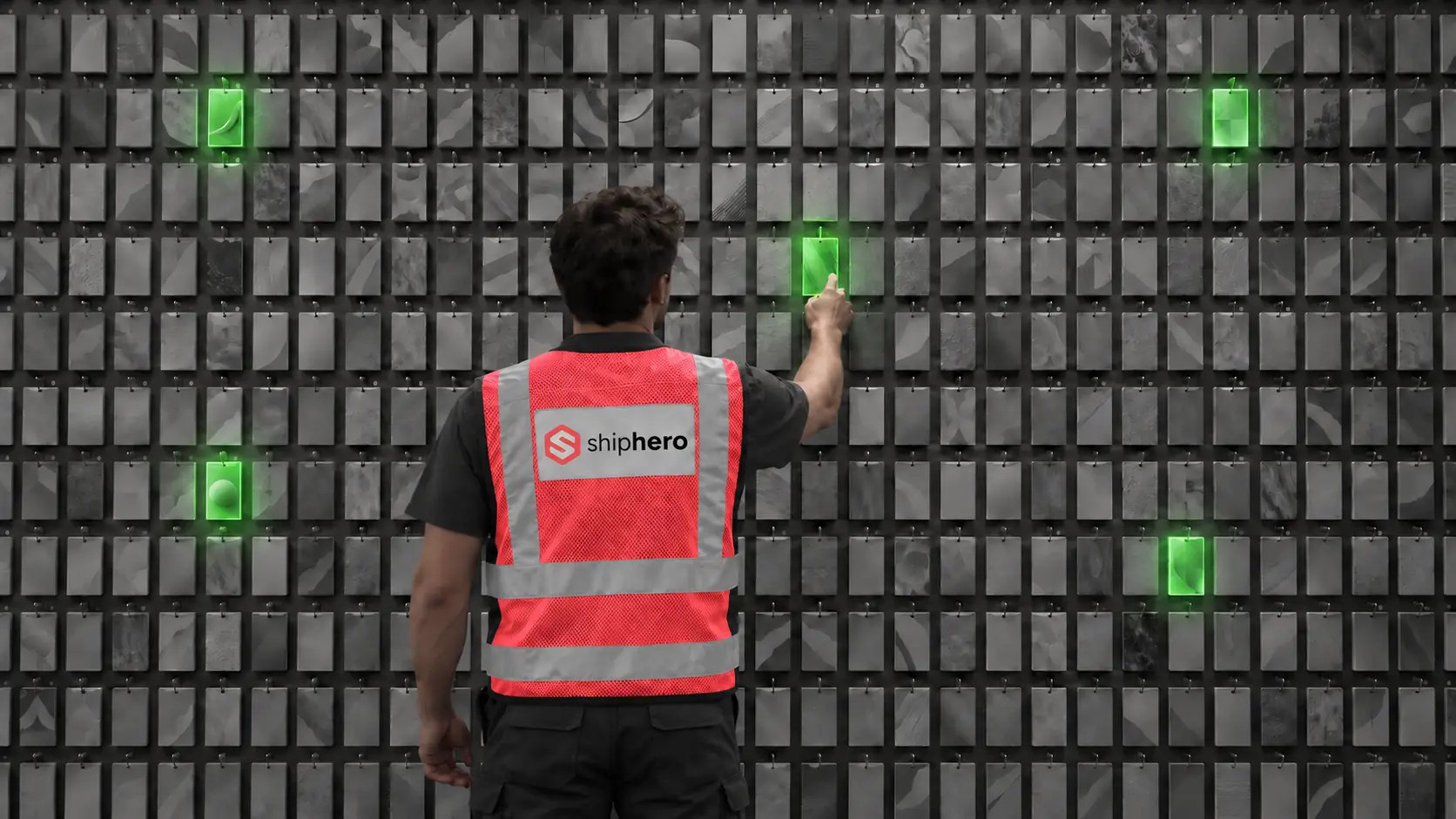
At the denser wall, average picking time per order fell from 40 seconds to 13, and orders that ran clean from start to finish rose from 18% to 97%. This is the companion to our Direct Pack + Pack-to-Light case study, from the same research.
.svg)




.svg)



.webp)